
Finding the right nursing pillow requires balancing immediate physical relief with long-term structural integrity. While many brands promise the ultimate feeding experience, the true value of a nursing pillow lies in how well its firmness, support, and materials align with your body shape and your baby’s developmental stage. A pillow that feels plush in a showroom may compress completely under a baby’s weight, leading to poor posture and physical strain during long feeding sessions.
To make an informed choice, you must look beyond marketing claims and evaluate how different designs distribute weight, withstand frequent washing, and fit into your daily routine. By focusing on observable material specifications, structural designs, and practical maintenance requirements, you can select a pillow that provides reliable support throughout your feeding journey.
Understanding Firmness and Support in Nursing Pillows
When evaluating nursing pillows, it is essential to distinguish between initial surface softness and structural support. A pillow that feels soft to the touch may seem comfortable at first, but it often lacks the density required to keep your baby at the correct height for feeding. Without adequate structural support, the baby’s weight will cause the pillow to sag, forcing you to lean forward and strain your neck, shoulders, and lower back.
Products mentioned in this guide



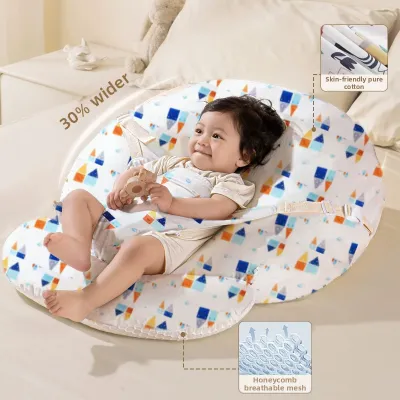
Prices are valid at publication and may change. Please refer to the product page for the latest price.
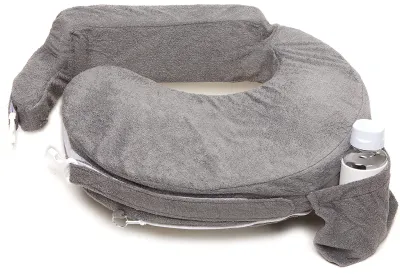
The filling material plays a critical role in determining both the firmness and the moldability of the pillow. Molded foam cores, such as those found in highly structured wrap-around designs, offer a firm, flat surface that keeps the baby level and prevents them from rolling. This high level of firmness is particularly beneficial during the early weeks of breastfeeding when positioning is crucial for establishing a proper latch.
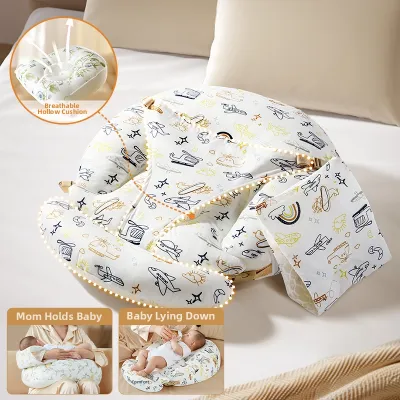
Polyester fiberfill is another common option, offering a more traditional, cushion-like feel. While fiberfill pillows are softer and more pliable, they can compress significantly under weight and may require manual fluffing to maintain their loft. Some designs utilize loose microbead fillings, which allow you to shift the material to contour to your body, though they may offer less consistent vertical support over long feeding sessions.
Before purchasing, always check the manufacturer’s specifications for density ratings and recommended weight limits. Some pillows are designed specifically for newborns and may not support heavier infants as they grow. Verifying these specifications ensures the pillow will maintain its shape and provide the necessary elevation as your baby gains weight.
Evaluating Long-Term Comfort and Durability
A nursing pillow is an everyday item that will encounter frequent milk spills, spit-up, and general wear. To ensure long-term comfort and hygiene, you must carefully evaluate how easy the pillow is to clean and how well its materials hold up over months of continuous use. A pillow that is difficult to clean can quickly become a hygiene hazard or lose its shape after a single incorrect wash.

Always check the care labels on both the inner core and the outer cover before making a decision. Some high-density foam cores are strictly spot-clean only and can be permanently damaged or warped if submerged in water or placed in a washing machine. Other fiberfill options may allow the entire pillow to be machine washed, but they often require specific drying cycles to prevent the filling from clumping or shifting.
The outer cover should be easily removable and made from durable, breathable fabric that can withstand frequent hot-water washes. Look for covers with robust zippers or secure closures that do not degrade, shrink, or fray after multiple trips through the laundry. Breathable materials like organic cotton or moisture-wicking blends are particularly beneficial in warm climates, helping to keep both you and your baby cool during close physical contact.
Over time, all nursing pillows will experience some degree of wear. You should regularly inspect your pillow for structural signs of degradation, such as permanent flattening, lumpiness, or a noticeable loss of loft. If the pillow no longer elevates your baby to the breast or bottle without you having to hunch over, or if the filling has separated into clumps, it is time to replace the pillow to maintain proper feeding ergonomics.
Key Comparison Dimensions for Popular Nursing Pillow Designs
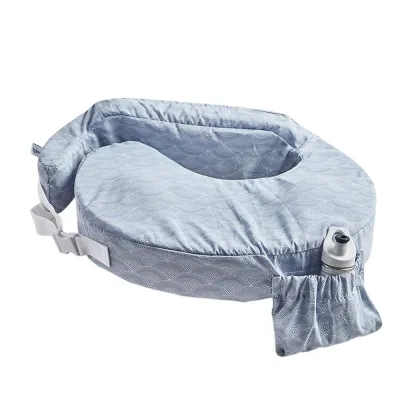
Nursing pillows generally fall into three primary design categories: C-shape, U-shape, and wedge designs. Each shape distributes weight differently and offers distinct advantages depending on your feeding setup. C-shaped pillows slip easily around your waist and are highly versatile, but they may leave a gap between your body and the pillow if you shift positions. U-shaped designs offer a more complete wrap-around fit, often securing with a strap to keep the pillow snug against your torso.
Wedge-shaped pillows are smaller, highly portable options designed to support specific areas, such as under your arm or beneath the baby’s head. While they do not offer the full-body support of larger designs, they are excellent for targeted adjustments and take up very little space. When comparing these shapes, consider your primary feeding location and whether you need a design that supports your back as well as your baby.
Adjustability features are another crucial dimension to compare across brands. Some pillows feature adjustable straps, buckles, or hook-and-loop fasteners that allow you to secure the pillow tightly around your waist. This prevents the pillow from drifting away during a feeding session, which is a common frustration with non-securing C-shaped designs. However, these straps can add bulk and make the pillow slightly more cumbersome to put on and take off quickly.
Portability and storage are particularly important considerations for caregivers living in compact spaces, such as typical Singapore apartments, or those who travel frequently. Large, rigid foam pillows provide excellent support but can be difficult to store or pack into a diaper bag. If space is limited, a more flexible fiberfill pillow that can be compressed, or a compact wedge design, may be more practical than a bulky, structured wrap-around model.
How to Choose the Right Nursing Pillow for Your Needs
Choosing the right nursing pillow depends on your physical build, your baby’s age, and your preferred feeding method. If you are shopping for a newborn and require strict positioning support to establish a latch, a firmer, highly structured pillow with a secure waist strap is often the most helpful choice. This style provides a stable, flat platform that keeps the baby close to your body, reducing the need to support their weight with your arms.
If you prefer flexibility, a softer, more adaptable C-shaped pillow may be more suitable. These pillows can be easily repositioned for different feeding holds, such as the football or cradle hold, and are highly convenient for bottle-feeding. Additionally, softer pillows are often easier to repurpose for other developmental stages, such as propping your baby up during supervised floor play or assisting with early sitting practice.
Whether you are looking at a budget-friendly option around S$40 or investing over S$120 in a premium ergonomic model, verify first if the specific model meets current safety standards and chemical safety certifications for infant products in your region. Look for certifications that ensure the foam or fabric is free from harmful flame retardants, heavy metals, and volatile organic compounds. This is especially important since your baby’s skin will be in direct or close contact with the pillow surface for several hours each day.
It is important to recognize that a nursing pillow is a supportive tool, not a universal solution for severe physical discomfort. If you experience persistent back, neck, or wrist pain despite using a high-quality pillow, the issue may stem from latch mechanics or overall posture. In such cases, consult a certified lactation consultant or a physical therapist who can provide personalized ergonomic adjustments and guidance.
Safety and Usage Boundaries for Nursing Pillows
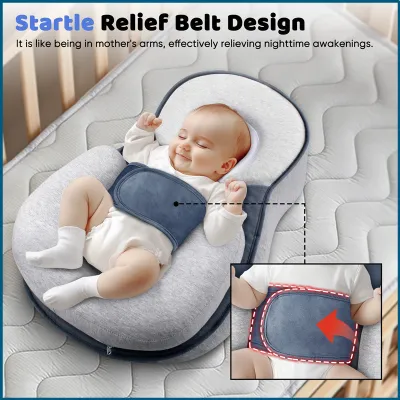
While nursing pillows are invaluable tools for feeding comfort, they must be used with strict adherence to safety guidelines to prevent accidents. Nursing pillows are designed solely for supervised feeding sessions and must never be used as a sleep surface, lounger, or unsupervised propping device. Placing an infant to sleep on a nursing pillow poses a severe risk of positional asphyxiation if their head rolls forward or if they slip into the center opening.
Whenever your baby is positioned on a nursing pillow, you must maintain active supervision and keep at least one hand on them at all times. Babies can wiggle or shift unexpectedly, which can cause them to slide off the pillow or become wedged between the pillow and your body. Never leave your baby unattended on a nursing pillow, even for a brief moment, regardless of their age or developmental stage.
Finally, always check the manufacturer’s official website or local consumer safety databases for any active product recalls, safety warnings, or updated usage instructions before using a new or secondhand pillow. Manufacturers occasionally update weight limits or age recommendations based on new safety data. Staying informed about these updates is a simple but vital step in ensuring your baby’s safety during every feeding.
Frequently Asked Questions (FAQ)
Can I use a regular bed pillow instead of a dedicated nursing pillow?
Regular bed pillows generally lack the structural density and specific shaping required to support a baby safely during feeding. Standard pillows tend to compress completely under a baby’s weight, causing them to sink or roll toward your body, which can compromise their feeding posture and latch. Additionally, bed pillows do not wrap around your waist, meaning they can easily slide away and force you to hunch forward, leading to significant neck and shoulder strain.
How often should I wash the nursing pillow cover?
You should wash the nursing pillow cover immediately after any milk spills, spit-up, or visible soiling to prevent bacterial growth and unpleasant odors. For routine maintenance, washing the cover once a week is generally recommended if you use the pillow daily. It is highly beneficial to purchase at least one spare cover so you can continue using the pillow while one cover is in the wash. Always follow the manufacturer’s specific care instructions regarding water temperature and drying methods to avoid shrinking the fabric.
When should I stop using a nursing pillow?
You can generally stop using a nursing pillow for feeding support once your baby can sit up independently and has developed the trunk control to maintain a comfortable feeding posture without assistance. This milestone typically occurs around six months of age, though it varies for every child. Once feeding support is no longer needed, many caregivers repurpose flexible, fiberfill pillows for supervised tummy time or as a soft barrier to support early sitting practice, provided they follow all manufacturer safety guidelines for those activities.
Community discussion
Share your experience or ask a question. Comments are reviewed before publication.