
When choosing nipple wipes for breastfeeding, you should generally avoid products containing synthetic fragrances, drying alcohols, harsh preservatives, and certain essential oils. Because your baby’s mouth comes into direct contact with your skin immediately after wiping, any chemical residue left behind can be easily ingested. The primary goal of selecting a safe wipe is to protect your compromised skin barrier from irritation while preventing your infant from consuming potentially harmful substances. Careful label scrutiny and consultation with a healthcare provider or lactation consultant are essential steps in keeping both you and your baby safe.
Why Ingredient Safety Matters During Nursing
Breastfeeding is a deeply bonding experience, but it also subjects your skin to constant physical demands. In a warm, humid climate, the friction from nursing combined with moisture trapped inside a nursing bra can easily lead to chafing, soreness, and micro-tears. This compromised skin barrier becomes highly sensitive to external irritants. When you apply a wipe to your breast, the ingredients do not just sit on the surface; they can penetrate these tiny cracks, causing stinging, inflammation, or delayed healing.
At the same time, you must consider the dual exposure dynamic. Your baby’s lips and tongue latch directly onto the nipple and areola. Any liquid or chemical residue remaining on your skin from a wipe will be swallowed during the next feed. Unlike standard skin exposure, oral ingestion bypasses the skin’s protective barrier entirely, delivering those chemicals directly into your infant’s developing digestive system.
Products mentioned in this guide
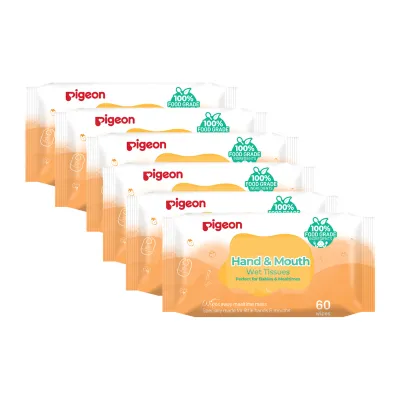
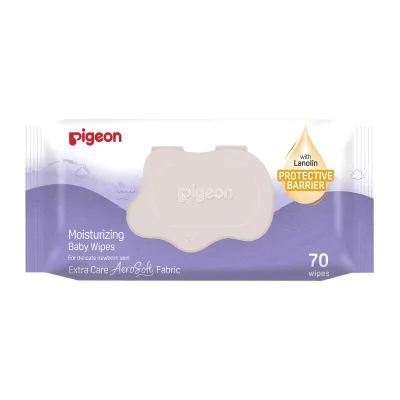
Prices are valid at publication and may change. Please refer to the product page for the latest price.
This dual risk is why standard baby wipes or general-purpose wet wipes are often unsuitable for nursing care. Standard wipes are formulated for intact skin on a baby’s bottom or hands, where oral ingestion is not a primary concern. They frequently contain preservatives and cleansing agents that are safe for external use but highly inappropriate for a newborn to swallow.
Furthermore, marketing terms like “natural,” “organic,” or “hypoallergenic” can be highly misleading. These labels are not strictly regulated for oral safety and do not automatically guarantee that a product is safe for infant ingestion or maternal wound care. A wipe labeled “100% organic” might still contain botanical extracts or essential oils that are toxic to a newborn or highly irritating to cracked skin. Reading the actual ingredient list is the only reliable way to verify what you are putting on your body.
Common Ingredient Categories to Scrutinize on Labels
Navigating the chemical names on the back of a package can feel overwhelming, especially when you are managing the busy schedule of a new parent. Instead of trying to memorize every single chemical compound, it is much more practical to learn the broad families of ingredients that pose risks. By identifying these high-risk categories, you can quickly filter out unsuitable products during your weekly shop or when browsing online marketplaces.

When you inspect a package, the presence of certain chemical groups should immediately prompt closer inspection. If you spot these categories on a label, it is best to avoid the product entirely or verify its safety with a certified lactation consultant or pediatrician before use.
Fragrances, Parabens, and Essential Oils
Synthetic fragrances and phthalates are among the most common culprits behind skin sensitization and allergic contact dermatitis. For a nursing mother, added scents pose an additional, unique problem: they can disrupt the natural maternal scent. Newborns rely heavily on their sense of smell to locate the nipple and establish a successful latch. A strong artificial fragrance can confuse your baby, leading to breast refusal or fussy feeding sessions.
Parabens (such as methylparaben, propylparaben, and butylparaben) and formaldehyde-releasing preservatives are used to extend shelf life, but they are notorious skin irritants. When applied to broken, cracked, or highly sensitive nipple tissue, these preservatives can cause intense stinging and worsen localized inflammation. Because these chemicals can accumulate in body tissues, avoiding them on areas of direct infant contact is a prudent safety measure.
Essential oils are often marketed as safe, natural alternatives to synthetic perfumes, but they can be highly problematic during breastfeeding. Oils like peppermint, tea tree, eucalyptus, and lavender contain active compounds that can be toxic to an infant if ingested even in tiny amounts. Additionally, certain herbs and oils, such as peppermint, are known to potentially reduce milk supply when applied topically to the breast.
Drying Alcohols and Harsh Surfactants
Drying alcohols, including denatured alcohol, isopropyl alcohol, and ethanol, are sometimes added to wipes to make them dry quickly or provide an antiseptic effect. However, these alcohols strip away the skin’s natural lipids and moisture. On already tender nipple tissue, this leads to severe dryness, painful cracking, and a significantly delayed healing process for the skin barrier.
Harsh surfactants and detergents, such as sodium lauryl sulfate (SLS) or sodium laureth sulfate (SLES), are used to create a cleansing lather or break down oils. These ingredients are highly disruptive to the delicate lipid layer of your skin. Regular exposure to sulfates can strip away the natural sebum produced by the Montgomery glands—the small bumps on your areola that naturally lubricate and protect your breast during nursing.
Maintaining your skin’s natural moisture balance is crucial during frequent, demanding nursing sessions. Stripping away these natural oils with harsh cleansing agents leaves your skin vulnerable to friction damage, making each latch increasingly painful and increasing the risk of infections like thrush.
How to Read and Verify Nipple Wipe Labels
To ensure you are choosing the safest possible option, you must look beyond the front-of-pack marketing claims and learn how to verify the manufacturer’s assertions. Look for explicit statements such as “safe for nursing,” “food grade,” or “no need to rinse before feeding.” However, do not take these claims at face value; check the manufacturer’s website or product documentation to see if these statements are backed by transparent, independent testing data.
Third-party certifications can provide an extra layer of reassurance, but you must understand their specific limitations. A label that says “dermatologist tested” or “pediatrician approved” simply means the product was evaluated under specific conditions, often on intact adult skin or general infant skin. It does not automatically guarantee that the formula has been tested for oral safety or that it is safe for a newborn to ingest repeatedly throughout the day.
When you encounter unfamiliar ingredients on a label, do not guess their safety. Use reliable medical databases, such as the LactMed database or resources from major pediatric associations, to look up individual compounds. If you are still unsure about a specific ingredient list, take a photo of the packaging and consult a lactation consultant or your pediatrician before introducing the wipes to your daily routine.
Safe Usage Practices and When to Stop
Even when using a highly rated, clean-ingredient nipple wipe, proper application technique is vital to prevent physical damage to your skin. Avoid aggressive rubbing or scrubbing, which can worsen micro-tears and cause further irritation. Instead, use a gentle patting or light wiping motion to clean the area, allowing the skin to air-dry completely before latching your baby or putting your bra back on.
While many nipple wipes claim to be “no-rinse,” there are times when rinsing with plain, clean water is the safest course of action. If you notice your baby pulling away, grimacing, or showing signs of taste aversion during a feed, a bitter or unusual residue from the wipe may be the cause. Rinsing your breast with water before feeding can eliminate this issue and help restore a comfortable latch.
You should establish clear stop-use conditions to protect your health and your baby’s well-being. Immediately discontinue using any wipe if you experience maternal redness, increased pain, burning sensations, or new cracking on your nipples. Similarly, stop use if your infant exhibits unusual fussiness, spitting up, or a sudden refusal to latch after you have used the product.
If you experience persistent nipple pain, deep cracking, or if your baby continues to have feeding issues, do not rely on wipes or topical treatments to solve the problem. Pause the use of all commercial wipes and consult a certified lactation consultant or a pediatrician. They can help identify underlying issues, such as an improper latch or oral thrush, and recommend safe, targeted treatments.
Frequently Asked Questions (FAQ)
Do I need to wash my breasts before every feed if I use nipple wipes?
No, you do not need to wash or wipe your breasts before every single feeding session. Your breasts naturally produce protective oils from the Montgomery glands, and breast milk itself contains natural antibacterial properties that help keep the skin clean. Over-washing or over-wiping can strip away these natural defenses, leading to dry, cracked skin. Generally, a daily shower with plain water is sufficient for hygiene, and nipple wipes should be reserved for times when you feel sweaty, sticky, or need to clean off dried milk or saliva while away from home.
Can I use regular baby wipes on my nipples instead of specific nipple wipes?
It is highly recommended that you avoid using regular baby wipes on your nipples. Standard baby wipes are formulated for the external skin of an infant’s diaper area or hands, meaning their pH balance, preservative systems, and cleansing agents are not designed or tested for oral ingestion. Many baby wipes contain bitter-tasting preservatives or mild detergents that, while safe for intact skin, can cause severe irritation to cracked nipple tissue and may be harmful or unpalatable for your baby to swallow during latching.

Community discussion
Share your experience or ask a question. Comments are reviewed before publication.