
Breastfeeding and pumping are deeply rewarding journeys, but they also place significant physical demands on a mother’s body. In Singapore’s warm, humid climate, managing skin comfort requires a delicate balance. While the outdoor humidity might suggest skin remains naturally hydrated, the constant transition to air-conditioned indoor environments—such as offices, shopping malls, and homes—can dry out sensitive skin. For breastfeeding and pumping mothers, this environmental fluctuation, combined with the mechanical friction of feeding, often leads to nipple soreness, chafing, or cracking. Finding the right nipple cream is not just about soothing discomfort; it is about maintaining a consistent feeding routine and protecting your physical well-being.
The ideal nipple cream varies depending on whether you primarily breastfeed directly, pump frequently, or combine both methods. Direct nursing introduces infant saliva and unique latching dynamics, while pumping introduces repetitive mechanical friction against plastic or silicone flanges. Consequently, a cream that works perfectly for a direct-latching mother might cause issues for a mother who relies heavily on a breast pump. To make an informed decision, you must evaluate how different formulations interact with your skin, your baby’s senses, and your feeding equipment.
Matching Nipple Cream to Your Feeding and Pumping Routine
Direct breastfeeding and breast pumping subject the delicate skin of the nipple and areola to entirely different physical forces. When a baby latches directly, the infant’s tongue, palate, and saliva create a warm, wet environment characterized by natural suction and compression. Infant saliva contains digestive enzymes that, while harmless, can break down the skin’s natural lipid barrier over time, leading to dryness and sensitivity once the skin dries. For direct breastfeeding, the primary role of a nipple cream is to restore this moisture barrier, soothe raw skin, and remain completely safe and unnoticeable to the baby during the next feed. This means prioritizing creams with minimal scent, neutral taste, and highly purified, food-safe ingredients that do not require washing off before the baby latches.
Products mentioned in this guide
![[Bundle of 3] Mamas Choice Intensive Nipple Cream | Safe Halal and Natural Skincare for Pregnancy & Breastfeeding](https://img.lazcdn.com/g/p/2a1951ee79cf6ec7373023ec10d771d6.jpg_400x400q80.jpg_.webp)
Prices are valid at publication and may change. Please refer to the product page for the latest price.
In contrast, breast pumping is a highly mechanical process. The nipple is drawn repeatedly into a hard plastic or silicone flange tunnel under vacuum pressure. This creates continuous sliding friction along the sides of the tunnel, which can quickly cause chafing, swelling, and micro-tears if the skin is dry or if the flange is not perfectly sized. For pumping mothers, a nipple cream often functions as a lubricant to reduce this friction. However, the physical properties of the cream become critical here. Thick, highly viscous creams can create a sticky residue inside the flange tunnel, which actually increases drag and worsens skin pulling. Furthermore, heavy oils and fats can degrade the silicone valves, membranes, and flanges of your pump, leading to a loss of suction and requiring more frequent replacement of expensive pump parts.
Mothers who practice hybrid feeding—combining direct nursing with regular pumping sessions—must adopt a strategic approach to nipple care. Using a single, heavy barrier cream right before a pumping session can cause the pump flange to slip or lose its vacuum seal, disrupting milk expression. Conversely, using a very light, fast-absorbing lotion might not provide enough long-lasting protection against the moisture loss caused by direct latching. A practical strategy is to use a lightweight, high-glide lubricant or a specialized pumping spray specifically designed for flanges during pump sessions, and then apply a richer, deeply hydrating barrier cream immediately after direct nursing or at the end of the day before sleep. This dual-product approach ensures that your equipment functions optimally while your skin receives the intensive recovery care it needs during longer rest periods.
Evaluating Ingredients and Formulation Types
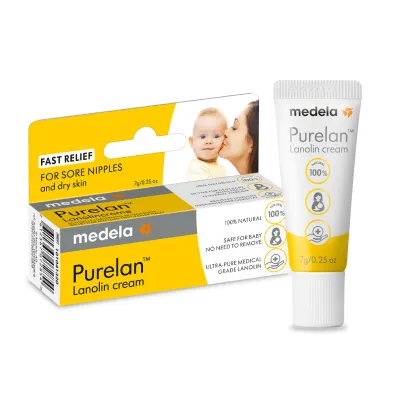
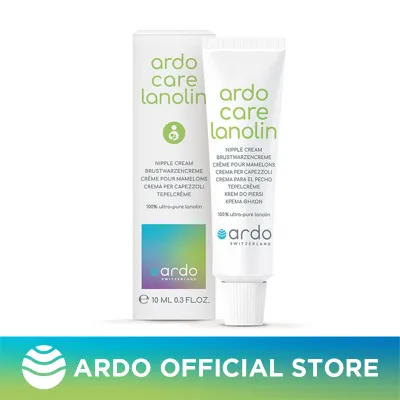
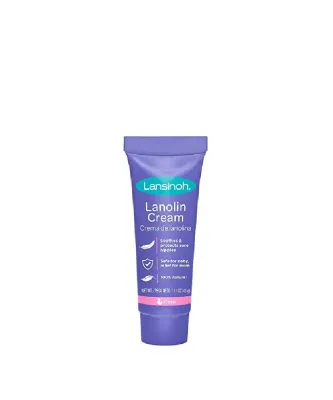
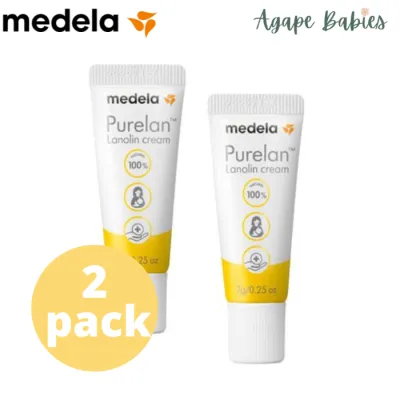
Understanding the ingredients in nipple creams is essential for protecting both your skin and your baby’s health. Highly purified lanolin is one of the most traditional and widely used ingredients in nipple care. Lanolin is a natural sheep’s wool derivative that closely mimics the lipid profile of human skin, allowing it to penetrate deeply and lock in moisture effectively. However, because it is derived from wool, unrefined lanolin can contain impurities and environmental residues that may trigger allergic reactions or skin sensitization. When choosing a lanolin-based cream, it is crucial to verify on the label that the product uses medical-grade, highly purified lanolin. This purification process removes free wool alcohols and impurities, making it hypoallergenic and safe for your baby to ingest in tiny quantities during feeding.

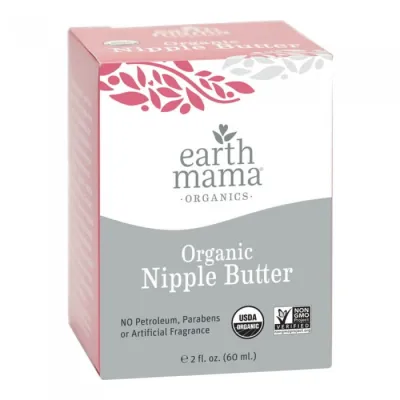
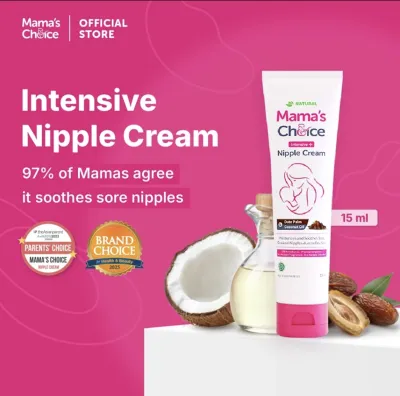
For mothers with wool allergies, sensitive skin, or a preference for vegan products, plant-based and organic alternatives offer excellent soothing properties. Common ingredients include shea butter, cocoa butter, coconut oil, olive oil, and calendula extract. Shea and cocoa butters provide a rich, nourishing barrier, while calendula is prized for its natural skin-soothing qualities. However, plant-based oils behave differently under varying environmental conditions. In Singapore’s tropical climate, where ambient indoor temperatures can hover around 30 degrees Celsius without air conditioning, pure coconut oil melts into a highly fluid liquid, making it messy to apply and prone to staining clothing. Additionally, plant-based creams often absorb much faster than lanolin, which means they may require more frequent reapplication to maintain a protective barrier.
When experiencing severe soreness, deep cracks, or intense burning sensations, topical creams alone may not provide sufficient relief. In such cases, hydrogel pads or cooling soothing patches serve as an excellent complementary option. These sterile, single-use pads are placed directly over the nipple inside the nursing bra, providing immediate cooling relief that is particularly comforting in Singapore’s warm weather. Hydrogel pads work by maintaining a moist wound-healing environment, which helps skin cells regenerate faster while protecting the sensitive area from rubbing against clothing. It is important to note that these pads must be removed, and the breast gently wiped, before nursing or pumping to ensure the baby does not come into contact with the gel and that the pump flange can seal properly.
Regardless of the formulation type you prefer, there are several ingredients you should actively scrutinize or avoid. Added synthetic fragrances, artificial preservatives (such as parabens or phenoxyethanol), and chemical numbing agents (like benzocaine) should never be present in a nipple cream. Fragrances can irritate your baby’s sensitive respiratory system and alter their feeding behavior, while preservatives and numbing agents pose ingestion risks. Always read the full ingredient list on the back of the packaging rather than relying on front-label marketing claims like “all-natural” or “hypoallergenic.” If an ingredient list is long, complex, or contains unfamiliar chemical names, research them carefully or opt for a simpler formulation with fewer, highly recognizable ingredients.
Practical Features for Daily Comfort and Convenience
The physical and sensory attributes of a nipple cream can significantly impact how easily it integrates into your daily routine. Texture and spreadability are paramount when dealing with tender, sensitive skin. A cream that is too thick or stiff requires significant pressure to spread, which can cause further pain and irritation when applied to already sore or cracked nipples. Ideally, a nipple cream should have a smooth, buttery consistency that melts easily upon contact with skin warmth, allowing you to apply it with a gentle, feather-light touch. This ease of application is especially critical during exhausted, middle-of-the-night feeding sessions when you want to minimize discomfort and return to sleep as quickly as possible.
Scent and taste play a major role in infant acceptance and the success of your breastfeeding journey. Newborns have an incredibly acute sense of smell and taste, which they use to navigate to the breast and bond with their mother. Even a subtle, natural scent from plant-based oils or a distinct taste from unrefined ingredients can cause a baby to hesitate, grimace, or refuse to latch altogether. When introducing a new nipple cream, closely observe your baby’s behavior during latching. If you notice signs of fussiness, pulling away, or a shallow latch immediately after application, try wiping the cream off completely before the next feed or switching to an entirely odorless and tasteless formulation.
The design of the product’s packaging also affects hygiene and convenience. Nipple creams generally come in either squeeze tubes or open-mouthed jars. Squeeze tubes are highly preferred for daily use because they allow for hygienic, one-handed dispensing—a crucial feature when you are holding a squirming baby or managing pump parts with your other hand. Tubes also protect the remaining product from exposure to air and light, preserving the stability of natural ingredients. Jars, while sometimes more cost-effective and easier to empty completely, carry a much higher risk of bacterial contamination. Every time you dip a finger into a jar, you introduce bacteria from your hands into the cream, which can then multiply and be transferred to your baby’s mouth or your sensitive skin during the next application.
Building Your Shortlist and Verifying Local Availability
To find the right nipple cream without wasting time or money, establish a systematic filtering process. Start by prioritizing ingredient safety: eliminate any products containing added fragrances, alcohol, or questionable preservatives. Next, cross-reference the remaining options with your feeding routine; if you pump frequently, look for lighter formulations or specialized lubricants that won’t compromise your pump’s suction or degrade silicone parts. Finally, narrow your choices down by packaging preference, opting for hygienic squeeze tubes that fit easily into your diaper bag or pumping kit. This structured approach ensures you select a product that is safe for your baby, compatible with your equipment, and convenient for your lifestyle.
When sourcing nipple creams in Singapore, it is vital to purchase from reliable, authorized retailers to ensure product safety and authenticity. Established local pharmacies, specialized mother-and-baby retail chains, and official brand storefronts on major e-commerce platforms are the safest options. Be highly cautious of unauthorized third-party sellers on online marketplaces. These sellers may offer lower prices, but their products could be parallel imports that have been stored in hot, humid warehouses, which can degrade natural oils and compromise the preservative systems of the creams. Furthermore, counterfeit baby products are a real risk; using an unverified cream can expose your baby to harmful contaminants or incorrect ingredient concentrations.
Upon receiving your nipple cream, take a few moments to verify its authenticity and freshness before use. Check the packaging for a clear batch code, a visible expiration date, and an intact tamper-evident seal. The product should not have a rancid, sour, or unusually strong chemical smell, which are common signs of spoilage or improper storage in Singapore’s warm climate. If the cream has separated into a runny liquid and a thick paste, try kneading the tube to recombine it; if it remains separated or feels gritty, discard it and contact the retailer for a replacement.
While over-the-counter nipple creams are excellent for managing mild soreness and dry skin, they are not a cure-all for severe feeding difficulties. If you experience persistent pain, deep cracking, or difficulty achieving a comfortable latch, it is essential to consult a certified lactation consultant or a healthcare provider. These professionals can help identify the root cause of the discomfort—such as an incorrect latch, improper pump flange sizing, or an infant tongue-tie—and provide personalized guidance. Nipple cream should be used as a supportive tool to aid healing, not as a permanent mask for ongoing mechanical issues.
Safe Application Practices and Warning Signs
Applying nipple cream correctly is just as important as choosing the right product. The optimal time to apply cream is immediately after a feeding or pumping session. At this point, your skin has the maximum amount of time to absorb the moisturizing ingredients before the next session, allowing the protective barrier to rebuild. Before applying any cream, always wash your hands thoroughly with warm water and soap for at least twenty seconds. Use a clean finger or a sterile cotton swab to scoop a pea-sized amount of cream, warm it gently between your fingertips if necessary, and pat it softly onto the nipple and areola. Avoid rubbing vigorously, as this can further irritate damaged skin fibers.
If you are preparing to pump and have applied a thick cream or balm earlier, you may need to prepare the breast to ensure optimal pump performance. Check your breast pump manufacturer’s instructions regarding lubricants; some brands recommend applying a very thin layer of a specific lubricant to the flange tunnel, while others advise keeping the area completely dry. If your pump requires a dry seal, gently wipe away any excess cream from the nipple and areola using a clean, damp cloth before attaching the flange. This simple step prevents the flange from slipping out of place, maintains a consistent vacuum seal, and protects the pump’s internal valves from oil buildup.
It is vital to recognize when nipple discomfort transitions from normal transitional soreness to a medical issue requiring professional intervention. Stop using any nipple cream immediately and seek prompt medical advice if you develop red-flag symptoms of infection or other complications. These symptoms include a fever, localized warmth or swelling in the breast, red streaks radiating from the nipple area, or pus-like discharge. Additionally, if you experience shooting, burning, or stabbing pains deep within the breast during or after feeding, or if your nipple skin becomes shiny, flaky, and bright pink, you may be dealing with a fungal infection like thrush, which requires prescription antifungal treatment for both you and your baby. Deep wounds, bleeding, or cracks that do not show signs of improvement after a few days of proper care also warrant a medical evaluation to prevent further complications.
Frequently Asked Questions (FAQ)
Do I need to wipe off nipple cream before my baby nurses?
Highly purified, medical-grade lanolin and specific organic, plant-based nipple creams are formulated to be food-safe and do not technically require wiping off before your baby latches. However, you must always verify this claim on the specific product label of the brand you purchase. Even if a product is labeled as safe to leave on, some infants are highly sensitive to any alteration in the texture or taste of the breast. If your baby struggles to latch, slips off the breast, or shows signs of aversion, gently wiping the nipple with a warm, damp cloth before feeding can help restore a natural surface and encourage a better latch.
Can I use regular body lotion or coconut oil from my kitchen instead?
You should strictly avoid using standard body lotions, face creams, or general moisturizers on your nipples while breastfeeding or pumping. These cosmetic products often contain synthetic fragrances, chemical preservatives, mineral oils, and active ingredients that are unsafe for infant ingestion and can cause severe skin irritation for your baby. While pure, food-grade coconut oil is a popular and safe natural alternative, it has a very low melting point and will quickly liquefy in Singapore’s warm climate, making it messy to apply and prone to staining your nursing bras. If you choose to use coconut oil, ensure it is organic, cold-pressed, unrefined, and stored in a cool place to maintain its quality.
Why does my breast pump flange keep slipping after applying cream?
If your breast pump flange is slipping, sliding, or losing suction during a pumping session, it is highly likely that the nipple cream you applied is too thick, greasy, or has been applied too generously. Heavy emollients create a slippery barrier that prevents the silicone or plastic flange from forming the airtight vacuum seal necessary for effective milk expression. To resolve this issue, try applying a much thinner, barely-visible layer of cream, or switch to a specialized, lightweight pumping lubricant designed specifically for flanges. Alternatively, wipe the areola and the outer edges of the breast dry before pumping, applying the protective cream only after your session is complete.
Community discussion
Share your experience or ask a question. Comments are reviewed before publication.