
Newborns require ultra-precise, rounded-tip safety scissors or gentle electric files to navigate soft, paper-thin nails attached to delicate skin. Toddlers need sturdier, slightly larger safety scissors or specialized baby clippers with safety guards to handle thicker, hardened keratin as their nails grow more resilient. Selecting the right nail scissors baby tool depends entirely on your child’s developmental stage and nail density.
Trimming a tiny baby’s nails can be one of the most nerve-wracking tasks for new parents. The fear of accidentally nicking delicate skin often leads to avoidance, which in turn results in long, sharp baby nails that can easily scratch their face. Understanding how your child’s nails change over time allows you to choose the safest, most efficient tools for each stage of growth.
Why Age and Nail Thickness Dictate Your Tool Choice
Newborn nails are incredibly soft, thin, and flexible. Often described as paper-thin, they bend easily but can still develop surprisingly sharp edges. Because these nails grow at a rapid rate, infants can easily scratch their own delicate facial skin during sleep or random movements. The skin surrounding a newborn’s nail bed is also extremely soft and sits flush with the nail itself, making it highly susceptible to accidental pinches if the grooming tool is too large or lacks precision.
Products mentioned in this guide
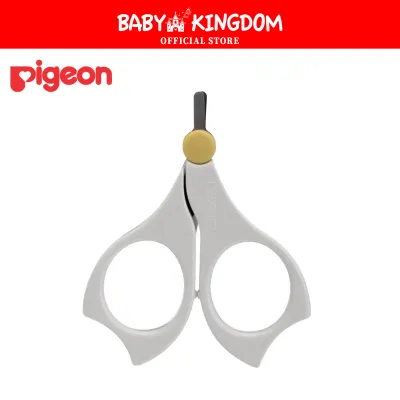
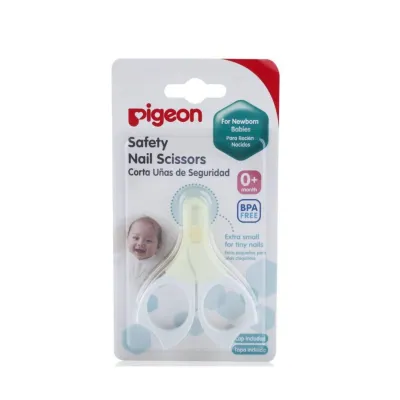
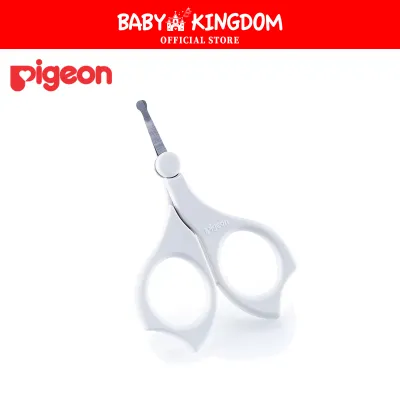
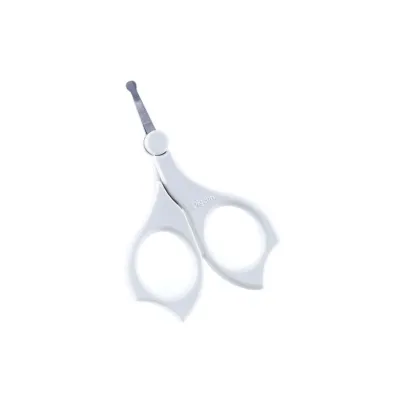
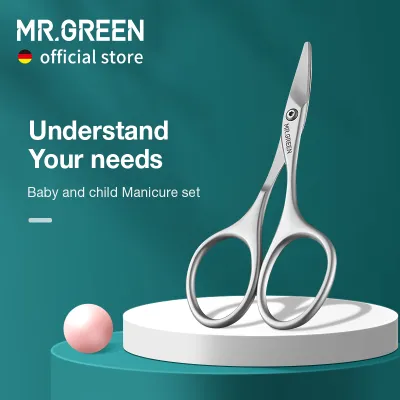
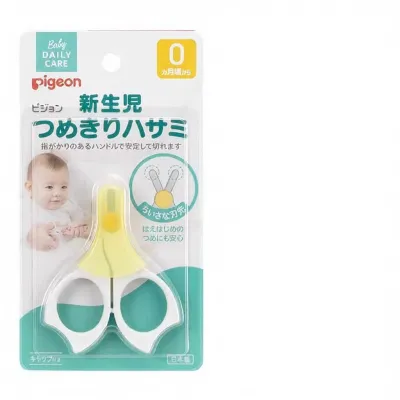
Prices are valid at publication and may change. Please refer to the product page for the latest price.
As a child transitions into toddlerhood, typically around six months of age, their physical development accelerates. Their diet expands, and their body begins to produce denser keratin, which significantly hardens their fingernails and toenails. Toddler nails lose their paper-thin, pliable quality and become much more resilient, resembling miniature versions of adult nails. Attempting to use ultra-flexible newborn files or tiny, weak scissors on these tougher nails can cause the nail to bend, tear, or split, which is painful and increases the risk of hangnails.
Another critical factor is the child’s motor development and temperament. While a newborn is relatively stationary and can easily be groomed during a nap, a toddler is highly active, curious, and often resistant to sitting still. The physical struggle of holding a toddler’s hand requires a tool that can cut quickly, cleanly, and safely in a single motion. Consequently, the ideal grooming tool must change from one designed for absolute softness and micro-precision to one engineered for speed, strength, and secure handling.
Best Nail Scissors Types for Newborns (0–6 Months)
During the first six months of life, a baby’s fingers are incredibly small, and their nails require a delicate touch. Caregivers need tools that offer maximum visibility and complete control to avoid the delicate skin of the nail bed. Two primary options stand out as the safest and most effective choices for this early developmental stage.

Rounded-Tip Baby Scissors
Rounded-tip baby scissors are widely considered an excellent standard for infant nail care. These specialized scissors feature exceptionally short, thin blades that allow caregivers to see exactly where the cutting edge meets the nail. The short blade length provides excellent leverage, ensuring that each cut is deliberate and controlled rather than a blind clip.
The most defining safety feature of these scissors is the blunt, rounded tip. If the baby makes a sudden, unpredictable movement during the grooming session, the rounded outer edges of the blades slide harmlessly against the skin rather than causing a painful poke or puncture. This design element significantly reduces parent anxiety, turning a potentially stressful chore into a manageable routine.
When selecting rounded-tip scissors, it is essential to look for models with large, ergonomic finger loops. These loops should accommodate adult fingers comfortably, providing a non-slip grip that prevents the scissors from slipping out of alignment. Always verify the manufacturer’s age recommendations on the packaging to ensure the blades are scaled correctly for a newborn’s tiny fingers.
Electric Nail Files for Infants
For parents who feel highly anxious about using any form of metal blade near their newborn’s skin, electric nail files offer an excellent, zero-cut-risk alternative. These battery-operated devices utilize rotating, cushioned pads to gently sand down the soft, paper-thin nail edge. Because the pads are cushioned, they are designed to stop spinning if they come into contact with the skin, preventing friction burns or cuts.
Most electric nail file kits come with color-coded filing pads designed for specific age brackets. For example, the softest grit pad is engineered for newborns from zero to three months, while slightly coarser grits are provided for babies aged three to six months and beyond. This ensures that the filing action remains effective as the nail density gradually changes.
Many models also feature whisper-quiet motors and integrated LED lights. These features allow caregivers to file the baby’s nails while they are deeply asleep in a darkened nursery, minimizing resistance and making the process completely stress-free. The primary trade-off to consider is that filing takes significantly longer than cutting, and as the nails harden past six months, electric files may become less efficient.
Best Nail Scissors Types for Toddlers (6 Months–3 Years)
As your child grows past the six-month mark, their nails will become noticeably thicker and tougher. At this stage, newborn scissors may struggle to cut through the hardened keratin, and the child’s increased mobility requires a shift in your grooming strategy. Upgrading to tools designed for toddlers ensures clean cuts and keeps the process quick and safe.
Baby Nail Clippers with Safety Guards
Toddler nail clippers are engineered to handle denser nails with speed and precision. Unlike adult clippers, which have flat or wide blades, baby-specific clippers feature curved cutting edges that mimic the natural, rounded shape of a child’s fingernails. This curved design allows for a clean, single-press cut that minimizes the risk of splitting the nail.
Many high-quality toddler clippers are equipped with built-in safety guards or magnifying lenses. A plastic safety shield acts as a physical barrier, limiting how much of the nail can enter the cutting slot and preventing the caregiver from cutting too close to the sensitive quick. Magnifying guards help parents see the tiny nail clearly, which is especially useful when dealing with a squirming toddler.
Ergonomic design is another crucial aspect of toddler clippers. Look for models with oversized, textured handles made of rubber or non-slip plastic. These bulky handles provide the necessary leverage for adult hands, allowing you to clip through tough nails effortlessly with minimal pressure. This ensures that the grooming process is swift, reducing the amount of time you need to keep your active toddler still.
Toddler-Sized Safety Scissors
If you prefer the slicing action of scissors over the clipping mechanism of clippers, upgrading to toddler-sized safety scissors is an excellent option. These scissors differ from newborn models by featuring slightly longer, sturdier blades made of thicker stainless steel. This added strength is necessary to cut through tougher toddler keratin without bending or tearing the nail.
Despite the larger size, these scissors maintain the essential rounded, blunt tips to protect your child from sudden movements. The blades are designed to be sharp enough to slice through the nail cleanly in one motion, yet safe enough to prevent accidental puncture wounds.
When choosing toddler safety scissors, prioritize models with comfortable, textured finger loops that offer a secure grip. A non-slip handle is vital when managing a toddler who may try to pull their hand away mid-trim. Always check the manufacturer’s packaging to confirm the recommended age range and ensure the tool is suited for your child’s current developmental stage.
Key Safety Features to Look for in Baby Nail Scissors
Selecting the right nail care tool requires careful evaluation of specific design elements. Before making a purchase, caregivers should review a practical checklist to ensure the tool meets the highest safety and functional standards.
- Blade Design: The blades must be short, thin, and feature perfectly rounded tips. Ensure there are no sharp external corners or rough metallic edges on the outer sides of the blades that could scratch the child's skin during positioning. The blades should align perfectly without any loose play in the center pivot.
- Handle Ergonomics: Look for handles with textured, non-slip rubber inserts or molded plastic grips. The finger loops must be large enough to accommodate adult fingers comfortably, allowing for a steady, tremor-free grip. A secure handle ensures that you maintain complete control over the tool at all times.
- Storage and Hygiene: Choose tools that include a protective blade cover, cap, or a dedicated storage case. This keeps the blades clean, dry, and protected from airborne dust or contaminants. In Singapore's warm, humid climate, keeping nail care tools clean and dry in a protective cover is especially important to prevent the growth of bacteria and rust on metal surfaces. A cover also prevents accidental cuts when reaching into a crowded diaper bag.
- Material Quality: Opt for blades constructed from high-grade, rust-resistant stainless steel. This material is highly durable, retains its sharp cutting edge longer, and can be easily sanitized with isopropyl alcohol before and after each use. High-quality plastics used in the handles should be BPA-free and sturdy enough to withstand repeated pressure.
Always verify the manufacturer’s stated age range, weight limits, and read the included safety instructions before the first use. Never use damaged, rusted, or dull tools on a child’s nails, as they can cause painful tearing or infection.
How to Safely Trim Your Baby's or Toddler's Nails
Trimming a young child’s nails requires patience, preparation, and the correct technique. By establishing a calm routine and following safe practices, you can minimize anxiety and prevent accidental injuries.
- Timing: The most effective way to ensure a successful trim is to choose the right moment. For newborns, trimming while they are in a deep sleep or immediately after a warm bath—when their nails are at their softest—is highly recommended. For toddlers, pick a quiet moment when they are relaxed, such as during a calm storytime or while sitting comfortably in a high chair.
- Technique: Hold the child's hand securely but gently. Support the individual finger you are trimming and use your thumb to gently press the finger pad away from the nail edge. This action exposes the free edge of the nail and creates a safe gap between the nail and the skin, reducing the risk of nicking the skin. Cut along the natural curve of the fingernails, but always cut toenails straight across to prevent painful ingrown nails.
- First Aid Boundaries: Even with the utmost care, minor nicks can happen. If you accidentally cut the skin, remain calm to avoid frightening the child. Apply gentle pressure to the area with a clean, damp cloth or sterile gauze until the bleeding stops. Do not apply liquid bandages, adhesive plasters, or ointments to a baby's fingers or toes, as these items present a severe choking hazard if the baby puts their hands or feet in their mouth.
- When to Stop: If a cut appears deep, if the bleeding does not stop after several minutes of continuous gentle pressure, or if you notice signs of infection in the following days—such as persistent redness, swelling, warmth, or pus around the nail bed—stop using the tools immediately. Seek professional guidance from a pediatrician or qualified healthcare provider to ensure proper treatment.
Frequently Asked Questions (FAQ)
How often should I trim my newborn's nails compared to my toddler's?
Newborn nails grow incredibly fast and are paper-thin, meaning they can easily develop sharp, jagged edges that cause facial scratches. You may need to trim or file them once or twice a week. Toddler nails grow at a slightly slower rate and harden over time, typically requiring trimming only once a week or every two weeks, depending on their individual growth patterns.
Is it better to file or cut a baby's nails?
Filing is highly recommended for newborns because their nails are exceptionally soft and pliable, making files the safest way to prevent accidental skin cuts. However, as the child grows into a toddler and the nails become thicker and tougher, filing becomes highly inefficient and time-consuming. For toddlers, cutting with safety scissors or clippers is faster and more effective, though you can still use a manual file afterward to smooth out any remaining sharp corners.
Community discussion
Share your experience or ask a question. Comments are reviewed before publication.