
Selecting a newborn bed is one of the most critical decisions you will make when preparing your nursery in Singapore. Ensuring your baby has a secure, compliant sleep space requires looking beyond aesthetic appeal and focusing on verified safety certifications. Because regulatory frameworks and manufacturing standards can update over time, understanding how to read product labels and perform physical safety checks is essential for every parent.
To secure a safe sleeping environment, a newborn bed should meet recognized international safety standards and comply with local consumer protection guidelines. By learning to identify reputable certification marks, conducting hands-on inspections, and recognizing early warning signs of wear, you can make an informed purchase that protects your baby during their most vulnerable developmental stage.
Understanding Nursery Furniture Safety Regulations in Singapore
In Singapore, the safety of general consumer goods, including nursery furniture and baby cribs, is overseen by the Consumer Product Safety Office (CPSO). Operating under Enterprise Singapore, the CPSO ensures that products sold to consumers meet safety requirements to prevent injury or hazards. While some high-risk household appliances require mandatory registration and safety marks, nursery furniture generally falls under the Consumer Protection (Consumer Goods Safety Requirements) Regulations.
Products mentioned in this guide
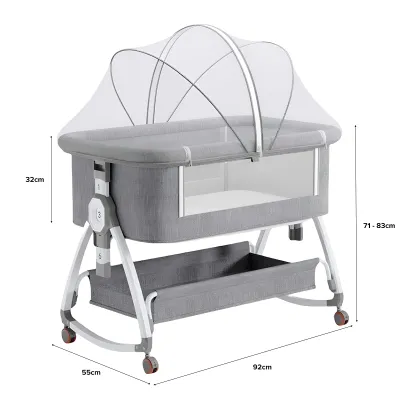
![[SG SELLER] BABY BED FOLDABLE PORTABLE LOUNGER NEST BED COT Baby Separated Bed Baby Cot Newborn Sleeper Sleep By Your Side](https://img.lazcdn.com/g/p/c41c8927ef30d1f6f6a1d479daeb9c05.jpg_400x400q80.jpg_.webp)
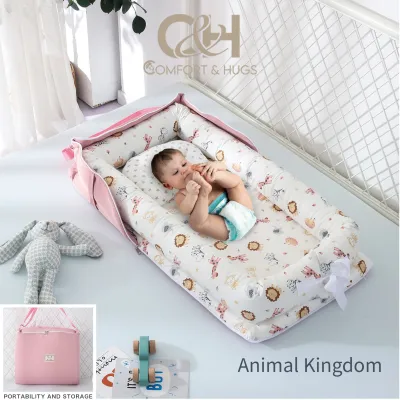
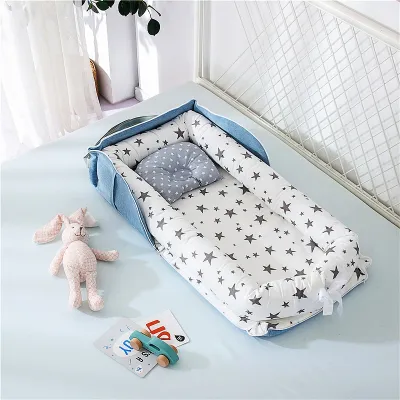

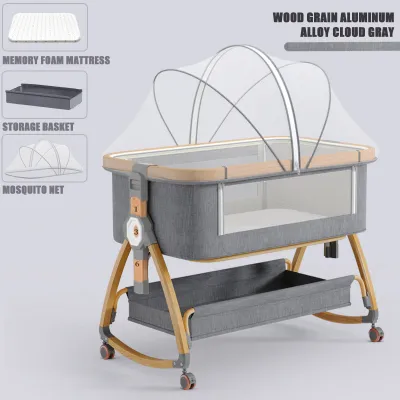
Prices are valid at publication and may change. Please refer to the product page for the latest price.
Under these regulations, suppliers and retailers are legally obligated to ensure that the newborn beds they import, distribute, or sell are safe and fit for purpose. This means that while there may not be a single, mandatory local testing certificate unique only to Singapore for cribs, products must comply with internationally accepted safety standards. The CPSO monitors the market, investigates safety complaints, and has the authority to issue product recalls or safety alerts if a baby bed is found to be hazardous.
Before finalizing your purchase, it is highly recommended to cross-check the product details against official safety alerts and recall lists published by the CPSO or international consumer protection portals. This step is particularly crucial if you are purchasing a newborn bed from an online marketplace or an overseas seller, as these platforms may sometimes list products that have not been fully vetted against local safety expectations.
Identifying Recognized International Safety Standards on Labels
When evaluating a newborn bed, look for specific certification codes on the product packaging, instruction manuals, or the bed frame itself. Reputable manufacturers subject their products to rigorous laboratory testing under established international frameworks. The most common and widely respected standards you will encounter in Singapore include European, American, and Australian/New Zealand frameworks.

For European standards, look for the code EN 716 (specifically EN 716-1 and EN 716-2), which outlines safety requirements and test methods for children’s cots and folding cots for domestic use. If you are looking at American products, the standard to verify is ASTM F1169 for full-size baby cribs, or ASTM F406 for non-full-size cribs and play yards. For products imported from Australia or New Zealand, the relevant standard is AS/NZS 2172, which enforces strict structural and design requirements.
These international standards evaluate several critical safety dimensions to protect your infant. They test the structural integrity of the frame under simulated stress, ensure that the materials used are non-toxic and lead-free, and verify that the spacing of the slats prevents a baby’s head or limbs from becoming trapped. They also assess the height of the crib sides to prevent falls as your baby grows and becomes more active.
While a recognized standard mark is an excellent baseline indicator of quality and safety testing, it is important to remember that certifications are not an absolute guarantee of zero risk. A certified bed must still be assembled correctly according to the manufacturer’s instructions, paired with a compatible mattress, and used under appropriate caregiver supervision to maintain a safe sleep environment.
Performing Essential Physical Safety Checks Before Purchase
Even when a newborn bed carries the correct certification labels, performing your own physical safety checks provides an extra layer of reassurance. Whether you are examining a display model in a retail store or assembling the bed at home, there are several key areas you should inspect manually.
First, measure the spacing between the slats of the bed. The gap between any two slats must be narrow enough to prevent a baby’s head, neck, or torso from slipping through. A reliable physical reference is a standard soft drink can or a tennis ball, which measures approximately 60 millimetres in diameter. If you can easily pass a standard can between the slats, the gaps are too wide, and the bed poses a serious entrapment hazard.
Second, run your hands along all surfaces of the bed frame to check for smooth finishes. There should be no sharp edges, rough wooden splinters, or peeling paint. Inspect all hardware, including screws, bolts, brackets, and wooden dowels. Ensure that all fasteners are completely flush with the frame and tightly secured, with no protruding parts that could snag your baby’s clothing, swaddle, or sleep sack.
Third, verify the mattress fit within the bed frame. A mattress that is too small leaves dangerous gaps along the sides or corners where a newborn can slip and become trapped. To test this, use the two-finger rule: insert your index and middle fingers between the edge of the mattress and the side of the crib. If you can fit more than two fingers into the gap, the mattress is too small for that specific bed frame, and you must select a larger, more compatible mattress.
Finally, assess the overall stability of the bed by giving it a firm, gentle shake. The frame should feel solid and wobble-free. If the bed features adjustable mattress base heights, drop-gates, or folding mechanisms, test these features multiple times. Ensure that all locking mechanisms engage securely and cannot be accidentally disengaged by a child’s movement or a simple bump.
Spotting Red Flags and Knowing When to Stop Use
As your baby grows, or as a newborn bed ages, regular maintenance checks are necessary to ensure the sleep space remains secure. Recognizing early warning signs of structural compromise or non-compliance allows you to take immediate action to protect your child.
A major red flag is the complete absence of safety labels, manufacturer contact information, or model numbers on the product. If a seller cannot provide verifiable proof of compliance with recognized safety standards, or if the packaging lacks clear assembly instructions, it is safest to avoid the product entirely. Unbranded or generic beds sourced from unverified online sellers often bypass critical safety evaluations.
Regularly inspect the bed for physical wear and tear. Look for loose joints that continue to wobble even after you have tightened the hardware, as this indicates that the screw threads or wooden dowels have stripped or degraded. Keep an eye out for hairline cracks in plastic joints, splintering wood, or chipped paint. If your baby has begun teething, they may chew on the crib rails, making non-toxic finishes and teething guards highly important.
If you discover any broken slats, failing locking mechanisms, or missing original hardware, you must stop using the bed immediately. Do not attempt to repair the bed using makeshift solutions, such as hardware store screws that do not match the original specifications, household adhesives, or tape. These temporary fixes can fail unexpectedly under pressure. Instead, contact the manufacturer for authorized replacement parts, consult a qualified professional, or transition your baby to a new, fully compliant sleep space.
Frequently Asked Questions (FAQ)
Are second-hand newborn beds safe if they meet older standards?
Using a second-hand newborn bed requires extreme caution, even if it was certified under older safety standards. Over time, safety guidelines evolve to address previously unrecognized hazards. For example, drop-side cribs—which feature a side rail that slides down—were once highly popular but are now widely discouraged or banned internationally due to risks of mechanical failure and infant entrapment. Additionally, older beds may have suffered invisible wear, missing hardware, or wood degradation from improper storage. If you choose to use a pre-owned bed, verify its original manufacturing date, ensure you have the complete original instruction manual and all original hardware, and cross-reference the model number against international recall databases to confirm it has not been flagged as unsafe.
Do bassinets and bedside sleepers require the same certifications as cribs?
Bassinets and bedside sleepers do not share the exact same certification standards as full-size cribs because they are designed for a different developmental stage and temporary use. While full-size cribs are tested under standards like EN 716 or ASTM F1169, bassinets and bedside sleepers are evaluated under specific standards such as EN 1130 or ASTM F2194. These standards focus on factors unique to smaller sleep spaces, such as base stability, breathable mesh walls to prevent suffocation, and secure attachment straps for bedside sleepers to prevent gaps from forming between the adult bed and the baby’s mattress. Always check the manufacturer’s documentation for specific weight limits and developmental milestones—such as when your baby begins to roll over or push up on their hands—to know exactly when to stop using a bassinet and transition them to a full-size crib.
Community discussion
Share your experience or ask a question. Comments are reviewed before publication.