
When buying a newborn bassinet in Singapore, parents must verify that the product complies with recognized international safety standards and physically inspect its structural integrity. Because Singapore does not have a single, mandatory local safety mark specifically for baby bassinets, ensuring a safe sleep environment relies on checking manufacturer declarations, verifying international testing certifications, and strictly adhering to usage guidelines.
In Singapore’s warm, humid climate and typically compact high-rise apartments, choosing a safe, breathable, and space-efficient bassinet is a priority for new parents. However, safety must always come before aesthetics, convenience, or trending designs. Understanding what to look for on the product label and how to inspect the physical unit will help you create a secure sleeping space for your newborn.
Understanding Bassinet Safety Regulations in Singapore
Unlike car seats or certain household electrical appliances that require specific local registration marks in Singapore, baby bassinets and nursery furniture do not fall under a single mandatory local safety certification mark. Instead, consumer goods in Singapore are generally regulated under broad consumer product safety regulations managed by Enterprise Singapore. This means the responsibility often falls on parents to verify that a bassinet meets rigorous safety criteria.
Products mentioned in this guide
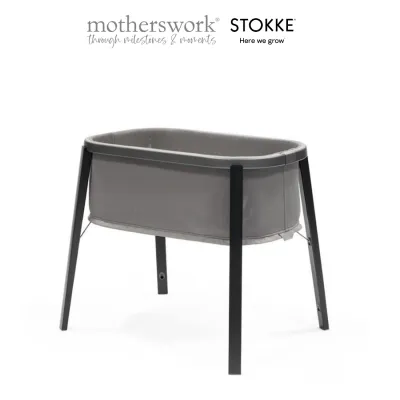
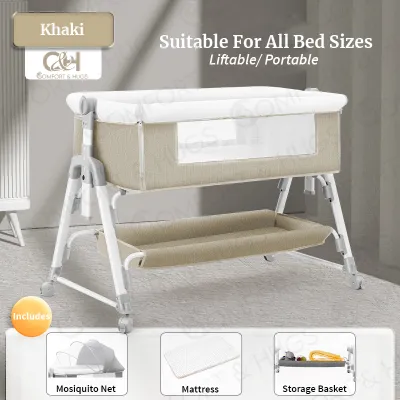
![[FREE GIFT] Mastela 6 in 1 Deluxe Multi-Functional Baby Bassinet (Oval)](https://img.lazcdn.com/g/p/0d5274b4750543041b9c68de774d27d0.jpg_400x400q80.jpg_.webp)
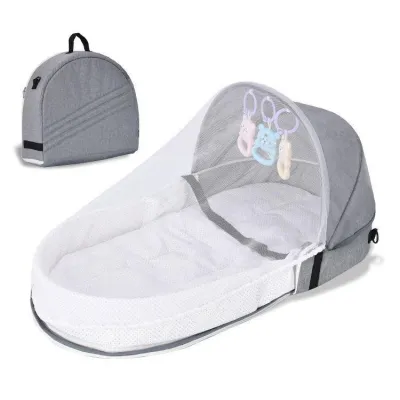
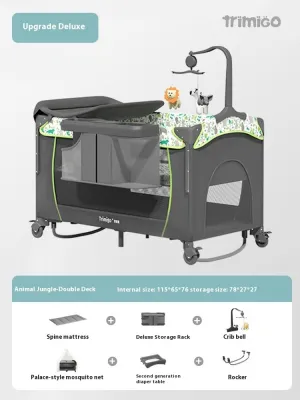
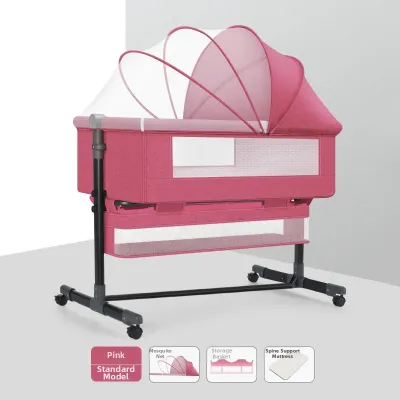
Prices are valid at publication and may change. Please refer to the product page for the latest price.
Because there is no dedicated local certification mark for baby cribs or bassinets, parents should rely on reputable retailers, official manufacturer declarations, and established international testing standards. Purchasing from well-known, established brands that document their testing processes is highly recommended over buying unbranded products from online marketplaces.
Always check the product packaging, labels, and instruction manuals for explicit compliance statements before purchasing or assembling the unit. A reputable manufacturer will clearly state which international safety standards the product has been tested against, providing peace of mind for your baby’s sleep environment.
Recognized International Safety Marks to Verify
Since local certifications are not specific to bassinets, parents should look for globally recognized safety standards. For products imported from Europe, look for compliance with EN 1130, which is the European safety standard specifically for cribs and cradles. This standard covers rigorous testing for stability, strength, and the prevention of entrapment hazards.

For products from the United States, look for ASTM F2194, the standard consumer safety specification for bassinets and cradles. Additionally, look for certification by the Juvenile Products Manufacturers Association (JPMA), which indicates that the product has been independently tested in an accredited laboratory to meet safety requirements.
To ensure these claims are genuine, cross-reference the model number found on the bassinet’s physical label with the manufacturer’s official website or certification databases. Genuine safety certifications require independent laboratory testing, which reputable brands will openly document and share with consumers.
Avoid relying on vague marketing terms such as “safety tested,” “pediatrician approved,” or “certified safe” if they do not specify the exact standard code, such as EN 1130 or ASTM F2194. These phrases are often used loosely in marketing materials and do not guarantee that the product has undergone independent, standardized safety testing.
Essential Physical and Structural Safety Checks
Physical inspection is crucial, especially when assembling the bassinet at home. First, inspect the mattress. It must be firm, flat, and fit snugly inside the bassinet. There should be no gaps wider than two fingers between the mattress edge and the bassinet walls to prevent a newborn from becoming trapped or suffocated.
Check the overall stability of the frame. The base must be wide and sturdy to prevent tipping, and any folding or height-adjustment mechanisms must lock securely into place. Ensure there are no sharp edges, rough wooden surfaces, or small detachable parts that could pose a choking hazard to a curious infant.
In Singapore’s humid climate, breathability is essential for both comfort and safety. Verify that the side walls are made of breathable mesh fabric and that there is no thick, soft padding or loose decorative fabric inside the sleep area. These materials increase the risk of suffocation and can trap heat, making the sleep environment uncomfortable for your baby.
If the bassinet has wheels or castors, ensure they have a reliable locking mechanism. The locks should be engaged whenever the bassinet is stationary to prevent accidental movement, especially if you have older children or pets in the home who might bump into the furniture.
Weight Limits, Age Milestones, and Transitioning
A bassinet is a temporary sleep solution designed only for the first few months of a baby’s life. Always locate and read the manufacturer’s printed label to find the specific maximum weight and height limits. These limits vary significantly between different models and must never be exceeded under any circumstances.
Developmental milestones are even more critical than weight limits. Stop using the bassinet immediately once your baby shows signs of rolling over, pushing up on their hands and knees, or sitting up, even if they have not reached the maximum weight limit. At this stage, the risk of the baby tipping the bassinet or climbing out increases dramatically.
Never use aftermarket mattresses, extra pillows, or unapproved accessories to modify the bassinet. The product is only tested and certified safe with the original mattress and parts provided by the manufacturer. Adding extra padding to make the bed “cozier” can create dangerous gaps and suffocation hazards.
Red Flags and When to Stop Use Immediately
Regularly inspect the bassinet throughout its period of use to identify signs of wear and tear. Upon purchasing, register the product directly with the manufacturer using the registration card or official website. This ensures you receive immediate notifications in the event of a product safety recall.
Watch out for physical red flags such as a sagging mattress base, loose screws, cracked plastic joints, broken locking pins, or torn mesh sides. In Singapore’s humid weather, also check regularly for any signs of mold or mildew on the mattress or fabric linings, which can develop quickly and impact your baby’s respiratory health.
If you discover any structural defect or safety issue, stop using the bassinet immediately and transition your baby to a safe alternative, such as a standard cot. Report the issue to the retailer and, if necessary, to local consumer protection authorities to help protect other families from potential hazards.
Frequently Asked Questions (FAQ)
Are second-hand or borrowed bassinets safe for a newborn?
Using a second-hand bassinet carries inherent risks, including missing assembly parts, outdated safety standards, and hidden structural damage from previous use or storage. If you must use a pre-owned bassinet, verify its manufacture date to ensure it meets current safety standards, and check the manufacturer’s website for any active recalls associated with that specific model number.
Ensure you have the original instruction manual and all original hardware. Never attempt to DIY missing screws or brackets, and replace the mattress with a brand-new, manufacturer-approved mattress to ensure firmness and hygiene.
Do bedside sleepers need different certifications than freestanding bassinets?
Yes, bedside sleepers, which are bassinets with a lowering side that attach directly to an adult bed, require additional safety checks and certifications, such as compliance with ASTM F2906. You must verify that the attachment mechanisms, such as straps or anchors, are fully compatible with your specific adult bed frame and mattress type.
Carefully follow the manufacturer’s instructions to ensure there is absolutely no gap between the adult mattress and the bedside sleeper. Any gap poses a severe entrapment and suffocation risk, so the two sleep surfaces must be securely locked together without any space between them.

Community discussion
Share your experience or ask a question. Comments are reviewed before publication.