
To choose a genuinely natural baby laundry detergent, look for plant-derived surfactants (such as those sourced from coconut or corn) and plant-based enzymes, while avoiding optical brighteners, synthetic dyes, harsh sulfates, and undisclosed fragrances. Because front-label claims are often unregulated, the only reliable way to verify a detergent’s safety is by carefully reading the ingredient list on the back of the bottle and checking for transparent disclosures.
Decoding "Natural" Marketing Claims on Detergent Labels
Strolling down the baby care aisle can feel overwhelming, with dozens of bottles boasting terms like “natural,” “plant-based,” “hypoallergenic,” or “eco-friendly.” In many consumer markets, these front-label claims are largely unregulated, meaning brands can use them freely without meeting a strict, standardized legal definition. A detergent labeled “natural” might still contain synthetic fragrances, dyes, or harsh surfactants hidden deep within its formulation.
To find a truly gentle option for your baby, you must look past the marketing buzzwords on the front of the bottle and turn it over to inspect the ingredient list. Genuinely transparent brands will list every ingredient clearly, rather than using vague category terms like “active cleaning agents” or “biodegradable softeners.” Prioritizing products with full ingredient disclosure allows you to make informed decisions based on what actually touches your baby’s skin.
Products mentioned in this guide
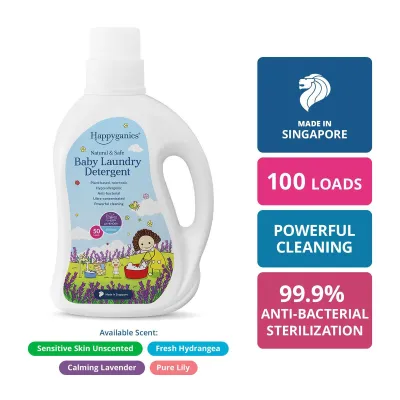
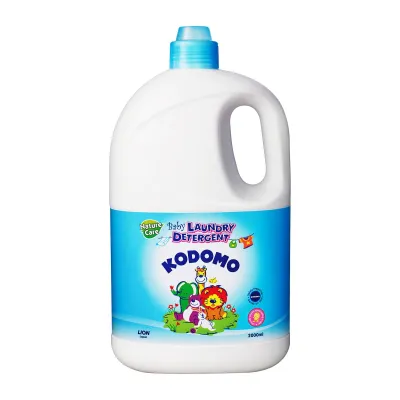
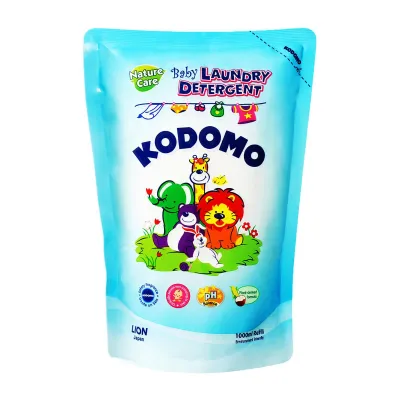
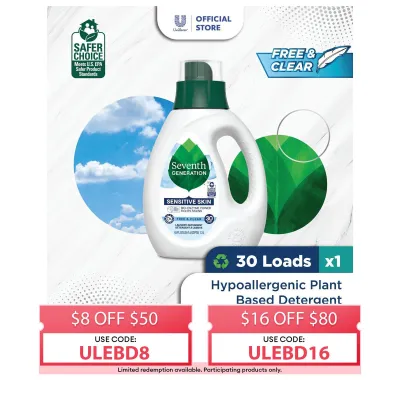
Prices are valid at publication and may change. Please refer to the product page for the latest price.
Keep in mind that ingredients are typically listed in order of concentration, from highest to lowest. If a brand claims to be plant-based but lists synthetic chemicals near the top of the list and plant extracts at the very bottom, the formulation may not be as natural as the packaging suggests. Taking a moment to read the back label ensures you are paying for actual quality rather than clever marketing.
Beneficial Ingredients to Look For on the Label
When scanning the ingredient list, look for mild, plant-derived surfactants that lift away dirt without stripping the natural moisture from your baby’s delicate skin barrier. Surfactants derived from coconut or corn, such as coco-glucoside, decyl glucoside, and lauryl glucoside, are excellent choices. These ingredients lower the surface tension of water, allowing it to wet fabrics more effectively and wash away soils while remaining exceptionally gentle on sensitive skin.

Another key group of beneficial ingredients is plant-based enzymes. Baby clothes are prone to organic, protein-based stains from breast milk, formula, spit-up, and baby food. Enzymes like protease (which targets proteins), amylase (which targets starches), and lipase (which targets fats) break down these stubborn stains at lower washing temperatures, allowing you to clean clothes thoroughly without relying on harsh hot-water cycles or aggressive chemicals.
Liquid detergents require preservatives to prevent the growth of bacteria, mold, and yeast inside the bottle over time. When choosing a natural detergent, look for food-grade or skin-friendly preservatives such as potassium sorbate or sodium benzoate. These ingredients keep the formulation stable and safe to use throughout its shelf life without introducing the skin-sensitizing risks associated with older, formaldehyde-releasing preservatives.
Common Irritants and Ingredients to Avoid
Just as important as knowing what to look for is knowing what to avoid. Optical brighteners are synthetic chemicals designed to remain on fabrics after washing to reflect light and make clothes appear whiter and brighter. Because these chemicals are formulated to stay trapped in the fibers, they remain in constant contact with your baby’s skin, which can easily trigger irritation, redness, and itching.
Synthetic dyes are another unnecessary additive used solely for aesthetic appeal. These colorants serve no functional purpose in cleaning and represent a common source of contact dermatitis for infants with sensitive skin. Similarly, harsh synthetic surfactants like sodium lauryl sulfate (SLS) or sodium laureth sulfate (SLES) should be avoided, as they can strip the skin’s natural lipid barrier, leading to dryness and flaking.
An infant’s skin is significantly thinner and more permeable than adult skin, making it far more vulnerable to chemical absorption and irritation. Fragrances are among the most frequent culprits behind skin reactions and respiratory sensitivities in babies. When a label simply lists “fragrance” or “parfum,” it represents a proprietary blend of chemicals that may include phthalates and undisclosed allergens. Opting for truly fragrance-free detergents is the safest path for newborns; if you prefer a scent, look for brands that transparently disclose the specific natural essential oils or plant extracts used, and verify that your baby does not react to them.
How to Verify Safety and Suitability Before Buying
To validate a detergent’s safety profile, look for recognized third-party certifications and testing labels on the packaging. While these seals are not absolute guarantees of safety, they indicate that the formulation has undergone independent review. Look for labels indicating dermatological testing, pediatrician approval, or certifications from recognized allergy and asthma organizations.
Additionally, always verify the manufacturer’s recommended dosage and usage instructions on the packaging. Using too much detergent—even a natural one—can leave a soapy residue on fabrics that traps dirt and irritates sensitive skin. Following the exact instructions helps maintain fabric integrity and protects your baby’s skin.
If your baby has a history of severe eczema, dry patches, or highly sensitive skin, it is wise to perform a patch test before washing an entire load of laundry. Wash a single small item, such as a security blanket or a bodysuit, in the new detergent. Have your baby wear or use the item for a day while you monitor their skin for any signs of redness, bumps, or irritation.
Always remember that every baby’s skin is unique, and even natural ingredients can occasionally cause a reaction. If you notice persistent skin rashes, hives, or dry patches that do not clear up, stop using the detergent immediately. Wash the baby’s clothing in plain water to remove any lingering residue, and consult a pediatrician or dermatologist to identify the underlying cause and receive professional guidance.
Frequently Asked Questions (FAQ)
Do You Need a Separate Detergent for Baby and Adult Clothes?
You do not necessarily need to run separate laundry loads if you transition the entire household to a gentle, fragrance-free, plant-based detergent. Using a single, skin-friendly detergent for everyone’s clothes is highly convenient and ensures that your baby does not react to residues left on your own clothing when you hold them. However, you should wash baby clothes separately if adult garments are heavily soiled with grease, mud, or harsh workplace chemicals that require heavy-duty, conventional detergents.
Can Natural Detergents Effectively Remove Tough Baby Stains?
Yes, natural detergents formulated with plant-based enzymes are highly effective at breaking down organic baby stains like formula, purees, and diaper blowouts. To get the best results, pre-treat stubborn stains as soon as possible by rinsing the fabric in cold water and applying a small dab of the liquid detergent directly to the spot. Gently rub the fabric together and let it sit for a few minutes before washing according to the garment’s care label instructions.
Community discussion
Share your experience or ask a question. Comments are reviewed before publication.