
Finding a safe, secure spot for every passenger in a family vehicle can be a structural puzzle, particularly when you need to place a child restraint in the center rear position. If you are trying to fit three car seats across a single row or simply want to utilize the safest spot in the vehicle—the middle seat—you will quickly run into physical space limitations. To solve this common parenting dilemma, you need a specialized narrow booster seat designed specifically to navigate tight vehicle spaces. This guide explores the physical mechanics of the rear seat, the critical design features that enable a secure fit, and how to verify that your chosen booster seat meets all safety guidelines before you head out on the road.
Understanding the Middle Seat Challenge for Booster Seats
The rear middle seat of most passenger vehicles presents a unique set of design challenges that make installing any child safety seat difficult. While outboard seats are designed with generous width and contoured cushioning to accommodate adult passengers, the center seat is frequently treated as an afterthought, resulting in a significantly narrower footprint. This restricted width means that standard, wide-profile booster seats often overhang the edges of the seat cushion or crowd the adjacent passengers, making a comfortable and safe three-across seating arrangement nearly impossible to achieve.
Beyond the narrow cushion itself, the configuration of seat belt buckles in the center position introduces a major installation obstacle. Because booster seats rely entirely on the vehicle’s three-point seat belt system to secure both the child and the seat, clear access to the buckle is non-negotiable. In many vehicles, the center buckle stalk is recessed deep into the seat bight or positioned extremely close to the outboard buckles. A wide booster seat base can easily cover these buckle paths, forcing caregivers to struggle to reach the buckle or, worse, causing the booster to sit crookedly on top of the buckle hardware, which can damage the components and compromise safety.
Products mentioned in this guide
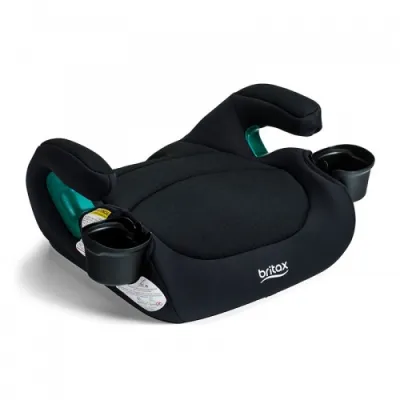
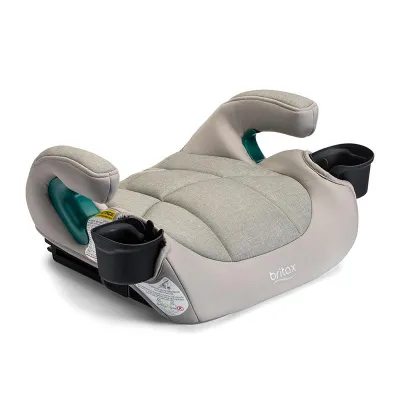
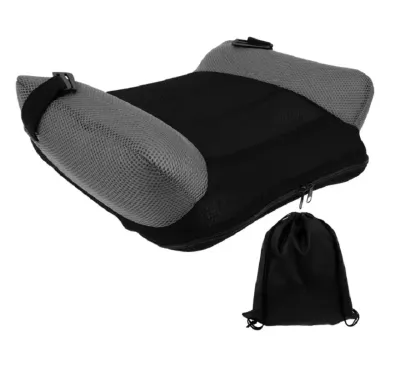
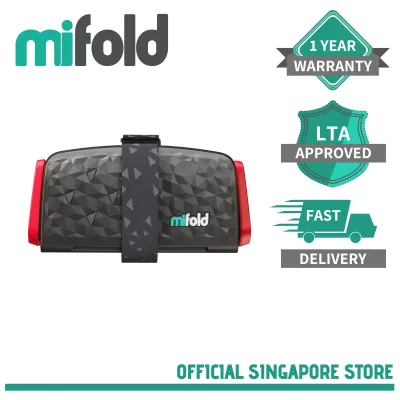
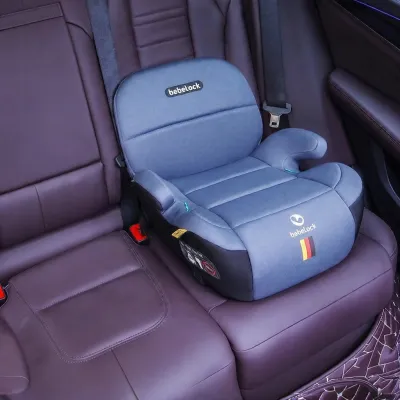
Prices are valid at publication and may change. Please refer to the product page for the latest price.
The physical contouring of the vehicle’s rear bench seat further complicates center-seat installations. Many modern cars, particularly compact SUVs and sedans popular in urban environments like Singapore, feature a prominent center hump or use firmer, less forgiving foam in the middle position to accommodate the vehicle’s driveshaft or exhaust tunnel underneath. When you place a booster seat on this uneven surface, the seat may wobble, tilt, or fail to make flat, continuous contact with the seat cushion, directly affecting its stability during sudden braking or sharp turns.
These physical challenges directly intersect with a fundamental car seat safety rule: a booster seat must never overhang the edge of the vehicle seat cushion unless explicitly permitted by the manufacturer. Overhang reduces the contact area between the booster and the vehicle seat, which can cause the booster to shift or tip during a collision, altering the path of the seat belt and increasing the risk of injury. Ensuring that the entire base of the booster sits flat and secure within the narrow boundaries of the middle seat is essential for protecting your child in a crash.
Key Features to Look for in a Narrow Booster Seat for Middle Seat Use
To successfully navigate the tight confines of the rear center seat, you must carefully evaluate the physical dimensions and design features of potential booster seats. The most critical specification is the booster’s base width and overall footprint. You should measure the flat, usable width of your vehicle’s center seat cushion—excluding any sloped bolsters—and compare this directly to the booster’s widest point. Seeking a booster with a tapered base that is narrowest at the rear can help the seat slide neatly between adjacent car seats or seat belt buckles.

Another vital design element is the armrest configuration. While high, wide armrests can provide a comfortable resting spot for a child’s arms, they significantly increase the overall width of the booster and often block access to the seat belt buckle path. For middle seat installations, look for boosters with an armless design or those featuring retractable, folding, or highly streamlined armrests. These designs allow the vehicle’s seat belt to be threaded and buckled with minimal effort, ensuring a smooth, unhindered belt path that lies flat across the child’s lap.
The design of the seat belt guides on the booster seat also plays a crucial role in ensuring a proper fit. A high-quality narrow booster must feature open, accessible shoulder and lap belt guides that do not require extra lateral space to thread the seat belt. In tight three-across setups, guides that are difficult to access or require the belt to be pulled at an extreme angle can lead to belt twisting or incomplete retraction, leaving dangerous slack in the seat belt system. The belt must glide freely through the guides to maintain constant, secure tension across the child’s body.
Finally, you must always verify the developmental limits and readiness of your child before transitioning them to any booster seat. Check the manufacturer’s label and instruction manual for the specific weight, height, and age requirements. Beyond physical size, your child must possess the behavioral maturity to sit properly for the entire duration of every journey without slouching, leaning sideways, or playing with the shoulder belt. If your child cannot maintain this safe posture, they should remain in a five-point harness car seat, which provides superior restraint and support.
Top Narrow Booster Seat Profiles for the Middle Seat
When shopping for a narrow booster seat, it is important to understand that exact dimensions, design features, and vehicle compatibility can vary significantly by model year and regional version. Manufacturers frequently update their product lines, meaning a model that fit perfectly in a previous vehicle model year may have different specifications today. Always verify the manufacturer’s current labels, instruction manuals, and your vehicle’s owner’s manual before making a final decision. The following profiles highlight the main categories of narrow boosters and how their designs address the middle seat challenge.
Backless Boosters for Maximum Space Saving
Backless booster seats are structurally the most compact and lightweight options available, making them highly effective for tight middle seat installations. By eliminating the bulky side-impact wings and headrest assembly found on high-back models, backless boosters minimize both the physical footprint on the seat cushion and the upper-body crowding of adjacent passengers. This streamlined profile allows them to slide easily into narrow center positions where a high-back booster simply would not fit.
Popular narrow-profile lines, such as the Graco TurboBooster series, are excellent examples of compact, space-saving designs. These models are engineered to provide the necessary height boost to ensure proper seat belt positioning while keeping the overall width of the base as slim as possible. Their lightweight construction also makes them highly portable, which is a convenient feature for families who frequently swap seats between vehicles or use point-to-point transport services.
The primary advantages of a backless booster are its minimal footprint, ease of handling, and lack of physical interference with the vehicle’s middle headrest. However, caregivers must weigh these benefits against critical safety trade-offs. Backless boosters offer no built-in side-impact protection or lateral head support. Consequently, they are only safe to use if the vehicle’s middle seat features an adequate, adjustable headrest that can be raised to support the back of the child’s head up to the top of their ears, protecting them from severe whiplash injuries in a collision.
High-Back Boosters with Slim Footprints
For younger children who still require the lateral support, torso positioning, and side-impact protection of a high-back model, finding a slim footprint is essential. High-back boosters are designed to keep the vehicle’s shoulder belt positioned correctly over the child’s collarbone, which is particularly important in middle seats where the upper seat belt anchor point may be positioned awkwardly high or far back.
Brands known for their narrower high-back designs, such as the Diono Monterey or Chicco KidFit lines, offer models engineered with tapered bases and adjustable side wings. These designs aim to provide robust head and torso protection while minimizing lateral bulk, allowing them to fit more comfortably alongside other car seats or adult passengers on the rear bench.
When installing a high-back booster in the middle seat, you must carefully check whether the wide upper headrest wings or side-impact cushions interfere with the vehicle’s middle headrest or the shoulders of adjacent passengers. As you raise the booster’s headrest to accommodate your growing child, the upper portion of the seat will expand upward and outward. It is crucial to measure the full vertical and horizontal clearance of your vehicle’s cabin to ensure the headrest can be fully adjusted without striking the roofline, C-pillars, or neighboring car seats.
All-in-One Car Seats with Narrow Booster Modes
For families seeking a single, long-term solution that grows with their child, certain all-in-one car seats transition from a harnessed seat to a belt-positioning booster while maintaining a remarkably slim profile. These multi-stage seats are engineered to maximize cabin space throughout the child’s car seat journey, making them highly versatile options for challenging rear-seat layouts.
Harness-to-booster seats with slim profiles, such as the Graco SlimFit or Diono Radian series, are designed specifically to address the needs of compact vehicles. In their booster modes, these seats maintain a narrow base and streamlined exterior panels, allowing them to slide into tight spaces where traditional, bulky multi-stage seats would fail to fit.
Before choosing an all-in-one seat for booster mode in the middle seat, you must carefully consult the product manual. Some manufacturers have entirely different installation rules, width requirements, and vehicle seat belt path restrictions for booster mode compared to their harnessed modes. Additionally, because these seats are constructed with heavy steel or reinforced plastic frames, they are significantly heavier and less portable than dedicated boosters, making them best suited for families who intend to leave the seat installed in the center position long-term.
How to Verify Fit and Safety Before You Buy
Ensuring a booster seat fits safely in your car’s middle seat requires a systematic approach. Never rely solely on product marketing or online reviews; physical verification is the only way to guarantee your child’s safety.
Before attempting any installation or adjustment, always check your vehicle’s owner’s manual and the booster seat manufacturer’s instructions. If the instructions from the vehicle manufacturer and the booster seat manufacturer conflict, or if you are unsure of the compatibility of either item, stop immediately and consult a certified Child Passenger Safety Technician (CPST) or the respective manufacturers before proceeding. Follow this step-by-step checklist to verify compatibility:
- Step 1: Measure the Middle Seat Dimensions: Use a firm measuring tape to measure the flat portion of the vehicle's middle seat cushion from the back bight to the front edge. Note the exact distance between the seat belt buckle stalks on either side of the center seat. This measurement represents the absolute maximum width your booster's base can occupy without interfering with the buckles.
- Step 2: Review the Vehicle Owner's Manual: Locate the child restraint section in your car's manual. Verify if the manufacturer permits the installation of booster seats in the center rear position. Some vehicles explicitly prohibit boosters in the middle due to unique seat belt designs, active safety features, or the presence of a prominent center console or floor hump.
- Step 3: Consult the Booster Seat Instructions: Read the booster seat manufacturer's manual to understand their specific installation requirements. Look for explicit rules regarding seat overhang (most manufacturers require 100% of the booster base to sit flat on the vehicle seat cushion) and instructions on using LATCH anchors. If the instructions conflict with your vehicle manual, always prioritize the more restrictive safety rule or consult a certified CPST.
- Step 4: Conduct a Hands-On Fit Test: Place the booster seat in the middle position and sit your child in it. Thread the vehicle's seat belt through the designated guides and buckle it. Check that the belt lies flat and snug across your child's collarbone (not their neck) and low across their hips (not their soft abdomen). Ensure the belt retracts smoothly when the child leans forward and back, and verify that the booster does not slide, tilt, or overhang the seat cushion.
Frequently Asked Questions (FAQ)
Can I use LATCH to install a booster seat in the middle?
Lower Anchors and Tethers for Children (LATCH) in a booster seat are primarily designed to secure the empty seat to the vehicle frame, preventing it from becoming a dangerous projectile in a crash when the child is not riding in it. The vehicle’s three-point seat belt remains the sole mechanism restraining the child. You must check both your vehicle and booster manuals, as middle seats rarely have dedicated LATCH anchors; borrowing anchors from outboard seats is generally prohibited unless explicitly permitted by both manufacturers.
Is it safe to use a backless booster in the middle seat?
It is only safe to use a backless booster in the middle seat if your vehicle’s center seat is equipped with an adequate, adjustable headrest that can support the back of your child’s head. The headrest must be tall enough to support the head up to the top of the child’s ears to prevent severe whiplash injuries in a collision. If your vehicle’s middle seat lacks a headrest or has a low, non-adjustable seatback, you must use a high-back booster to provide the necessary head and neck protection.
What if the booster seat slightly overhangs the middle seat edge?
If a booster seat overhangs the front or side edge of the vehicle’s middle seat, it is generally considered unsafe and is prohibited by almost all car seat manufacturers. Overhang reduces the contact area between the booster and the vehicle seat, which can cause the booster to tip, slide, or fail to absorb crash forces properly. If you observe any overhang during a test installation, you should immediately stop using that setup and select a narrower or shallower booster model that sits completely flush on the seat cushion.
Community discussion
Share your experience or ask a question. Comments are reviewed before publication.