
Finding the right nappy bag in Singapore is not about chasing a single, universally acclaimed winner. Instead, securing the highest value for your money depends entirely on your family’s daily transit habits, climate-specific needs, and long-term parenting plans. A parent who primarily navigates the MRT network with a compact stroller requires a vastly different setup than one who packs a large vehicle boot for weekend outings.
To make a smart investment, you must look past marketing labels and evaluate how different brand tiers balance cost against functional longevity. This guide establishes a practical comparison framework, breaking down market segments, essential features, and lifestyle alignments. By analyzing these factors, you can identify which category of nappy bag offers the most practical return on investment for your household.
Navigating Nappy Bag Brand Tiers and Price Expectations
The Singapore market features a wide array of nappy bags, which generally fall into three distinct price and quality tiers. Understanding what each tier offers helps you set realistic expectations and avoid overpaying for features you might not need.
Products mentioned in this guide
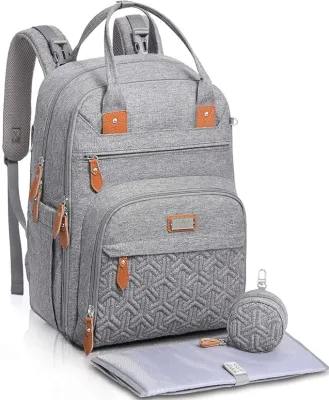
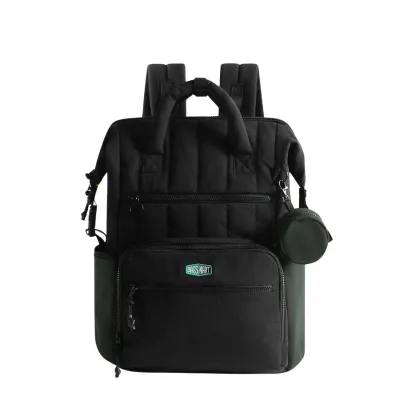
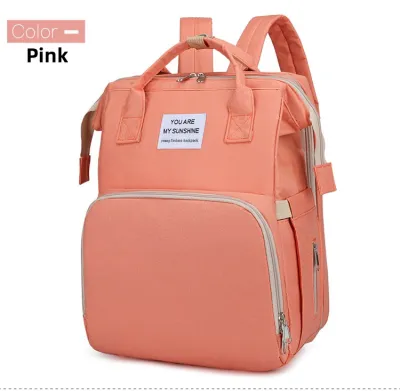
Prices are valid at publication and may change. Please refer to the product page for the latest price.
Budget-tier options, commonly found on major e-commerce platforms and generic retail sites, typically appeal to price-conscious shoppers. These bags focus on basic storage and are highly accessible, often priced at entry-level S$ rates. While they provide immediate utility with multiple pockets and lightweight synthetic fabrics, they frequently carry trade-offs. You may observe thinner interior linings, less robust stitching at high-stress points, and plastic zippers that are prone to catching or splitting under heavy loads.
Mid-range options represent specialized baby gear brands that design products specifically for the rigours of daily parenting. These bags command a moderate S$ investment but offer a substantial step up in material engineering. Here, you will find durable, water-resistant fabrics, reinforced seams, and ergonomic strap designs that distribute weight evenly. The focus in this tier is on functional longevity, ensuring the bag survives the toddler years and potentially subsequent children.
Premium and designer-tier bags occupy the highest price bracket, catering to parents who view a nappy bag as an extension of their personal wardrobe. These products utilize luxury materials such as premium vegan leather, high-grade canvas, or custom hardware. While they offer exceptional aesthetic appeal and sophisticated styling, the functional utility rarely exceeds that of a quality mid-range bag. When purchasing in this tier, a significant portion of your S$ investment goes toward brand prestige, exclusive designs, and high-end fashion alignment rather than raw utility.
The Value Checklist: Features to Compare Across Brands
To determine the true cost-per-use of any nappy bag, you must look beyond the brand logo and evaluate its physical construction. A standardized checklist allows you to compare different models objectively, regardless of their market tier.

Capacity and layout serve as the foundation of a bag’s utility. You should examine the volume of the main compartment and the accessibility of the individual pockets. Heavy packers who carry multiple changes of clothes, formula dispensers, and toys require structured, wide-opening compartments. Minimalists, on the other hand, may prefer a streamlined profile with fewer, highly targeted pockets to prevent the bag from becoming unnecessarily bulky.
Material selection and maintenance are critical factors, especially in Singapore’s warm, humid climate. Look for exterior fabrics that resist moisture and interior linings that you can easily wipe clean after spills. The base weight of the empty bag is equally important; a bag that feels heavy before you even pack it will quickly cause physical fatigue during long outings. Lightweight nylon or treated polyester often provides the best balance of durability and comfort.
Carrying comfort and versatility directly impact your daily experience. If you prefer a backpack style, check for thick, breathable mesh padding on the shoulder straps and back panel to prevent heat buildup. For those considering a tote or messenger style, verify that the straps are adjustable and slip-resistant. Additionally, look for dedicated stroller attachment straps or clips, which allow you to hang the bag securely from a handlebar and relieve your shoulders entirely.
Finally, calculate the value of included accessories. Many brands bundle their bags with changing mats, insulated bottle pockets, or detachable wet bags. If a bag lacks these items, you will need to purchase them separately, which increases your total expenditure. Conversely, if a premium bag includes accessories you already own, those additions do not contribute to its practical value.
Aligning Bag Design with Your Daily Transit and Lifestyle
A nappy bag only delivers true value if it integrates seamlessly into your daily routine. Matching the bag’s form factor to your primary mode of transit prevents daily frustration and physical strain.
For parents who rely on public transport, walking, or navigating crowded shopping malls, a lightweight backpack is highly practical. This design keeps your hands completely free to manage a stroller, hold a toddler’s hand, or tap transit cards at MRT gantries. A compact footprint is essential in these scenarios, ensuring you do not accidentally bump into other commuters in tight spaces. Easy-access side pockets are also invaluable for retrieving water bottles or wet wipes without needing to take the backpack off.
If your routine primarily involves driving, your priorities will shift toward storage volume and quick access. A wide-opening tote or a structured duffel bag works exceptionally well when you can easily toss it into a car boot or onto a passenger seat. These styles allow you to see all your gear at a glance, making it simple to grab a fresh diaper or a toy during a quick roadside stop. Because you do not have to carry the bag over long walking distances, you can opt for larger capacities without worrying about shoulder strain.
Caregiver sharing is another crucial lifestyle factor to consider before buying. If multiple family members, such as partners, grandparents, or helpers, will carry the bag, a neutral, unisex design is highly beneficial. Look for neutral color palettes and highly adjustable straps that can quickly adapt to different body heights and frames. Choosing a versatile design ensures the bag remains in active use, maximizing its overall value.
Decision Framework: Which Brand Tier Fits Your Family?
To finalize your decision, align your family’s immediate needs and long-term plans with the appropriate brand tier. This structured approach ensures you spend your budget where it matters most.
You should consider budget brands if you primarily need a temporary solution for the infancy stage, a secondary bag to leave at a grandparent’s house, or if you are working within a strict spending limit. These bags serve well for occasional use or short trips where extreme durability is not a necessity.
Mid-range specialized brands are the logical choice if you want a reliable, everyday workhorse. If you plan to use the bag daily for several years, navigate diverse environments, or use it for future siblings, the investment in robust zippers, water-resistant fabrics, and ergonomic support offers the highest long-term value.
Premium brands are suitable if you have a flexible budget and prioritize personal style alongside basic functionality. If maintaining a specific aesthetic during family outings contributes to your confidence and comfort, and you are comfortable with the higher S$ price point, a designer bag can be a satisfying purchase.
Before making any online purchase, always verify the retailer’s local policies. Check if they offer local warranties against manufacturing defects, clear return policies, or physical showrooms where you can inspect the bag in person. Testing the weight, zipper smoothness, and pocket layouts firsthand is the most reliable way to ensure the bag meets your expectations.
Frequently Asked Questions (FAQ)
Are expensive designer nappy bags worth the investment?
Designer bags are worth the investment if you highly value personal style, premium materials, and brand prestige. However, from a purely functional standpoint, they rarely outperform mid-range specialized bags. To determine if the higher S$ price is justified, check if the brand offers an extended warranty or uses exceptionally durable, weather-resistant materials that prolong the bag’s lifespan.
What is the most cost-effective nappy bag style?
Backpacks generally offer the most cost-effective utility because they distribute weight evenly across both shoulders, reducing physical strain during long outings. Convertible bags, which transition from a backpack to a tote or stroller bag, also provide excellent long-term value. They adapt easily as your child grows from a newborn needing heavy gear to an active toddler requiring minimal supplies.
How can I test a nappy bag's quality before buying online?
When shopping on e-commerce platforms, read customer reviews specifically looking for mentions of zipper failures, frayed seams, or strap detachment. Look for user-uploaded photos to inspect the quality of the interior lining and hardware. Additionally, verify the seller’s return policy so you can return the bag if the material feels flimsy or heavy upon arrival.
Community discussion
Share your experience or ask a question. Comments are reviewed before publication.