
Choosing the right diaper cream for your baby often comes down to understanding how different formulations interact with your child’s unique skin. When comparing Mustela diaper cream against popular alternatives like Sudocrem and Bepanthen, there is no single universal winner; the best choice depends on whether you need a heavy physical barrier, a soothing repair formula, or a lightweight daily preventative. This guide breaks down the core differences in ingredients, texture, and application to help you match the right product to your baby’s specific needs and your diaper-changing routine.
In Singapore’s warm and humid climate, trapped moisture inside a diaper can quickly lead to skin irritation. Finding a cream that balances effective protection with ease of use is essential for maintaining your baby’s comfort. By evaluating the active ingredients, physical characteristics, and practical application of each brand, you can establish a reliable diapering routine that keeps your baby’s skin healthy and dry.
Understanding the Core Formulations and Active Ingredients
To choose the right diaper cream, you must first look at the active ingredients listed on the product packaging. Different brands rely on distinct chemical and natural agents to protect and soothe delicate skin. Understanding these components allows you to select a product tailored to your baby’s current skin condition.
Products mentioned in this guide
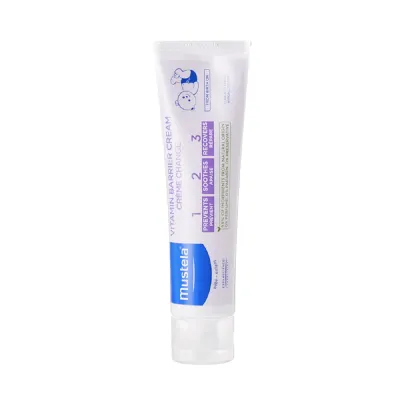
![Mustela Vitamin Barrier Cream 123 for Diaper Rash 100ml [Diaper Change Care] (exp: 09/2028 & beyond)](https://img.lazcdn.com/g/p/5c88ac90f90fcfb36d5b9fc0c103040f.jpg_400x400q80.jpg_.webp)
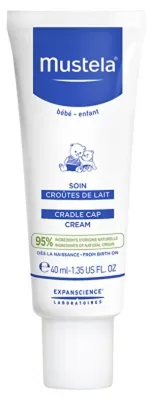
![[Mustela Bundle Deal] Vitamin Barrier Cream 100ml (exp: 09/2028 & beyond) [Nappy Diaper Change]](https://img.lazcdn.com/g/p/61712a4d61b56cc2dea6a22abdb562e0.jpg_400x400q80.jpg_.webp)
Prices are valid at publication and may change. Please refer to the product page for the latest price.
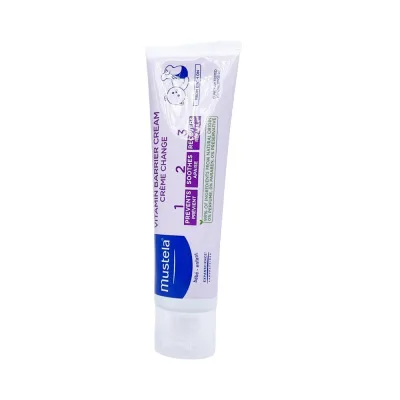
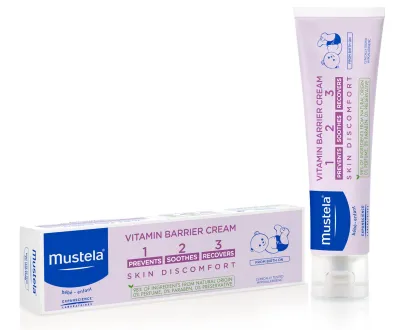
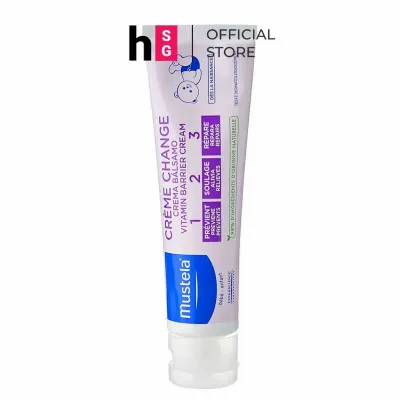
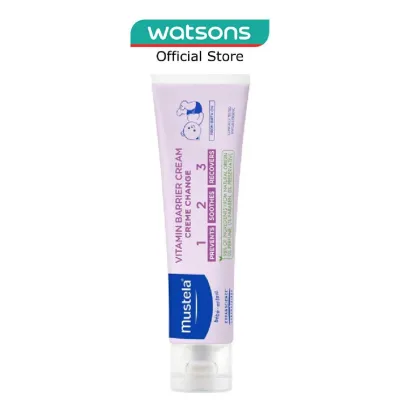
Mustela diaper cream, particularly the popular 123 Vitamin Barrier Cream, utilizes a formulation centered on zinc oxide combined with natural plant-derived ingredients. Zinc oxide is a classic skin protectant that creates a physical barrier against wetness and friction. Mustela complements this with proprietary botanical extracts, such as avocado perseose, which are designed to protect the skin barrier, and sunflower oil distillate to help soothe the skin. This combination aims to provide a balance of natural care and reliable physical protection.
Sudocrem relies heavily on a high concentration of zinc oxide set in an emollient base. It also contains ingredients like hypoallergenic lanolin, which acts as an emollient to soften the skin, and benzyl alcohol, which has mild local anesthetic and disinfectant properties to help reduce discomfort. This traditional formulation is designed to create a robust, water-repellent shield over highly irritated skin, making it a common choice for addressing active flare-ups.
Bepanthen takes a different approach by omitting zinc oxide entirely in its standard ointment formulation. Instead, its primary active ingredient is dexpanthenol, also known as provitamin B5. Dexpanthenol penetrates the skin to support the natural regeneration and repair processes from within. This active ingredient is suspended in a lipid-rich, breathable ointment base that keeps the skin hydrated without forming an opaque, chalky block.
When evaluating these formulations, parents should carefully check the packaging for added fragrances, preservatives, and potential allergens. While botanical extracts in products like Mustela are gentle for many, babies with highly sensitive skin or specific plant allergies may react to them. Similarly, the lanolin and benzyl alcohol in Sudocrem can occasionally trigger sensitivities in some infants. Reading the full ingredient list is a crucial first step before introducing any new cream to your diapering routine.
Comparing Texture, Application, and Cleanup
The physical texture of a diaper cream directly impacts how easy it is to apply during a diaper change and how much effort is required to clean it off later. A cream that is too thick can be difficult to spread over sensitive skin, while a cream that is too thin might not provide adequate protection.

Sudocrem is a very thick, dense, and paste-like formulation. Because of its high zinc oxide content and heavy emollient base, it requires some effort to spread evenly across the skin. While this thickness makes it an excellent physical barrier against moisture, it also makes cleanup more challenging. Removing residual Sudocrem during a diaper change often requires gentle wiping with baby oil or a damp, soft cloth, as standard water-based wipes may not easily dissolve the water-repellent layer.
Mustela diaper cream offers a middle ground in terms of texture. It is a white, creamy paste that feels substantial but spreads much more easily than denser zinc pastes. It leaves a visible, protective white layer on the skin, allowing you to easily see where the cream has been applied. During diaper changes, Mustela wipes away relatively easily with standard baby wipes, making it highly practical for quick, frequent changes throughout the day.
Bepanthen ointment has a greasy, translucent, and smooth texture. Because it lacks zinc oxide, it glides effortlessly onto the skin without any dragging or pulling, which is highly beneficial when applying cream to already tender or chafed areas. It does not leave a stark white residue, meaning you can easily monitor the skin underneath. However, its oily nature means it can leave a greasy film on your fingers, requiring a thorough hand wash after application.
To ensure effectiveness without wasting product, always check the manufacturer’s instructions for the recommended application thickness. Thick barrier creams like Sudocrem generally require only a thin, even layer to be effective. Applying an excessively thick layer of any cream does not increase protection and can make cleanup unnecessarily difficult for both you and your baby.
Evaluating Protection Levels and Skin Sensitivity
Matching the protective properties of a diaper cream to your baby’s current skin condition is essential for preventing and managing irritation. Different stages of skin sensitivity require different levels of barrier protection and soothing care.
For everyday prevention, a lightweight, breathable cream is often ideal. Mustela diaper cream is specifically formulated for daily use at every diaper change to prevent redness before it starts. Its balanced formulation protects the skin from wetness while allowing it to breathe, making it a suitable choice for maintaining healthy skin during routine daily wear.
When visible redness, chafing, or moderate irritation occurs, a stronger physical barrier or a targeted repair formula may be necessary. Sudocrem’s heavy zinc oxide barrier is highly effective at isolating irritated skin from the harsh enzymes found in urine and stool. This makes it a popular choice for overnight use, when diapers are worn for longer periods, or during episodes of diarrhea when the skin is highly vulnerable to chemical irritation.
If your baby’s skin is dry, peeling, or showing signs of mild cracking, a repair-focused ointment like Bepanthen can be highly beneficial. The provitamin B5 in Bepanthen supports the skin’s natural healing process, helping to restore the damaged skin barrier. Because it is breathable and deeply hydrating, it is well-suited for dry patches and chafed areas that require moisture retention to heal.
Regardless of the brand you choose, it is vital to monitor your baby’s skin closely. If you notice a worsening rash, broken skin, bleeding, pus, or signs of a secondary infection like extreme warmth or spreading redness, stop using the product immediately. These symptoms indicate a need to consult a pediatrician or healthcare professional for a proper diagnosis and targeted treatment.
For babies with highly sensitive skin, a history of eczema, or known allergies, always perform a safe patch test before full application. Apply a small, pea-sized amount of the cream to a patch of healthy skin on your baby’s inner arm or thigh. Observe the area for 24 hours; if any redness, swelling, or irritation develops, do not use the product on the diaper area.
Assessing Value and Purchasing Considerations
When evaluating the cost-effectiveness of diaper creams, looking solely at the upfront price of a package can be misleading. To find the true value, compare the price in S$ per gram or milliliter across different packaging sizes.
Diaper creams are typically packaged in either squeeze tubes or wide-mouth jars and tubs. Mustela and Bepanthen are primarily available in squeeze tubes, which are highly hygienic because they prevent direct contact with the remaining product inside. Tubes are also highly portable and easy to toss into a diaper bag for outings. Sudocrem is famously packaged in a grey tub, which allows you to easily scoop out the exact amount needed, though you must ensure your hands are freshly washed to avoid introducing bacteria into the jar.
To ensure product safety and authenticity, always purchase diaper creams from authorized pharmacies, official brand stores, or reputable online marketplaces in Singapore. Counterfeit skincare products can contain harmful ingredients or lack the active protectants necessary to keep your baby’s skin safe. Additionally, always verify the expiration date printed on the packaging, as expired creams may lose their efficacy or separate over time.
Decision Framework: Which Cream Fits Your Baby's Needs?
To help you make a final selection, consider this conditional framework based on your baby’s skin needs and your daily routine:
- Choose a zinc-heavy paste (like Sudocrem) if your baby needs a strong, water-repellent physical barrier, particularly for overnight protection, heavy wetters, or during episodes of diarrhea.
- Choose a provitamin B5 ointment (like Bepanthen) if you want to support natural skin repair for dry, chafed, or peeling skin, or if you prefer a translucent, easy-to-spread formula that does not leave a white residue.
- Choose a balanced botanical-infused zinc cream (like Mustela) if you are looking for an easy-to-apply, daily preventative cream that balances reliable barrier protection with simple cleanup during routine diaper changes.
Verify first if your baby has premature skin, extremely sensitive skin, or a history of severe dermatological conditions. In these cases, consult your pediatrician before introducing any over-the-counter diaper creams, as specialized or preservative-free formulations may be required.
Ultimately, no diaper cream can replace the foundation of good diapering hygiene. Consistent, gentle diaper-changing habits are the most effective way to prevent irritation. Ensure you change diapers frequently, clean the area gently with alcohol-free wipes or plain water, and always allow the skin to air-dry completely before applying a fresh layer of cream and putting on a new diaper.
Frequently Asked Questions (FAQ)
Can I use these diaper creams with cloth diapers?
Many traditional diaper creams can negatively affect the performance of cloth diapers. High concentrations of zinc oxide, petroleum, or mineral oils can build up on the fabric fibers, causing the diapers to repel moisture rather than absorb it, which leads to leaks. Sudocrem and Mustela contain zinc oxide, while Bepanthen contains heavy lipid bases that can stain or clog cloth fibers.
Before applying any of these creams, check your cloth diaper manufacturer’s warranty and care instructions. If you need to use a barrier cream while using cloth diapers, it is highly recommended to use a disposable or reusable flushable liner. This liner acts as a physical shield, preventing the cream from transferring directly onto the cloth diaper fabric and preserving its absorbency.
How often should I apply diaper cream?
The frequency of application depends on whether you are using the cream for daily prevention or to address active skin irritation. For daily prevention, applying a thin layer of a gentle cream like Mustela during your baby’s last diaper change before bed, or during times when diaper changes might be delayed, is often sufficient.
If you are managing active redness or irritation, you should apply the cream with every single diaper change to maintain a continuous protective barrier. Before applying a new layer, ensure the skin is completely clean and dry. Applying cream over damp skin can trap moisture against the skin, which can worsen irritation. Always follow the specific usage guidelines printed on your product’s packaging.

Community discussion
Share your experience or ask a question. Comments are reviewed before publication.