
Parents in Singapore seeking a convenient, no-rinse solution for quick clean-ups often turn to Mustela Cleansing Water. When caring for a baby’s delicate skin, verifying the regulatory status and safety profile of any skincare product is a vital first step. In Singapore, cosmetic products like baby cleansing waters do not undergo a pre-market approval process like prescription medicines; instead, they must be notified to the Health Sciences Authority (HSA) before they can be legally sold.
While Mustela is a globally recognized brand, safety for daily use is not a one-size-fits-all guarantee. Determining whether this specific cleansing water is suitable for your baby involves understanding how Singapore regulates cosmetics, verifying the product’s active notification status, and carefully evaluating its formulation against your child’s unique skin needs.
Understanding HSA Regulations for Baby Skincare in Singapore
When researching baby products in Singapore, it is common to encounter terms like “HSA-registered” or “HSA-approved.” However, it is crucial to understand the distinction between notified cosmetic products and evaluated therapeutic products. Under the Health Sciences Authority (HSA) guidelines, baby skincare items—including cleansing waters, lotions, and washes—are classified as cosmetic products. They do not undergo the rigorous pre-market evaluation, clinical trials, or official approval processes reserved for therapeutic medicines or medical devices.
Products mentioned in this guide
![Mustela No-Rinse Cleansing Water 300ml [Diaper Change Care][Hygiene] (exp: 09/2028 & beyond)](https://img.lazcdn.com/g/p/c8c141da429c2de837bbd59c8f20360c.jpg_400x400q80.jpg_.webp)
![[Mustela Bundle Deal] No-Rinse Cleansing Water 300ml (exp: 09/2028 & beyond [Diaper Change Care][Hygiene]](https://img.lazcdn.com/g/p/046906ecf79fdb749e1d9fa6aa4eb805.jpg_400x400q80.jpg_.webp)
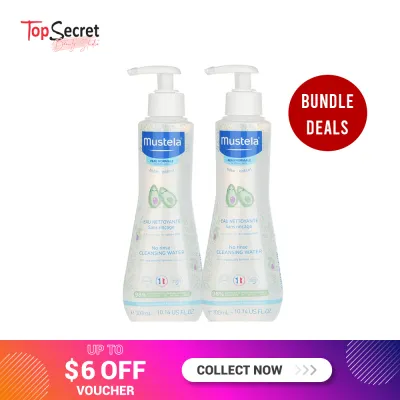
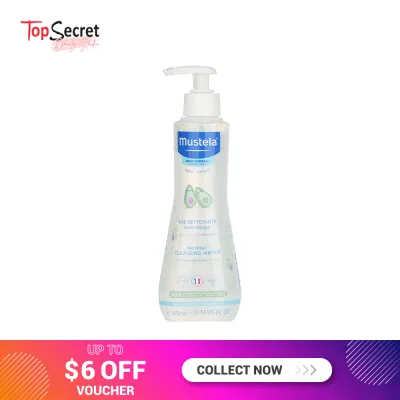
![[Mustela Bundle Deal] Soothing No-Rinse Cleansing Water (Fragrance-free) 300ml (exp: 06/2028) [Sensitive Skin] [Diaper Change Care]](https://img.lazcdn.com/g/p/5f7110be362f37b6b1857702c981d372.jpg_400x400q80.jpg_.webp)
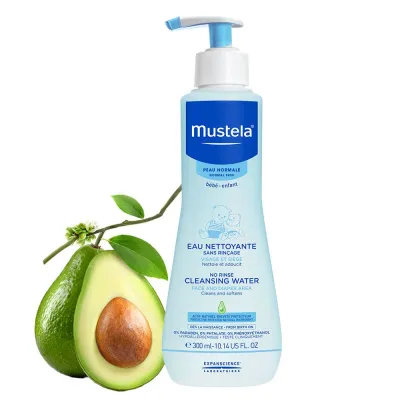
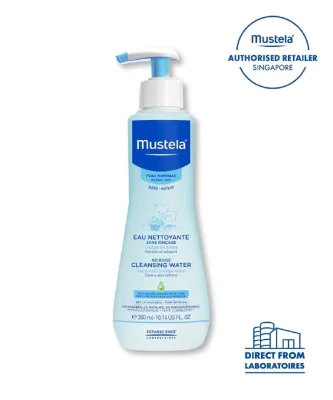
Prices are valid at publication and may change. Please refer to the product page for the latest price.
Instead, cosmetic products require a cosmetic product notification before they can be imported and sold locally. The company responsible for placing the product on the Singapore market must submit a notification to the HSA. This notification serves as a declaration that the product complies with the ASEAN Cosmetic Directive, meaning it does not contain prohibited substances, uses restricted ingredients only within safe limits, and is manufactured under hygienic standards.
While a valid cosmetic notification indicates that the importer has met these regulatory administrative requirements, it does not represent a safety guarantee or a clinical endorsement by the HSA. Regulatory clearance cannot predict how an individual baby’s skin will react. Factors such as genetic predisposition, existing skin conditions like eczema, and environmental triggers play a significant role in skin compatibility, meaning parents must remain vigilant even when using notified products.
How to Verify the HSA Status of Mustela Cleansing Water
Parents can independently verify whether a specific batch or version of Mustela Cleansing Water has been properly notified to the HSA. The HSA maintains a public, searchable online database of all notified cosmetic products in Singapore. To begin your search, visit the official Health Sciences Authority website and navigate to the “Search Registered/Notified Health Products” portal, ensuring you select the “Cosmetic Products” category.

When using the database, you can search using the brand name “Mustela” or the specific product name, such as “Mustela No-Rinse Cleansing Water.” Because product names can vary slightly depending on the importer or the specific formulation version, searching by the brand name is often the most reliable way to view all active notifications associated with the manufacturer.
As you review the search results, pay close attention to the status of the notification. An “Active” status indicates that the product is currently notified and legally permitted for sale in Singapore. If a status is listed as “Cancelled” or “Expired,” the product should not be sold, and parents should avoid purchasing those specific versions.
Additionally, you can cross-reference the information found online with the physical product packaging. Reputable retailers and authorized distributors in Singapore typically apply a local label to the packaging. This label should display the importer’s contact details, the full ingredient list in English, and occasionally the specific cosmetic notification number. If you purchase the product from online marketplaces or parallel importers, verifying these details becomes even more critical to ensure the product was legally declared and stored under appropriate conditions.
Evaluating Formulation Safety for Daily Baby Use
An infant’s skin barrier is significantly thinner and more permeable than an adult’s, making it highly sensitive to topical applications. When considering Mustela Cleansing Water for daily use, parents should carefully examine the ingredient list on the packaging. Formulations can change, so relying on historical knowledge or online reviews is not a substitute for checking the physical bottle in hand. Look for mild surfactants and skin-conditioning agents, and note whether the product contains added fragrances or botanical extracts.
While manufacturers often label their products with terms like “dermatologically tested” or “hypoallergenic,” these claims are self-declared based on the manufacturer’s own testing protocols. They indicate that the product has undergone testing to minimize the risk of allergic reactions, but they do not eliminate the risk entirely. Parents should treat these labels as helpful indicators rather than absolute safety guarantees.
Before introducing the cleansing water into your baby’s daily routine, performing a localized patch test is highly recommended. Apply a small amount of the product to a clean, discreet area of the baby’s skin, such as the inner forearm or behind the ear. Leave the product on without rinsing, and observe the area over a 24-to-48-hour period. Check for any signs of redness, swelling, dryness, or tiny raised bumps, which could indicate a localized sensitivity.
Usage frequency should also be adjusted based on your baby’s skin type and the local environment. In Singapore’s hot and humid climate, babies are prone to sweat rashes and friction irritation, particularly in skin folds. While a no-rinse cleansing water is highly convenient for quick clean-ups during diaper changes or outdoor outings, leaving mild surfactants on highly sensitive skin in a humid environment can sometimes cause dryness. If your baby has dry or eczema-prone skin, you may want to limit the use of no-rinse products to on-the-go situations and use plain water for routine cleansing at home.
Monitoring Skin Reactions and When to Seek Medical Advice
Even when using a properly notified and well-formulated product, parents must continuously monitor their baby’s skin for any adverse reactions. Early signs of contact dermatitis or irritation typically present as localized redness, dry or flaky patches, or a rough skin texture. You should also watch for behavioral cues; if your baby scratches the application area, rubs their face persistently, or becomes fussy during or after a diaper change, their skin may be experiencing discomfort.
If you suspect a skin reaction, the immediate step is to discontinue using the product. Gently cleanse the affected area with lukewarm, clean water to remove any remaining residue, and pat the skin dry with a soft, clean towel. Avoid applying other scented lotions, home remedies, or over-the-counter medicated creams to the irritated area, as these can exacerbate the reaction.
You should consult a pediatrician or a pediatric dermatologist if the skin reaction does not improve within a few days, if the redness spreads to other parts of the body, or if you notice signs of infection such as oozing, crusting, or open sores. Professional medical advice is essential to accurately diagnose the cause of the irritation and to receive safe, age-appropriate treatment recommendations.
While your baby’s skin barrier is recovering, simplify their skincare routine as much as possible. Use only plain water and soft cotton cloths for daily cleansing. If the skin requires moisturization, consult your healthcare provider for a basic, fragrance-free, hypoallergenic emollient specifically formulated for compromised infant skin.
Frequently Asked Questions (FAQ)
Can I use Mustela cleansing water on a newborn's face and eyes?
Before applying any cleansing water to a newborn’s face, you must carefully read the manufacturer’s product label for specific usage instructions and warnings. While many no-rinse cleansing waters are formulated to be gentle enough for facial use, the eye area is exceptionally delicate and prone to irritation. If the product label explicitly states it is safe for facial cleansing, apply a small amount of the liquid to a soft, clean cotton pad. Gently wipe the baby’s face, taking care to avoid direct contact with the eyes and eyelids. Never pour or spray the product directly onto the baby’s skin. If accidental eye contact occurs and causes redness or tearing, gently flush the eyes with clean water and monitor closely.
Does HSA registration mean the product is completely allergy-free?
No, an HSA cosmetic notification does not mean a product is completely allergy-free or guaranteed to be safe for every baby. The HSA notification process simply verifies that the importer has declared the product and that its ingredients comply with safety limits set by cosmetic regulations. It does not account for individual immune responses or specific skin sensitivities. Even natural, plant-derived ingredients—such as avocado extracts or botanical oils—can trigger allergic contact dermatitis or irritation in some infants. Continuous parental observation and conducting a patch test remain the most reliable ways to ensure any skincare product is safe for your specific baby’s skin.
Community discussion
Share your experience or ask a question. Comments are reviewed before publication.