
When shopping for baby care products in Singapore, many parents search for options that are “HSA-certified” to ensure maximum safety for their newborns. However, there is a common misunderstanding regarding how the Health Sciences Authority (HSA) regulates bath and skincare items. The HSA does not issue safety certificates or formal approvals for cosmetic products, including baby washes. Instead, these products must comply with strict local notification requirements before they can be legally imported and sold.
As for newborn safety, Mustela is a widely recognized brand that formulates many of its products specifically for delicate infant skin from birth. However, whether a specific Mustela body wash is safe and appropriate for your baby depends on their unique skin type, the particular product line you choose, and careful adherence to the manufacturer’s label instructions. Understanding how to navigate local regulations and evaluate skincare ingredients will help you make the safest choice for your baby’s bath routine.
Understanding HSA Regulations for Baby Wash in Singapore
The Health Sciences Authority (HSA) is the government agency responsible for regulating health and consumer products in Singapore. Under local regulations, baby body washes, shampoos, and lotions are classified as cosmetic products. Unlike prescription medications or medical devices, cosmetic products do not undergo a pre-market evaluation, testing, or formal “approval” process by the HSA before they hit the shelves.
Products mentioned in this guide
![Mustela Gentle Cleansing Gel for Hair & Body 500ml [Normal Skin][Bath Time] (exp: 07/2028 & beyond)](https://img.lazcdn.com/g/p/187ebd4ee7cf9e06c22ffa59a406b08b.jpg_400x400q80.jpg_.webp)
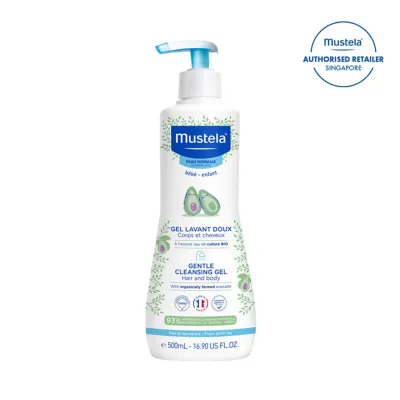
![Mustela 750ml Gentle Cleansing Gel for Hair & Body [Normal Skin][Bath Time] (exp: 09/2028 & beyond)](https://img.lazcdn.com/g/p/a5b23607fc071da227911af59a85951c.jpg_400x400q80.jpg_.webp)
![【Mustela Bundle Deal】Mustela 500ml Gentle Cleansing Gel for Hair & Body [Normal Skin] [Bath Time] (exp: 10/2028 & beyond)](https://img.lazcdn.com/g/p/4e8e3c555ee207e6053dd2e79901384b.jpg_400x400q80.jpg_.webp)
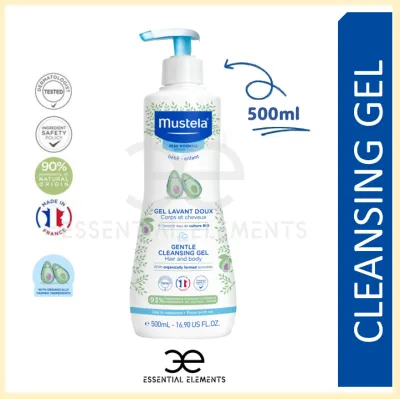
![[Mustela Bundle Deal] Gentle Cleansing Gel 500ml (exp: 07/2028 & beyond) Normal Skin][Bath Time]](https://img.lazcdn.com/g/p/0960c2f1c20c1bd0653da5b4d4b86766.jpg_400x400q80.jpg_.webp)
Prices are valid at publication and may change. Please refer to the product page for the latest price.
Instead of a certification system, Singapore utilizes a post-market surveillance and notification framework. Before any cosmetic product can be legally sold in Singapore, the local importer or manufacturer must submit a product notification to the HSA. This notification serves as a declaration that the product complies with the safety standards set by the ASEAN Cosmetic Directive (ACD), which prohibits or restricts the use of specific harmful ingredients.
Because there is no such thing as an official “HSA certified” stamp for cosmetics, parents should be cautious of sellers who use this terminology to market baby washes. A compliant product simply means the importer has successfully notified the HSA and assumed responsibility for its safety and quality. If a product is not properly notified, it is being sold illegally and may not meet the safety standards required in Singapore.
To verify the regulatory status of a baby wash, you can search the HSA’s online database of notified cosmetic products. Additionally, you can inspect the physical packaging of the product. Legitimate, authorized distributors in Singapore are legally required to print their contact details, including their company name and address, on the label. Checking for this local distributor label is a practical way to ensure the product has entered the country through official, regulated channels.
Is Mustela Body Wash Suitable for Newborn Skin?
Newborn skin is incredibly delicate and structurally different from adult skin. It is up to 30% thinner, loses moisture much faster, and has an underdeveloped skin barrier that is highly susceptible to environmental irritants. In a tropical, humid climate like Singapore, where babies frequently transition between hot outdoor air and cool, air-conditioned indoor environments, maintaining a healthy skin barrier is crucial to preventing dryness and irritation.

Mustela has built its brand reputation around pediatric dermatology, focusing on formulations designed to protect and support infant skin. Many of their cleansing products are formulated to be tear-free, pH-balanced, and composed of a high percentage of natural-origin ingredients. These general characteristics make the brand a popular choice among parents looking for gentle cleansing options for their infants.
However, parent-led suitability must go beyond brand reputation. Whether a specific Mustela wash is safe for your newborn depends entirely on the product line you select. For example, the standard Gentle Cleansing Gel is formulated for normal infant skin, whereas the Stelatopia Cleansing Cream is specifically designed for extremely dry or eczema-prone skin. Using a product formulated for normal skin on a baby with a compromised skin barrier could lead to unwanted dryness or irritation.
To ensure safety, always verify the age recommendations and usage instructions printed on the physical product bottle. Formulations can vary by region, and parallel-imported products purchased from unauthorized online marketplaces may not carry the same labeling or ingredient profiles as those distributed by authorized local partners. Reading the physical bottle in hand is the only reliable way to confirm that the specific formula is intended for newborns.
Decoding the Ingredient List for Infant Safety
Reading the ingredient list on a baby wash bottle is one of the most effective ways to protect your newborn’s skin. Ingredients are listed in descending order of concentration, meaning the components at the top of the list make up the majority of the product. For newborns, the goal is to look for minimal, highly gentle ingredients that cleanse without stripping the skin’s natural lipids.
Mustela products often incorporate mild, plant-derived surfactants, such as coco-glucoside, which cleanse the skin gently without the harsh stripping effects associated with sulfates like sodium lauryl sulfate (SLS). Many of their formulations also feature Avocado Perseose, a patented natural ingredient designed to help shield the immature skin barrier and preserve the skin’s cellular richness.
While natural ingredients are generally preferred, they are not inherently free from risk. Parents of highly sensitive newborns should carefully monitor ingredient lists for potential sensitizers. Synthetic fragrances, essential oils, and certain preservatives can trigger allergic contact dermatitis in sensitive infants. While Mustela offers fragrance-free options for very sensitive and eczema-prone skin, their standard lines do contain a signature fragrance, which may not be suitable for all newborns.
If your baby has a family history of allergies, asthma, or eczema, it is wise to exercise extra caution. Before introducing a new wash, cross-reference the ingredients listed on the physical bottle with advice from your pediatrician. They can help you identify specific compounds that might exacerbate your baby’s unique skin sensitivities, helping you avoid unnecessary discomfort.
How to Safely Introduce a New Body Wash to Your Baby
When introducing any new skincare or bathing product to a newborn, taking a cautious, step-by-step approach is the best way to prevent widespread skin reactions. Even products formulated specifically for infants can occasionally cause localized sensitivity. Performing a simple patch test before the first full bath is a highly recommended safety measure.
To perform a patch test, apply a tiny, diluted drop of the body wash to a small, discreet area of your baby’s skin, such as the inner arm or the side of the thigh. Gently rinse the area with lukewarm water after a brief moment, then pat dry. Monitor this specific spot over the next 24 hours for any signs of redness, swelling, dryness, or tiny bumps. If the skin remains clear and normal, you can proceed with using the product during regular bath times.
When you begin using the wash, practice safe bathing habits to protect your baby’s skin barrier. Keep bath times short, ideally between 5 and 10 minutes, as prolonged exposure to water can dry out newborn skin. Ensure the bathwater is comfortably lukewarm, measuring between 37°C and 38°C. Use only a small, pea-sized amount of the cleansing gel, and if the product label suggests diluting the wash directly in the bathwater, follow those instructions carefully.
Even when using a product labeled as “tear-free,” always take care to avoid direct contact with your baby’s eyes and mucous membranes. If accidental contact occurs, gently flush the eyes with clean, lukewarm water. After washing, ensure you rinse your baby’s skin thoroughly with clean water to remove any soap residue, then gently pat them dry with a soft towel rather than rubbing the skin.
Recognizing Skin Irritation and When to See a Doctor
Despite careful selection and patch testing, a newborn’s skin can occasionally react to new products. Being able to recognize the early signs of skin irritation allows you to take immediate action and prevent the condition from worsening. Irritation can manifest shortly after a bath or develop gradually after a few uses.
Watch for clear physical signs of contact dermatitis or localized irritation on your baby’s skin. These signs include localized redness, dry or flaky patches, raised red bumps or hives, peeling skin, or sudden rough textures. Additionally, pay attention to behavioral cues; if your baby becomes unusually fussy, cries, or scratches at their skin during or immediately after a bath, they may be experiencing discomfort or itching.
If you observe any signs of irritation, stop using the body wash immediately. Gently rinse the affected skin with plain, lukewarm water to remove any remaining product residue. Avoid applying any scented lotions, oils, or home remedies to the irritated area, as these can further inflame the skin. Keep the area clean and dry, and dress your baby in loose, breathable cotton clothing.
While mild redness often resolves on its own once the irritating product is removed, some situations require professional medical attention. Consult a pediatrician or a pediatric dermatologist if the rash spreads, looks angry or blistered, oozes, or does not improve after a few days of discontinuing the product. Always seek professional medical advice before applying over-the-counter medicated creams, and consult a doctor before introducing any new bathing products if your baby has a diagnosed skin condition like moderate-to-severe eczema.
Frequently Asked Questions (FAQ)
How can I verify a baby product's HSA notification status?
To verify if a baby wash has been properly notified in Singapore, visit the official Health Sciences Authority (HSA) website and use their online cosmetic product notification database. You can search the registry using the brand name or the specific product name. Alternatively, check the physical packaging of the product for a label containing the name and address of the local company responsible for importing and distributing the product, which indicates compliance with local notification laws.
Can I use Mustela body wash on my newborn's face and hair?
Whether you can use a Mustela body wash on your newborn’s face and hair depends entirely on the specific product formulation. Mustela offers multi-use products, such as 2-in-1 cleansing gels, which are formulated to be gentle enough for both the scalp and body. However, other specialized cleansing creams or body washes are designed strictly for body use. Always check the directions and warnings printed on your physical bottle to confirm if facial and hair application is recommended.
Is Mustela suitable for babies with eczema or highly sensitive skin?
Mustela has developed specialized product lines, such as the Stelatopia range, which are formulated and clinically tested specifically for extremely dry, sensitive, and eczema-prone infant skin. These products are fragrance-free and designed to help replenish essential skin lipids. However, because eczema triggers and severity vary for every child, you should always consult your pediatrician or pediatric dermatologist before introducing any new product to a baby with active eczema or a compromised skin barrier.
Community discussion
Share your experience or ask a question. Comments are reviewed before publication.