
When welcoming a newborn home in Singapore, choosing the right bathing products is one of the first decisions parents face. If you are considering Mustela body wash, you might wonder whether it is officially approved by Singapore’s Health Sciences Authority (HSA) and if it is safe for your baby’s delicate skin. To answer this directly: the HSA does not issue formal pre-market “approvals” for baby washes, as these products are regulated as cosmetics rather than therapeutic medicines. Instead, importers must submit a cosmetic product notification to the HSA before selling them locally. While Mustela formulations are widely recognized and designed with infant skin in mind, verifying the specific product’s notification status and checking its ingredient list remains a crucial step for every caregiver.
Newborn skin is significantly thinner and more permeable than adult skin, making it highly sensitive to environmental factors and topical applications. Because of this vulnerability, parents must look beyond brand reputation and understand how to verify regulatory compliance and ingredient safety independently. By learning how to navigate local regulatory databases and interpret product labels, you can make an informed decision that protects your baby’s skin barrier from unnecessary irritation.
How to Verify HSA Compliance for Baby Bath Products
The Health Sciences Authority (HSA) is the national regulatory body responsible for securing the safety, quality, and efficacy of health and cosmetic products in Singapore. Many consumers mistakenly believe that any product sold in retail stores has been “HSA-approved.” However, the HSA applies different regulatory pathways based on product classification. Therapeutic products, such as prescription medications and vaccines, undergo a rigorous pre-market evaluation and approval process. In contrast, cosmetic products—which include baby washes, shampoos, lotions, and soaps—are regulated under the ASEAN Cosmetic Directive. Under this framework, cosmetic products do not receive an official “approval” stamp from the HSA before they are sold. Instead, the local company (the importer or manufacturer) must submit a cosmetic product notification to the HSA. This notification must be completed before the product can be placed on the Singapore market.
Products mentioned in this guide
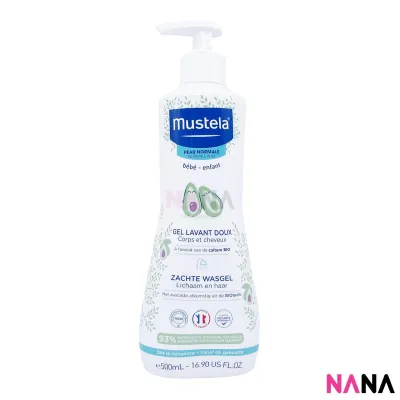
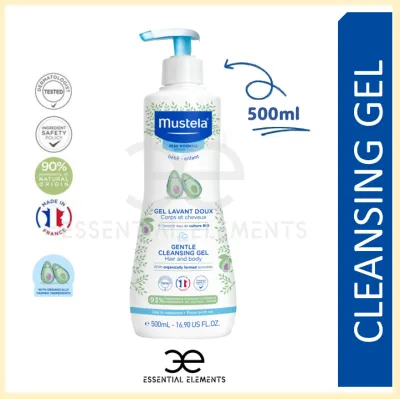
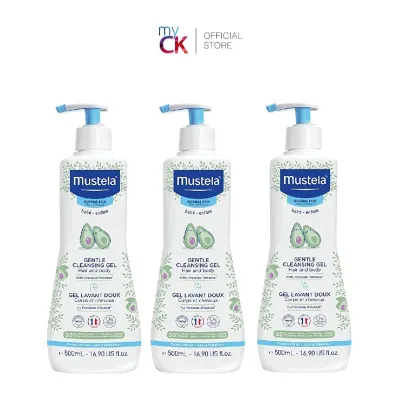
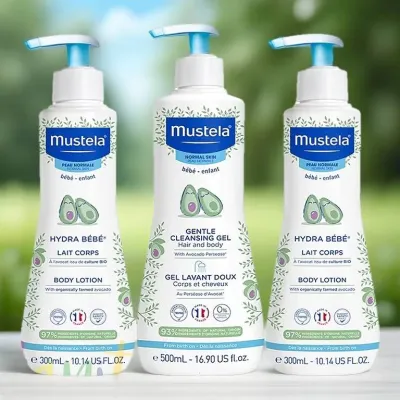
![[Mustela Bundle Deal] Gentle Cleansing Gel 500ml (exp: 07/2028 & beyond) Normal Skin][Bath Time]](https://img.lazcdn.com/g/p/0960c2f1c20c1bd0653da5b4d4b86766.jpg_400x400q80.jpg_.webp)
![Mustela 750ml Gentle Cleansing Gel for Hair & Body [Normal Skin][Bath Time] (exp: 09/2028 & beyond)](https://img.lazcdn.com/g/p/a5b23607fc071da227911af59a85951c.jpg_400x400q80.jpg_.webp)
![Mustela Nourishing Cleansing Gel with Cold cream [Dry Skin][Hydration] (exp: 09/2028 & beyond)](https://img.lazcdn.com/g/p/35b7aaadcb9c0d67bd1c820cd19f7e80.jpg_400x400q80.jpg_.webp)
Prices are valid at publication and may change. Please refer to the product page for the latest price.
The notification process requires the local company to declare the product’s ingredients, safety profile, and manufacturing standards. It is a declaration of compliance by the company, placing the legal responsibility on the importer or distributor to ensure the product is safe for consumer use. The HSA maintains a registry of these notifications and conducts post-market surveillance, which includes random product testing and monitoring adverse reaction reports. If a product is found to contain banned substances or causes adverse health effects, the HSA has the authority to order recalls and suspend sales.
To verify if a Mustela body wash variant has a valid notification, parents can access the public register on the HSA website. Navigate to the “Search Cosmetic Products” section. Here, you can input the brand name “Mustela” or the specific product name. The search results will display the notified product name, the company responsible for the notification, and the notification number. If you cannot find the product in the database, it could mean the product is a parallel import that has not been notified locally, or it may be sold under a slightly different regional name.
When purchasing Mustela body wash in Singapore, always inspect the physical bottle or box. Legitimate products imported by authorized distributors will almost always have an English label or sticker affixed to the packaging. This label should clearly state the name and address of the local distributor in Singapore. This information is vital because it identifies the entity responsible for the product’s safety and compliance under local laws. If you purchase a product from an online marketplace or an unauthorized seller, and it lacks this local distributor label, you may be dealing with a parallel import. While parallel imports are often genuine products manufactured for other markets, they bypass the local distributor’s quality control, storage standards, and direct accountability channels.
How to Check Mustela Ingredients for Newborn Safety
A newborn’s skin barrier is still developing, making it prone to dryness, irritation, and absorption of topical substances. Therefore, selecting a body wash requires a meticulous review of the ingredient list. Mustela offers several lines tailored to different skin types, including normal, dry, very sensitive, and eczema-prone skin. Parents must match the specific variant to their baby’s current skin condition.

Look for labels that explicitly state “tear-free” and “pH-balanced.” A tear-free formulation is designed to minimize eye irritation during bath time, which is essential for preventing distress in infants. The pH of newborn skin is slightly acidic, typically ranging between 4.5 and 5.5. Using a body wash that is pH-balanced helps maintain this natural acid mantle, which acts as a protective barrier against harmful bacteria and environmental irritants. Standard soaps often have an alkaline pH, which can disrupt this barrier and lead to severe dryness.
When reviewing the ingredient list on a bottle of Mustela body wash, parents should actively cross-check for substances that are known to cause irritation or allergic reactions in sensitive skin. Avoid products containing sodium lauryl sulfate (SLS) or sodium laureth sulfate (SLES). These surfactants are highly effective at creating lather but can strip the skin of its natural lipids, leading to dryness and irritation. Mustela formulations generally use milder, plant-derived surfactants (such as coco-glucoside) instead of harsh sulfates.
Parabens and phthalates are synthetic preservatives and plasticizers often excluded from modern baby formulations due to concerns over skin sensitivity and potential long-term exposure risks. Verify that the label states these are absent, and cross-check the ingredient list to ensure these preservatives are not present. Additionally, while the classic Mustela scent is beloved by many parents, synthetic or even natural fragrances can be a source of contact dermatitis for newborns, especially those with a family history of allergies or sensitive skin. If your newborn has highly reactive skin, it is safest to choose Mustela’s fragrance-free variants, which are specifically formulated for very sensitive or eczema-prone skin.
Many baby skincare products carry labels such as “dermatologist tested,” “pediatrician tested,” or “hypoallergenic.” These labels indicate that the manufacturer has conducted clinical evaluations under the supervision of medical professionals to assess the product’s skin compatibility. However, “hypoallergenic” is not a legal guarantee that a product will never cause an allergic reaction. It simply means the formulation has been designed to minimize the likelihood of an allergic response. Every infant’s skin is unique, and a product that is well-tolerated by one baby may still cause a mild reaction in another.
Safe Bathing Practices and When to Stop Using the Product
Before incorporating any new body wash into your newborn’s bath routine, performing a localized patch test is highly recommended. Apply a tiny amount of the diluted body wash to a small, discreet area of your baby’s skin, such as the inner forearm or behind the ear. Leave it on for a short period during a normal wash, rinse it off, and then observe the area for 24 hours. Look closely for any signs of redness, swelling, tiny bumps, or dryness. If the skin remains clear, the product is generally considered suitable for full-body use.
When bathing your newborn, less is always more. You do not need to apply the body wash directly from the bottle to the baby’s skin. Instead, dilute a small pump of the wash in the bathwater or lather it gently in your clean hands before applying it to the baby. Use a soft washcloth or your bare hands to cleanse the skin gently, avoiding vigorous scrubbing. Pay special attention to skin folds, such as around the neck, thighs, and diaper area, where moisture and residue tend to accumulate. After cleansing, ensure you rinse the baby’s skin thoroughly with clean, lukewarm water. Any leftover soap residue can dry out the skin and cause localized irritation over time.
Caregivers must remain vigilant during and after bath time. Stop using the body wash immediately if you observe any of the following signs:
- Persistent redness or localized flushing of the skin.
- Excessive dryness, flaking, or rough patches that appear after bathing.
- The development of a rash, hives, or small raised bumps.
- Unusual fussiness, crying, or scratching during or shortly after the bath, which may indicate itching or a burning sensation.
If your baby experiences an adverse skin reaction that does not clear up within a day or two after discontinuing the product, consult a pediatrician or a qualified healthcare professional. Additionally, if your newborn has a pre-existing skin condition, such as severe eczema, seborrheic dermatitis (cradle cap), or extremely dry skin, you should seek professional medical advice before introducing any commercial body wash. A pediatrician can recommend specific therapeutic cleansers or outline a tailored bathing regimen that supports your baby’s skin healing.
Frequently Asked Questions (FAQ)
Can I use Mustela body wash on a baby with eczema?
Standard baby body washes, even those formulated for sensitive skin, may not be suitable for infants experiencing active eczema flare-ups. Eczema compromises the skin barrier, making it highly susceptible to irritation from standard cleansing agents and fragrances. If your baby has eczema, you should look for specialized, fragrance-free formulations designed specifically for extremely dry or eczema-prone skin, such as those certified by recognized eczema associations. Always consult your pediatrician or a dermatologist before introducing a new product to eczema-prone skin, as they can guide you on whether a soap-free, non-foaming cleanser is more appropriate for your baby’s specific condition.
How often should I bathe my newborn with body wash?
Newborns do not require daily full baths with soap or body wash. In Singapore’s warm and humid climate, it is common to want to bathe babies frequently to keep them cool, but excessive washing can strip away the natural oils that protect their delicate skin barrier, leading to dryness and irritation. For the first few weeks, bathing your newborn two to three times a week with a mild body wash is generally sufficient. On other days, a simple wipe down using lukewarm water and a soft cloth to clean the face, hands, and diaper area is enough to keep them clean. When you do use a body wash, limit its application to areas that are prone to sweat and soil, such as the diaper area and skin creases, rather than washing the entire body with soap every time.

Community discussion
Share your experience or ask a question. Comments are reviewed before publication.