
Starting your baby on solid foods is a major developmental milestone, but choosing the right feeding utensils can quickly feel overwhelming. There is no single ‘best’ silicone spoon for weaning, as the ideal choice depends on your baby’s grasping ability, your feeding approach (parent-led vs. baby-led weaning), and your cleaning preferences. While Mushie spoons are widely recognized for their aesthetic appeal and seamless one-piece construction, other silicone options may offer specialized features like angled handles, choke guards, or specific textures. Evaluating these design differences, verifying safety claims independently, and matching the right spoon to your baby’s current developmental stage will help you make an informed decision that supports safe and comfortable self-feeding.
During the initial stages of weaning, your baby is not only learning how to swallow new textures but is also developing the fine motor skills required to hold and guide a utensil. The transition from breast or bottle to a spoon involves a steep learning curve. A spoon that is too deep can make it difficult for a baby to clear the food with their upper lip, while a handle that is too long or heavy can lead to frustration during self-feeding. By understanding how different design elements interact with your baby’s developmental milestones, you can select a tool that minimizes mess and encourages independence.
Understanding Silicone Spoon Designs for Weaning
Silicone has become a preferred material for baby spoons due to its soft, flexible nature, which is gentle on tender, teething gums. However, not all silicone spoons are engineered the same way, and their structural designs significantly impact daily usability. One of the first distinctions to consider is whether a spoon features a one-piece construction or a multi-part design. One-piece spoons are molded from a single continuous piece of silicone, leaving no seams, joints, or crevices where food particles, moisture, and bacteria can accumulate. Multi-part spoons, which might pair a silicone tip with a plastic or wooden handle, often require more meticulous cleaning to prevent mold growth in the joints, especially in warm, humid climates like Singapore.
Products mentioned in this guide
![Mushie Toddler Starter Spoons [Set of 2][12+ months][Food Grade Silicone]](https://img.lazcdn.com/g/p/6a835bec8bb372b6318dfee5b4b5ff0d.jpg_400x400q80.jpg_.webp)
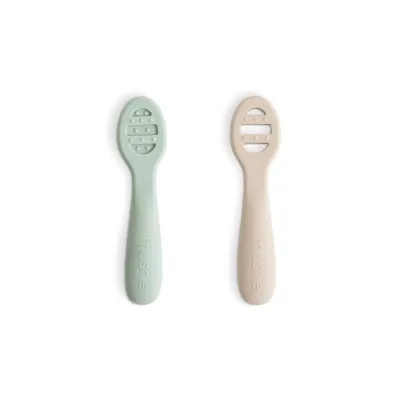
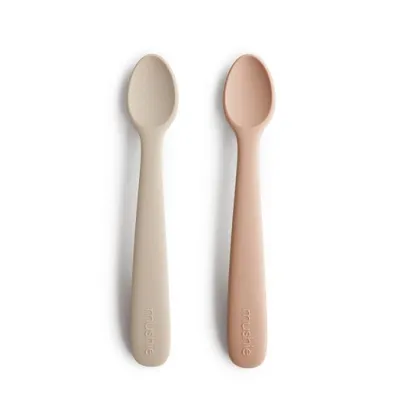
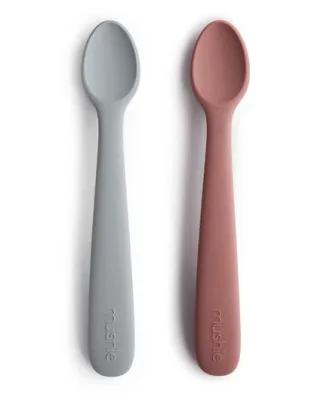
Prices are valid at publication and may change. Please refer to the product page for the latest price.
The dimensions of the spoon bowl also play a critical role in early feeding success. For infants just starting solids, a shallow bowl with a thin, flexible edge is highly beneficial. A shallow design allows the baby to easily clear the puree or mashed food using their upper lip without needing to tilt their head back excessively. Conversely, a deeper bowl might hold more food but can be difficult for a beginner to empty, leading to frustration or gagging. The flexibility of the spoon’s edge is equally important; a soft, pliable rim bends easily against the baby’s lips and gums, reducing the risk of discomfort if they bite down suddenly.
Handle design is another key variable that dictates how the spoon will be used. Long, slender handles are primarily designed for parent-led feeding, allowing you to comfortably reach into deep puree jars and guide the spoon into your baby’s mouth from a distance. If you are practicing baby-led weaning (BLW), however, shorter, thicker handles are much easier for tiny hands to grasp and direct toward their mouths. Textured grips or ergonomic contours on the handle can also prevent the spoon from slipping out of soapy or food-covered hands, helping your child build confidence as they practice their self-feeding coordination.
Evaluating the Mushie Spoon Design
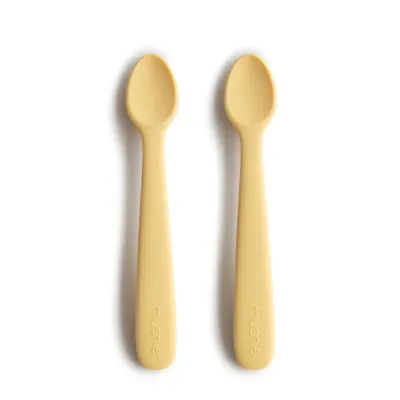
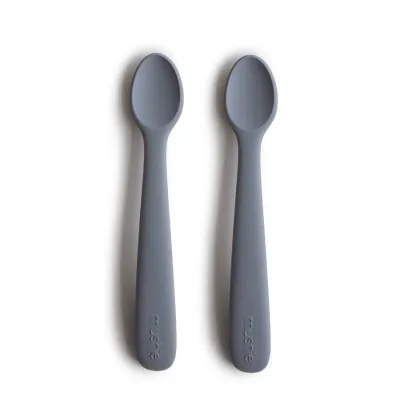
Mushie spoons have gained significant popularity among modern parents, largely due to their minimalist aesthetic and thoughtful structural design. These spoons typically feature a seamless, one-piece silicone construction that aligns well with high standards of kitchen hygiene. Because there are no separate parts or glued seams, you do not have to worry about water getting trapped inside the handle during washing. This seamless design is particularly advantageous for busy households, as it simplifies the cleaning routine and ensures that no hidden food residue can compromise your baby’s health.

The tactile quality of the silicone used in these spoons is soft yet sturdy, providing a gentle surface for babies who are actively teething. The material offers a matte finish that is comfortable to hold, and the overall weight distribution is balanced to prevent the spoon from tipping over easily when resting on a high chair tray. The handle is moderately long, making it a versatile option that supports both parent-led feeding and early attempts at self-feeding. The elegant, muted color palette also appeals to parents who prefer baby gear that blends seamlessly into a modern home aesthetic.
While the design is highly versatile, caregivers should carefully evaluate how the spoon’s length and bowl size match their baby’s current developmental stage. The medium-length handle, while excellent for parents guiding the spoon, may require a bit more coordination from a very young infant attempting independent self-feeding compared to ultra-short training spoons. Before introducing these utensils, always check the manufacturer’s packaging for specific age recommendations and developmental guidelines to ensure the spoon size is appropriate for your baby’s mouth and motor skills.
Exploring Alternative Silicone Spoon Features
For parents looking beyond minimalist designs, the market offers a wide variety of alternative silicone spoons equipped with specialized features to address specific weaning challenges. One common variation is the angled handle, which is pre-bent to help babies guide food to their mouths more easily without needing to rotate their wrists fully. This can be incredibly helpful for infants who are still developing their fine motor skills and find straight handles difficult to maneuver. Other designs incorporate heavily textured handles, featuring raised bumps or ridges that provide sensory feedback and help prevent slips.
Another popular feature found in some alternative spoons is heat-sensitive, color-changing technology. These spoons are designed to change color when the food is too hot, serving as a visual warning for parents. While this feature offers peace of mind, caregivers must verify the manufacturer’s instructions regarding the accuracy and limitations of the color-changing mechanism, and always test the food temperature on their own wrist before feeding. Additionally, some self-feeding spoons come equipped with built-in choke guards or wide collars. These protective flanges act as a physical barrier, preventing the baby from inserting the spoon too far into their mouth and reducing the risk of gagging or choking during uncoordinated self-feeding sessions.
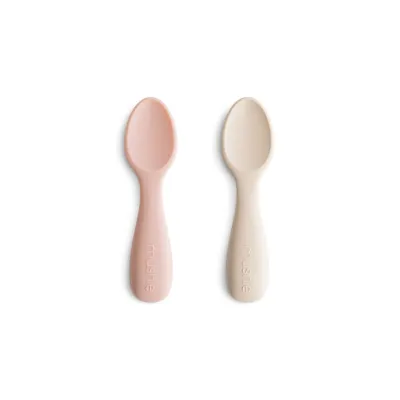
For families focusing strictly on baby-led weaning from day one, ultra-short training spoons are a highly effective alternative. These spoons often feature a circular or loop-shaped handle that is incredibly easy for a palmar grasp. The bowl of these training spoons is frequently textured or slotted, allowing purees or thick mashes to cling to the surface even when the baby dips the spoon sideways or upside down. This design bypasses the need for complex scooping motions, allowing the baby to successfully feed themselves with simple dipping actions.
Safety, Materials, and Care Verification
When selecting any silicone feeding product, verifying material safety and proper care instructions is paramount. Parents should carefully inspect the product packaging for explicit material declarations rather than relying solely on marketing claims. Look for labels indicating that the spoon is made from 100% food-grade silicone and is entirely free from bisphenol A (BPA), polyvinyl chloride (PVC), and phthalates. High-quality food-grade silicone is inert, meaning it will not leach chemicals into your baby’s food, even when exposed to high temperatures or acidic purees.
Proper maintenance is essential to preserve the integrity of silicone utensils over time. Always review the manufacturer’s specific guidelines regarding cleaning methods, dishwasher safety, and sterilization limits. While many silicone spoons can withstand high temperatures, some may have specific limits for boiling, steam sterilization, or microwave use. In Singapore’s humid climate, ensuring that spoons dry completely after washing is crucial to prevent any surface moisture buildup. If you prefer using a dishwasher, placing the spoons in the top rack is generally recommended to keep them away from the intense heat of the bottom heating element.
Regularly inspecting your baby’s spoons for signs of wear and tear is a critical safety practice. Over time, repeated biting from developing teeth, exposure to high heat, or general use can cause silicone to degrade. Before every feeding session, gently bend and pull the spoon tip to check for any tiny tears, cracks, or changes in texture, such as stickiness or stiffness. If you notice any damage, discoloration that does not wash off, or structural weakness, discard the spoon immediately. Damaged silicone can harbor bacteria or, in severe cases, pose a choking hazard if a small piece tears off during use.
Decision Framework: Matching the Spoon to Your Needs
Choosing the right silicone spoon involves balancing your baby’s developmental stage, your preferred feeding method, and your budget. To help streamline your decision, consider the following practical framework:
- Prioritize Easy Cleaning and Versatility: If you prefer a straightforward cleaning routine and plan to use a mix of parent-led feeding and self-feeding, a seamless, medium-length spoon like the Mushie spoon is an excellent choice. Its one-piece design eliminates hygiene concerns, and the handle length works well for both you and your baby.
- Focus on Independent Baby-Led Weaning: If you are committed to baby-led weaning from the start and want to encourage independent grasping early on, look for short, textured, or angled spoons. Utensils with built-in choke guards or loop handles can provide extra safety and ease of use for infants who are still mastering their grip.
- Consider Oral Sensitivities and Sterilization Preferences: If your baby has highly sensitive gums or is prone to strong gag reflexes, prioritize spoons with exceptionally soft, flexible bowls and shallow depths. Additionally, verify that the spoon's material can handle your preferred sterilization method, whether that involves boiling water, UV sterilizers, or steam bags.
- Evaluate Value and Milestones: Weaning is a rapid developmental phase, and your baby's utensil needs will change quickly. While a single specialized spoon can be helpful for the very first weeks of self-feeding, purchasing a multi-pack of versatile, durable silicone spoons—often ranging from S$10 to S$25 depending on the brand and set size—frequently offers better long-term value as your baby transitions to more advanced feeding skills.
Ultimately, the best spoon is the one that fits comfortably in your baby’s hand, keeps mealtime stress-free, and is easy for you to clean and maintain safely. By focusing on observable design features and verifying safety standards, you can confidently select a utensil set that supports your baby’s exciting journey into the world of solid foods.
Community discussion
Share your experience or ask a question. Comments are reviewed before publication.