
Finding the right diaper in Singapore involves balancing performance, comfort, and household expenses. Mumuki has emerged as a popular option for parents seeking to manage monthly diapering costs, but deciding whether to choose it over established mainstream brands depends on your baby’s specific physical needs and your family’s daily routine.
You may find Mumuki to be a highly practical choice if your primary goal is budget-friendly bulk purchasing and your baby has standard skin sensitivity. For infants who do not experience frequent diaper rash or require specialized dermatological materials, a reliable everyday diaper can significantly lower your recurring expenses without compromising on basic hygiene.
Conversely, mainstream premium brands are often more suitable if your baby has highly sensitive skin, requires extreme absorbency for overnight use, or has unique body proportions that demand highly flexible sizing. These premium options typically feature specialized skin-care linings, advanced moisture-wicking channels, and highly elastic waistbands designed to prevent leaks during active movement.
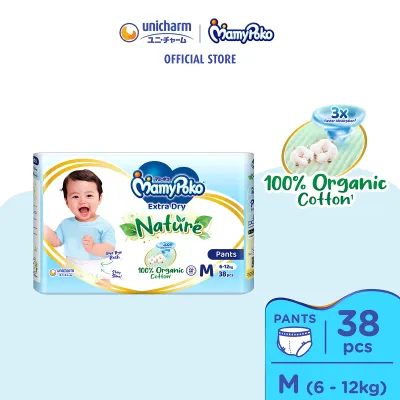
Products mentioned in this guide
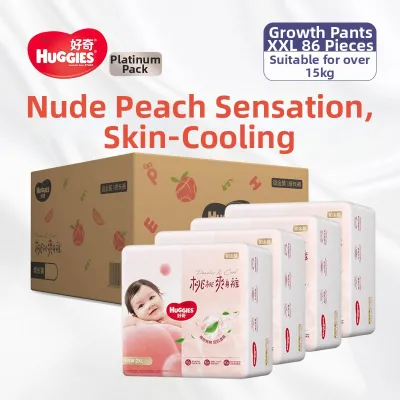
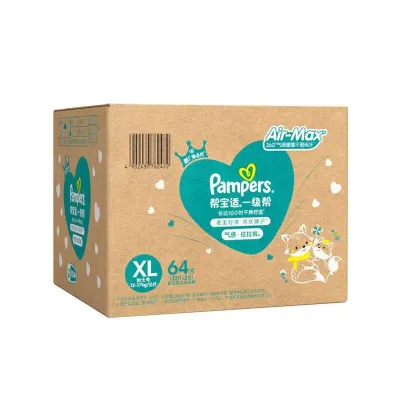
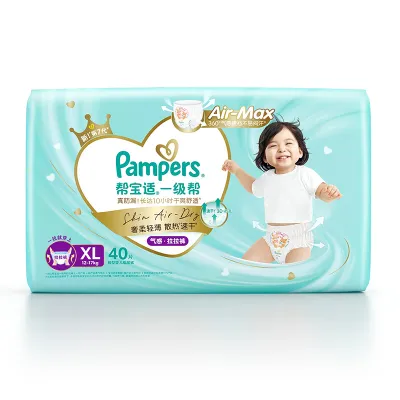
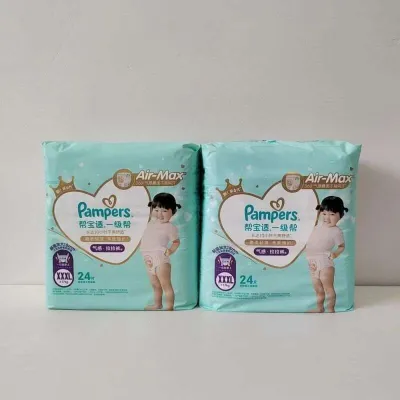
![[mkids] For infant and toddlers Drypers Wee Wee Dry NB(24sx8) S(82s x3) M(74s x3) L(62s x3) XL(50s x 3) XXL(40s x 3) [LOCAL SG DELIVERY]](https://img.lazcdn.com/g/p/fc7cfca5bfaf598f22eef4defc53fcb7.png_400x400q80.png_.webp)
![MamyPoko Air Fit Marshmallow Pants Super Premium Baby Diapers [GIRL] XL38 (4 Packs) (12 - 22kg)](https://img.lazcdn.com/g/p/7e9abcc54adccb541468bb7826797a40.jpg_400x400q80.jpg_.webp)
Prices are valid at publication and may change. Please refer to the product page for the latest price.
Before committing to a large bulk purchase of any brand, always verify the product’s current specifications by checking the latest packaging labels for material updates. Purchasing a small trial pack allows you to test the diaper’s real-world fit and absorbency on your baby before investing in mega packs or subscription bundles.
Evaluating Absorbency: What to Look for on the Label and at Home
Absorbency is the cornerstone of diaper performance, directly affecting your baby’s comfort and skin health. When comparing Mumuki with mainstream alternatives, start by examining the packaging for specific core technology claims. Look for mentions of Super Absorbent Polymer (SAP) layers, which are designed to lock fluid away from the skin, and structured channel designs that distribute wetness evenly across the core rather than letting it pool in one spot.
Comparing these stated features across different brands gives you a baseline understanding of what each product promises. Premium brands often highlight multi-layered SAP systems or proprietary channel patterns, while budget-friendly options may use simpler, more traditional absorbent cores. Keep in mind that these packaging claims serve as a guide, and real-world performance must always be verified through daily observation.
To evaluate how well a diaper locks in moisture at home, pay close attention to the wetness indicator line and the physical state of the diaper during changes. After your baby has worn the diaper for a few hours, feel the inner lining that touches their skin; it should feel relatively dry to the touch. If the surface feels damp or cold, the core may not be locking moisture away effectively, which can lead to skin irritation over time.
Another critical factor to monitor is how the diaper behaves as it fills. Look out for excessive sagging between your baby’s legs or the appearance of tiny gel beads on their skin. Sagging indicates that the absorbent material is heavy and losing its structural integrity, while gel-bead leakage suggests the core has ruptured or reached its maximum capacity. If you observe these signs regularly, it is a clear indication that you need to upgrade to a larger size or switch to a brand with a more robust core design.
Assessing Fit and Comfort: Sizing, Elasticity, and Skin Contact
A diaper can have excellent absorbency, but if the fit is incorrect, leaks and discomfort are inevitable. When comparing Mumuki to mainstream competitors, physically examine the waistband stretch and the design of the leg cuffs. Look for double leak guards—inner fabric barriers that stand upright along the leg openings—and soft ruffle styles that help contain sudden blowouts while remaining gentle on delicate skin.

The elasticity of the waistband is equally important, especially for babies who are beginning to roll, crawl, or walk. A high-quality waistband should stretch easily to accommodate a full belly after feeding, yet contract securely to prevent the diaper from slipping down during play. Budget-friendly options sometimes feature less elastic waistbands or simpler leg cuffs, which may require more precise positioning during fastening to prevent gaps.
While manufacturer sizing charts provide a helpful baseline based on your baby’s weight, they should not be treated as absolute rules. Every baby has a unique body shape; some have rounder bellies, while others have chubbier thighs. If your baby’s weight is near the upper limit of a size range, or if they have particularly chunky legs, you will likely need to adjust the size upward sooner than the chart suggests.
To ensure the diaper is not causing discomfort, inspect your baby’s skin during changes. Check for red marks, indentations, or chafing around the waist and thighs after removing the diaper. Persistent red marks indicate that the elastic is too tight or the structural cut of the diaper does not suit your baby’s body shape, signaling that it is time to try a larger size or explore a brand with a different cut.
Calculating True Value: Beyond the Price Tag
When managing household expenses in Singapore, it is easy to focus solely on the shelf price of a diaper pack. However, determining the true value of Mumuki versus mainstream brands requires a more detailed calculation. Start by dividing the total price of a pack by the number of diapers inside to find the exact cost per diaper. For example, if a pack costs S$20 and contains 80 diapers, the cost per diaper is S$0.25. Be sure to compare standard packs, jumbo packs, and mega packs, as larger packaging configurations on online marketplaces often offer a lower per-piece rate.
While a budget-friendly diaper like Mumuki will almost always have a lower upfront cost per piece, you must also factor in the “cost of failure.” If a cheaper diaper leads to frequent leaks, you will face hidden costs such as increased water and electricity bills from extra laundry, the premature wear of ruined clothing, and the need to purchase more intensive barrier creams to treat diaper rash. If you find yourself using twice as many diapers or spending more on skin treatments, the cheaper option may actually cost more in the long run.
To maximize your savings without compromising on quality, evaluate the subscription, bundle, or bulk-buy options available on various e-commerce platforms. Many online retailers offer significant discounts when you purchase diapers by the carton or sign up for recurring monthly deliveries. This approach can make premium mainstream brands more affordable, while driving the cost of budget-friendly options like Mumuki down even further, allowing you to choose the best fit for your baby’s needs at a highly competitive price.
Feature Comparison Matrix: Mumuki vs. Mainstream Alternatives
To help you compare the physical features and packaging claims of Mumuki against mainstream alternatives, the table below outlines what to look for when evaluating these products. Because manufacturers update their designs and materials periodically, use this matrix as a guide to verify specifications on the actual packaging before making a bulk purchase.
| Diaper Category | Target Weight Range | Wetness Indicator Presence | Leg Cuff Design | Packaging Claims | Verification Checklist |
|---|---|---|---|---|---|
| Mumuki (Budget-Friendly) | Standard weight brackets (e.g., S, M, L, XL) printed on pack | Typically present on modern batches; check packaging | Single or basic double barrier with soft ruffles | Breathable backsheet, high absorbency, soft top sheet | Confirm wetness indicator presence; check elastic stretch on waistband |
| Mainstream Mid-Tier Brand | Standard weight brackets with overlapping ranges | Standard on all sizes | Double leak guards with moderate elasticity | Fast-absorbing core, skin-friendly materials, wetness lock | Verify leg cuff height; check for core sagging after three hours of wear |
| Mainstream Premium Brand | Specialized weight brackets (e.g., newborn-specific, active toddler) | Standard with high-visibility color change | Advanced double leak guards with high-stretch elastics | Hypoallergenic, organic cotton blends, 12-hour dryness, pH-balanced lining | Inspect inner lining softness; check for red marks on baby's thighs after use |
When using this matrix, remember that a diaper’s performance is highly individual. A feature that works perfectly for one baby may not suit another due to differences in movement patterns, skin sensitivity, and wetting habits. Always use the verification checklist to assess the physical product firsthand.
When to Switch: Signs Your Current Diaper Isn't Working
No matter which diaper brand you choose initially, your baby’s needs will change as they grow and develop. Recognizing the physical and behavioral cues that indicate your current diaper is no longer working is essential for maintaining comfort and hygiene. If you begin to experience frequent morning leaks, side blowouts, or notice persistent dampness on your baby’s skin during routine changes, it is usually a sign that the diaper’s absorbent capacity or fit is no longer sufficient.
Skin health is another critical indicator that should prompt a re-evaluation of your diaper choice. If your baby develops unexplained rashes or persistent redness, first rule out other potential causes such as dietary changes, new laundry detergents, or environmental factors. If the irritation persists, consult a pediatrician for professional guidance, and consider switching to a specialized sensitive-skin brand that features hypoallergenic, fragrance-free materials.
Finally, prepare to re-evaluate your diaper selection whenever your baby hits a major developmental milestone or growth spurt. As infants transition from lying flat to rolling, crawling, and eventually walking, their physical shape and movement patterns change dramatically. A diaper that fit perfectly during the newborn stage may slip, gap, or cause friction once your baby becomes highly active, requiring a shift to a diaper with more robust elastic waistbands or a different structural cut.
Frequently Asked Questions (FAQ)
How often should I change a budget-friendly diaper compared to a premium one?
Regardless of whether you use a budget-friendly diaper like Mumuki or a premium mainstream brand, you must change the diaper promptly after every bowel movement to maintain proper skin hygiene and prevent irritation. For wet diapers, budget-friendly options may require more frequent checks and changes if they lack the high-capacity absorbent cores found in premium lines. Rather than relying solely on the wetness indicator line, advise following the manufacturer’s maximum wear-time guidelines and regularly observing your baby’s skin condition to ensure they remain dry and comfortable.
Are affordable diapers safe for newborns with highly sensitive skin?
Affordable diapers can be safe for newborns, but parents must take extra care to verify the product’s safety credentials and material composition. Before purchasing, check the packaging for specific claims such as dermatological testing, fragrance-free formulations, and hypoallergenic materials. It is highly recommended to adopt a strict patch-test approach by purchasing a small trial pack to monitor your baby’s skin reaction over a few days before committing to a large bulk order. If you observe any redness, peeling, or irritation, stop using the diaper immediately and consult a healthcare professional.
Community discussion
Share your experience or ask a question. Comments are reviewed before publication.