
Selecting the right mummy bag backpack is one of the most practical decisions you will make as a parent. A well-designed diaper backpack keeps your hands free while ensuring that diapers, wipes, bottles, and personal items remain organized and accessible. Rather than focusing solely on brand names, finding the ideal bag requires comparing how different designs manage storage capacity and internal layout to match your daily routine.
Defining Your Daily Carry and Storage Needs
Before comparing specific brands, it is essential to map out what you actually carry on a typical day. A quick trip to a local Singapore mall or neighborhood playground requires far less gear than a full-day family outing. If you are packing for a newborn, your needs will lean heavily toward multiple changes of clothes, diapers, and feeding supplies, whereas an older toddler requires fewer diapers but more space for snacks and toys.
In a tropical climate like Singapore, sudden downpours or high humidity mean you might need to pack extra lightweight changes of clothes, sweat wipes, and additional hydration for both yourself and your child. This environmental factor increases the volume of items you must carry daily, making a thoughtful assessment of your storage needs even more critical.
Products mentioned in this guide
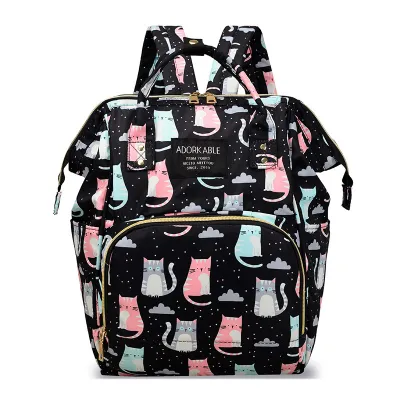
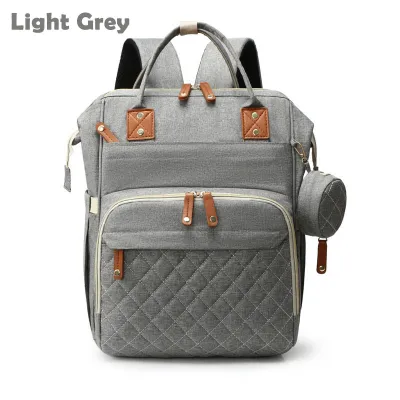
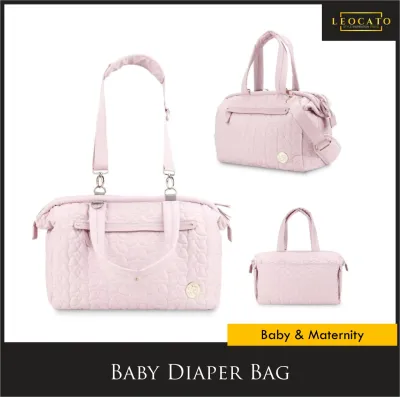
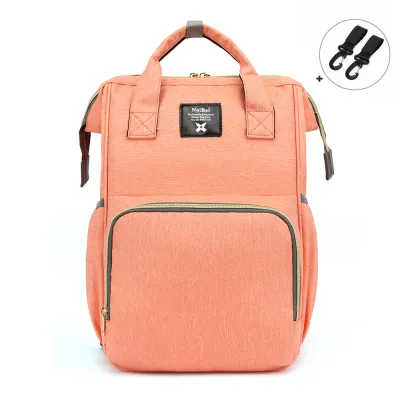
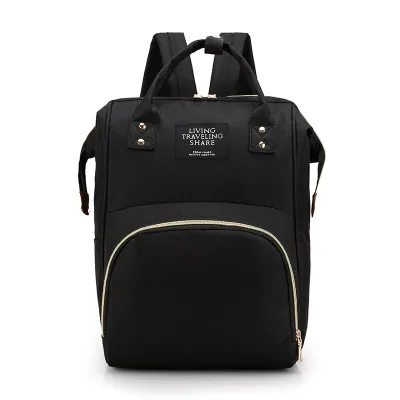
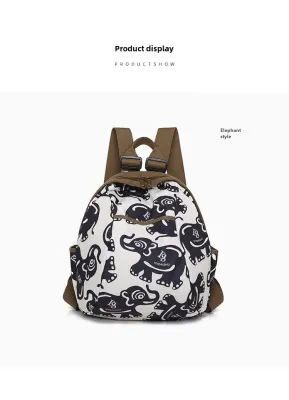
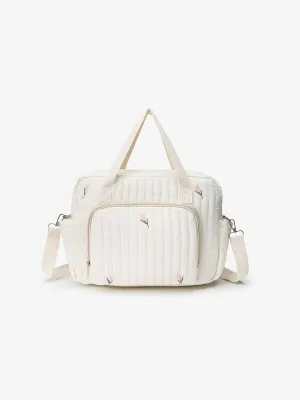
Prices are valid at publication and may change. Please refer to the product page for the latest price.
As your child grows, your daily carry list will naturally shift. Newborns require frequent diaper changes, burp cloths, and multiple changes of clothes due to spit-ups, meaning you need a bag with high volume and separate wet-dry compartments. In contrast, toddlers require fewer diapers but demand a wider variety of snacks, toys, and water bottles, shifting your priority toward external bottle holders and easy-to-clean snack compartments.
To determine your baseline volume needs, list your non-negotiable daily items. Essential gear typically includes diapers, a travel pack of wipes, baby bottles or sippy cups, a changing mat, and a change of clothes. Optional items, such as extra toys, multiple swaddles, or personal items like a tablet or makeup pouch, can quickly add unnecessary bulk if your bag lacks structured space.
Caregivers also differ in how they prefer to access their belongings. Some parents prioritize quick-access exterior pockets for items like phones, keys, and hand sanitizer, while others prefer secure, zippered main compartments to keep everything safely enclosed. Identifying your personal access style helps you filter out designs that do not align with your daily habits.
Comparing Storage Capacity Across Bag Designs
Mummy bag backpacks generally fall into two main categories: high-capacity models designed for long trips or multiple children, and compact, minimalist models built for short errands. High-capacity bags often feature structured frames that maximize interior volume, making them ideal for parents managing supplies for twins or infants. Minimalist models prioritize a sleek profile, reducing physical strain during quick trips.

When shopping online or in stores, you will often see capacity stated in liters. However, it is important to verify these measurements against actual usable space, as rigid, highly structured bags may offer less flexible packing options than soft-sided, fabric-based designs. A soft-sided bag can expand slightly to accommodate bulky items, whereas a rigid frame maintains its shape but limits your ability to squeeze in extra gear.
Another critical factor when comparing capacity is the empty weight of the backpack. Some heavy-duty canvas or faux-leather bags can weigh over a kilogram before you even place a single diaper inside. Opting for lightweight materials like high-density nylon or polyester ensures that the bulk of the weight you carry comes from your actual supplies rather than the bag itself.
When evaluating capacity, also consider the physical dimensions of the bag in relation to your stroller’s under-seat basket. A bag that is too wide or deep may not fit in standard stroller storage compartments, forcing you to wear it even when you would prefer to store it. Checking these dimensions beforehand ensures the bag integrates seamlessly with your existing travel gear.
External attachment points and expandable gussets play a significant role in extending a bag’s practical capacity. Look for models with integrated stroller clips, external D-rings, or expandable side pockets that allow you to carry water bottles or umbrellas outside the main compartment. These features free up valuable internal space for items that must remain protected from the elements.
Evaluating Internal Organization and Compartment Layouts
The efficiency of a mummy bag depends heavily on its internal compartment layout. Dedicated insulated bottle pockets are a common feature, but their placement varies significantly between brands. Some bags place these pockets in a front zippered compartment, while others integrate them into the main cavity or side pockets; front-facing insulated pockets keep bottles upright and separate from clothing, but they can restrict the bag’s overall depth when fully packed.
When comparing insulated pockets, check the physical diameter of the sleeves. Some brands design these pockets specifically for standard narrow bottles, which may not accommodate wider-neck bottles or larger sippy cups. Verifying these dimensions against your preferred bottle brand prevents the frustration of owning insulated pockets you cannot use.
Many specialized backpacks include built-in changing mats, dedicated quick-access wipe dispensers, and modular wet-dry pouches. While these integrated features offer convenience, they can sometimes limit your flexibility compared to an open-cavity design. An open-cavity layout allows you to use your own modular packing cubes, which can be easily removed or swapped out depending on the day’s activities.
Modern mummy bags often include a dedicated parent zone—a separate compartment designed to hold your keys, wallet, phone, and sometimes even a laptop or tablet. This separation is highly practical, as it prevents you from having to dig past diapers and baby wipes to find your personal items during a quick transaction. When comparing bags, look for a parent pocket that is positioned away from the wet compartments to protect your electronics from accidental bottle leaks.
Highly segmented interiors are excellent for keeping small items in designated spots, but they can make it difficult to pack bulky, irregularly shaped items like a breast pump or a thick winter jacket. When evaluating a bag, consider whether the internal dividers are flexible or removable, allowing you to customize the space as your child’s feeding and clothing needs evolve over time.
Assessing Usability and Ergonomics for Daily Carry
A fully loaded diaper bag can quickly become heavy, making ergonomic design crucial for your physical comfort. When internal compartments are packed to capacity, the bag’s center of gravity shifts outward. To prevent shoulder and back strain, look for backpacks with wide, contoured shoulder straps featuring thick mesh padding, as well as a padded back panel that promotes airflow in warm, humid climates.
For parents who frequently walk long distances or use public transit, a sternum strap can be a valuable ergonomic feature. This strap connects the two shoulder straps across your chest, preventing them from slipping off your shoulders while you are carrying your child or lifting a stroller. It also helps distribute the weight more evenly across your torso, reducing localized pressure on your shoulders.
Accessibility is another critical factor when you are holding a baby with one hand. Clamshell openings that zip all the way down allow you to view the entire contents of the bag at once, preventing the need to rummage through a dark interior. Top-loading zippers offer quick access but can lead to items getting buried at the bottom, while side-access zippers allow you to retrieve bottom-stored items without unpacking the entire bag.
The durability of the shoulder strap attachments is a common pain point for many parents. Because diaper bags are frequently picked up by a single strap or hung from stroller hooks, the stitching at the top of the straps experiences significant stress. Look for bags that feature reinforced box-stitching or metal rivets at these key tension points to ensure the straps do not fray or detach over time.
Stroller strap compatibility is essential for transferring the weight of the bag off your shoulders during long walks. Ensure the bag features dedicated, reinforced stroller attachment points rather than relying on the main shoulder straps, which can wear out prematurely. Additionally, check the bag’s base dimensions and structural stability; a wide, flat base with protective feet helps the bag stand upright when placed on the ground, preventing spills and keeping the fabric clean.
How to Choose the Right Mummy Bag Backpack for Your Routine
If you are managing supplies for multiple young children, planning long travel days, or navigating unpredictable weather, a high-capacity, highly segmented model is generally the most practical choice. These bags provide the structured organization needed to keep different children’s items separate and easy to find under pressure.
Conversely, if you are taking short, local outings with an older infant or toddler, a compact, open-layout model is often more comfortable. This style minimizes unnecessary weight and bulk, allowing you to move quickly without carrying excess gear that you rarely use.
Pay close attention to the quality of the zippers and hardware, as these are the most common points of failure on heavily used bags. Look for double-zipper designs on the main compartment, which allow you to open the bag from either side, and check if the zippers glide smoothly without catching on the lining. High-quality, durable hardware ensures the bag remains functional throughout your parenting journey.
Finally, consider the aesthetic versatility of the bag if multiple caregivers will be sharing the carrying duties. Neutral colors and classic designs allow both parents to use the bag comfortably without feeling out of place. Choosing a style that transitions well from a casual playground visit to a more formal family gathering ensures you get the maximum utility out of your investment.
Before making a final purchase, always verify the manufacturer’s care instructions, weight limits, and material durability claims. Look for water-resistant, wipe-clean fabrics both inside and out, and check that the internal linings are securely stitched to withstand daily wear and tear. If a bag features complex internal linings or delicate materials, ensure you are comfortable with the recommended cleaning process to maintain hygiene over years of use.
Frequently Asked Questions (FAQ)
How do I clean the internal compartments of a mummy bag backpack?
Always check the manufacturer’s care label inside the bag for specific washing instructions, machine-washability, and temperature limits. For general maintenance, spot-clean spills immediately using a damp cloth and a mild, baby-safe detergent, paying close attention to seams where crumbs and moisture tend to collect. After cleaning, open all compartments and allow the bag to air-dry completely in a well-ventilated area before restocking it, as storing a damp bag can lead to mold, mildew, or unpleasant odors.
Can I use a regular backpack instead of a dedicated mummy bag?
Yes, you can use a regular backpack, but you will miss out on specialized features like insulated bottle pockets, wipe-clean waterproof linings, and integrated stroller straps. Standard backpacks often lack the structural rigidity needed to keep baby bottles upright, which can lead to leaks inside the bag. If you choose to use a regular backpack, you can replicate some of the organization of a dedicated diaper bag by using modular packing cubes and separate insulated bottle sleeves.
Community discussion
Share your experience or ask a question. Comments are reviewed before publication.