
Quick Answer: Is the MPJ Changing Pad Right for Your Nursery?
Setting up a nursery requires balancing comfort, convenience, and safety. A dedicated changing station is a cornerstone of this setup, as parents will perform thousands of diaper changes during their baby’s first years. The MPJ changing pad is designed to simplify this high-frequency task by providing a stable, cushioned, and easily cleanable surface for your newborn.
With practical features such as contoured edges, a wipeable waterproof surface, and integrated safety straps, this changing pad aims to support daily diapering routines. However, because product specifications and materials can vary across different manufacturing batches, it is essential to verify the exact dimensions, weight limits, and material certifications on the official product label before making a purchase.
For families in Singapore, selecting the right changing pad also involves considering local factors like home space constraints and tropical humidity. A compact, highly functional pad can make a significant difference in daily comfort. This review explores the key features, practical benefits, and essential safety guidelines to help you determine if this model fits your nursery needs.
Products mentioned in this guide
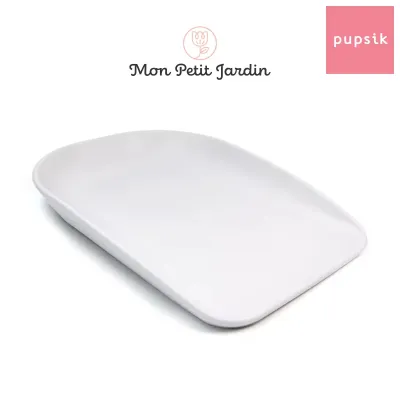
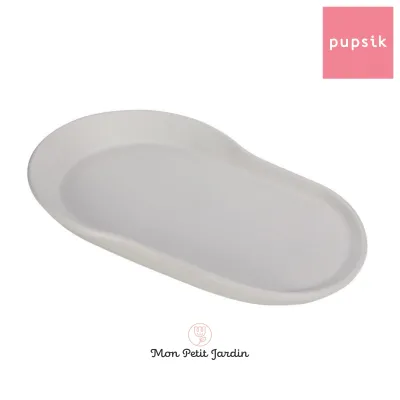
Prices are valid at publication and may change. Please refer to the product page for the latest price.
Key Features to Verify in the MPJ Changing Pad
When evaluating nursery furniture and accessories, physical design and material composition are the most critical factors for your baby’s safety and comfort. Matching the changing pad’s physical attributes with your daily routine and nursery layout ensures a seamless experience. Before buying, there are several specific features you should carefully inspect and verify.

Material Quality and Waterproofing
Newborn skin is incredibly delicate and highly sensitive to synthetic chemicals and irritants. When reviewing the MPJ changing pad, prioritize checking the product packaging or official manufacturer specifications for non-toxic material claims. Look for explicit labels indicating that the pad is free from phthalates, lead, BPA, and harmful flame retardants, which are common concerns in foam-based baby products.
In addition to chemical safety, the quality of the outer waterproof cover is paramount. A robust, waterproof barrier prevents liquids, creams, and urine from seeping into the inner foam core. If moisture penetrates the foam, it can become a breeding ground for bacteria, mold, and mildew, which compromises hygiene and can cause unpleasant odors.
The density of the foam core is another crucial element to assess. A high-quality changing pad must offer a firm, supportive core that keeps your baby’s spine properly aligned. Foam that is too soft poses a safety risk, as a baby’s face could sink into the material, creating a potential suffocation hazard. Ensure the foam is firm enough to resist deep compression under your baby’s weight while remaining comfortable enough for brief daily use.
Safety Straps and Contoured Edges
Active babies can wiggle and roll unexpectedly, making safety mechanisms a top priority during diaper changes. The MPJ changing pad features contoured edges, which are raised curved sides designed to help keep your baby centered on the pad. These raised borders act as a physical guide, reducing the likelihood of your baby rolling toward the edges of the changing surface.
To complement the contoured design, a secure harness system is essential. Verify whether the pad includes an adjustable 3-point or 4-point safety strap that fastens securely around your baby’s midsection. The buckle should be easy for a caregiver to operate with one hand but secure enough that it cannot be accidentally released by a moving child.
Carefully inspect the anchor points where the safety straps attach to the changing pad body. These connections must be heavily reinforced to withstand tension and regular use over several years. Remember that safety straps are designed to assist you and serve as a secondary safety measure; they must never replace active, hands-on adult supervision at any time.
Practical Benefits for Daily Newborn Care
Translating physical product features into daily practical benefits helps caregivers understand how a changing pad integrates into their lives. A well-designed changing pad reduces physical strain, saves time, and helps maintain a clean, organized environment during a hectic daily routine.
Streamlined Cleaning and Hygiene
Diaper changes are inherently messy, and a surface that is difficult to clean can quickly become a source of stress. One of the primary benefits of a high-quality changing pad is its streamlined cleaning design. Look for models with seamless or welded edges rather than stitched seams, as stitched areas can trap liquids and creams, making them difficult to sanitize.
A smooth, non-porous surface allows you to wipe away messes instantly with a damp cloth or baby-safe disinfectant wipe. This rapid cleaning process is vital for maintaining excellent hygiene and preventing the spread of bacteria. Regular and thorough sanitization of the changing surface plays a key role in protecting your newborn’s sensitive skin from diaper rash and infections.
In Singapore’s tropical climate, high humidity can accelerate the growth of mold and bacteria on damp surfaces. A waterproof pad that dries quickly after being wiped down is highly advantageous. This quick-drying capability ensures that the changing station remains hygienic and ready for use throughout the day and night.
Space Efficiency and Nursery Integration
Modern apartments and HDB flats in Singapore often require creative space management. A standard-sized changing pad that fits easily onto existing furniture is an excellent way to maximize your nursery layout. Before purchasing, measure the top surface of your changing table, dresser, or chest of drawers to ensure the pad will fit securely without overhanging.
A proper fit prevents the pad from tipping or sliding when you place your baby on it. To enhance stability, verify that the pad features a non-skid or textured bottom surface. This non-slip backing helps keep the pad firmly in place on smooth wooden, laminate, or metal furniture surfaces, providing a stable platform for active babies.
Some changing pads also include mounting straps or hardware that allow you to secure the pad directly to the back of your dresser or changing table. Utilizing these secure attachments provides an extra layer of stability, ensuring the pad remains completely stationary even during sudden movements or when you are reaching for diapering supplies.
Limitations and Pre-Purchase Checklist
While a high-quality changing pad offers significant convenience, parents should be aware of the inherent limitations of foam-based nursery products. Over time, continuous pressure in the center of the pad can lead to foam degradation and permanent compression. This wear and tear can reduce the supportive qualities of the pad, making it less comfortable and less effective at keeping your baby centered.
Additionally, the waterproof outer cover is susceptible to punctures and tears from sharp objects. Items like diaper pins, long fingernails, or pet claws can easily compromise the protective barrier. Once the outer cover is torn, moisture can enter the foam core, which is highly difficult to dry and sanitize, often requiring a complete replacement of the pad to ensure safety.
Before making your purchase, review this essential pre-purchase checklist to ensure the product meets your specific requirements:
- Verify Dimensions: Confirm that the pad's length, width, and height perfectly match your changing table or dresser surface with no overhang.
- Check Weight Limits: Review the manufacturer's documentation for the maximum weight capacity to ensure the pad can accommodate your growing baby.
- Confirm Materials: Ensure the product label certifies that the materials are non-toxic, lead-free, and phthalate-free.
- Inspect Safety Certifications: Look for recognized safety standards and verify them against official databases.
- Choose Authorized Retailers: Purchase only from official brand stores or authorized local distributors in Singapore to ensure product authenticity and access to warranty support. Avoid unauthorized third-party online sellers where safety standards cannot be guaranteed.
Safe Usage and Maintenance Guidelines
To ensure the longevity of your changing pad and guarantee the safety of your newborn, following proper usage and maintenance guidelines is essential. The absolute golden rule of diaper changing is to never leave your baby unattended on the changing pad, even for a single second. Babies can develop new physical milestones, like rolling or wiggling, without warning, presenting a serious fall risk.
To minimize the need to step away, always prepare your changing station beforehand. Ensure that clean diapers, wipes, diaper creams, and a change of clothes are all within arm’s reach before you place your baby on the pad. This preparation allows you to keep at least one hand on your baby at all times, ensuring maximum safety throughout the process.
When cleaning the changing pad, use a soft cloth dampened with warm water and a mild, baby-safe dish soap. Avoid harsh chemical cleaners, bleach, alcohol-based sprays, or abrasive scrubbing pads. These aggressive cleaning agents can break down the waterproof coating, causing it to crack, peel, or lose its water-resistant properties over time.
After wiping the pad clean, allow it to air dry completely before placing any fabric covers or your baby back onto the surface. In a humid climate like Singapore, preventing trapped moisture is critical to stopping the growth of mold and mildew. Regularly inspect the changing pad for signs of wear, such as tears in the cover, frayed safety straps, broken buckles, or areas of permanent foam compression, and replace the pad immediately if any damage is found.
Frequently Asked Questions (FAQ)
Do I need a separate changing pad cover for the MPJ pad?
While the changing pad’s waterproof surface is designed to be wiped clean directly, using a separate cover is a matter of personal preference. A soft, machine-washable cotton or bamboo cover can provide a warmer, more comfortable surface for your baby’s skin, especially during late-night changes. However, if you choose to use a cover, ensure it fits snugly around the pad and does not obstruct the safety straps or buckle mechanism.
Can the MPJ changing pad be used on top of a regular dresser?
Yes, you can use the changing pad on top of a regular dresser, provided the dresser’s top surface is deep and wide enough to support the pad fully without any overhang. To ensure safety, the pad must have a reliable non-skid bottom, or it should be secured to the dresser using the manufacturer’s provided mounting straps or safety hardware. Always ensure the dresser itself is anchored securely to the wall to prevent tipping.

Community discussion
Share your experience or ask a question. Comments are reviewed before publication.