
Quick Answer: Is Moyuum the Right Bottle for Your Baby?
Finding the perfect baby bottle is a highly individual process. The ideal choice depends on your baby’s unique latch, your daily cleaning routine, and your household budget. Moyuum has gained significant popularity among parents in Singapore due to its premium polyphenylsulfone (PPSU) construction, minimalist aesthetic, and ability to transition into a straw cup as your child grows.
This brand typically excels for families who prioritize lightweight, shatterproof durability and want a bottle that adapts to different developmental stages. However, alternative mainstream brands may be more practical if you are working with a strict budget, require highly specialized anti-colic venting systems for severe reflux, or prefer the immediate, widespread availability of replacement parts in local neighborhood shops.
Material Quality and Safety: Verifying Claims on the Label
When comparing baby bottles, understanding the physical properties of different materials helps you make an informed decision regarding safety and durability. The three most common materials available on the market are PPSU, borosilicate glass, and medical-grade silicone. Each material has distinct characteristics that impact how you clean, sterilize, and handle the bottles daily.
Products mentioned in this guide
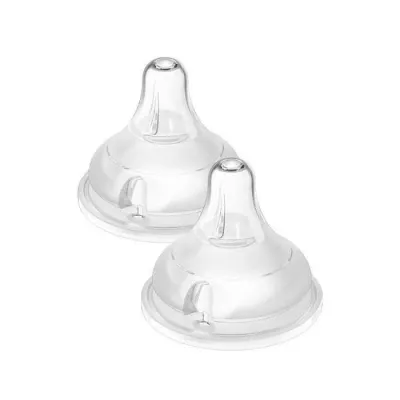
Prices are valid at publication and may change. Please refer to the product page for the latest price.

- PPSU (Polyphenylsulfone): This high-performance thermoplastic combines the lightweight convenience of plastic with the heat resistance of glass. It can typically withstand sterilization temperatures up to 180°C or 200°C, depending on the manufacturer's specifications. It is highly shatter-resistant, making it safer for older babies who are learning to hold their own bottles.
- Borosilicate Glass: Glass is naturally scratch-resistant, chemical-free, and does not retain odors or stains. However, it is significantly heavier than PPSU and carries a risk of breaking or chipping if dropped, which requires constant caregiver supervision.
- Medical-Grade Silicone: Soft and pliable, silicone offers a tactile feel that mimics skin. While highly durable and heat-resistant, silicone can sometimes absorb food odors or discolor over time if not washed immediately after feeding.
To verify safety claims, do not rely solely on front-of-pack marketing slogans. Turn the packaging over and look for official food-contact safety certifications and explicit “BPA-free” and “BPS-free” declarations.
Upon purchasing any new bottle, perform a quick physical inspection. High-quality PPSU naturally exhibits a distinct straw-colored or amber tint; if a bottle is marketed as PPSU but is completely clear, it may actually be made of polypropylene (PP) or polyethersulfone (PES), which have lower heat tolerances. Check for smooth, seamless edges along the collar and base, and ensure there are no strong, persistent chemical odors after the initial wash.
Nipple Design and Flow: Managing Colic and Latch Issues
A baby’s feeding comfort relies heavily on the nipple design and how the bottle manages air intake. Different brands approach anti-colic engineering in various ways, and choosing the right system can help minimize gas, fussiness, and spit-up.
- Built-In Side Vents: Brands like Moyuum, Pigeon, and Philips Avent utilize a simple valve built directly into the silicone nipple base. As the baby drinks, the valve opens to release air into the bottle rather than the baby's tummy. This design is highly popular because it keeps the bottle simple, with fewer parts to wash and assemble.
- Internal Venting Systems: Brands like Dr. Brown's use an internal reservoir tube that channels air directly to the bottom of the bottle, completely bypassing the milk. While highly effective for babies prone to severe colic or gas, these systems require meticulous cleaning with specialized micro-brushes to prevent milk residue buildup.
Nipple shape is equally crucial for supporting a natural latch. Wide-neck nipples feature a broad, sloping base designed to mimic the natural breast shape, making them a popular choice for parents who practice mixed feeding (breast and bottle). Narrow-neck nipples, on the other hand, are often preferred for premature babies or those with a narrower latch style.
Always monitor flow rate markings, which are typically embossed on the side or bottom of the silicone nipple. Because flow rates are not standardized across brands, a “Slow Flow” or “Size 1” nipple from one manufacturer may flow faster than the equivalent size from another. Watch your baby closely during feeds: if you notice gulping, coughing, or milk leaking from the corners of their mouth, the flow may be too fast. Conversely, if the baby fusses, sucks aggressively, or the nipple collapses inward, the flow may be too slow, or the anti-colic vent may be blocked.
Daily Usability: Cleaning, Assembly, and Grip
The practical, day-to-day experience of washing, sterilizing, and assembling bottles multiple times a day can significantly impact your parenting routine. A bottle that looks beautiful but is frustrating to clean can quickly become a hassle.
Consider the number of individual components required for a single feed. A standard wide-neck bottle typically consists of four parts: the bottle body, the silicone nipple, the screw collar, and the protective cap. Moyuum follows this streamlined design, making it quick to disassemble and wash. In contrast, bottles with complex internal venting tubes or multi-piece bases require extra steps during assembly and demand more space on your drying rack.
Ergonomics also play a role as your baby grows. Straight, wide-neck bottles are easy for parents to hold comfortably during long night feeds and are simple to fill with formula powder without spilling. For older infants transitioning to self-feeding, lightweight materials like PPSU are much easier to manage than heavy glass. Some brands, including Moyuum, offer optional handle attachments that slide onto the bottle collar, helping babies develop their fine motor skills and grip.
Before committing to a specific bottle system, verify its compatibility with your existing nursery appliances. Wide-neck bottles generally fit into standard electric steam sterilizers, UV sterilizers, and bottle warmers. However, if you plan to pump milk directly into the feeding bottle, check if the bottle threads align with your breast pump. While some wide-neck bottles screw directly onto popular pumps, others require a specific adapter to prevent spills.
Price and Long-Term Value: Calculating the True Cost
When budgeting for baby gear, it is helpful to look beyond the initial purchase price of a single bottle. The true cost of bottle-feeding includes ongoing replacement parts and accessories over the course of your baby’s first year.
In Singapore, premium bottles like Moyuum and Hegen sit at a higher price point, often ranging from S$30 to S$40 or more per bottle. Standard PP or basic glass bottles are much more budget-friendly upfront. However, because silicone nipples must be replaced every two to three months as your baby’s flow needs change or as the material wears down, you must factor in the recurring cost of replacement nipple multi-packs.
Material durability directly impacts long-term value. Cheaper PP bottles scratch easily during cleaning; these micro-scratches can harbor bacteria and cloud the plastic, requiring you to replace the entire bottle body every three to six months. Premium PPSU bottles are highly scratch-resistant and structurally durable, meaning the bottle bodies can easily last for a year or more with proper care. Furthermore, bottles that convert into straw cups or snack containers offer extended utility well into the toddler years, reducing the need to buy separate transition cups later.
Finally, consider local availability. Before choosing a niche or imported brand, check how easily you can purchase replacement nipples, collars, or caps from local retail stores or major online marketplaces in Singapore. If a brand’s accessories are frequently out of stock or require long international shipping times, you may face stressful disruptions if a nipple tears or a part goes missing.
Decision Framework: Which Bottle Should You Choose?
To help you make a confident decision, use this structured framework to match your family’s needs to the right bottle system.
Choose Moyuum if:
- You want a lightweight, highly durable PPSU bottle that resists scratches and tolerates high sterilization temperatures.
- You prefer a versatile system that can transition into a straw cup or spout cup as your baby grows.
- You appreciate a minimalist, modern aesthetic and prefer a simple, four-piece assembly that is easy to clean.
Choose alternative brands if:
- You are working within a strict budget and prefer more economical, widely available PP or standard glass options.
- Your baby has severe colic or gas issues that require a specialized, multi-part internal venting system.
- You prefer the absolute scratch-resistance and chemical inertness of borosilicate glass and do not mind the extra weight.
Verify first if:
- Your baby was born prematurely, has a cleft palate, or experiences severe gastroesophageal reflux. In these cases, always consult a pediatrician or a certified lactation consultant to select a specialized feeding system tailored to their medical needs.
Regardless of which brand you lean toward, avoid buying large multi-bottle starter sets before your baby arrives. Babies can be highly selective about nipple shapes and flow rates. It is always best to purchase a single bottle or a small trial pack first to ensure your baby accepts the nipple before investing in a complete set.
Frequently Asked Questions (FAQ)
Can I use Moyuum nipples on other brand bottles?
While many premium wide-neck bottles look similar, subtle differences in collar diameter, thread pitch, and rim thickness can prevent a perfect seal. Some parents find that certain wide-neck nipples can fit into alternative collars, but this is not universally guaranteed by manufacturers. Using mismatched parts can lead to slow leaks, improper venting, or sudden spills during a feed. Always check the official manufacturer guidelines for compatibility, and test any cross-brand combination with warm water over a sink before offering it to your baby.
How often should I replace PPSU or silicone bottles?
While PPSU is exceptionally durable, it is not permanent. Inspect your bottles regularly for physical signs of wear, such as persistent cloudiness, deep scratches, cracks, or a sticky texture. As a general guideline, manufacturers often recommend replacing PPSU bottle bodies every six months and silicone nipples every two to three months to maintain optimal hygiene and structural safety. Always refer to the specific care and replacement instructions printed on your product’s packaging.
Community discussion
Share your experience or ask a question. Comments are reviewed before publication.