
Securing a home for a growing toddler is a milestone that requires both practical planning and reliable hardware. When infants transition from crawling to standing and cruising, cabinets filled with cleaning agents, heavy cookware, or fragile glassware quickly become high-risk zones. Installing dependable cupboard locks is one of the most effective ways to prevent accidents, but the sheer variety of brands and locking styles can make the selection process overwhelming.
To make an informed decision, parents must evaluate how different brands perform under daily wear, how their locking mechanisms outsmart toddler curiosity, and how they interact with specific cabinet designs. In Singapore’s warm and humid climate, adhesive performance is a particularly crucial factor to consider. This guide reviews the most reliable cupboard lock brands, categorizes them by mechanism type, and provides actionable advice on matching them to your home’s unique layout.
Key Criteria for Evaluating Cupboard Lock Brands
Choosing the right cupboard locks involves looking beyond basic aesthetics to evaluate the structural integrity and design of the safety devices. Toddlers are remarkably persistent, and a lock that fails after a few weeks of pulling can create a false sense of security for caregivers.
Products mentioned in this guide
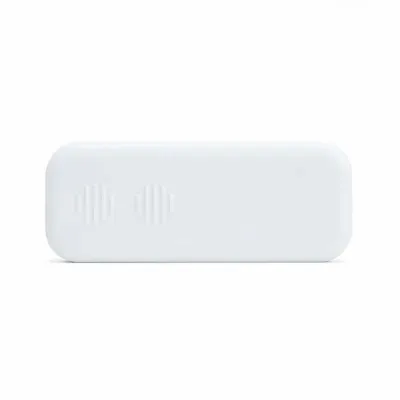
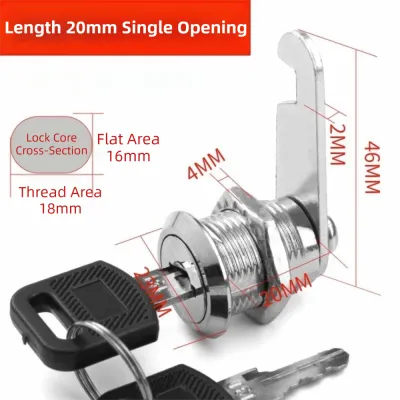
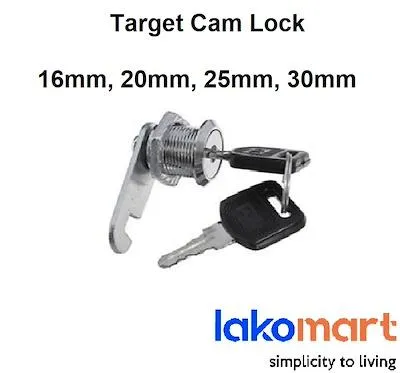
Prices are valid at publication and may change. Please refer to the product page for the latest price.
Material Durability
Reputable baby-proofing brands construct their locks using high-grade plastics, such as Acrylonitrile Butadiene Styrene (ABS) or heavy-duty nylon. These materials resist cracking, bending, and stress whitening when subjected to repeated, forceful tugs. Additionally, the quality of the adhesive backing is paramount. Reliable brands typically partner with established adhesive manufacturers to use high-bond acrylic foam tapes (such as 3M VHB) that can withstand constant tension without shearing away from the cabinet surface.
Mechanism Complexity
An effective locking mechanism must balance toddler resistance with adult convenience. Toddlers learn rapidly by observing their parents, meaning simple single-action buttons are often bypassed quickly by children over fifteen months old. Reliable brands design dual-action mechanisms—such as requiring a simultaneous pinch and slide, or utilizing a specialized magnetic key—that exceed a toddler’s cognitive development and fine motor skills while remaining simple enough for an adult to operate single-handedly.
Surface Compatibility
High-quality cupboard locks are engineered to protect both your child and your furniture. Reliable brands design their adhesives and mounting hardware to minimize long-term damage to common cabinet finishes, including wood veneers, lacquered surfaces, and laminates. This is especially important for renters or homeowners who want to avoid costly furniture restoration once the baby-proofing phase is over.
Safety Standards
When shopping for cupboard locks, look closely at the product packaging for recognized child safety standards rather than relying solely on marketing claims. For example, some brands test their products against European safety standard EN 16948, which specifies rigorous safety requirements and test methods for baby-proofing devices. Always verify the manufacturer’s age recommendations, weight limits, and specific warnings to ensure the product is suitable for your child’s developmental stage. Remember that safety devices are meant to assist caregivers; they are never a substitute for active adult supervision.
Reliable Cupboard Lock Brands by Mechanism Type
Different areas of your home require different locking mechanisms. Understanding the strengths and limitations of each lock type, along with the brands that specialize in them, will help you build a comprehensive home safety plan.

Magnetic Cabinet Lock Systems
Magnetic cabinet locks are widely considered the gold standard for modern kitchens because they are installed entirely on the inside of the cabinet, keeping them completely out of sight.
How They Work
These systems consist of an internal spring-loaded latch and a corresponding catch mounted inside the cabinet frame. The door remains firmly locked until an adult places a powerful magnetic key against the exterior of the cabinet door, directly opposite the internal latch. The magnetic force pulls down the internal locking pin, allowing the door to open smoothly.
Brand Examples
- Dreambaby: Known for their robust Mag Lock systems, Dreambaby designs magnetic locks with exceptional magnetic penetration, making them suitable for thicker cabinet doors. Many of their models feature a convenient disengage switch, allowing parents to temporarily deactivate the locking mechanism when children are not at home or during heavy cooking sessions.
- Safety 1st: A pioneer in baby safety, Safety 1st offers the Out of Sight Magnetic Locking System. Their packages frequently include a patented installation template tool that eliminates the guesswork of aligning the internal latch and catch, which is historically the most challenging part of installing magnetic locks.
Advantages
Because these locks are completely hidden from view, they preserve the clean aesthetic of your home decor. More importantly, because toddlers cannot see the locking mechanism, they are not tempted to play with, pull on, or attempt to bypass the lock, significantly reducing the likelihood of tampering.
Limitations
The primary drawback of magnetic systems is the reliance on an external key. If the key is misplaced, accessing your cabinets becomes highly inconvenient. It is highly recommended to purchase multi-packs that include multiple keys and to store them on high metallic surfaces, such as the side of your refrigerator, well out of your child’s reach. Additionally, magnetic locks require precise alignment during installation, and adhesive-mounted versions can fail if applied to uneven or highly textured interior cabinet surfaces.
Spring Latch and Pull-Cord Locks
Mechanical locks rely on physical tension and manual manipulation rather than keys, making them highly reliable options for high-traffic cabinets.
How They Work
Spring latches are mounted on the inside of the cabinet door or drawer. When you pull the door open slightly, the plastic arm catches on a hook mounted to the cabinet frame, stopping the door from opening further. To open the cabinet fully, an adult must insert their finger through the narrow gap and press down on the flexible arm to release it. Pull-cord locks, on the other hand, wrap around external double knobs or D-handles, requiring a dual-action squeeze or slide to release the cord tension.
Brand Examples
- Munchkin: Munchkin is highly regarded for its sturdy mechanical designs. Their internal spring latches feature wide, easy-to-depress press pads for adults, combined with heavy-duty springs that resist a toddler's pulling force.
- KidKusion: Specializing in functional, durable safety hardware, KidKusion offers heavy-duty cabinet slide locks and cord-based systems that are designed to withstand years of daily use on high-traffic pantry doors and bathroom vanities.
Advantages
These locks are highly practical because they do not require an external key, ensuring you can always access your cabinets quickly. They are exceptionally durable, as mechanical springs do not rely on magnetic strength or complex electronic parts to function.
Limitations
Because internal spring latches allow the cabinet door to open slightly (typically 2 to 3 centimeters) before catching, curious toddlers can still slide their fingers into the gap. This creates a minor finger-pinch hazard if the child lets go of the door suddenly. Additionally, external slide or cord locks are fully visible, which can attract a child’s attention and lead to persistent pulling or chewing on the safety device.
Sliding and Adhesive Strap Locks
For appliances, drawers, and unusually shaped furniture, flexible strap locks and sliding locks offer unmatched versatility.
How They Work
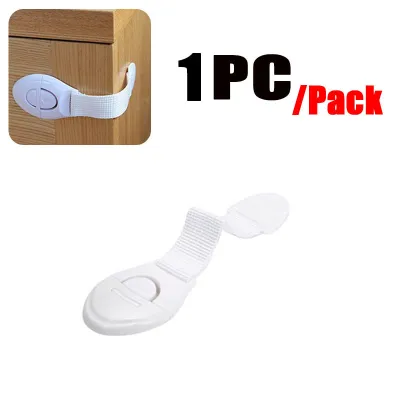
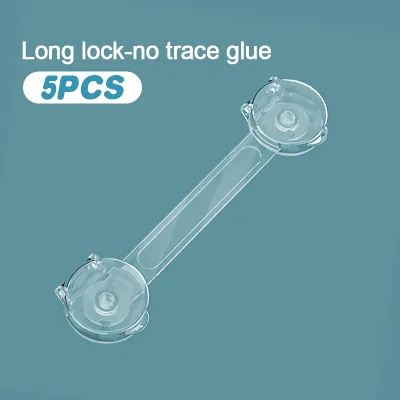
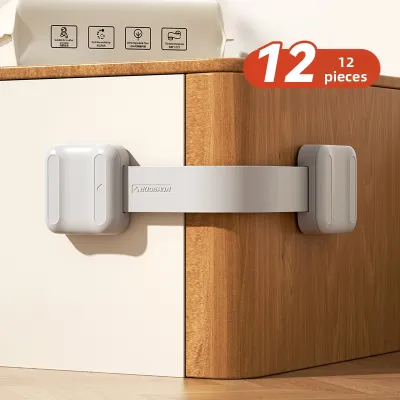
Adhesive strap locks feature a flexible plastic or fabric strap anchored by two adhesive pads. One pad contains a locking cap that can only be released by performing a specific manual action, such as sliding a cover while pressing a button. Sliding locks feature a rigid U-shaped bar that slides through double cabinet handles and locks into place with a ratcheting mechanism.
Brand Examples
- Jool Baby: Jool Baby is highly popular for its multi-use strap locks, which feature a streamlined, low-profile design. Their locks utilize a dual-button release mechanism that requires a level of finger strength and coordination that toddlers under two years old do not possess.
- Skyla Homes: Skyla Homes is widely praised for its flexible strap locks equipped with premium, pre-applied 3M adhesive backings. Their straps are highly adjustable, allowing parents to customize the length to fit tight corners or wide appliance gaps.
Advantages
These locks are incredibly versatile. They can easily secure curved surfaces, corners, refrigerators, ovens, microwaves, trash cans, and sliding wardrobe doors where internal latches are physically impossible to install. They require no drilling, making them an excellent choice for temporary baby-proofing.
Limitations
Because they are mounted on the exterior of your furniture and appliances, they are highly visible and can detract from your home’s interior design. Over time, the flexible straps can stretch slightly, and removing the adhesive pads later can leave a stubborn residue or, in some cases, lift the paint or laminate finish if not removed with proper care.
How to Match Lock Types to Your Cabinet Hardware
Choosing a reliable brand is only half the battle; the lock must also be physically compatible with your specific cabinet and drawer hardware to function effectively.
Cabinet Construction
Modern residential properties in Singapore, such as HDB flats and condominiums, frequently feature frameless (European-style) cabinetry. In frameless cabinets, the doors sit flush against the outer edges of the cabinet box, leaving virtually no interior clearance along the sides. For these setups, internal magnetic locks or external adhesive strap locks are highly recommended, as traditional internal spring latches often lack the necessary clearance to latch properly. Conversely, framed cabinets—more common in traditional carpentry—provide an inner wooden lip that makes installing internal spring-loaded latches straightforward.
Handle Types
The physical design of your cabinet handles dictates which lock styles will work:
- Knobs and D-Handles: Double-door cabinets with adjacent knobs or D-shaped bar pulls are perfect candidates for external sliding locks or pull-cord locks. These require no adhesive or drilling and can be easily removed when the child is asleep or out of the house.
- Handle-less / Push-to-Open Cabinets: Modern, minimalist kitchens often feature handle-less drawers that open via a push-to-release mechanism. For these, internal magnetic locks are the only viable option. Because there are no external handles or gaps, external strap locks have no anchor points, and spring latches cannot be used because you cannot pull the door open slightly without a handle to grab.
- Recessed Handles: Cabinets with integrated J-pull or recessed handles are best secured using flexible adhesive strap locks or internal magnetic systems, as there are no protruding handles to loop mechanical locks around.
Surface Material Considerations
Before applying any adhesive-based lock, evaluate the surface material of your cabinetry. High-strength adhesives can damage delicate wood veneers, raw or unsealed wood, freshly painted surfaces, and textured laminates. If you have high-value or delicate cabinetry, prioritize hardware-mounted (screw-in) locks where the small screw holes can be easily filled and touched up later, or use non-adhesive external slide locks on cabinets with handles.
Hardware Compatibility Matrix
| Cabinet/Hardware Type | Recommended Lock Type | Best Brand Options | Key Benefit |
|---|---|---|---|
| Handle-less / Push-to-Open | Internal Magnetic Lock | Dreambaby, Safety 1st | Keeps the exterior completely clean and functional. |
| Double Knobs or D-Handles | Sliding Cabinet Lock or Pull-Cord | Munchkin, KidKusion | No tools or adhesives required; easy to remove when not in use. |
| Frameless Cabinets (Modern HDB) | Adhesive Strap Lock or Magnetic Lock | Jool Baby, Safety 1st | Fits tight clearances without complex internal carpentry. |
| Appliances & Curved Surfaces | Flexible Adhesive Strap Lock | Skyla Homes, Jool Baby | Bends around corners; highly versatile for ovens and fridges. |
Installation Tips and Maintenance for Lasting Security
Even the most reliable cupboard lock brand will fail if it is installed incorrectly or neglected over time. Proper installation and routine maintenance are essential to ensure your baby-proofing remains secure.
Surface Preparation
To ensure a maximum, long-lasting bond for adhesive locks, clean the cabinet surface thoroughly using rubbing alcohol (isopropyl alcohol). Avoid using standard household spray cleaners or dish soaps, as they often leave behind a microscopic chemical or oily residue that prevents the adhesive from bonding fully to the substrate. Allow the surface to dry completely before applying the lock.
Curing Time
Once you have pressed the adhesive lock firmly onto the cabinet surface, resist the urge to test it or pull on the door immediately. Almost all reputable manufacturers specify a curing time—typically 24 to 48 hours—for the adhesive to reach its maximum bonding strength. Keep the cabinets unlocked or handle them with extreme care during this window to allow the polymer chains in the adhesive to cross-link fully with the surface.
Climate Considerations
Singapore’s tropical climate, characterized by high relative humidity (often averaging over 80%) and elevated kitchen temperatures, can accelerate the degradation of adhesive backings. Regularly check the bond strength of your locks. If the adhesive pads feel soft, sticky, or show signs of sliding out of position, replace the adhesive tape immediately with a high-quality, heat-resistant replacement tape recommended by the manufacturer.
When to Replace
Establish a monthly routine to inspect all baby-proofing devices in your home. Look for signs of wear, such as hairline cracks in plastic components, loose mounting screws, slipping latches, or peeling adhesive tape. Replace any compromised units immediately to prevent unexpected failures when your child applies pressure to the doors.
Frequently Asked Questions (FAQ)
Can I use cupboard locks on glass cabinets?
Using strong adhesive cupboard locks on glass cabinet doors carries specific risks. If a toddler pulls forcefully on an adhesive lock mounted on glass, it can place concentrated stress on a small area, potentially causing the glass to crack or shatter, especially if it is non-tempered. Additionally, removing industrial-strength adhesives from glass can be incredibly difficult and may leave permanent scratches. If you must secure glass cabinets, prioritize external tension-based locks that wrap around the door handles. If adhesive locks are your only option, check the cabinet manufacturer’s care instructions first, and consider applying a safety film to the glass to prevent shattering.
Do magnetic locks work through thick cabinet doors?
Magnetic cupboard locks rely on a magnetic field to pull the internal locking pin. This magnetic force degrades rapidly with distance. Most reliable brands specify a maximum door thickness—typically ranging from 25mm to 38mm (approximately 1 to 1.5 inches). Before purchasing a magnetic lock system, use a ruler or caliper to measure the exact thickness of your cabinet doors and drawer fronts. If your custom cabinetry exceeds the manufacturer’s specified limit, the magnetic key will not be strong enough to disengage the latch, rendering the lock unusable. In such cases, mechanical spring latches or external strap locks are more suitable alternatives.
Community discussion
Share your experience or ask a question. Comments are reviewed before publication.