
When your little one transitions from crawling to cruising, your home suddenly transforms from a peaceful sanctuary into a landscape of potential hazards. In Singapore, where built-in kitchen carpentry, custom bathroom vanities, and low-lying storage units are standard features in most HDB flats and condominiums, securing these spaces is a top priority. Installing a reliable child lock on your cabinets is one of the most effective ways to prevent accidents, keep hazardous household items out of reach, and give yourself peace of mind.
Choosing the right child lock involves understanding your specific cabinetry, your child’s physical capabilities, and the environmental factors that affect lock durability. While several globally recognized safety brands are readily available in Singapore, no single locking mechanism fits every household. Finding the most reliable option requires evaluating how different locks perform on various materials and how well they withstand the curious hands of a growing toddler.
Key Criteria for Choosing Reliable Cabinet Child Locks
To select the most effective child lock for your home, you must first understand the primary locking mechanisms available and how they interact with your furniture. The three main categories are magnetic locking systems, external adhesive latches, and internal mechanical catches. Each mechanism offers a distinct balance of security, aesthetic impact, and ease of installation, making them suitable for different types of cabinets and drawers.
Products mentioned in this guide
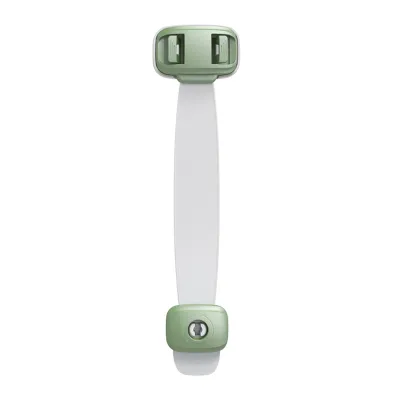
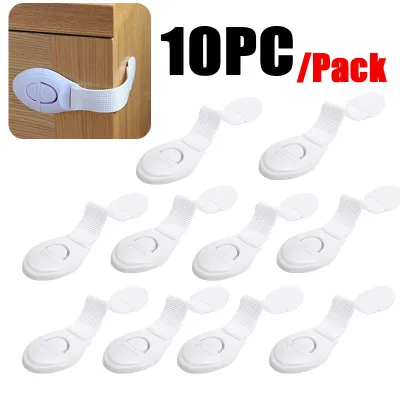
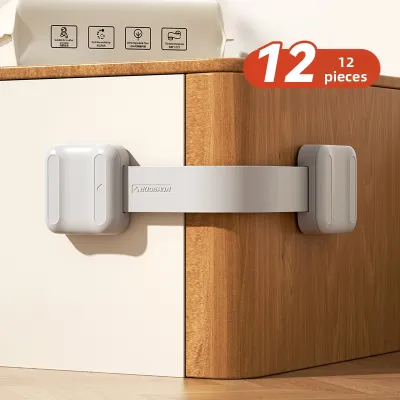
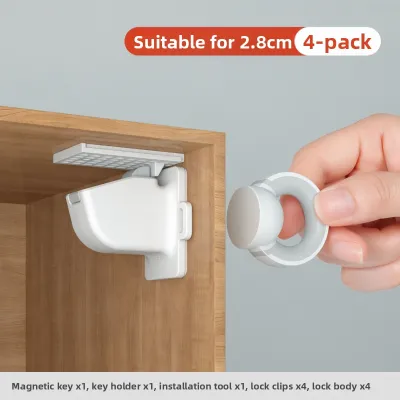
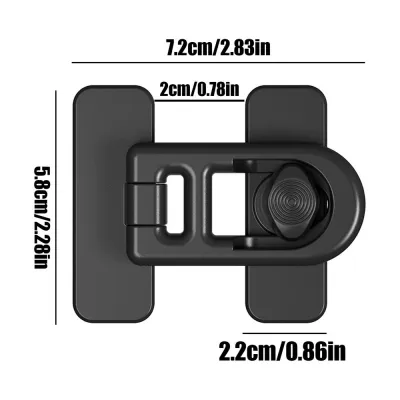
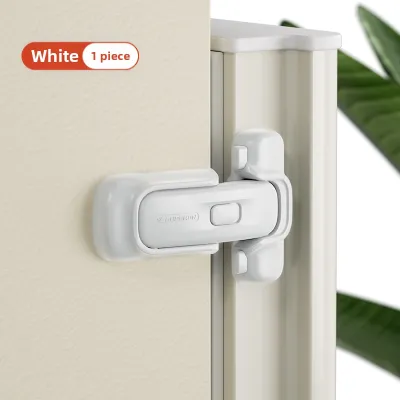
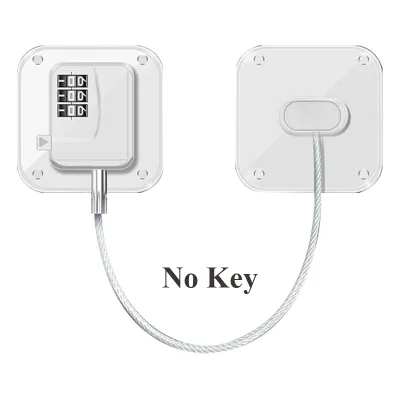
Prices are valid at publication and may change. Please refer to the product page for the latest price.
Cabinet design plays a significant role in determining which lock will work. For example, frameless modern cabinets with flush doors require different securing methods than traditional face-frame cabinets or sliding doors. External strap locks are highly versatile and can bridge corners or secure adjacent double doors, while internal magnetic locks require a flat, vertical surface inside the cabinet frame to mount the latch receiver. Understanding your cabinetry’s geometry prevents purchasing locks that are physically impossible to install.
Another critical factor is the balance between toddler resistance and adult convenience. A child lock that is exceptionally difficult for a toddler to bypass should still allow you to access your kitchen items without constant frustration. Many high-quality locks feature temporary deactivation switches, which allow you to keep the cabinets unlocked during intensive cooking sessions or after the children have gone to bed. This feature preserves the mechanical integrity of the lock by reducing unnecessary wear and tear during adult-only hours.
Parents must also verify manufacturer guidelines regarding the child’s age, developmental stage, and physical strength. A simple plastic latch that successfully deters an eight-month-old crawling infant may easily snap or be bypassed by a determined two-year-old toddler. As children grow, their cognitive and motor skills improve, allowing them to mimic adult movements. Choosing locks with dual-action release mechanisms ensures that even if a child observes you opening a cabinet, they lack the hand strength or coordination to replicate the action.
Finally, always inspect product packaging or official brand websites for recognized safety standard compliance, such as ASTM or EN certifications. In Singapore’s warm and highly humid climate, adhesive longevity is a common pain point. Before buying, check user reviews specifically addressing how well the adhesive holds up over time in humid environments like kitchens and bathrooms. High-quality brands use premium, pressure-sensitive adhesives designed to resist moisture and temperature fluctuations without peeling.
Trusted Child Lock Brands and Mechanisms to Consider
Navigating the baby-proofing market in Singapore reveals several reputable brands specializing in child safety. Brands like Safety 1st, Dreambaby, Munchkin, and Qdos are widely distributed and trusted by parents globally. By examining the specific mechanisms these brands offer, you can determine which system aligns best with your home’s layout, aesthetic preferences, and security needs.

Magnetic Locking Systems (Offered by Brands Like Safety 1st and Dreambaby)
Magnetic locking systems are widely considered the gold standard for parents who prioritize both security and home aesthetics. These systems are installed entirely inside the cabinet or drawer, leaving no visible hardware on the exterior of your furniture. This complete invisibility not only preserves the clean lines of your kitchen carpentry but also removes the visual temptation for toddlers, who are naturally drawn to pull on visible plastic straps or latches.
The system operates using a powerful magnetic key held against the outside of the cabinet door, directly opposite the internal lock. When the key is placed in the correct position, the magnetic force pulls down the internal spring-loaded latch, allowing the door to open. Many magnetic locks, such as those produced by Safety 1st and Dreambaby, include a convenient manual disengagement lever. This lever allows you to temporarily disable the locking mechanism entirely, which is ideal when you are preparing meals and need constant, uninterrupted access to your cabinets.
Despite their high reliability, magnetic systems have specific limitations that you must consider before purchasing. Installation requires precise alignment between the internal latch and the strike plate, though most reputable brands include installation templates or alignment cradles to simplify this process. Additionally, these locks rely on magnetic fields penetrating the cabinet door, meaning they may not function on exceptionally thick solid wood doors (typically over 2.5 to 3.8 centimeters) or cabinets with metal-reinforced panels. You must also keep the magnetic keys stored safely on a high metallic surface, such as your refrigerator, completely out of your child’s reach, and keep a spare key in a designated location to avoid accidental lockouts.
Before purchasing a magnetic lock kit, measure the thickness of your cabinet doors and drawers to verify compatibility with the specific model’s magnetic range. These kits generally fall into a mid-to-high price tier, typically ranging from S$25 to S$60 depending on the number of locks and keys included. The investment is often justified for high-traffic kitchens where long-term durability and a hidden profile are highly desired.
External Adhesive Latches and Straps (Offered by Brands Like Munchkin and Qdos)
External adhesive strap locks and latches are highly versatile and practical baby-proofing tools. These devices consist of a flexible plastic, silicone, or woven strap anchored by two adhesive pads stuck to the exterior surfaces of your furniture. Because the strap can bend around corners and stretch across gaps, these locks are incredibly effective for securing non-standard cabinet configurations, drawers, refrigerators, microwave ovens, and even sliding closet doors.
The primary appeal of external adhesive locks is their tool-free installation, making them an excellent choice for families living in rented properties in Singapore. Renters must often return properties without any permanent alterations, and drilling screws into custom kitchen carpentry can lead to security deposit disputes. Adhesive latches allow you to secure your home thoroughly and can be removed cleanly at the end of your tenancy using heat from a hair dryer and a mild adhesive remover.
However, the effectiveness of these locks depends heavily on the compatibility of the adhesive with your cabinet finishes. Before applying an adhesive lock, verify how the adhesive interacts with your specific cabinet surface, whether it is high-gloss laminate, matte acrylic, painted MDF, or solid wood. Some aggressive adhesives can lift paint or damage delicate wood veneers upon removal. To ensure maximum toddler resistance, look for brands like Munchkin or Qdos that incorporate dual-action release mechanisms, which require pressing two distinct buttons simultaneously or performing a slide-and-press motion to release the strap.
External adhesive locks are generally affordable, typically costing between S$15 and S$35 for multi-packs. While highly convenient, they are fully visible on your furniture, which may tempt some toddlers to pull on them repeatedly. Over time, constant pulling can fatigue the adhesive, making proper surface preparation during installation absolutely critical to ensure a long-lasting bond.
Internal Mechanical Latches and Catches
Internal mechanical latches, often referred to as spring-loaded hook latches, are a classic and cost-effective baby-proofing option. These devices consist of a flexible plastic arm with a hook on the end that is mounted to the inside of the cabinet door, and a corresponding catch plate mounted to the cabinet frame. When you pull the cabinet door open slightly, the hook catches on the plate, stopping the door from opening further and preventing access.
To bypass the lock, an adult must insert their fingers into the narrow gap, press down on the flexible plastic arm to disengage the hook from the catch, and open the door fully. These locks are highly budget-friendly, often sold in large bulk packs for S$10 to S$25, and are straightforward to install using basic household tools like a screwdriver. Because they are mounted inside, they do not impact the external appearance of your cabinetry when the doors are fully closed.
However, internal mechanical latches have a distinct learning curve and present specific safety considerations. Because the cabinet door must open slightly (typically 2 to 3 centimeters) to allow you to press the latch, curious toddlers can see the mechanism inside. Observant children may quickly learn to mimic your finger movements, and the small opening presents a physical risk of finger pinching if a toddler pulls the door open and then lets it snap shut on their fingers. Additionally, as plastic ages and is exposed to fluctuating temperatures, the flexible arms can become brittle and snap under heavy pressure.
Given these characteristics, internal mechanical latches are best utilized as a supplementary baby-proofing measure. They are highly suitable for lower-risk cabinets containing lightweight items like plastic storage containers, mixing bowls, or linens. For cabinets housing heavy cookware, fragile glassware, or household cleaning agents, upgrading to more secure magnetic or dual-action external locks is highly recommended as your child’s physical strength and problem-solving skills develop.
Installation Best Practices and Ongoing Safety Checks
Proper installation is just as important as choosing a high-quality brand. For adhesive-based child locks, surface preparation is the single most critical factor determining whether the lock will hold up or fail within a few weeks. Before peeling off the adhesive backing, clean the target cabinet surface thoroughly using rubbing alcohol (isopropyl alcohol) and a clean microfiber cloth to remove grease, cooking oil, dust, and fingerprints. Avoid using standard household glass cleaners or multi-purpose sprays, as they often leave behind a thin silicone or surfactant residue that prevents the adhesive from forming a strong molecular bond.
Once the surface is completely dry, position the lock carefully according to the manufacturer’s instructions. Peel the backing, apply the lock to the prepared surface, and press firmly across the entire adhesive pad for at least 30 seconds to activate the pressure-sensitive adhesive. After application, it is absolutely vital to let the adhesive cure without any load or tension. Most manufacturers recommend a curing time of 24 to 48 hours. In Singapore’s humid climate, waiting the full 48 hours before latching the lock or allowing your child to pull on it is highly recommended to ensure the strongest possible bond.
Maintaining your child locks requires establishing a routine inspection schedule. At least once a month, conduct a physical check of every lock in your home. Test the mechanical parts for smooth operation, check for signs of plastic degradation or cracking, and look closely at the edges of adhesive pads for any peeling or lifting. If you notice any play in a screw-mounted lock or a loss of adhesion in a strap lock, replace the unit immediately rather than waiting for it to fail completely.
It is vital to remember that no child lock is 100% foolproof. Physical locks serve as a secondary layer of protection and must never replace active adult supervision. High-risk items, such as laundry detergents, aerosol sprays, prescription medications, and sharp kitchen knives, should ideally be stored in high wall cabinets completely out of your child’s line of sight and reach, even if your lower cabinets are locked. Creating a double barrier by locking cabinets and keeping hazardous items elevated provides the highest level of safety.
If you ever observe a lock loosening, showing signs of wear, or failing to latch securely, stop using it immediately and replace the device. If you are concerned about adhesives damaging specialized custom finishes, or if you are unsure whether installing hardware might void your cabinetry’s warranty, consult your cabinet manufacturer or a professional home baby-proofing installer before proceeding. Taking these precautions ensures your home remains both safe for your child and well-preserved for years to come.
Frequently Asked Questions (FAQ)
Can I use adhesive child locks on glass cabinet doors?
Applying standard high-strength adhesive child locks directly to glass cabinet doors is not recommended due to safety risks. When a toddler pulls forcefully on a locked glass door, the concentrated tension on the glass surface can cause the pane to crack or shatter, posing a severe injury hazard. Additionally, removing strong industrial adhesives from glass later can require significant scraping and force, which further increases the risk of breaking the glass.
If you must secure cabinets with glass doors, look for alternative baby-proofing solutions. Consider using magnetic locking systems that mount directly to the wooden or metal support frames of the cabinet rather than the glass pane itself. Alternatively, you can use external strap locks that anchor to the solid wooden frame surrounding the glass, or simply relocate all hazardous, heavy, or fragile items to solid-door cabinets, leaving the glass cabinets completely empty of safety hazards.
What should I do if my toddler figures out the child lock?
If your toddler successfully bypasses a child lock, you must act quickly to upgrade your home safety measures. Children develop cognitive and fine motor skills at different rates, and once they learn to mimic your hand movements or figure out a button sequence, that specific lock is no longer effective. Immediately replace the bypassed lock with a more complex mechanism, such as transitioning from a simple internal mechanical latch to an invisible magnetic system or a highly rated dual-action external strap lock.
Simultaneously, evaluate the contents of the cabinet your child has accessed. Any high-risk items, including household cleaning chemicals, medications, sharp cutlery, and heavy glassware, must be moved immediately to high, completely inaccessible shelves or wall-mounted cabinets. When children reach the developmental milestone of bypassing physical locks, physical relocation of hazards is the most reliable way to ensure their safety while you source and install more advanced security hardware.
Community discussion
Share your experience or ask a question. Comments are reviewed before publication.