
Postpartum recovery requires clothing that accommodates a fluctuating body, supports healing tissues, and handles Singapore’s intense tropical climate. The most comfortable brands prioritize highly breathable organic fibers, seamless constructions, and non-restrictive, adjustable designs. Finding the right brand involves matching your specific recovery path—whether vaginal birth or Cesarean section—with garments engineered to prevent friction, manage postpartum night sweats, and facilitate easy nursing access.
Selecting the right postpartum wardrobe is not just about aesthetics; it directly impacts your physical comfort and healing process during the sensitive fourth trimester. By focusing on specialized design elements and climate-appropriate fabrics, you can build a versatile collection of recovery wear that supports your transition into motherhood with ease.
How to Evaluate Postpartum Brands for Maximum Comfort
Evaluating fabric choice is the single most critical step when assessing postpartum brands, especially given Singapore’s year-round high humidity and temperature. Postpartum hormonal shifts often trigger intense night sweats and sudden body temperature fluctuations. Look for brands utilizing bamboo rayon, modal, Tencel, or long-staple organic cotton. Bamboo and modal are naturally moisture-wicking, highly breathable, and feel exceptionally cool against sensitive skin, helping to regulate body temperature during both day and night.
Products mentioned in this guide
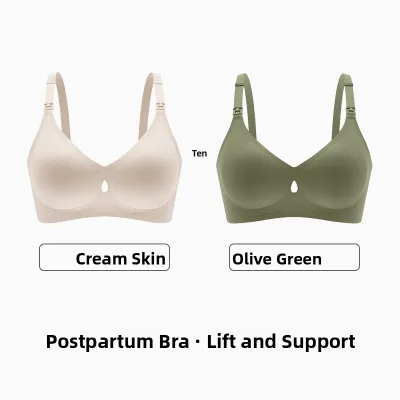
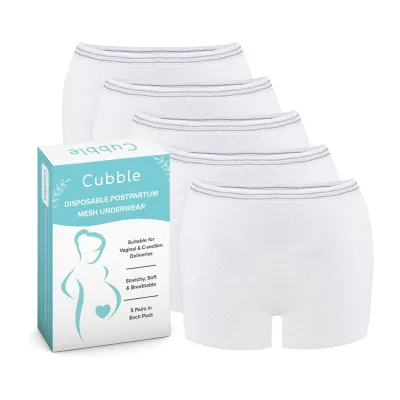
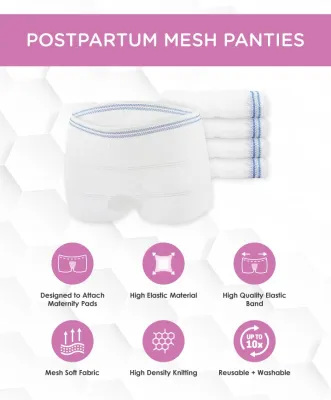
![[SG Stock] Postpartum High Waist Shaping Pants Women Ultrathin Slimming Tummy Panties Abdominal Cooling Pantie](https://img.lazcdn.com/g/p/e70319fb7f3cd80e2f588422a69ca053.jpg_400x400q80.jpg_.webp)
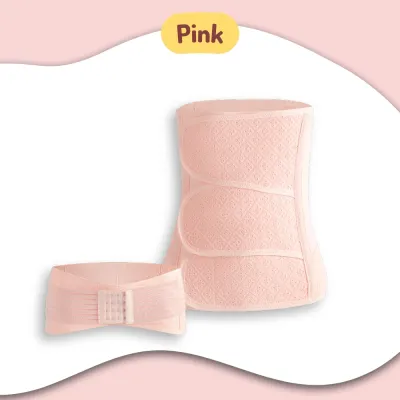
Prices are valid at publication and may change. Please refer to the product page for the latest price.
Your body continues to change rapidly in the weeks following childbirth, making fit adaptability essential. Brands that design with high elastane percentages (typically 8% to 15%) or multi-way stretch fabrics allow garments to shrink and expand without losing their shape. Look for adjustable waistbands that use soft drawstring systems or button-hole elastic rather than stiff, narrow elastic bands that dig into the midsection. Seamless construction is highly beneficial during this period, as it eliminates pressure points along the hips and torso.
Small design details make a significant difference when you are sleep-deprived and caring for a newborn. Evaluate brands based on their use of flatlock seams, which lie completely flat against the skin, and tagless labels to prevent chafing. For nursing, examine the structural design of access points. Brands that integrate discreet, one-handed nursing clips, overlap wrap styles, or side-slit openings allow you to feed your baby or pump without removing layers, preserving both warmth and modesty while reducing friction on sensitive breast tissue.
Matching Brand Features to Your Specific Recovery Needs
C-Section Recovery: Prioritizing High-Waisted and Friction-Free Designs
A Cesarean delivery requires specialized garment considerations to protect the lower abdominal incision. Standard underwear and leggings often feature waistbands that sit directly on this highly sensitive area, causing painful friction and potentially disrupting the healing process. When evaluating postpartum brands, look for ultra-high-waisted designs that extend well above the belly button. This ensures the waistband rests safely away from the incision site, providing a smooth barrier against outer clothing.

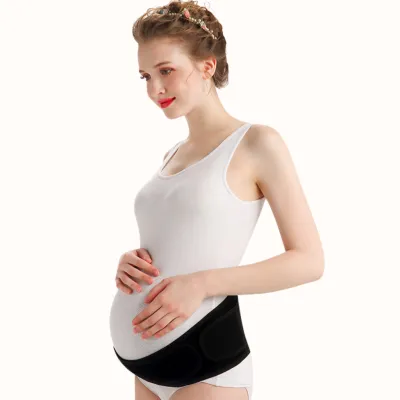
It is vital to understand the difference between medical-grade compression garments and gentle recovery support. Medical compression is designed to increase blood flow and reduce swelling but must be fitted precisely to avoid excessive pressure on healing deep tissues. For daily wear, many mothers prefer brands offering gentle, targeted abdominal support. This light compression provides a reassuring sense of stability for weakened core muscles without restricting breathing or putting downward pressure on the pelvic floor. Always verify the manufacturer’s sizing charts and guidelines to ensure you do not purchase a size that is too restrictive.
Inspect the waistband architecture of any brand you consider. The ideal C-section recovery waistband is wide (at least 8 to 10 centimeters), double-layered, and free of thin, tight elastic bands, allowing it to distribute pressure evenly across the torso. Additionally, verify that the inner lining of the crotch and lower abdomen area is made of a highly breathable, hypoallergenic material like organic cotton or bamboo to keep the incision site dry and clean, minimizing the risk of localized moisture build-up.
Nursing and Rest: Assessing Loungewear for Easy Access and Softness
If you choose to breastfeed or pump, your clothing must facilitate frequent, effortless access. Evaluate how different brands implement their nursing features. Wrap-front tops and dresses are highly convenient for quick access but require durable fabric that will not stretch out or sag over time. Nursing tanks with integrated inner slings and one-handed release clips offer excellent support and convenience, but you should check that the clips are made of smooth, rounded plastic that will not dig into your skin when you lie down to rest.
During the early weeks of postpartum, breast size can fluctuate dramatically due to milk engorgement and supply regulation. Brands that specialize in postpartum loungewear should offer soft, wire-free sleep bras and tanks that provide gentle lateral support without compressing the breast tissue, which can lead to blocked milk ducts or mastitis. Look for garments that offer a loose, flowing silhouette around the abdomen to prevent restriction while maintaining a secure, comfortable fit around the bust.
Postpartum loungewear is subjected to heavy use, frequent spills, milk leaks, and spit-up, requiring frequent washing. Before purchasing from a brand, check the care label instructions. High-quality postpartum wear should be machine-washable and capable of maintaining its softness, shape, and elasticity through multiple wash cycles. Materials blended with high-quality modal or long-staple cotton tend to resist pilling and do not retain odors as easily as purely synthetic activewear fabrics.
Core and Pelvic Support: Evaluating Gentle Compression Over Restrictive Shapewear
Many brands market postpartum shapewear designed to quickly streamline the silhouette. However, restrictive cosmetic shapewear is often unsuitable and potentially harmful during the immediate recovery phase. High-pressure shapewear can force abdominal organs downward, placing excessive strain on a healing pelvic floor and restricting deep diaphragmatic breathing. Instead, seek out brands that explicitly design recovery-focused support garments. These products prioritize stabilizing the pelvis and lower back while encouraging natural alignment, rather than forcefully compressing the waist.
Because your body’s dimensions change daily during the first six weeks postpartum, fixed-size compression garments can quickly become either too loose to provide support or too tight to wear safely. Look for brands that offer multi-panel adjustment systems, such as side-lace adjusters, hook-and-eye closures, or high-quality hook-and-loop fasteners. This allows you to customize the level of support as your uterus contracts and swelling subsides, ensuring a safe and comfortable fit at every stage.
Before wearing any compression or support garments, you must consult your obstetrician, gynecologist, or a pelvic floor physiotherapist. This is especially critical if you experienced a complicated delivery, a third- or fourth-degree tear, or are experiencing symptoms of pelvic floor dysfunction. Always follow the manufacturer’s specific guidelines regarding daily usage limits, and immediately discontinue use if you experience pain, shortness of breath, or increased pelvic pressure.
Where to Find and Try Comfortable Postpartum Wear in Singapore
While online shopping offers convenience, visiting a physical specialty maternity boutique in Singapore provides distinct advantages. High-end retail hubs and maternity stores located in areas such as Orchard Road, Great World, or specialized baby-care shopping complexes allow you to physically assess fabric textures and weight. This is particularly valuable for evaluating how soft a material feels against sensitive skin or healing scars. Many of these physical boutiques employ experienced staff who can assist with professional sizing, which is highly beneficial as your pre-pregnancy size may not align with your postpartum dimensions.
For a wider selection of international and local brands, official brand websites and dedicated maternity sections of trusted online marketplaces are excellent resources. When shopping online, utilize customer review sections to look for feedback from other postpartum mothers, specifically searching for comments regarding fabric durability, sizing accuracy, and how well the garments perform in Singapore’s humid climate. Buying directly from official brand stores often ensures you receive genuine products and access to the latest product specifications and sizing guides.
Purchasing intimate apparel, nursing bras, and support wear online carries a risk of incorrect sizing. Before finalizing your purchase, carefully review the retailer’s return and exchange policies. Many brands enforce strict hygiene regulations that prohibit the return of opened underwear, nursing pads, or worn support garments. Look for retailers that offer clear sizing exchange windows for unworn items with tags attached, and consider purchasing a single test item before investing in a complete postpartum wardrobe.
Frequently Asked Questions (FAQ)
How long is it safe to wear postpartum support garments daily?
Most manufacturers and healthcare professionals recommend limiting the wear of gentle postpartum support bands or garments to around 4 to 6 hours daily during the initial weeks of recovery. Continuous, 24-hour wear is highly discouraged, as your core muscles need opportunities to engage and rebuild strength naturally. Always consult your healthcare provider to establish a personalized schedule, and ensure you remove the support garment before sleeping unless specifically advised otherwise by a medical professional.
Can regular maternity clothes double as postpartum wear?
While late-stage maternity clothes can accommodate your early postpartum body shape, they often lack the specialized functionality required for optimal recovery. Standard maternity wear is designed to stretch over a growing belly but rarely provides the targeted abdominal support, structured C-section incision protection, or discreet, durable nursing access points found in dedicated postpartum garments. Investing in a few high-quality postpartum-specific pieces can significantly improve your comfort and ease during the healing process.
Which fabrics should be avoided for postpartum recovery in Singapore?
In Singapore’s hot and humid climate, you should avoid heavy synthetic fabrics such as unblended polyester, low-grade nylon, and thick acrylic. These materials lack breathability and trap heat and sweat close to the body, which can irritate sensitive skin, cause heat rashes, and create an environment highly conducive to bacterial growth. This is particularly dangerous for healing C-section incisions or perineal tears, where maintaining a clean, dry, and cool environment is essential for preventing infection.
Community discussion
Share your experience or ask a question. Comments are reviewed before publication.