
Quick Answer: Finding the Most Comfortable Feeding Pillow for Long Sessions
No single feeding pillow brand is universally the most comfortable for every mother. Comfort during extended breastfeeding sessions depends heavily on your unique body shape, your preferred nursing posture, and the structural design of the pillow. For mothers who prefer an upright, highly structured posture, firm wrap-around designs provide excellent lumbar support and keep the baby at a consistent height. Conversely, softer C-shaped pillows offer greater versatility for relaxed, laid-back feeding styles but may require additional support to prevent slouching. Ultimately, the most comfortable feeding pillow is one that lifts your baby to the level of your breast without forcing you to lean forward, thereby preventing muscle strain in your neck, shoulders, and lower back.
Key Comfort Features for Extended Breastfeeding Sessions
To understand why certain feeding pillows feel comfortable during a ten-minute feed but cause intense fatigue during a forty-minute session, it helps to examine the physical mechanics of nursing. When breastfeeding, you hold a baby weighing anywhere from three to over seven kilograms for multiple hours a day. Without proper support, your muscles must constantly contract to hold that weight, leading to strain.

Fill Density and Structural Firmness
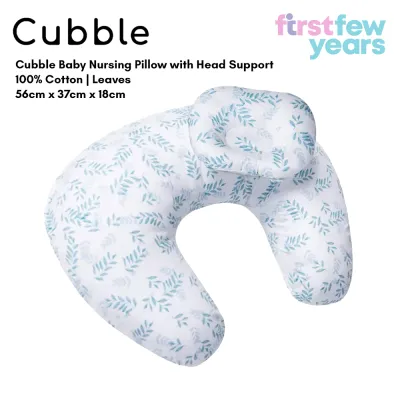
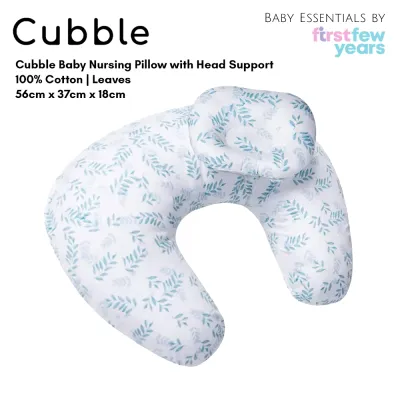
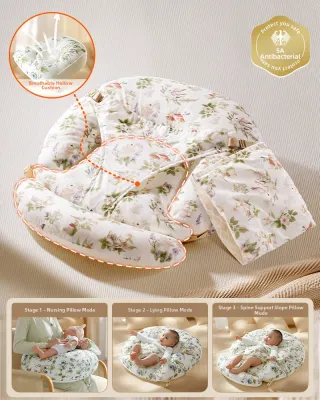
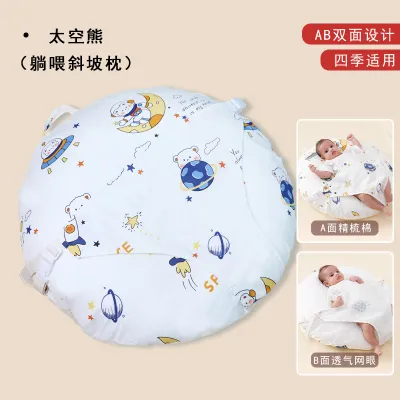
Products mentioned in this guide
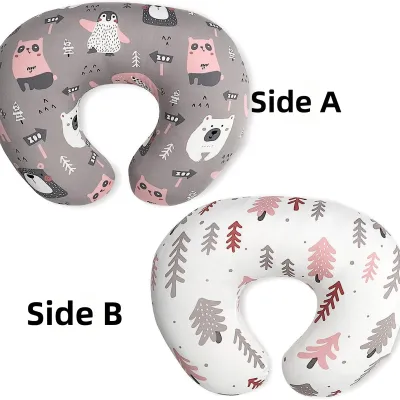
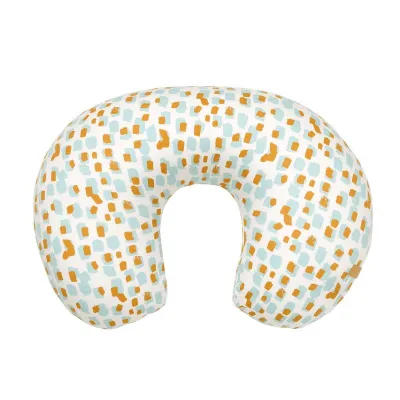
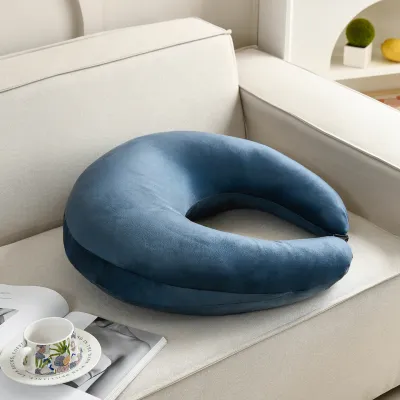
![[Cover only] My Brest Friend Original Nursing Pillow SlipCover - 8 Designs (New)](https://img.lazcdn.com/g/p/d9cf158bb651312b2d2ea8260a82a4ba.png_400x400q80.png_.webp)
Prices are valid at publication and may change. Please refer to the product page for the latest price.
The density of the inner fill is the most critical factor in long-term comfort. High-density polyurethane foam or tightly packed, firm polyester fiberfill provides a stable platform that does not compress under your baby’s weight. When a pillow is too soft, the baby slowly sinks over the course of a feeding session. This forces you to hunch your shoulders, bend your neck, or use your forearms to prop the baby back up, leading to wrist fatigue and tension headaches. A firm surface keeps the baby securely positioned at latch height, allowing your arms and shoulders to relax completely.
Ergonomic Shape and Weight Distribution
An effective feeding pillow must distribute your baby’s weight away from your upper body and across your hips, thighs, or lower back. Wrap-around designs that secure around your torso transfer the downward force of the baby’s weight directly to your skeletal structure rather than relying on your muscular strength. Contoured shapes that fit snugly against your abdomen prevent gaps from forming between your body and the pillow, which stops the baby from slipping down into a crevice.
Cover Breathability and Fabric Texture
In Singapore’s warm and humid climate, material selection is paramount for comfort. Extended nursing sessions involve prolonged skin-to-skin contact, which naturally generates body heat. Covers made from synthetic, non-breathable fabrics can trap heat and moisture, leading to sweating, skin chafing, and general discomfort for both you and your baby. Look for breathable, moisture-wicking materials such as organic cotton, bamboo-derived rayon, or specialized 3D mesh. These fabrics help regulate temperature, keeping the feeding environment cool and dry even during long afternoon sessions.
Verifying Specifications and Care Instructions
Because material names on a retail label do not guarantee performance, always verify the manufacturer’s detailed specifications. Check the density of the foam, the weight limits recommended for the pillow, and the specific care instructions. A high-quality cover should be easily removable and machine washable, while the inner core should have clear guidelines on how to clean and dry it without compromising its structural integrity.
Comparing Popular Feeding Pillow Designs and Brand Styles
To find the right fit, it is helpful to compare the primary design categories available in Singapore. Different brands champion distinct structural philosophies, each offering unique trade-offs for long breastfeeding sessions.
Firm Wrap-Around Designs (e.g., My Brest Friend Profile)
Firm wrap-around designs are engineered specifically to prioritize ergonomic alignment and maternal posture during long, upright nursing sessions. These pillows typically feature a flat, rigid foam platform that wraps completely around your waist and secures with an adjustable strap and buckle.
The primary advantage of this design is its exceptional stability. Once buckled in place, the pillow does not slip, slide, or drift away from your body, even if you shift your position. The flat surface prevents your baby from rolling inward or outward, keeping them securely positioned on their side for an optimal latch. Many models in this category also include a raised lumbar support pad that rests against your lower back, encouraging you to sit upright and reducing the temptation to slouch. This makes them highly effective at preventing the lower back pain and shoulder tension associated with long, frequent feeds.
However, these structured designs come with specific trade-offs. The rigid foam core can feel bulky and cumbersome to store, which can be a consideration in compact Singapore apartments. There is also a minor learning curve associated with adjusting the straps and silently releasing the buckle if your baby falls asleep. Additionally, because the surface is completely flat and firm, some babies who prefer a softer, more nest-like resting surface may initially resist it. You can easily resolve this by draping a soft, breathable muslin cloth over the platform to add a layer of gentle texture without sacrificing the underlying support.
Soft C-Shaped Lounge Designs (e.g., Boppy Profile)
Soft C-shaped pillows represent the classic, highly versatile approach to infant support. These pillows feature a semi-circular design that slides easily around your waist without the need for straps, buckles, or complex adjustments.
The main appeal of C-shaped pillows lies in their simplicity and multi-functional utility. They are incredibly easy to pull on and off, making them convenient for quick feeds or when you are moving between different rooms. Because they are filled with soft polyester fiberfill or virgin cotton, they offer a plush, cushioned surface that many babies find highly comforting. Beyond breastfeeding, these pillows are often designed to transition through various developmental stages, serving as a supportive prop for supervised tummy time or as a cushion to help older infants practice sitting up. Always verify the manufacturer’s age and developmental guidelines before using the pillow for non-feeding activities.
For long, extended breastfeeding sessions, however, the soft nature of these pillows presents challenges. The fiberfill naturally compresses under the baby’s weight over time, which can gradually lower the baby’s position and require you to hunch forward to maintain the latch. Because there are no straps to secure the pillow to your body, it can slowly drift forward, creating a gap where the baby might slip. To maintain comfortable posture during long sessions with a C-shaped pillow, you will often need to place additional standard bed pillows under your elbows or behind your lower back to compensate for the lack of built-in structural support.
Adjustable and Ergonomic Designs (e.g., Hugsie or Modular Profiles)
Adjustable and modular feeding pillows are designed to address the reality that no two maternal bodies or babies are shaped exactly alike. These products often feature unique ergonomic curves, stackable layers, or adjustable straps that allow you to customize the height, angle, and firmness of the support.
Some designs in this category utilize a modular, multi-layered system where you can add or remove fabric wedges or foam inserts. This allows you to raise one side of the pillow to support a baby suffering from reflux, or to lower the height as your baby grows larger and requires less elevation to reach the breast. Other ergonomic designs, such as long, contoured body pillows that transition from pregnancy support to nursing pillows, wrap around your body in a customized spiral, providing tailored support to your back, hips, and arms simultaneously. This high degree of adjustability makes them excellent for families where multiple caregivers of different heights and torso lengths share feeding duties.
The primary drawback of adjustable and modular designs is their complexity and cost. In Singapore, these premium, highly customizable pillows generally sit at a higher price point, often ranging from S$80 to over S$150. Managing multiple removable parts, adjusting straps, or washing complex multi-piece covers can also add to your daily chore load. If you appreciate simplicity, the process of configuring the pillow for each feed might feel tedious, but for mothers dealing with persistent physical discomfort or unique postural needs, the ability to customize the support is often well worth the extra effort.
How to Choose the Right Feeding Pillow for Your Nursing Style
Selecting the ideal feeding pillow requires matching the pillow’s structural characteristics to your physical recovery, your home environment, and your preferred nursing positions. Use this conditional framework to guide your decision:
Choose a firm wrap-around pillow if:
- You experience persistent lower back, neck, or wrist pain during or after long feeding sessions.
- You primarily nurse in an upright, seated position, such as in a dedicated nursing chair or glider.
- You want a secure, hands-free platform that keeps your baby at a consistent height without shifting.
- You prefer a highly structured setup and do not mind a slightly bulkier item that takes up more storage space.
Choose a soft C-shaped pillow if:
- You prefer relaxed, laid-back, or semi-reclined nursing positions where a rigid backrest would get in the way.
- You want a highly versatile, multi-purpose item that can also support your baby during supervised developmental milestones.
- You already have a highly supportive armchair with wide, cushioned armrests that can help support your elbows.
- You value quick, hassle-free setup without dealing with buckles or straps.
Choose an adjustable or modular pillow if:
- You and your partner or another caregiver of a significantly different body size will share the pillow for feeding.
- You have a particularly long or short torso, making standard-sized pillows either too low or too high for a comfortable latch.
- Your baby has specific feeding comfort needs, such as a recommended incline to help manage reflux.
- You want a single product that can adapt its height and support level continuously as your baby grows heavier.
Crucial Post-Surgery Verification Check
If you have recently undergone a C-section or any other abdominal surgery, you must exercise extra caution when choosing and positioning a feeding pillow. Some firm wrap-around waistbands, heavy buckles, or rigid inner edges can press directly against your healing incision, causing pain or skin irritation. In the early weeks of recovery, a softer, looser C-shaped pillow or an adjustable design that can be positioned higher up on your ribcage—well away from your lower abdomen—may provide a much more comfortable experience. Always check the product’s placement instructions, and consult your doctor, midwife, or a certified lactation consultant if you experience any pain or discomfort while using the pillow.
Posture Checks, Safety, and Care for Daily Use
To ensure your feeding pillow remains a safe, hygienic, and effective tool throughout your breastfeeding journey, you must integrate proper posture habits, strict safety boundaries, and regular maintenance into your daily routine.
Maternal Posture Checklist
During a long feeding session, it is easy to let your posture slip as you focus on your baby. Use this quick checklist to verify your alignment and prevent long-term physical strain:
- Ears over shoulders: Keep your head upright. Avoid tilting your chin down toward your chest for extended periods.
- Relaxed shoulders: Ensure your shoulders are rolled back and down, not hunched up toward your ears.
- Neutral wrists: Your wrists should be straight and relaxed, resting gently on the pillow rather than actively gripping or lifting the baby's weight.
- Tummy-to-tummy alignment: Your baby's body should be turned fully toward yours, with their chest and stomach resting against your torso. This ensures their neck remains straight and aligned, which supports a deep, comfortable latch.
If you find yourself leaning forward or slouching to maintain the latch, the pillow is too low. Do not bend your body to meet the baby; instead, raise the pillow by placing a folded blanket underneath it, or slide a small footstool under your feet to bring your knees up slightly.
Strict Safety Boundaries
Feeding pillows are designed solely to support active, supervised feeding sessions. They are not safety devices, and they are strictly prohibited for infant sleep. Never leave your baby unattended on a feeding pillow, even for a moment. Because of their soft, contoured shapes, babies can easily roll, slip, or slump into positions that compromise their airway, presenting a severe risk of suffocation. If your baby falls asleep during a feed, gently transition them to a safe, flat, firm sleep surface, such as a crib or bassinet, in accordance with safe sleep guidelines.
Care and Maintenance for Singapore’s Climate
Daily use of a feeding pillow inevitably leads to milk spills, spit-up, and sweat. To keep the pillow hygienic and prevent the growth of mold or mildew—which thrives in Singapore’s high humidity—regular cleaning is essential. Always check the manufacturer’s care label before washing any part of the pillow. While most outer covers are designed to be machine washed in cold water, the inner foam or fiberfill core usually requires specialized care. Solid foam cores should never be submerged in water; instead, spot-clean them with a damp cloth and mild detergent, then allow them to air dry completely in a well-ventilated space away from direct sunlight. If the inner fill is machine washable, ensure it is dried thoroughly on a low-heat setting to prevent the fibers from clumping, which would permanently ruin the pillow’s supportive shape.
Frequently Asked Questions (FAQ)
Can I use regular bed pillows instead of a dedicated feeding pillow?
While you can certainly use standard bed pillows to support your baby during occasional or short feeds, they are generally not suitable for long, frequent breastfeeding sessions. Regular bed pillows are typically filled with loose down, feathers, or soft synthetic fibers designed to cushion a head, not to support a concentrated weight. Consequently, they compress rapidly under a baby’s weight, causing the baby to sink and forcing you to hunch forward to maintain the latch. Furthermore, bed pillows lack the contoured shapes and securing straps of dedicated feeding pillows, meaning they will easily slide apart or drift away from your body during a session. This constant shifting requires you to tense your arms, shoulders, and neck to keep the baby in place, leading to significant physical fatigue and muscle strain over time. Investing in a dedicated feeding pillow provides the consistent firmness, ergonomic shape, and reliable stability needed to make long nursing sessions comfortable and physically sustainable.
Community discussion
Share your experience or ask a question. Comments are reviewed before publication.