
Finding the right breast feed pillow is one of the most critical decisions a nursing mother can make to ensure physical well-being during extended feeding sessions. In the early weeks and months of parenthood, newborns feed frequently, with individual sessions often lasting anywhere from 20 to 45 minutes. Accumulating hours of holding an infant without proper support inevitably leads to muscle fatigue, rounded shoulders, and persistent back pain. A dedicated nursing cushion acts as an ergonomic bridge, lifting the baby to the correct height and allowing the caregiver to maintain an upright, relaxed posture.
While many expectant parents assume any standard bed pillow can do the job, specialized nursing pillows are engineered with specific densities, shapes, and materials to address the unique biomechanics of breastfeeding. Selecting the wrong support can result in a constant struggle with slipping cushions, a slumping baby, and worsening physical strain. By understanding how different designs distribute weight and support the body, you can select a cushion that transforms feeding times into a comfortable, bonding experience.
How to Choose a Breast Feed Pillow for Extended Comfort
Firmness vs. Softness
When evaluating a breast feed pillow, structural firmness is the single most important factor for preventing physical strain. A pillow that feels wonderfully soft and plush to the touch often fails to provide adequate support once the weight of a baby is applied. When an infant sinks into a soft cushion, their body weight pulls them downward, creating a gap between the baby and the breast. To compensate, the mother is forced to hunch forward, strain her neck, and use her arms to hold the baby up, defeating the purpose of the pillow.
Products mentioned in this guide
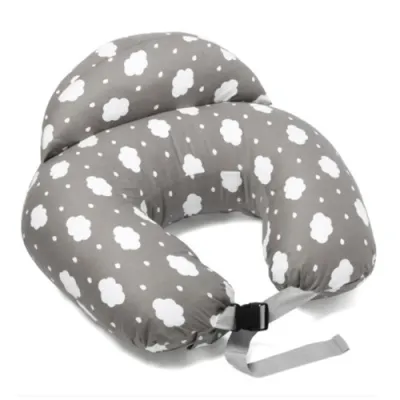
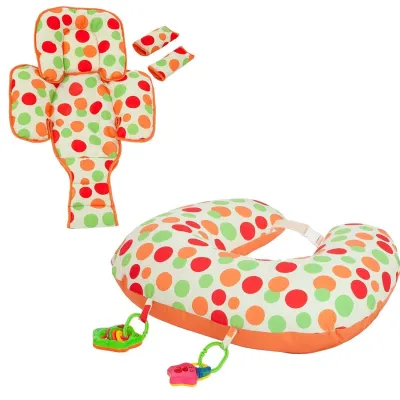
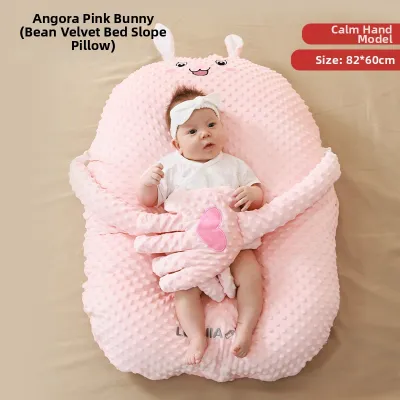

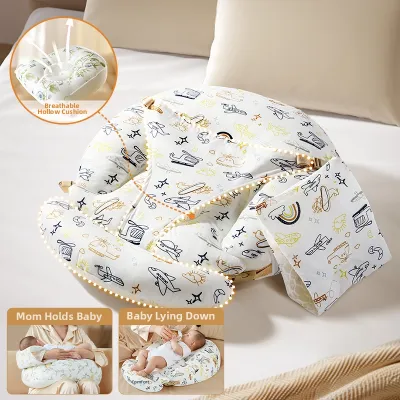
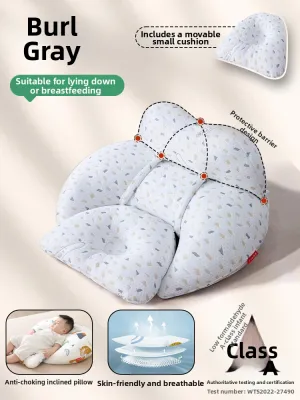

Prices are valid at publication and may change. Please refer to the product page for the latest price.
Conversely, a firm core maintains its shape and height throughout the entire feeding session. High-density foam or tightly packed fiberfill keeps the baby positioned directly at the level of the nipple, allowing the mother to keep her shoulders relaxed and her spine aligned. As the baby grows and gains weight—often doubling their birth weight within the first few months—a firm pillow continues to offer reliable support without sagging or flattening under the increased load.
Ergonomic Shapes
Nursing pillows come in several distinct shapes, each designed to distribute weight differently across the caregiver’s body. The wrap-around design physically secures around the waist, providing a continuous, flat platform that supports both the baby and the mother’s forearms. This shape is highly effective at transferring the weight of the baby away from the upper back and shoulders, distributing it evenly across the hips and lap.
C-shaped pillows are open-ended cushions that slide easily around the front or side of the torso. They offer excellent flexibility, allowing the caregiver to position the bulk of the support under the baby’s head and torso regardless of the chosen feeding angle. Wedge pillows, which feature a compact, sloped design, focus entirely on providing targeted lift under the baby or the mother’s arm, making them highly portable and easy to position in tight spaces.
Cover Materials
For parents living in Singapore, the local climate plays a major role in determining the comfort of a nursing pillow. With high year-round temperatures and relative humidity levels often exceeding 80 percent, close skin-to-skin contact during long feeding sessions can quickly lead to overheating, sweating, and skin irritation for both mother and baby. Synthetic fabrics like polyester or heavy plush covers tend to trap heat and moisture, making long sessions uncomfortable.
To ensure maximum comfort, look for breathable, moisture-wicking, and hypoallergenic cover materials. Natural fibers such as organic cotton, bamboo-derived rayon, and linen allow air to circulate freely, keeping both caregiver and infant cool. Additionally, because spills, spit-up, and milk leaks are inevitable, the pillow must feature a easily removable, machine-washable cover with high-quality zippers that can withstand frequent laundering without shrinking or losing shape.
Adjustability and Fit
Postpartum bodies come in all shapes and sizes, and a nursing pillow must be able to adapt to these physical differences to provide effective support. A pillow that fits too loosely will slide away from the body during a feed, creating a dangerous gap where the baby can slip. To prevent this, many high-quality pillows incorporate adjustable straps, buckles, or hook-and-loop fasteners that secure the cushion tightly against the torso.
Adjustable features also allow the caregiver to customize the height and angle of the pillow as the baby grows. In the early weeks, a tighter, higher fit is often necessary to support a tiny newborn with limited neck control. As the infant develops better trunk stability and grows longer, the pillow can be adjusted to sit lower on the hips, ensuring the baby remains at the optimal height for a comfortable latch without causing the mother to strain her back.
Top Breastfeeding Pillow Designs for Sustained Support
The Firm Wrap-Around Design (Best for Arm and Back Strain Relief)
The firm wrap-around nursing pillow is widely considered the gold standard for mothers experiencing significant back, shoulder, or wrist strain. This design features a flat, rigid foam platform that completely encircles the mother’s waist, securing in place with an adjustable strap and buckle. By fastening securely to the body, this style eliminates the common frustration of the pillow shifting or sliding forward when the mother moves or adjusts her seating position.

Because the wrap-around style keeps the pillow flush against the torso, it completely closes the gap between the mother and the baby. This structural stability allows the baby to rest securely on their side, facing the breast, without rolling inward or outward. The flat, firm surface acts as a reliable shelf, taking the entire weight of the infant off the mother’s wrists, forearms, and shoulders, which is particularly beneficial for those recovering from de Quervain’s tenosynovitis (commonly known as “mommy’s wrist”) or shoulder tension.
Many premium wrap-around models also feature built-in contours or raised elbow rests. These subtle design elements encourage the mother to rest her arms naturally, keeping her shoulders down and relaxed. By preventing the elevation of the shoulder girdle, these pillows help reduce tension headaches and upper back spasms that often plague breastfeeding mothers during the first few months of intensive nursing.
However, the wrap-around design does have a few limitations that parents should consider. The rigid foam core and secure strap system make these pillows physically bulkier than other designs, which can make them difficult to store in smaller living spaces or HDB apartments. Additionally, buckling and adjusting the strap typically requires the use of both hands, which can be challenging if you are already holding a crying or sleeping baby and trying to settle into a chair.
The Plush C-Shaped Design (Best for Versatility and Multi-Position Feeding)
The classic C-shaped nursing pillow is a highly popular option valued for its simplicity, plush comfort, and multi-functional design. Unlike wrap-around models, the C-shaped pillow does not feature straps or buckles; instead, it relies on a flexible, springy structure that slides easily around the waist. This open-back design makes it incredibly quick to put on and take off, allowing mothers to transition into a feeding session with minimal setup.
The soft, plush feel of a C-shaped pillow is highly comforting, conforming gently to both the mother’s lap and the baby’s body. Because it can be easily rotated around the torso, it supports a wide variety of feeding positions. A mother can position the bulk of the pillow directly in front for a traditional cradle or cross-cradle hold, or slide it around to the side to support the baby’s body in a football (clutch) hold, which is often recommended for mothers recovering from a Caesarean section.
Another major advantage of the C-shaped design is its versatility beyond breastfeeding. As the baby grows, the pillow can transition through various developmental stages. It can be used to support the mother’s back or knees during pregnancy, and later serves as a supervised propping seat for infants learning to sit upright, or as a supportive prop during tummy-time sessions. This multi-stage usability provides excellent long-term value for families.
Despite its versatility, the C-shaped pillow has notable drawbacks for long feeding sessions. Because it lacks a securing strap, the pillow can gradually drift away from the mother’s body as the baby moves, requiring frequent manual adjustments to close the resulting gap. Furthermore, the softer fiberfill materials used in many C-shaped pillows tend to compress over time, meaning the pillow may lose its height and require regular fluffing or eventual replacement to maintain proper ergonomic support.
The Ergonomic Wedge Design (Best for Targeted Lift and Compact Spaces)
For mothers who prefer a minimalist setup or have limited living space, the ergonomic wedge nursing pillow offers a highly targeted, compact solution. Rather than wrapping around the entire waist, the wedge is a smaller, sloped cushion designed to be placed strategically under the baby’s head and torso or under the caregiver’s arm. This targeted design focuses entirely on providing lift where it is needed most, without the bulk of a full-sized pillow.
The angled slope of a wedge pillow is engineered to position the baby at a gentle incline, which can assist with digestion and help reduce spit-up or symptoms of reflux after feeding. Because of its compact size, the wedge is incredibly easy to pack into a diaper bag, making it the ideal companion for travel, dining out, or visiting family. It allows mothers to maintain proper feeding ergonomics even when away from their dedicated nursing setup at home.
In a home environment, the wedge pillow is perfect for mothers who prefer to use their existing household furniture and cushions for support. A mother can sit on a sofa or bed, place a standard firm pillow behind her lower back for lumbar support, and use the compact wedge solely to elevate the baby to the correct height. This modular approach to comfort allows for a highly customized seating arrangement that can be easily adjusted throughout the day.
However, the primary limitation of the wedge design is its lack of integrated back or arm support. Because the cushion only supports the baby, the mother’s elbows and forearms are left without a dedicated resting platform, which can lead to arm fatigue during long, continuous feeding sessions. Additionally, because the wedge does not attach to the body, the caregiver must remain relatively still to keep the cushion and the baby properly aligned.
Comparing Nursing Pillow Shapes for Strain Reduction
To help you determine which nursing pillow design best aligns with your physical needs, feeding preferences, and home environment, the table below provides a direct comparison of the three primary shapes.
| Design Type | Core Firmness | Back/Arm Support Level | Best Feeding Position | Ideal User Profile |
|---|---|---|---|---|
| Wrap-Around | High (Rigid Foam) | Excellent (Integrated back and arm support) | Cradle, Cross-Cradle | Mothers with chronic back/shoulder pain seeking maximum stability |
| C-Shaped | Medium (Plush Fiberfill) | Moderate (Side arm support, no back support) | Cradle, Football Hold | Parents looking for a versatile, multi-use pillow for feeding and developmental play |
| Wedge | Medium-High (Angled Foam) | Minimal (Targeted baby lift only) | Cradle, Angled/Reflux feeding | On-the-go parents or those with limited space who prefer a modular setup |
As your baby grows, their physical dimensions and developmental needs will change, which may require you to adapt how you use your nursing pillow. In the first three months, when the baby has minimal neck control and feeds frequently, a highly firm wrap-around pillow is often the most effective tool for establishing a proper latch and protecting the mother’s back. During this stage, the priority is keeping the infant stable and elevated without constant physical effort from the caregiver.
Between four and six months, as the baby gains head control and becomes more active, you may find that a softer, more flexible C-shaped pillow or a compact wedge provides a more comfortable fit. As the infant’s torso lengthens, they will naturally require less vertical lift to reach the breast. During this transition, you can supplement your setup by placing regular household cushions under your elbows or behind your lower back, allowing you to customize the support to match your baby’s growing body and increasing mobility.
Practical Tips to Maximize Comfort During Long Feeds
"Bring Baby to Breast"
The most fundamental rule of ergonomic breastfeeding is to always bring the baby to the breast, rather than bringing the breast to the baby. When a mother leans forward—even slightly—to meet her baby, she places immense strain on her cervical and thoracic spine. Over a 40-minute feeding session, this hunched posture forces the neck muscles to work overtime to support the weight of the head, leading to severe upper back tightness and tension headaches.
To practice this rule correctly, settle into your nursing chair and position your breast feed pillow on your lap before picking up your baby. Once you place the baby on the pillow, assess their height relative to your nipple. If the baby’s mouth is below the nipple, do not lean down; instead, lift the pillow by placing a rolled-up blanket or an extra cushion underneath it until the baby is perfectly aligned with your breast. Your torso should remain fully upright and supported by the backrest of your chair throughout the entire feed.
Layering for Lumbar Support
While a high-quality nursing pillow supports the front of your body, maintaining the natural curve of your lower spine is equally important for preventing long-term back pain. Many standard nursing chairs or sofas have deep seats that encourage slouching, which flattens the lumbar curve and strains the lower back muscles during long sessions.
To prevent this, always place a small, firm cushion or a rolled-up towel directly behind your lower back when feeding. This additional lumbar support keeps your pelvis in a neutral position and prevents your spine from slumping into a C-curve. If you are using a C-shaped or wedge pillow that lacks integrated back support, this simple adjustment can dramatically reduce lower back fatigue and make extended nursing sessions significantly more comfortable.
Arm Elevation
Even with a supportive nursing pillow, caregivers often unconsciously tense their shoulders, holding them high and tight while focusing on the baby’s latch. This static muscle contraction restricts blood flow and leads to rapid fatigue in the trapezius and shoulder muscles. To keep your upper body relaxed, your elbows must be fully supported at a height that allows your shoulders to drop naturally.
If your nursing pillow does not feature integrated armrests, or if your chair’s armrests are too low, place small throw pillows or folded blankets under your elbows. This extra support takes the weight of your arms off your shoulders, allowing you to keep your elbows tucked comfortably at your sides. Regularly check in with your body during a feed: take a deep breath, consciously roll your shoulders back, and let them drop down away from your ears.
Safety Reminder
While nursing pillows are invaluable tools for feeding comfort, they must always be used with strict adherence to safety guidelines. Always follow the manufacturer’s specific age, weight, and developmental warnings for your product. Nursing pillows are designed solely as active feeding supports and must only be used under direct, constant caregiver supervision. Never leave a baby unattended on a nursing pillow, and never allow a baby to sleep on one.
Soft, contoured surfaces pose a serious risk of positional asphyxiation if an infant’s head rolls forward or if they turn face-down into the cushion. If your baby falls asleep during or immediately after a feeding session, always transfer them to a safe, flat, firm sleep surface, such as a crib or bassinet. Additionally, stop using propping positions or structural supports as soon as your baby begins to roll over or show signs of independent mobility, as they can easily roll off the cushion and sustain an injury.
Frequently Asked Questions (FAQ)
Can a nursing pillow completely prevent back pain?
While a well-designed nursing pillow significantly reduces musculoskeletal strain by supporting the baby’s weight and improving feeding posture, it cannot guarantee the complete prevention of back pain. Postpartum back discomfort can stem from a variety of factors, including pregnancy-related joint laxity caused by the hormone relaxin, pelvic floor recovery, and the physical demands of carrying a baby throughout the day. If you experience persistent, severe, or worsening back pain, it is highly recommended to consult a healthcare professional, physiotherapist, or certified lactation consultant to evaluate your posture, latch mechanics, and physical recovery.
What is the safest way to clean a breast feed pillow after a spill?
To clean a nursing pillow safely, always check the manufacturer’s care label first, as cleaning instructions vary depending on the materials used. Generally, you should remove the washable outer cover immediately after a spill and launder it according to the instructions, using a mild, baby-safe detergent. For the inner foam or fiberfill core, spot-clean the affected area using a damp cloth and a small amount of mild soap, taking care not to submerge solid foam cores in water unless explicitly permitted by the manufacturer. It is critical to allow the inner core to dry completely in a well-ventilated area away from direct heat and sunlight before replacing the cover, as any trapped moisture can lead to the growth of mold, mildew, and bacteria.
Community discussion
Share your experience or ask a question. Comments are reviewed before publication.