
In tropical regions like Singapore, protecting infants from mosquito bites is a top priority for parents. The threat of vector-borne illnesses, such as dengue fever, makes insect protection a daily necessity. When looking for a mosquito net for baby cribs, many parents assume these physical barriers are a completely safe and natural alternative to chemical repellents. However, the reality of infant sleep safety is highly nuanced.
While a mosquito net can be an effective tool for keeping insects at bay, it introduces significant physical hazards if it is not selected, installed, and monitored with extreme care. Pediatricians and child safety organizations often express caution regarding crib netting due to the inherent risks of suffocation, strangulation, and overheating. Consequently, mosquito nets are not universally recommended for newborns without strict adherence to safety protocols.
The primary dangers associated with these nets are physical rather than chemical. A newborn baby lacks the motor skills or strength to extricate themselves if a net collapses or if they become entangled in loose fabric. Therefore, active caregiver supervision and a flawless installation setup are mandatory. No netting product is entirely risk-free, and parents must weigh the protective benefits against the potential sleep environment hazards before deciding to use one.
Products mentioned in this guide
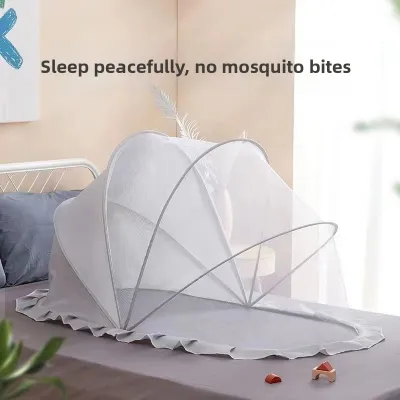
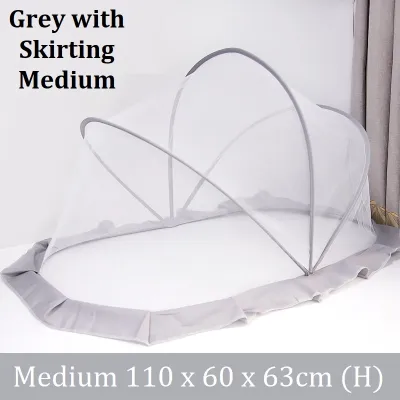
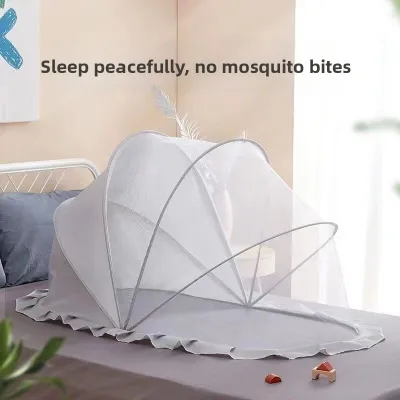
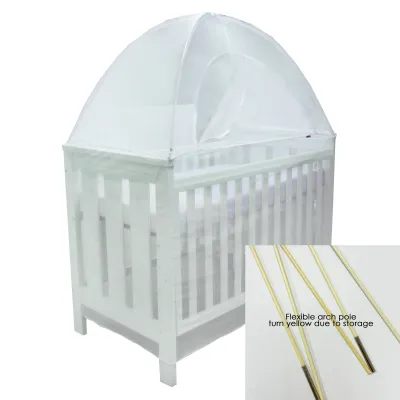
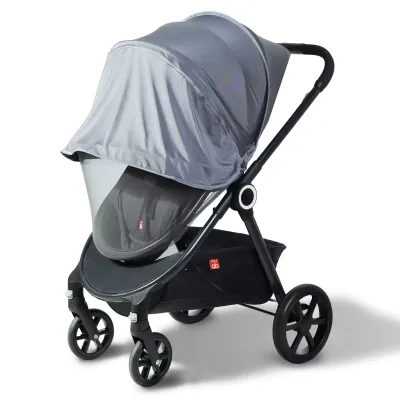
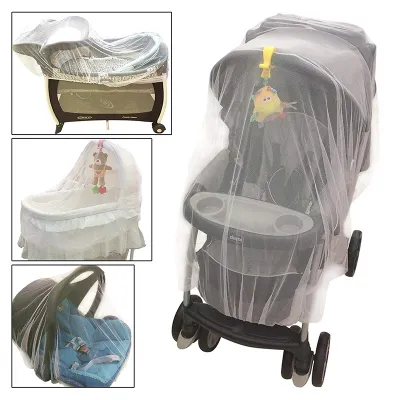
Prices are valid at publication and may change. Please refer to the product page for the latest price.
Key Safety Risks of Using a Mosquito Net for Baby
Understanding the specific hazards associated with crib netting is the first step in keeping your newborn safe. While these products seem simple, their physical structure can pose severe threats if used incorrectly in or around a sleeping infant’s environment.
Entanglement and Strangulation Hazards
The most immediate physical threat posed by a mosquito net is the risk of entanglement. Newborns quickly develop from passive sleepers into active movers, often shifting, stretching, and reaching out during the night. If a net is loose, poorly secured, or hangs within the baby’s reach, the infant can easily pull the fabric down into the sleep space.
Once the netting enters the crib, it can wrap around the baby’s limbs, torso, or neck. Loose strings, mounting ties, or decorative cords present severe strangulation hazards. Draping a net directly over the top rails of a crib without a rigid, supportive frame is particularly dangerous, as any movement from the baby or a slight draft can cause the fabric to sag directly onto the sleeping infant.
Suffocation and Overheating Risks
A safe sleep environment requires a continuous, unobstructed flow of fresh air. Many mosquito nets are constructed from fine mesh that, while excellent for blocking tiny insects, can significantly restrict ventilation. In warm and humid climates, restricted airflow inside a crib can cause the temperature to rise rapidly, leading to overheating.
Overheating is a well-documented risk factor for Sudden Infant Death Syndrome (SIDS). When a baby is enclosed in a poorly ventilated space, their body temperature can climb to dangerous levels, especially if they are dressed in heavy sleepwear. Furthermore, if the suspension system of the net fails, the lightweight fabric can collapse directly over the baby’s face, obstructing their nose and mouth and creating an immediate suffocation hazard.
Essential Precautions for Safe Installation and Daily Use
If you decide that a mosquito net is necessary for your baby’s nursery, you must take rigorous precautions to minimize the associated risks. Proper setup, careful material selection, and routine maintenance are essential to creating a safer sleeping environment.

Proper Installation and Distance
To mitigate the physical risks of crib netting, proper installation is non-negotiable. Caregivers must ensure that the net is suspended using a highly stable, rigid hoop or frame that keeps the fabric completely clear of the crib’s interior. The frame should be securely anchored to the wall, ceiling, or a heavy, tip-proof floor stand, rather than attached loosely to the crib itself.
The netting must be kept at a safe distance where it cannot make contact with the baby, the mattress, or the crib rails under any circumstances. All mounting ties, zippers, and adjustment cords must be fastened tightly and positioned entirely out of the infant’s reach. Any excess fabric at the bottom of the net should be securely tucked away or trimmed to prevent it from pooling near the floor or sagging into the sleep area.
Material and Design Considerations
When selecting a mosquito net, the material and design choices directly impact safety. Parents should prioritize highly breathable, lightweight, and fine mesh fabrics that allow maximum airflow while still blocking insects. Avoid nets made of heavy drapes, dense tulle, or multi-layered fabrics that trap heat and restrict ventilation.
The design of the net should be as simple and utilitarian as possible. Avoid products featuring decorative ribbons, hanging beads, tassels, or long loose ties, as these embellishments serve as tempting hazards for a developing baby. Always review the manufacturer’s product labels, checking for age appropriateness, weight limits, and specific safety warnings before introducing any netting to the nursery.
Daily Inspection and Maintenance
Safety is not a one-time setup; it requires continuous vigilance through a daily inspection routine. Every single time you place your baby in the crib, take a moment to inspect the integrity of the mosquito net. Look closely for any signs of wear and tear, such as small tears, loose threads, or fraying seams that could catch on a baby’s fingers or toes.
Check the structural stability of the frame and the suspension system. Ensure that ceiling hooks, wall mounts, or floor stands remain firmly anchored and have not loosened over time due to vibrations or accidental tugs. If you notice any sagging fabric, weakened attachments, or structural instability, remove the net immediately and do not use it until it is fully repaired or replaced.
Safe Alternatives to Protect Your Baby from Mosquitoes
For many families, especially those with newborns, the physical risks associated with crib netting may outweigh the protective benefits. Fortunately, there are several highly effective, non-contact alternatives to safeguard your infant from mosquito bites. Managing the indoor environment is often the safest and most reliable first line of defense.
Utilizing air conditioning is an excellent way to deter mosquitoes, as these insects are less active in cooler temperatures. Additionally, running a ceiling fan or a standing fan on a low setting near the crib can significantly disrupt mosquito flight patterns, making it difficult for them to land on your baby. Fans also improve overall air circulation in the nursery, which helps prevent overheating.
Installing and maintaining high-quality window and door screens is another crucial step in keeping pests out of your living spaces. Ensure that all screens are free of holes and fit tightly within their frames. When dressing your baby for sleep, opt for lightweight, breathable, long-sleeved onesies and long pants made of natural fibers like cotton, which provide a physical barrier without the risk of suffocation.
While chemical insect repellents are common for adults, products containing active ingredients like DEET or picaridin are generally not recommended for newborns and very young infants. Parents must consult a pediatrician or a qualified healthcare professional for age-specific guidelines and safe product recommendations before applying any topical repellents or introducing chemical diffusers to the baby’s room.
When to Stop Using a Mosquito Net
As infants grow, their physical capabilities change rapidly, requiring parents to constantly reassess the safety of their sleep environment. A mosquito net that was relatively safe for a stationary newborn becomes an immediate hazard once the baby reaches key developmental milestones.
You must remove the mosquito net and its supporting frame immediately when your baby begins to roll over, push up on their hands and knees, sit up, or pull themselves up to a standing position. Once a baby can reach the top of the crib rails or grab the netting, they can easily pull the entire structure down onto themselves, leading to severe entanglement or suffocation. Do not rely on a generic age limit printed on the packaging; instead, use these observable physical milestones as your absolute cue to discontinue use.
Frequently Asked Questions (FAQ)
Can I use a mosquito net over a bassinet or co-sleeper?
Using a mosquito net over a bassinet or co-sleeper is generally not recommended due to the heightened risks of suffocation and entanglement. Because these sleep spaces are much smaller than standard cribs, any suspended netting is far more likely to sag, drape, or make direct contact with the baby. Always consult the bassinet manufacturer’s instructions before adding any aftermarket accessories, as many explicitly warn against using drapes or netting.
Are insecticide-treated mosquito nets safe for newborns?
Insecticide-treated nets are primarily designed for older children and adults living in high-risk malaria regions and are not recommended for newborn sleep environments. For infants, untreated physical barrier nets are much safer, as newborns have highly sensitive skin and developing respiratory systems. Always consult a pediatrician before introducing any chemically treated fabrics or insect-repelling substances near your baby’s sleeping area.
What should I do if my baby gets tangled in the net?
If you find your baby tangled in a mosquito net, remain calm and act immediately to untangle them from the fabric. Once the baby is free, carefully check their breathing, heart rate, and skin color for any signs of distress. If you notice any red marks around their neck, breathing difficulties, or if the baby is unresponsive, seek emergency medical help immediately. Do not attempt any medical interventions without professional guidance.
Community discussion
Share your experience or ask a question. Comments are reviewed before publication.