
Choosing the right diaper for your baby often feels like a balancing act between budget constraints and your child’s comfort. With value-tier options like More For You entering the market, many parents wonder whether the substantial price difference of premium brands translates to a noticeable gap in daily performance. The short answer is that both tiers have distinct roles to play in a modern diapering routine, and the ideal choice depends heavily on your baby’s skin sensitivity, wetting patterns, and your family’s daily schedule. By understanding how to evaluate diaper construction, monitor fit, and calculate the true cost per change, you can optimize your spending without compromising on your baby’s well-being.
While premium brands often market advanced features such as specialized channel designs and organic cotton blends, value-tier diapers focus on delivering reliable, straightforward protection. This comparison guide will help you look past the marketing claims on the packaging, providing a practical framework to assess absorbency, comfort, and overall value. Whether you decide to commit to a single brand or adopt a hybrid diapering strategy, learning what to look for on the label will empower you to make a confident, evidence-based decision.
Defining the Contenders: More For You vs Premium Diaper Brands
To make an objective comparison, it is essential to understand how diaper manufacturers position their products in the market. Value-tier diapers, such as More For You, are designed to provide essential wetness protection at an accessible price point. These brands typically prioritize functional simplicity, utilizing standard absorbent cores and straightforward fastening systems. Their packaging often highlights core utility, such as basic wetness indicators and standard leak guards, making them highly practical for parents who maintain a frequent changing schedule throughout the day. By minimizing licensing fees for popular cartoon characters and avoiding complex multi-layer designs, value brands pass the cost savings directly to the consumer.
Products mentioned in this guide

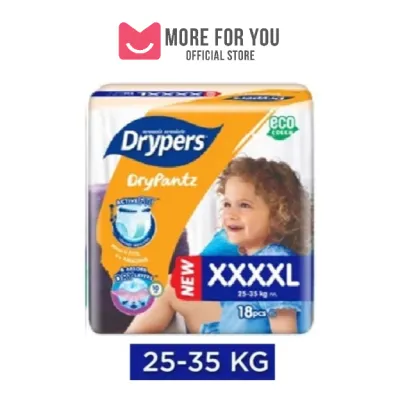
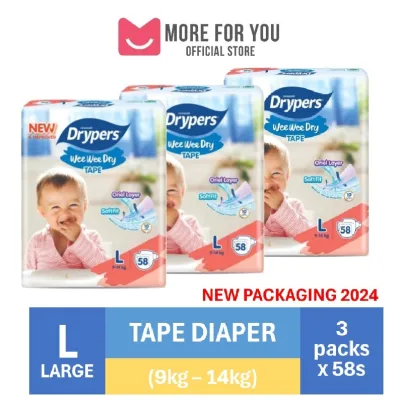
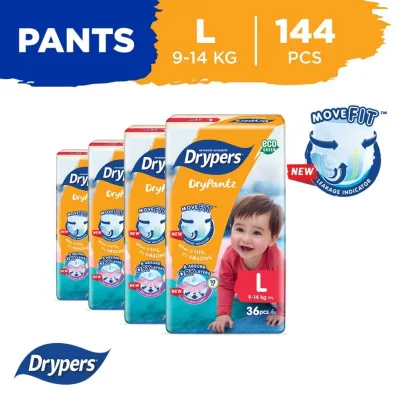
Prices are valid at publication and may change. Please refer to the product page for the latest price.
In contrast, premium-tier diaper brands justify their higher price points by incorporating advanced material technologies and specialized design elements. These products frequently showcase ultra-thin profiles, proprietary absorbent channels designed to distribute liquid evenly, and top-sheets infused with soothing cosmetic lotions like aloe vera or chamomile. Premium brands also tend to emphasize certifications, such as chlorine-free processing or hypoallergenic materials, targeting parents who are particularly concerned about skin sensitivity or environmental impact. These added features require more complex manufacturing processes, which naturally increases the retail cost.
However, a higher price tag does not automatically guarantee a superior experience for every individual baby. Diaper performance is highly subjective and depends on variables such as your baby’s body shape, active movements, and unique skin chemistry. A premium diaper that fits one baby perfectly might cause leaks on another baby with a different build. Therefore, parents should approach these market categories as guidelines rather than absolute indicators of quality. Verifying performance through careful observation of your baby’s skin and tracking actual usage patterns is far more reliable than relying solely on brand prestige.
Evaluating Absorbency: What to Look For on the Label and in Use
Absorbency is arguably the most critical function of any disposable diaper, directly impacting both your baby’s comfort and your sleep quality. When comparing More For You with premium alternatives, start by examining the product packaging for specific indicators of core technology. Look for mentions of Superabsorbent Polymer (SAP) distribution, which is the primary material responsible for locking away moisture. Premium brands often utilize structured SAP channels to prevent the diaper from sagging or clumping when wet, whereas value brands may use a more traditional fluff-and-polymer blend that can feel bulkier as it fills.

To evaluate how these different core designs perform in real life, you can conduct a simple, practical tracking exercise at home over the course of a week. Note the average time elapsed before a diaper feels heavy or begins to sag, and keep a record of any leaks, paying close attention to whether they occur during active daytime play or during long overnight sleep stretches. A diaper that performs excellently during a two-hour afternoon window might struggle to contain moisture over a ten-hour night, making this distinction crucial for your overall assessment. You can also check the wetness indicator line; on some diapers, it changes color gradually, while on others, it reacts instantly to the slightest moisture.
Furthermore, even the most advanced absorbent core will fail if the diaper does not fit correctly. Always check the manufacturer’s weight capacity guidelines on the packaging, keeping in mind that these ranges often overlap between sizes. If your baby is near the upper limit of a size range, or if you notice frequent leaks despite the diaper not being fully saturated, it is often a sign that you need to size up. A proper fit ensures that the absorbent materials are positioned correctly against your baby’s body, allowing both value and premium options to perform at their maximum potential. When putting the diaper on, ensure the inner leak guards around the legs are pulled outward rather than tucked inward, as this simple adjustment prevents a significant percentage of common leaks.
Assessing Comfort and Fit: Materials, Breathability, and Skin Sensitivity
A diaper’s comfort is determined by how its materials interact with your baby’s skin and how well its structural design accommodates movement. When reviewing diaper packaging, look closely at the ingredient and material lists to identify what touches your baby’s skin. Premium diapers often highlight the absence of added fragrances, elemental chlorine, and natural rubber latex, which can be beneficial for babies prone to contact dermatitis. Value-tier options like More For You may have simpler material compositions, which are perfectly suitable for many babies but require closer monitoring if your child has highly reactive skin.
Physical fit is another vital component of comfort, particularly regarding the elasticity of the waistband and the flexibility of the leg cuffs. A well-designed diaper should stretch comfortably to accommodate a full tummy after feeding while maintaining a secure seal around the thighs to prevent blowouts. Observe your baby during playtime; if the diaper leaves deep red marks on their thighs or waist, or if it restricts their natural crawling or walking movements, the fit is incorrect. Premium brands often invest in softer, more elasticized side panels, but many parents find that value brands offer a highly comparable fit if the correct size is selected. You can use the “two-finger test” by sliding two fingers easily under the waistband to ensure it is snug but not constricting.
In Singapore’s warm and humid climate, breathability becomes an exceptionally important factor in preventing diaper rash. High humidity can trap heat and moisture inside a diaper, creating an environment where bacteria and yeast thrive. Look for packaging claims that specify a breathable outer cover or backsheet, which allows air to circulate while keeping moisture contained. Monitoring your baby’s skin for localized redness or mild irritation after switching to a new brand will give you the ultimate answer regarding compatibility, as individual skin sensitivity is always the final deciding factor. If your baby’s skin remains clear and dry, the diaper’s breathability is sufficient for your local environment.
Analyzing the Price Gap: Cost Per Diaper and Daily Use Value
To determine whether premium diapers are worth the extra investment, you must calculate the actual financial impact on your household budget. Comparing the price of a single pack can be misleading because pack sizes and diaper counts vary significantly between brands and sizes. Instead, use a simple formula to find the exact cost per diaper:
Cost Per Diaper = Total Pack Price (S$) / Total Number of Diapers in the Pack
By calculating this figure for both More For You and your preferred premium brand, you can clearly visualize the price gap on a per-unit basis.
For example, if a pack of value diapers costs S$15.00 and contains 50 diapers, the cost per diaper is S$0.30. If a premium pack costs S$28.00 and contains 40 diapers, the cost per diaper is S$0.70. Over the course of a month, assuming an average of 7 changes per day (approximately 210 changes per month), the value option would cost S$63.00, while the premium option would cost S$147.00. This represents a monthly difference of S$84.00, which accumulates to over S$1,000.00 in savings annually.
Next, consider how your daily changing frequency influences your overall monthly expenditure. Newborns and younger infants typically require changing every two to three hours, translating to eight to ten diapers a day. If you are changing diapers this frequently, using a high-priced premium diaper for every single change can quickly accumulate a substantial monthly bill. In these scenarios, the rapid turnover rate means the diaper is often changed before its maximum absorbency capacity is ever reached, making a value-tier diaper highly cost-effective.
If you find a significant price gap but still appreciate the performance of premium options, a hybrid diapering strategy offers an excellent middle ground. This approach involves using affordable value diapers like More For You for frequent daytime changes when you can respond immediately to wetness. You can then reserve your premium diapers for overnight use or long outings where diaper changes are less convenient, and maximum absorbency is required. This balanced method allows you to enjoy the benefits of both worlds while keeping your monthly diapering expenses manageable.
Decision Framework: When to Choose More For You vs Premium Brands
To help streamline your decision-making process, you can use a condition-based framework to determine which diaper tier aligns best with your current circumstances. Choosing a value-tier diaper like More For You is highly practical under the following conditions:
- Your baby does not have highly sensitive skin or a history of severe diaper rash.
- You maintain a frequent, proactive changing schedule, especially during the daytime.
- Your child is an older toddler who is beginning the potty-training process and only needs light coverage.
- You are managing a strict household budget and want to minimize recurring utility expenses.
On the other hand, investing in a premium diaper brand may be the more suitable choice if you encounter these specific scenarios:
- Your baby has diagnosed skin conditions or experiences immediate redness when wearing standard materials.
- Your baby is a heavy wetter who frequently wakes up wet during the night, requiring maximum overnight moisture retention.
- You travel frequently or spend long periods away from changing facilities, where diaper changes must be delayed.
- You prefer specific environmental or manufacturing standards, such as certified organic materials or carbon-neutral production.
Finally, always remember to verify current promotions, bulk-buy discounts, and subscription deals on your preferred e-commerce platforms. The price gap between value and premium tiers can fluctuate significantly during major sales events, sometimes making premium options much more accessible. By staying flexible and periodically calculating your cost per diaper, you can ensure you are always getting the best possible value for your family.
Frequently Asked Questions (FAQ)
Can I mix More For You and premium diapers in the same day?
Yes, mixing different diaper brands throughout the day is a highly practical and safe strategy used by many parents. As long as your baby does not show any signs of allergic reaction or skin irritation from either brand, there is no medical or hygienic reason to stick to a single product. Utilizing a more affordable diaper like More For You for frequent daytime changes and reserving a premium diaper for overnight sleep or long outings is an excellent way to balance performance and budget.
What should I do if my baby gets a rash from a new diaper brand?
If you notice a rash developing after switching to a new diaper brand, you should stop using that specific diaper immediately and revert to a brand you know is safe for your baby’s skin. Keep the diaper area clean and dry, allowing for some diaper-free air time if possible, and apply a barrier cream containing zinc oxide to soothe the skin. If the rash is severe, starts blistering, bleeds, or does not improve after a few days of careful management, consult a pediatrician or qualified healthcare professional for proper diagnosis and treatment.
Community discussion
Share your experience or ask a question. Comments are reviewed before publication.