
Choosing the right cloth diaper system in Singapore involves balancing environmental impact, convenience, and your baby’s comfort. While Moomookow has established itself as a prominent homegrown brand known for its tailored fit and reliable pocket diaper designs, many parents wonder how it measures up against international eco-friendly alternatives. The ideal choice depends on your specific priorities, such as whether you value certified organic natural fibers over quick-drying synthetic materials, or if your household setup favors a specific washing and drying routine.
Navigating the transition to reusable diapers requires understanding that not all cloth options are created equal. Some brands focus heavily on synthetic convenience, while others prioritize minimally processed natural textiles. In Singapore’s warm, humid climate, these material differences directly affect drying times, storage practices, and skin breathability. Evaluating these factors objectively will help you determine whether to invest in Moomookow’s signature designs or explore other global eco-friendly brands available on local online marketplaces and specialty baby boutiques.
Defining the Baseline: What Makes a Cloth Diaper Eco-Friendly?
To evaluate any cloth diaper brand, you must first establish what makes a diaper genuinely sustainable. The term “eco-friendly” is frequently used in marketing, but its true environmental value lies in the raw materials and manufacturing processes. A truly sustainable diaper minimizes its ecological footprint from production to disposal. This involves analyzing the entire product lifecycle, including how the crops are grown, how the fibers are processed, and whether the finished product can eventually decompose safely.
Products mentioned in this guide
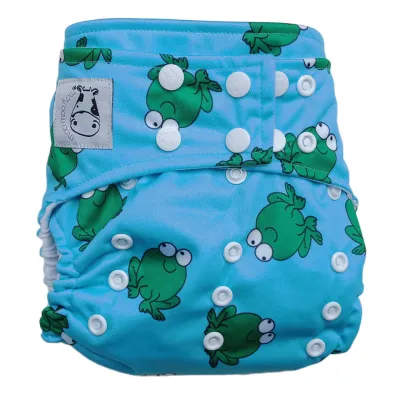
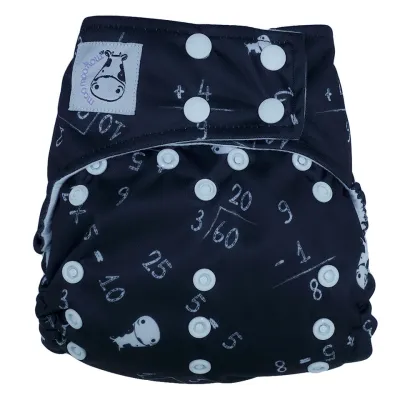
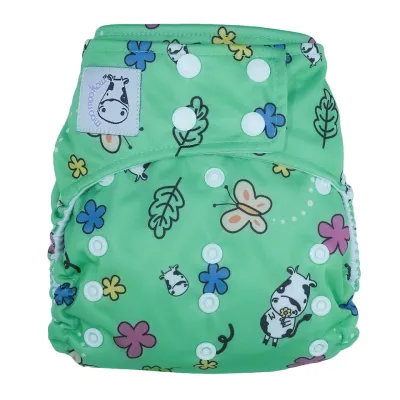
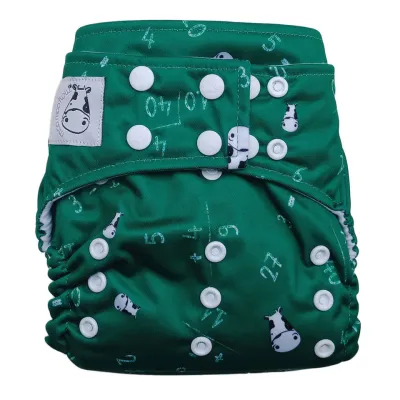
Prices are valid at publication and may change. Please refer to the product page for the latest price.
The primary distinction in cloth diapering materials is between natural fibers and synthetic blends. Natural fibers, such as organic cotton, bamboo, and hemp, are highly renewable and biodegradable. Organic cotton is grown without synthetic pesticides, while bamboo grows rapidly with minimal water, and hemp offers exceptional durability. In contrast, synthetic materials like polyester, microfiber, and polyolefin are petroleum-based plastics. While synthetics are highly durable and dry quickly, they do not biodegrade and can shed microplastics during the wash cycle.
When assessing sustainability claims, look for recognized third-party certifications rather than generic product titles. The Global Organic Textile Standard (GOTS) ensures that fibers are truly organic and processed under strict environmental and social criteria. Another critical certification is OEKO-TEX Standard 100, which tests the finished textile for harmful substances and chemical residues, ensuring it is safe for sensitive infant skin. Because these certifications require rigorous testing, reputable brands will clearly display their certification details on their official product labels.
It is important to verify these eco-friendly claims directly through official manufacturer specifications. Marketing descriptions on retail platforms may use terms like “bamboo” to describe rayon or viscose, which undergo intensive chemical processing. By checking the exact material percentages and manufacturing transparency markers on the brand’s official website, you can make an informed decision based on facts rather than promotional keywords.
Comparing Material Sustainability and Skin Safety
The materials that rest directly against your baby’s skin play a crucial role in preventing diaper rash and ensuring daily comfort. When comparing Moomookow with other eco-friendly brands, the choice of insert and inner lining materials is a primary consideration. Microfiber inserts, which are common in budget-friendly pocket diapers, are highly effective at absorbing liquid rapidly. However, microfiber should never be placed directly against a baby’s skin because its intense moisture-wicking properties can cause severe dryness and irritation.

Natural fiber inserts, such as those made from bamboo fleece, organic cotton, or hemp, are inherently gentler on sensitive skin. These materials can be placed directly in contact with the baby without causing dryness. Bamboo and hemp are highly breathable, allowing better air circulation than synthetic polyester linings. This breathability is particularly beneficial in Singapore’s humid weather, where trapped heat and moisture can quickly lead to heat rashes or yeast infections.
Beyond the inserts, the outer waterproofing layer of the diaper cover deserves close inspection. Most modern cloth diapers rely on either Polyurethane Laminate (PUL) or Thermoplastic Polyurethane (TPU) to prevent leaks. PUL is typically bonded using chemical solvents, whereas TPU is bonded using a heat-lamination process that is generally considered more environmentally friendly. When comparing brands, check the manufacturer’s specifications to see if they use solvent-free TPU and if their dyes are certified lead-free and phthalate-free.
Before purchasing any diaper system, always verify the material origins and safety warnings via official brand documentation. Some babies may have specific sensitivities to synthetic stay-dry layers, such as microfleece or suede cloth, which are designed to pull moisture away from the skin into the insert. If your baby has highly sensitive skin, you may want to prioritize brands that offer unbleached, organic natural fiber linings directly against the skin, even if it means feeling a bit of wetness between changes.
Evaluating Absorbency, Fit, and Leak Protection
A cloth diaper’s environmental benefits matter little if it cannot reliably contain messes and prevent leaks. Achieving a leak-free experience depends on a combination of structural design, closure systems, and proper insert customization. The fit of the diaper must be adjusted carefully to match your baby’s unique body shape, which changes rapidly during their first two years.
Closure systems are a major differentiator among brands. Snap closures, which are featured prominently on Moomookow diapers, are highly durable, resistant to wear in the washing machine, and difficult for older toddlers to undo themselves. However, they require a bit of practice to find the perfect setting. Hook-and-loop closures offer a highly adjustable, diaper-like fit that is incredibly easy for caregivers or grandparents to use. The trade-off is that hook-and-loop fasteners can wear out over time, collect lint in the wash, and potentially scratch a baby’s tummy if not aligned perfectly.
Gusset design is another critical factor in leak prevention. Single gussets provide a standard elastic barrier around the legs, which works well for most babies if the fit is snug. Double gussets, or leg casings, offer an additional inner barrier that provides superior containment for runny breastmilk stools and active, crawling babies. When comparing Moomookow to other brands, observe the elastic tension and gusset depth. A deeper double gusset system can offer peace of mind, but it must be adjusted correctly to avoid leaving deep red marks on your baby’s thighs.
Absorbency must be tailored to your baby’s age, urine output, and the specific time of day. For daytime use, a fast-absorbing bamboo or cotton insert is often sufficient. For overnight use, layering is key. You can combine a fast-absorbing insert on top with a high-capacity, slow-absorbing hemp insert underneath to handle heavy wetting over several hours. Because hemp holds more liquid per volume than microfiber, it allows you to maintain a trim fit without sacrificing overnight performance. Always refer to the manufacturer’s sizing guidelines to ensure the diaper shell can accommodate multiple inserts without creating gaps around the legs.
Assessing Long-Term Value and Maintenance Requirements
Evaluating the true cost of cloth diapering requires looking beyond the initial purchase price. In Singapore, a single high-quality cloth diaper can range from S$20 to S$40 or more. While building a full stash of 20 to 24 diapers represents a significant upfront investment of S$400 to S$900, this system is designed to last from infancy through potty training, potentially saving thousands of dollars compared to single-use disposables.
The lifespan of your diaper stash depends heavily on your maintenance routine and the durability of the materials. Check the manufacturer’s warranty terms before buying; some brands offer warranties on snaps, elastics, and TPU lamination, which can protect your investment. To maximize durability, you must strictly follow the recommended washing and drying instructions. Synthetic materials like PUL and microfiber dry very quickly, making them highly convenient for apartment living in Singapore where outdoor drying space may be limited.
Natural fibers like hemp and organic cotton are incredibly durable and can withstand hundreds of washes, but they have much longer drying times. In Singapore’s high humidity, a thick hemp insert can take more than 24 hours to line-dry completely. If you do not have access to a clothes dryer, or if your dryer must be run on low heat to protect the diaper elastics, you may need to purchase additional inserts to ensure you always have dry ones on hand. This is a crucial hidden cost to calculate when planning your stash.
Other ongoing costs include water, electricity, and specialized detergents. Cloth diapers require a pre-wash and a main hot wash cycle to ensure they are thoroughly cleaned and free of ammonia buildup. Using a detergent that is free of fabric softeners, optical brighteners, and synthetic fragrances is essential, as these additives can coat the fibers and drastically reduce absorbency over time. Factor these utility and laundry supply costs into your long-term budget to get an accurate picture of your overall savings.
Decision Framework: Which Eco-Friendly Diaper Fits Your Family?
Choosing between Moomookow and other eco-friendly cloth diaper brands comes down to matching their specific features with your daily lifestyle, washing capacity, and environmental priorities. There is no single option that suits every household, so a structured decision framework can help guide your purchase.
You may want to choose Moomookow if you prefer a well-established brand with local availability in Singapore, making it easy to purchase replacement parts or seek customer support. Their pocket diaper designs are highly reliable, feature durable snap closures, and are designed to fit comfortably across a wide weight range. If your household routine involves frequent washing and you prefer a system that has been tried and tested by many local parents, Moomookow offers a practical and accessible entry point into cloth diapering.
On the other hand, you might prefer a competing eco-friendly brand if your primary goal is maximizing organic certifications or minimizing synthetic components. If you prioritize GOTS-certified organic cotton or want a diaper cover made entirely from recycled plastics, several international brands specialize in these specific niches. Additionally, if you prefer the quick adjustability of hook-and-loop closures or require specialized double-gusset designs for an exceptionally active baby, exploring alternative brands will give you access to these specific structural features.
Before making your final decision, verify your household’s practical constraints. Assess your washing machine’s capacity and determine if you have sufficient drying space, especially during the rainy monsoon seasons in Singapore. If your baby has highly sensitive skin, start with a small trial pack containing different material blends to observe how their skin reacts before investing in a full stash.
Finally, keep in mind that neither option may fit if you are looking for a 100% biodegradable diaper with zero synthetic components. Almost all modern reusable diapers, including Moomookow and its competitors, rely on synthetic polyester for their waterproof outer layers (PUL or TPU) and snaps. If your goal is absolute plastic-free diapering, you would need to explore traditional flat cotton diapers paired with 100% lanolized wool covers, which require a completely different care and washing routine.
Frequently Asked Questions (FAQ)
How many cloth diapers do I need for a full-time stash?
For full-time cloth diapering, a stash of 20 to 24 diapers is generally recommended if you plan to wash them every other day. This quantity ensures you have enough clean diapers to use while one batch is in the wash and drying. In Singapore’s humid climate, natural fiber inserts like hemp and bamboo can take longer to dry, so having a few extra inserts on hand can prevent you from running out of dry options.
Can I use standard laundry detergent for eco-friendly cloth diapers?
You can use many standard laundry detergents, provided they do not contain fabric softeners, optical brighteners, or synthetic enzymes that leave residues on the fabric. These additives can coat the fibers of your inserts, leading to repelling issues where liquid runs off the insert instead of being absorbed. Always check the manufacturer’s care guidelines to ensure your chosen detergent is safe for both the waterproof TPU outer shell and the absorbent inner fibers.
Community discussion
Share your experience or ask a question. Comments are reviewed before publication.