
Quick Answer: Which Baby Bottle Brand Wins?
Selecting the right baby bottle is a highly personal decision for parents in Singapore, as infant feeding preferences vary significantly from one child to another. There is no single “best” bottle on the market; rather, the ideal choice depends on your baby’s unique latch style, their sensitivity to gas and colic, and your personal preferences regarding cleaning and maintenance. Each of the major brands offers distinct design advantages tailored to different feeding priorities.
Momcozy stands out for its modern, ergonomic design and seamless integration with contemporary parenting routines, offering a highly functional wide-neck bottle that is exceptionally easy to clean. Pigeon is a long-standing favorite in Singapore, celebrated for its SofTouch nipple that mimics the natural elasticity and shape of a mother’s breast, making it an excellent option for babies transitioning between breast and bottle. Dr. Brown’s is highly regarded by pediatric specialists for its clinically designed internal venting system, which actively prevents air bubbles from mixing with milk to target severe colic. Philips Avent provides a highly durable, classic wide-neck bottle with its Natural Response nipple, offering widespread retail availability and robust construction.
Understanding how these brands compare across key performance areas will help you narrow down the options. By evaluating their anti-colic mechanisms, nipple shapes, material safety, and overall convenience, you can select a bottle system that supports your baby’s developmental stage and simplifies your daily feeding routine.
Products mentioned in this guide
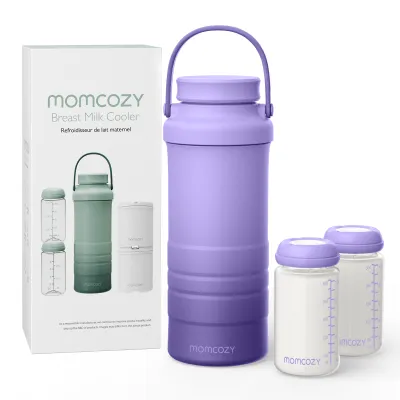
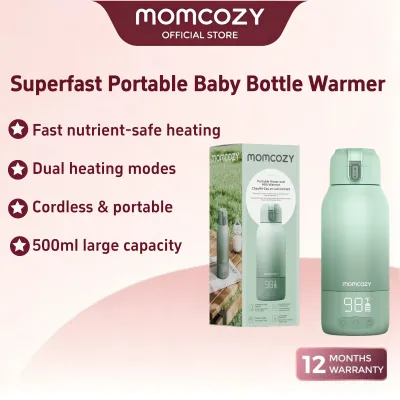
Prices are valid at publication and may change. Please refer to the product page for the latest price.
Anti-Colic Features and Venting Systems
Colic, gas, and reflux are common challenges that can cause significant infant distress and sleepless nights. Baby bottles address this by utilizing venting systems designed to prevent a vacuum from forming inside the bottle, which otherwise forces the baby to swallow air during feeds. The mechanism each brand uses to handle air intake impacts both its anti-colic effectiveness and the effort required to clean the bottle.

Dr. Brown’s is famous for its patented internal green venting system. This design features a reservoir tube and insert that channels air from the collar directly to the bottom of the bottle, bypassing the breast milk or formula entirely. Because the air never mixes with the liquid, it minimizes bubble formation and helps preserve essential nutrients like vitamins C, A, and E by reducing oxidation. While highly effective at preventing vacuum-induced discomfort, this multi-piece system requires meticulous cleaning and assembly to function correctly.
Pigeon addresses colic through its SofTouch Anti-Colic Ventilation System (AVS), which is a small, specially designed valve integrated directly into the base of the silicone nipple. This ventilation hole allows air to enter the bottle as the baby sucks, equalizing the pressure inside without requiring any internal tubes or extra parts. It is a highly efficient, low-maintenance design that relies on the natural physics of airflow to prevent nipple collapse and minimize the ingestion of air bubbles.
Philips Avent utilizes an anti-colic valve integrated directly into the nipple skirt. As your baby feeds, the valve flexes to allow air into the bottle rather than your baby’s stomach. For babies who experience more persistent gas, Avent also offers the AirFree vent insert, a specialized piece designed to keep the nipple full of milk even when the bottle is held horizontally, allowing for more upright feeding positions that naturally reduce reflux.
Momcozy features a built-in anti-colic valve molded directly into the structure of its silicone nipple. This design ensures a smooth, continuous milk flow by balancing internal bottle pressure, preventing the vacuum buildup that leads to gas and fussiness. Because the venting mechanism is built directly into the nipple, there are no extra internal parts to track, clean, or potentially lose.
When using any of these venting systems, caregivers must carefully check the manufacturer’s instructions to ensure proper alignment and assembly, as misaligned valves can lead to leaks or ineffective venting. Monitor your baby’s feeding comfort closely during and after feeds. If your baby exhibits severe distress, persistent vomiting, or continuous feeding difficulties, stop use and consult a qualified pediatrician or healthcare professional, as no bottle can guarantee the complete elimination of colic.
Nipple Design, Flow Rates, and Latch Compatibility
The nipple is the most critical point of contact between your baby and the bottle. Its shape, texture, flexibility, and flow rate directly influence whether a baby will accept the bottle, especially if they are alternating between bottle-feeding and breastfeeding.
Pigeon’s SofTouch nipple is specifically engineered to support the natural peristaltic tongue movement of infants. Made from ultra-soft, double-thickness silicone, it features a matte, textured surface that helps the baby secure a firm, non-slip latch. The nipple is designed with a wide base and an elastic middle section that stretches and flexes in response to the baby’s sucking rhythm, closely mimicking the natural mechanics of breastfeeding.
Philips Avent utilizes the Natural Response nipple, which features a unique opening designed to release milk only when the baby actively drinks. This means milk flow stops when the baby pauses to swallow or breathe, closely replicating the natural pause-and-drink rhythm of direct breastfeeding. The wide, breast-shaped nipple has a soft, petal-like structure that prevents it from collapsing, supporting a natural, wide-mouth latch.
Dr. Brown’s offers both narrow-neck and wide-neck silicone nipples. The narrow-neck nipples are highly favored by lactation consultants for newborns or babies with a shallow latch, as the slimmer profile helps them wrap their lips comfortably around the nipple base. The wide-neck version provides a broader contour, allowing babies who prefer a wider latch to transition smoothly between breast and bottle.
Momcozy features an ergonomic, breast-like wide-neck nipple designed to promote a natural, secure latch. Crafted from premium, soft silicone, the nipple contour mimics the natural shape of a mother’s breast during feeding, helping to prevent nipple confusion. This design is particularly beneficial for parents who want to maintain a consistent latch style across breast and bottle feeding.
Selecting the correct flow rate is vital for your baby’s safety and comfort. Flow rates are typically indicated on the packaging and the rim of the nipple itself, ranging from ultra-slow flow for newborns to fast flow for older infants. Caregivers must verify the recommended age and flow rate on the product packaging before use. Observe your baby’s cues during feeding: if they are choking, coughing, or milk is spilling from the corners of their mouth, the flow rate is likely too fast. Conversely, if they are sucking aggressively, showing frustration, or taking longer than 30 minutes to finish a single feed, they may require a faster flow rate.
Additionally, always verify nipple compatibility before attempting to mix components. Nipples and collars are precisely engineered to fit their respective bottle bodies; using a nipple from one brand with a collar or bottle from another can cause dangerous leaks, improper venting, or sudden flow rate changes that pose a choking hazard.
Materials, Safety, and Cleaning Convenience
Baby bottles are subjected to daily washing, high-temperature sterilization, and frequent handling, making material safety and cleaning convenience top priorities for busy parents. Understanding the differences between bottle materials helps you choose the best fit for your lifestyle.
- PPSU (Polyphenylsulfone): This medical-grade plastic is easily identified by its natural honey-colored tint. It is exceptionally durable, highly scratch-resistant, and can withstand extreme sterilization temperatures (often up to 180°C). It offers the lightweight convenience of plastic with the long-lasting durability of glass.
- PP (Polypropylene): A standard, lightweight, translucent plastic that is highly affordable. While safe and functional, PP is softer than PPSU, making it more prone to scratches and wear over time, which means these bottles generally require more frequent replacement.
- Borosilicate Glass: Highly resistant to thermal shock, glass bottles are completely free of chemical leaching concerns and do not retain odors or stains. However, they are significantly heavier than plastic and carry a risk of breaking or shattering if dropped.
- Silicone: Some modern bottles utilize food-grade silicone bodies, which are soft, squeezable, and mimic a skin-like feel, though they can be less stable on flat surfaces.
Parents must always verify “BPA-free” and material safety certifications directly on the product packaging rather than relying on general brand assumptions. Ensuring the material is certified food-safe guarantees that no harmful chemicals will leach into the milk during heating.
Cleaning convenience varies significantly across the brands. Dr. Brown’s bottles require the most effort, as the internal venting system must be disassembled and cleaned using a specialized, thin wire brush to prevent milk residue from building up inside the tube. Momcozy, Pigeon, and Philips Avent utilize wide-neck designs with minimal components, allowing you to thoroughly clean the bottles quickly using a standard bottle brush.
Sterilization is another crucial maintenance step. Whether you prefer boiling water, steam sterilizers, or UV sterilizers, you must strictly follow the manufacturer’s temperature and duration guidelines for each specific material. For example, prolonged boiling can warp PP plastic, while certain silicone components or plastics may degrade or discolor prematurely under intense UV light. In Singapore’s warm, humid climate, ensuring all parts are completely dry after sterilization is critical to prevent the growth of mold or mildew.
Evaluating Price and Long-Term Value in Singapore
When planning your baby feeding budget, it is important to look beyond the initial purchase price of a single bottle. Prices fluctuate across official brand stores, physical maternity boutiques, and online marketplaces in Singapore, making it essential to evaluate the long-term cost of ownership.
Pigeon and Dr. Brown’s premium PPSU and borosilicate glass options generally sit at a higher price tier. These bottles represent a larger upfront investment but offer exceptional durability, meaning they may not need to be replaced as frequently as standard plastic bottles. Philips Avent and Momcozy’s high-quality plastic and silicone options typically occupy a mid-range pricing tier, providing a balanced combination of affordability, durability, and modern features.
To calculate the true long-term value, parents must factor in the ongoing costs of replacement nipples. As your baby grows and their suction strength increases, you will need to purchase faster flow rates. Nipples also wear out from frequent cleaning and sterilization, requiring replacement every few months. Additionally, consider the cost of specialized cleaning tools, such as the micro-brushes required for internal venting systems, and the potential replacement costs associated with glass bottle breakage.
To protect your baby’s health, we strongly recommend purchasing bottles and accessories only from authorized local distributors, official online flagship stores, or reputable physical department stores in Singapore. Counterfeit baby products sold through unauthorized online channels pose severe safety risks. These counterfeit items often bypass safety regulations, utilizing sub-standard plastics or silicone that can leach harmful chemicals, tear easily, or present serious choking hazards.
Final Verdict: How to Choose the Right Bottle for Your Baby
To make your final decision, consider how each brand’s specific strengths align with your baby’s feeding behavior and your daily routine. This conditional framework can guide your choice:
- Choose Momcozy if: You want a modern, ergonomic wide-neck bottle that is incredibly easy to clean, quick to assemble, and designed to support a natural, wide-angle latch for a smooth feeding experience.
- Choose Pigeon if: Your baby is alternating between breastfeeding and bottle-feeding, or has shown a clear preference for an ultra-soft, highly flexible nipple that supports natural peristaltic tongue movements.
- Choose Dr. Brown's if: Your baby struggles with severe gas, spit-up, or colic symptoms, and you are comfortable managing the extra daily cleaning steps required to maintain a highly effective, vacuum-free venting system.
- Choose Avent if: You want a highly durable, classic bottle system with a wide-neck design that is easy to clean and has widely available replacement parts across local retail stores in Singapore.
Because infants have distinct feeding preferences, they can be highly selective about nipple shapes and flow rates. Before investing in an expensive, multi-bottle starter set, it is highly recommended to purchase a single bottle to test your baby’s acceptance. This practical step ensures you do not waste resources on a bottle system your baby refuses to use.
Frequently Asked Questions (FAQ)
Can I mix and match nipples and bottles from different brands?
No, you should avoid mixing nipples, collars, and bottles from different brands unless the manufacturer explicitly states they are compatible. Even if a nipple appears to fit into another brand’s collar, the seal is rarely perfect. Mismatched parts can cause milk to leak, disrupt the anti-colic venting mechanism, or result in an inconsistent milk flow that poses a choking hazard for your baby.
How often should I replace baby bottle nipples?
Silicone nipples should generally be replaced every 2 to 3 months for hygiene and safety reasons. However, you must inspect them before every feed and replace them immediately if you notice signs of wear, such as tearing, cracking, thinning, discoloration, or a sticky texture. Always check the specific manufacturer’s guidelines on the packaging for exact replacement timelines.
Are glass bottles safer than plastic for newborns?
Both high-quality glass and verified BPA-free plastic bottles are safe for newborns when maintained correctly. Borosilicate glass is completely chemical-free, scratch-resistant, and does not retain odors, but it is heavy and can shatter if dropped. High-quality plastics like PPSU are lightweight, shatterproof, and highly durable. Choose based on your handling preferences, and always inspect glass bottles for micro-cracks before use.
Community discussion
Share your experience or ask a question. Comments are reviewed before publication.