
Selecting the right baby bottle involves balancing material safety, durability, and daily maintenance to ensure a seamless feeding routine. While Momcozy has gained popularity for its integration with modern pumping systems, established brands like Pigeon, Philips Avent, and Dr. Brown’s offer distinct material compositions and anti-colic designs. Evaluating these options requires looking beyond brand names to examine how different materials—such as polyphenylsulfone (PPSU), borosilicate glass, and food-grade silicone—perform under daily sterilization and wear. Ultimately, the safest and most practical bottle is one that matches your baby’s developmental needs, fits your sterilization setup, and remains easy to clean thoroughly every day.
Material Safety and Label Verification
Understanding the physical properties of bottle materials is the first step in ensuring a safe feeding experience. PPSU is a medical-grade thermoplastic known for its high heat resistance and durability, combining the lightweight benefits of plastic with the safety profile of glass. Borosilicate glass is highly thermal-shock resistant and chemically inert, making it an excellent choice for parents who want to avoid plastics entirely, though it is heavier and prone to breaking if dropped. Food-grade silicone is flexible, soft, and highly heat-resistant, often used for bottle bodies and nipples to mimic the natural feel of breastfeeding. Standard polypropylene (PP) is lightweight and budget-friendly but has a lower heat tolerance and tends to degrade faster than PPSU under frequent sterilization.
When purchasing bottles in Singapore, always inspect the packaging for explicit BPA-free and BPS-free declarations. Bisphenol A (BPA) and Bisphenol S (BPS) are chemical compounds historically used in some plastics that can mimic hormones, so verifying their absence is crucial for infant safety. Look for recognized international safety compliance marks, such as European Union (EN 14350) or US FDA compliance, which are standard benchmarks for infant feeding products sold locally. Caregivers should also check for local safety guidelines and compliance indicators relevant to consumer goods.
Products mentioned in this guide
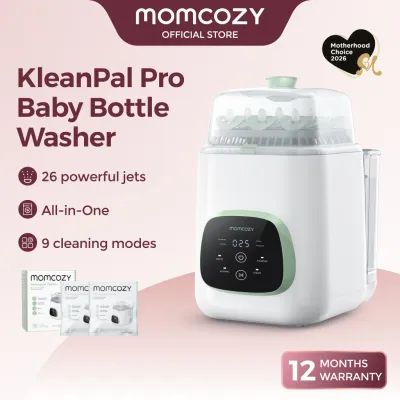
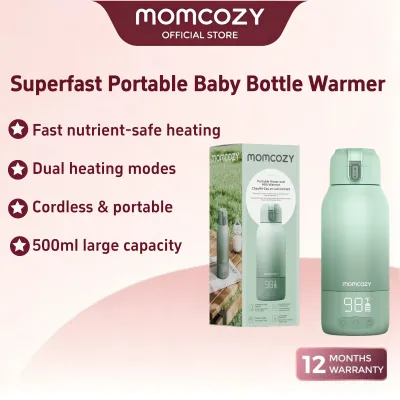
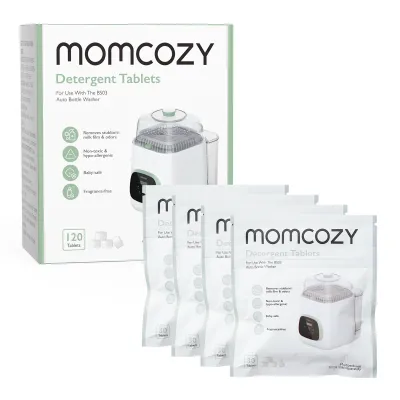
Prices are valid at publication and may change. Please refer to the product page for the latest price.
Counterfeit baby products pose severe safety risks, as they may use substandard plastics containing restricted chemicals. To ensure material authenticity, purchase bottles and replacement parts exclusively from official brand stores, authorized physical department stores, or verified flagship stores on reputable online marketplaces. Avoid third-party sellers offering unusually low prices, as these products may lack proper safety testing, quality control, and accurate material labeling.
Durability and Sterilization Tolerance
PPSU, borosilicate glass, and food-grade silicone exhibit excellent heat tolerance, often withstanding temperatures well above 100°C. However, standard PP plastic has a lower thermal threshold and can warp or degrade if subjected to prolonged high heat. Always consult the manufacturer’s instruction manual for the exact temperature limits of each component, as collars, caps, and travel discs often use different plastics with lower heat tolerances than the bottle body.

Steam and boiling water are highly effective, universally compatible sterilization methods for glass, PPSU, and silicone. Microwave sterilizers are also highly efficient but require careful monitoring to ensure plastic parts do not touch the heating elements or warp. If you use a UV sterilizer, be aware that prolonged UV-C exposure can accelerate the degradation of certain plastics and silicone, leading to premature yellowing, brittleness, and micro-cracking. Check the manufacturer’s guidelines to confirm if their specific bottle materials are rated for UV sterilization without rapid degradation.
Regularly inspect all bottle components under direct light for signs of physical wear. Look for cloudiness, micro-scratches, or a sticky texture on plastic and silicone parts, as these imperfections can harbor microscopic milk residue and bacteria. Odor retention that persists after thorough washing is another clear indicator that the material has degraded. If you observe any of these signs, or if a glass bottle develops even a minor chip, replace the component immediately to maintain feeding safety.
Nipple Design and Anti-Colic Features
Anti-colic systems aim to reduce air ingestion during feeding, which can cause gas, spit-up, and general discomfort. Dr. Brown’s utilizes a specialized internal vent system that routes air through a tube to the bottom of the bottle, bypassing the milk entirely to prevent aeration. In contrast, Momcozy, Pigeon, and Philips Avent employ simpler, integrated venting valves built directly into the nipple or the bottle collar. These integrated designs rely on the natural vacuum created during feeding to vent air, eliminating the need for extra internal tubes.
Most modern bottle nipples are made from high-grade, flexible silicone, but their shapes vary significantly to accommodate different latch styles. Pigeon’s nipples feature a textured surface and a latch-on line designed to guide proper mouth positioning, mimicking the natural peristaltic movement of breastfeeding. Philips Avent offers a wide, breast-shaped nipple designed to encourage a natural latch, while Momcozy focuses on a soft, wide-neck design that transitions easily from breast to bottle. Ultimately, your baby’s unique latch preference and oral anatomy will dictate which nipple shape is most comfortable and effective.
Never mix and match nipples, collars, and bottles from different brands, even if they appear to fit together. Microscopic differences in threading, collar diameter, and venting channels can cause slow leaks, improper milk flow, or sudden collapse of the nipple. More critically, a mismatched collar and nipple can detach unexpectedly during feeding, presenting a serious choking hazard or causing the baby to swallow excessive air. Always verify the manufacturer’s official compatibility guidelines and use only matching brand components.
Cleaning Effort and Daily Maintenance
The time required for daily maintenance is directly tied to the complexity of the bottle’s design. Dr. Brown’s bottles, with their multi-piece internal vent systems, require disassembling several small parts—including the reservoir tube and insert—for every wash. This process demands specialized narrow brushes to clean the interior of the tubes thoroughly. Momcozy, Pigeon, and Philips Avent bottles feature fewer components, typically consisting of just the bottle body, nipple, collar, and cap, which significantly reduces disassembly and washing time.
Many manufacturers state that their bottle bodies and silicone nipples are dishwasher-safe, typically on the top rack only. However, high dishwasher temperatures and harsh detergents can accelerate the wear of plastic components and fade measurement markings over time. Small parts, such as anti-colic valves and inserts, can easily fall to the bottom of the dishwasher and melt on the heating element, so using a dedicated dishwasher basket is highly recommended if you choose this cleaning method.
Narrow-neck bottles are notoriously difficult to clean without a specialized bottle brush, as the tight opening limits visibility and physical access to the bottom corners. Wide-neck designs, such as those from Momcozy and Philips Avent, allow for easier access and more thorough scrubbing of the inner walls. Pay close attention to the inner rim of the bottle collar and the crevices of anti-colic valves, as dried milk residue can quickly accumulate in these areas and become a breeding ground for bacteria.
Cost, Value, and Brand Ecosystem
When budgeting for bottle-feeding, consider both the initial purchase price of the starter sets and the ongoing cost of replacement nipples in S$. Nipples must be replaced regularly as your baby grows and requires faster flow rates, or when they show signs of wear. While a complex anti-colic bottle might address early feeding challenges, the cost of replacing specialized multi-piece components can add up over time compared to simpler, standard wide-neck systems.
Evaluating the broader brand ecosystem can save time and reduce clutter in your kitchen. For instance, Momcozy bottles are designed to integrate directly with their specific wearable breast pumps, allowing mothers to pump directly into the bottle they will use for feeding. This direct-to-bottle compatibility minimizes milk transfer, reducing the risk of contamination and saving precious breast milk. Other brands may require separate, brand-specific adapters to connect to your preferred breast pump.
Look for brands that offer transition accessories to extend the usable lifespan of the bottle body. Some systems allow you to swap the nipple for a sippy cup spout, a straw lid, or a silicone sealing disc for baby food storage. Choosing a bottle system with a versatile ecosystem ensures that high-quality materials like PPSU or glass continue to provide value long after your baby has transitioned away from traditional bottle-feeding.
Decision Framework: Which Brand Fits Your Needs?
- Choose Momcozy if: You are already using or plan to use compatible Momcozy wearable breast pumps, as the direct compatibility simplifies your pumping and feeding workflow. The wide-neck design and simple component structure also make it an excellent choice for parents seeking a modern, low-maintenance bottle that is easy to clean and assemble.
- Choose Dr. Brown's if: Your baby struggles with severe colic, gas, or reflux, and you require a highly effective, specialized venting system. You must also be willing to commit to the extra daily effort of cleaning and sterilizing the multi-piece internal vent components.
- Choose Pigeon or Avent if: You prioritize widespread local availability of replacement nipples and parts in Singapore, or if your baby has a strong preference for specific, research-backed nipple shapes like Pigeon's SofTouch or Avent's Natural Response. These brands offer highly reliable, simpler anti-colic valves that are straightforward to maintain.
- Verify first if: Your baby has a sensitive latch, requires a specific flow rate, or has unique oral development needs, in which case you should consult a lactation consultant or pediatrician before committing to a specific bottle system. Additionally, if you plan to use UV sterilization exclusively, verify that the specific bottle material you choose is rated for UV exposure to prevent premature degradation.
Frequently Asked Questions (FAQ)
Can I mix and match nipples and bottles from different brands?
No, you should avoid mixing and matching nipples, collars, and bottles from different manufacturers. Even if a nipple from one brand appears to fit securely into the collar of another, microscopic variances in threading, diameter, and venting designs can compromise the seal. This mismatch can lead to persistent leaks, inconsistent milk flow, or sudden nipple collapse during feeding. More importantly, an insecure fit increases the risk of the nipple detaching entirely, which poses a serious choking hazard for your baby. Always stick to the manufacturer’s approved combinations to ensure safe and functional feeding.
How often should I replace PPSU or silicone baby bottles?
Generally, PPSU bottle bodies can last between six to twelve months with proper care and regular sterilization, while silicone nipples and bottles typically require replacement every two to three months due to frequent use and exposure to saliva. However, these timelines are secondary to physical inspection. You must replace any bottle or nipple immediately if you observe visual or tactile signs of degradation. These warning signs include persistent cloudiness, micro-scratches, discoloration, a sticky or tacky texture, or an odor that remains after thorough washing. For glass bottles, replace them immediately if you detect any chips, cracks, or deep scratches.
Community discussion
Share your experience or ask a question. Comments are reviewed before publication.