
Finding physical comfort during pregnancy is a priority for many expectant mothers in Singapore, where daily routines often involve walking, commuting, and staying active. The Momcozy maternity belt has become a popular option on major ecommerce platforms, offering a balance of support, adjustability, and affordability. If you are experiencing mild-to-moderate lower back strain, general abdominal heaviness, or round ligament pain, this belt provides a highly customizable solution that can also transition into the early postpartum weeks. However, it is not a universal remedy for every type of pregnancy discomfort. Individuals who require rigid, clinical-grade pelvic stabilization or those seeking highly structured postpartum abdominal binding may find that specialized alternative brands are better suited to their needs. Deciding whether this belt is right for you requires evaluating your specific physical symptoms, your stage of pregnancy, and how well the materials perform in a tropical climate.
What to Look for in a Maternity Support Belt
Selecting a maternity support garment requires looking beyond brand names and focusing on how the product addresses your body’s changing structural needs. The first critical factor to evaluate is targeted support. Some garments are designed primarily to lift the abdomen upward, which redistributes weight and relieves strain on the lower back and round ligaments. Other belts focus on compressing the pelvic girdle, stabilizing the sacroiliac joints and the pubic symphysis. Understanding where your discomfort originates will help you choose between a flexible lifting belt and a rigid stabilizing band.
Material breathability is another non-negotiable consideration, especially in Singapore’s hot and humid climate. Wearing a thick, non-breathable elastic band under your clothing can quickly lead to heat rash, skin irritation, or intense chafing. Look for options that incorporate lightweight mesh panels, perforated elastic, or moisture-wicking fabrics to ensure you stay comfortable during outdoor commutes or daily errands.
Products mentioned in this guide
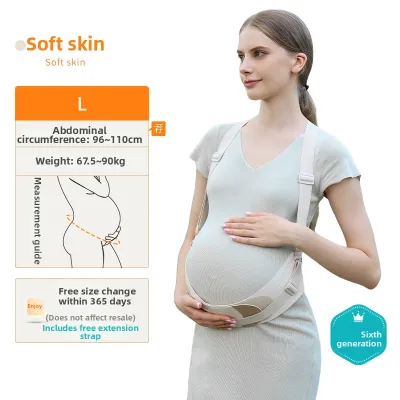
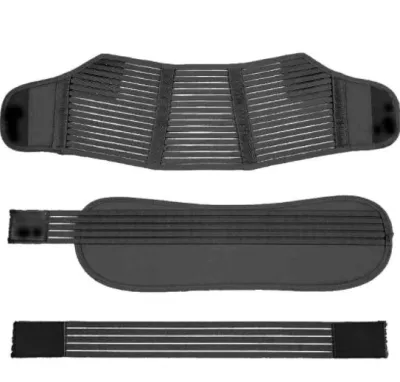
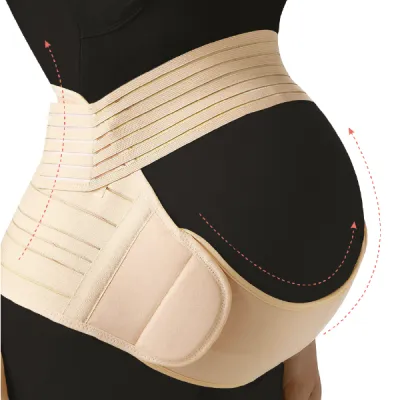
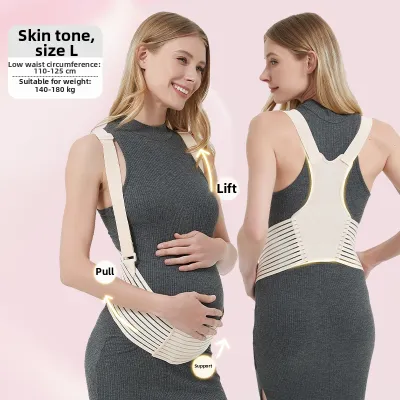
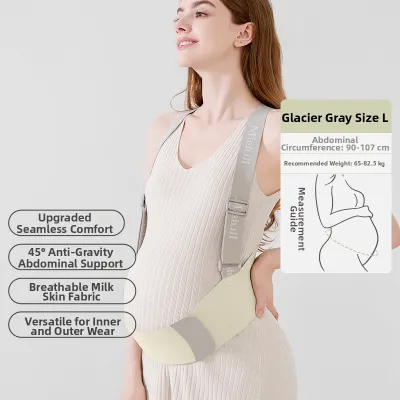
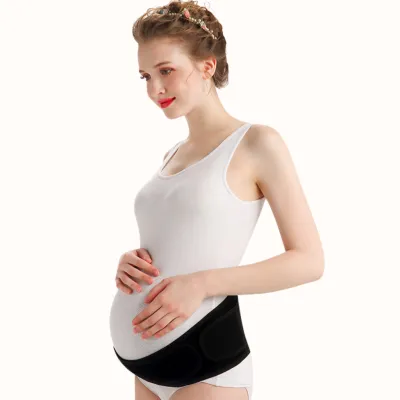
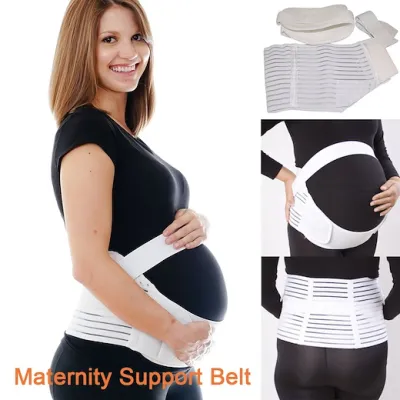
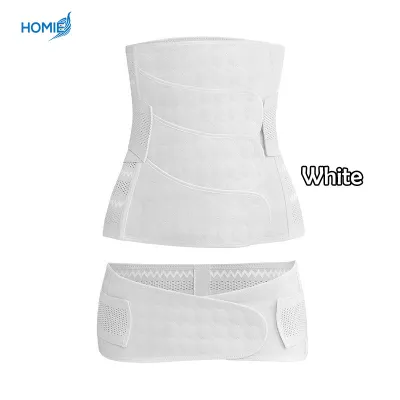
Prices are valid at publication and may change. Please refer to the product page for the latest price.
Adjustability is equally vital to accommodate your rapidly growing bump. A high-quality belt should feature multi-point adjustments, typically using high-grip Velcro straps, allowing you to easily tighten or loosen the support as you progress through the second and third trimesters.
Finally, consider the ease of use and how well the belt fits into your daily routine. Some complex multi-strap systems are difficult to put on independently and can make frequent restroom visits highly inconvenient. Opt for a design that you can easily adjust, put on, and remove without assistance, ensuring it supports rather than hinders your daily activities.
Evaluating the Momcozy Maternity Belt
The Momcozy maternity belt is widely recognized for its modular, three-piece design, which includes an under-belly support strap, a wider back support piece, and an optional upper belly strap. This modularity allows you to customize the level of support based on your daily activity level and the specific stage of your pregnancy. For instance, you can use the under-belly strap alone during the early second trimester for light lifting, and assemble the full three-piece system in your third trimester when your bump requires maximum structural support.

One of the standout features of this belt is its integration of breathable mesh panels. These panels are specifically designed to facilitate airflow, helping to mitigate the heat buildup that is so common when wearing compression garments in Singapore’s humid weather. The elastic materials are soft against the skin, and the low-profile Velcro fasteners allow the belt to sit relatively flat under standard maternity wear or loose office attire, offering excellent aesthetic discretion.
In terms of value, the Momcozy belt is highly accessible, offering structural support that rivals many higher-priced competitors. Its ability to transition into early postpartum recovery—by using the back support piece as a mild abdominal wrap—adds to its overall cost-effectiveness.
However, the belt does have some design limitations. Because it relies on flexible elastic straps, it does not provide the rigid, non-stretch stabilization required to manage severe pelvic instability or clinical joint pain. Additionally, some users have noted that the sizing charts can be inconsistent, occasionally leading to issues with the belt rolling at the edges or slipping during prolonged walking. To ensure safety and comfort, always measure your current belly circumference carefully according to the manufacturer’s guidelines rather than relying on your pre-pregnancy clothing size. If you experience any persistent discomfort, numbness, or skin irritation, stop using the belt immediately and consult your healthcare provider.
How Momcozy Compares to Other Popular Maternity Brands
Momcozy vs. Premium Medical-Grade Support Brands
Premium medical-grade brands, such as Serola or Anita, are engineered specifically for clinical orthotic support and are frequently recommended by women’s health physiotherapists. Unlike the Momcozy belt, which uses flexible elastic to gently lift the belly upward, premium medical bands often utilize highly rigid, non-elastic materials designed to apply firm, lateral compression directly to the pelvic bones. This level of rigidity is essential for stabilizing the sacroiliac joints and managing severe conditions like Symphysis Pubis Dysfunction (SPD) or advanced Pelvic Girdle Pain (PGP). While Momcozy focuses on general everyday comfort and lower back relief, premium medical brands prioritize joint alignment and clinical therapeutic benefits. However, these premium options come at a much higher price point, typically ranging from S$70 to S$130, and their bulky, highly structured designs are often more difficult to conceal under everyday clothing compared to the streamlined Momcozy profile.
Momcozy vs. Budget-Friendly Basic Belly Bands
On the other end of the spectrum, budget-friendly basic belly bands—often sold unbranded or under minor local labels in Singapore’s maternity shops—are typically simple, seamless tubes of elastic knit fabric. These basic bands do not feature structured straps, supportive backing panels, or Velcro adjustments. Instead, they provide very light, uniform compression across the entire midsection. While they are highly comfortable for lounging and excellent for holding up unbuttoned pre-pregnancy pants during the transitional weeks of the early second trimester, they offer virtually no active lifting or targeted lumbar support. The Momcozy belt represents a significant step up in structural utility, providing engineered lifting and back support that basic bands simply cannot replicate. While basic bands are inexpensive, they fail to provide the physical relief needed as your baby grows heavier in the late second and third trimesters.
Momcozy vs. Multi-Functional Postpartum Recovery Belts
Postpartum recovery brands, such as Belly Bandit or traditional abdominal wraps, are designed specifically to support the body’s healing process after childbirth. These garments feature wide, structured panels that cover the entire abdominal area from just below the bust down to the hips, applying firm, even compression to support weakened core muscles and manage diastasis recti (abdominal separation). While the Momcozy belt offers some postpartum utility by allowing you to repurpose its back support panel as a light abdominal binder, its narrow design cannot match the comprehensive coverage and targeted compression of a dedicated postpartum recovery belt. If your primary physical goal is structured core rehabilitation, visceral support, and posture correction after delivery, investing in a specialized postpartum binder will yield far better results than relying on a transitional maternity belt.
Feature-by-Feature Comparison Matrix
| Support Category | Primary Focus | Breathability & Comfort | Adjustability | Price Range (SGD) | Best Use Case |
|---|---|---|---|---|---|
| Momcozy Maternity Belt | General belly lifting & mild back relief | High (breathable mesh panels) | High (modular three-piece Velcro system) | S$25 – S$45 | Everyday comfort, active walking, and light postpartum transition |
| Premium Medical Brands | Rigid pelvic stabilization & joint alignment | Moderate (denser, non-slip materials) | High (targeted tension straps) | S$70 – S$130 | Severe pelvic girdle pain (PGP), SPD, and clinical recommendation |
| Basic Budget Belly Bands | Light compression & holding up pants | High (thin, seamless knit fabrics) | Low (simple slip-on elastic tubes) | S$10 – S$20 | Early second trimester, lounging, and minimal physical discomfort |
| Dedicated Postpartum Belts | Abdominal compression & diastasis recti support | Moderate to High (structured elastic or cotton) | Very High (wide panels with multi-flap Velcro) | S$60 – S$120 | Post-delivery core recovery and structured abdominal binding |
Decision Framework: Which Maternity Belt Should You Choose?
Choosing the right maternity support garment depends entirely on your current physical symptoms, your budget, and your long-term recovery goals. To help you make an informed decision, consider the following guidelines:
Choose the Momcozy Maternity Belt if:
- You are experiencing mild-to-moderate lower back ache, general abdominal heaviness, or round ligament strain.
- You want a versatile, budget-friendly option that can be adjusted across different trimesters and used for light support after delivery.
- You require a highly breathable garment that remains comfortable under Singapore's daily heat and humidity.
Choose Premium Medical Brands if:
- You have been diagnosed with pelvic girdle pain (PGP), Symphysis Pubis Dysfunction (SPD), or sacroiliac joint instability.
- Your physiotherapist or obstetrician has recommended a highly rigid, non-elastic belt to stabilize your pelvic joints during movement.
Choose Basic Budget Belly Bands if:
- You are in your early second trimester and only need light, comfortable compression.
- Your primary goal is to extend the life of your pre-pregnancy wardrobe by holding up unbuttoned pants, rather than relieving significant physical pain.
Choose Dedicated Postpartum Belts if:
- Your primary focus is structured core recovery, abdominal binding, and managing diastasis recti in the weeks following childbirth.
- You require wide, high-compression coverage across your entire abdominal region to support weak muscles and improve your posture.
Verify first if: You have a high-risk pregnancy, a history of circulatory issues, or specific skin sensitivities. Always consult your obstetrician or a qualified healthcare professional before using any compression garment during or after pregnancy.
Frequently Asked Questions (FAQ)
Can I wear a maternity support belt all day?
Maternity belts are designed for intermittent use during physical activity, walking, or standing. Wearing a belt continuously for more than two to three hours at a time can cause your core muscles to become reliant on the external support, potentially weakening them over time. Additionally, prolonged wear can restrict local blood circulation or cause skin irritation from sweat buildup, especially in Singapore’s humid climate. It is best to wear the belt during active periods and remove it when sitting, resting, or sleeping.
Will a maternity belt help with pelvic girdle pain (PGP)?
While a standard maternity belt like Momcozy can offer some relief by lifting the baby’s weight off your pelvic floor, it may not provide the precise, high-tension compression required to stabilize the pelvic bones. Pelvic girdle pain (PGP) and Symphysis Pubis Dysfunction (SPD) typically require a highly rigid, non-elastic pelvic joint belt worn low around the hips. If you suspect you have PGP or SPD, consult a women’s health physiotherapist or your obstetrician for a professional diagnosis and a tailored support recommendation.
How do I clean and maintain my maternity support belt?
To preserve the elasticity and Velcro strength of your maternity belt, hand washing is highly recommended. Fill a basin with cool water and a small amount of mild, baby-safe detergent. Secure all Velcro fasteners to their designated landing pads before washing to prevent them from snagging the delicate mesh fabric. Gently agitate the belt by hand, rinse thoroughly with clean water, and squeeze out excess moisture without wringing. Lay the belt flat or hang it to air dry in a shaded area away from direct sunlight and heat sources, which can degrade the elastic fibers. Always check the specific care label on your product for manufacturer-approved maintenance instructions.
Community discussion
Share your experience or ask a question. Comments are reviewed before publication.