
Quick Answer: Is the Momcozy Maternity Belt the Best Choice?
Choosing the right maternity support belt depends heavily on your specific physical needs, your daily activity levels, and the stage of your pregnancy. The Momcozy maternity belt is a highly adjustable, mid-tier option that offers an excellent balance of everyday comfort, customizable compression, and accessible value. It is particularly effective for managing mild to moderate lower back aches, round ligament pain, and general abdominal fatigue during daily movement.
However, it is important to recognize that no single belt is a universal solution. For severe, clinically diagnosed conditions—such as Symphysis Pubis Dysfunction (SPD), severe pelvic girdle pain, or intense sciatica—specialized, medical-grade dual-panel bands recommended by healthcare professionals may offer superior, rigid stabilization. For those seeking basic clothing support rather than physical pain relief, a simpler, lightweight option may be more appropriate.
Key Criteria for Evaluating Maternity Support Belts
When comparing maternity support garments, evaluating them against objective performance standards ensures you select a product that truly supports your physical well-being. Consider the following five core criteria:
Products mentioned in this guide
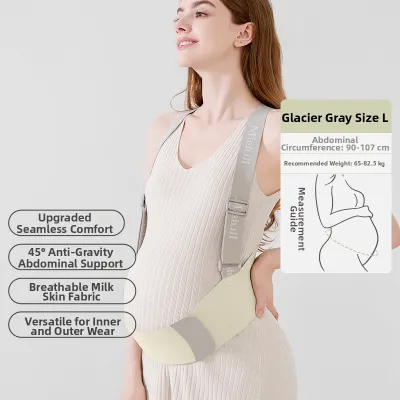
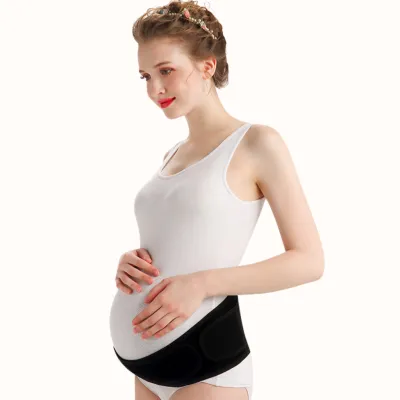
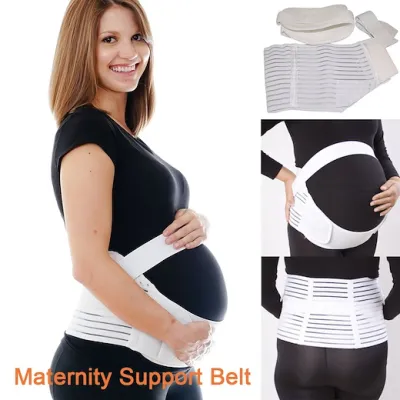
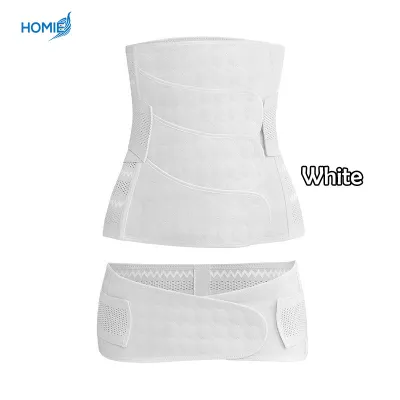
Prices are valid at publication and may change. Please refer to the product page for the latest price.

- Support and Compression: The primary function of a maternity belt is to lift the abdomen and stabilize the pelvis. A high-quality belt must distribute the weight of the growing uterus evenly across the lower back and hips, reducing pressure on the pelvic floor and stabilizing the sacroiliac (SI) joints without restricting blood circulation.
- Comfort and Breathability: Because these garments are worn close to the skin, fabric composition is critical. In Singapore's warm and humid tropical climate, poor ventilation leads to heat retention, excessive sweating, and skin chafing. Breathable mesh panels and moisture-wicking materials are essential for daily comfort.
- Adjustability and Fit: A pregnant body changes rapidly from the second to the third trimester. A support belt must feature reliable fastening mechanisms, such as high-quality hook-and-loop systems, to allow for micro-adjustments as your bump grows.
- Ease of Use: A support band should be straightforward to put on, adjust, and remove independently. Multi-strap systems must be intuitive, allowing you to easily wear the garment under or over your clothing without constant readjustment.
- Value: This is determined by the durability of the elastic and fastening elements over months of daily wear and repeated washing, relative to the retail price tier.
Momcozy Maternity Belt: Design, Support, and Comfort
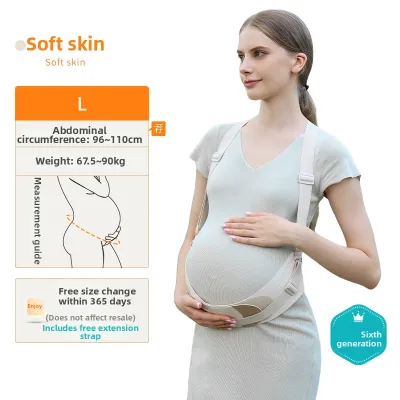
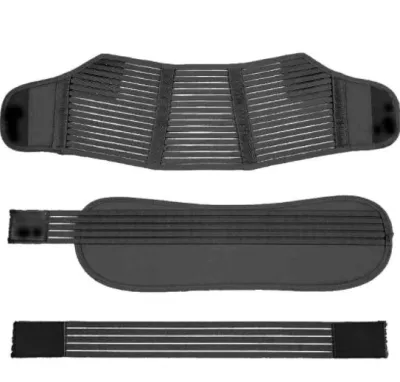
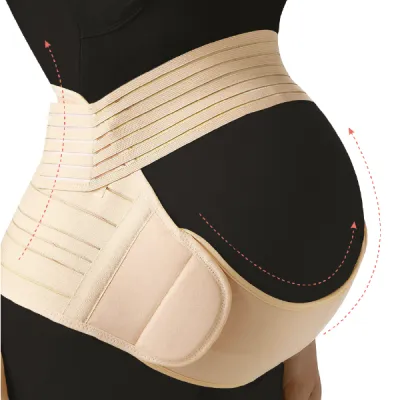
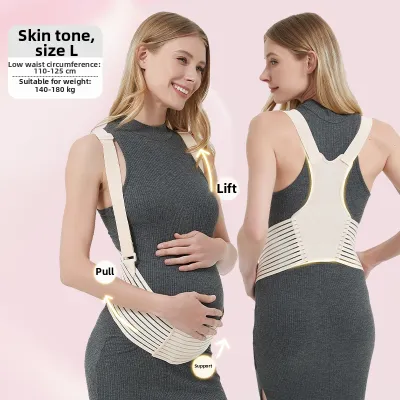
The Momcozy maternity belt is designed with a multi-piece, ergonomic structure that aims to provide targeted, customizable support. It typically features a main abdominal band that cradles the underside of the bump, paired with secondary tension straps that cross over the lower back to distribute weight more evenly. This design mimics the natural support of the abdominal muscles, relieving the forward pull on the spine.
In terms of material, the belt utilizes a blend of polyester and spandex, incorporating breathable mesh panels to enhance airflow. In a warm climate like Singapore’s, this ventilation is a significant advantage, though any multi-strap elastic band will inevitably add a layer of warmth during extended outdoor walking. The inner lining is designed to be soft against the skin, reducing the risk of friction, though users should perform regular checks to ensure the edges do not roll or dig into the hip crease during prolonged sitting.
For support, the Momcozy belt performs exceptionally well for daily physical tasks, light exercise, and standing for moderate periods. It effectively mitigates the dull ache of round ligament stretching and the lower back fatigue common in the late second and third trimesters. However, because the materials are highly elastic and flexible, the belt does not provide the rigid, unyielding stabilization required for severe pelvic joint instability.
Pros:
- Highly adjustable, modular design allows you to wear the pieces together or separately.
- Breathable mesh fabric helps manage heat and moisture.
- Soft materials minimize skin irritation when worn over a light base layer.
- Accessible pricing offers strong value for everyday use.
Cons:
- The elastic and hook-and-loop fasteners can collect lint and lose grip over time if not cared for properly.
- The multi-strap system requires some initial practice to align correctly.
- Lacks the rigid steel or plastic stays found in heavy-duty orthopedic braces.
How Momcozy Compares to Other Leading Brands
To understand where the Momcozy maternity belt sits in the wider market, it is helpful to compare it against the two primary structural categories of competing support garments.
Momcozy vs. Medical-Grade Dual-Panel Support Bands
Medical-grade dual-panel support bands are therapeutic devices designed for high-level stabilization. Structurally, these bands often feature rigid or semi-rigid posterior panels, integrated plastic stays, and non-stretch trochanter belts specifically engineered to compress and lock the pelvic ring. In contrast, the Momcozy belt relies on flexible, high-stretch elastic straps designed for dynamic everyday movement.
For clinical conditions like severe Symphysis Pubis Dysfunction (SPD) or acute sciatica, medical-grade bands are superior because they strictly limit joint shearing and pelvic movement. However, this high level of stabilization comes with a distinct comfort trade-off. Medical-grade bands are typically bulkier, heavier, less breathable, and highly visible under clothing. For general pregnancy fatigue and mild postural support, Momcozy offers a much more comfortable, flexible, and discreet option for daily wear.
Momcozy vs. Everyday Single-Panel Belly Bands
Everyday single-panel belly bands are simple, seamless fabric tubes, often made of a nylon-spandex blend. These bands are primarily designed for fashion and light coverage, helping to hold up unbuttoned pre-pregnancy pants or providing a smooth layer over maternity clothing. They offer very light, non-targeted compression.
When compared to the Momcozy belt, single-panel bands provide minimal physical lift or structural support. They do not redistribute abdominal weight or stabilize the pelvis, making them ineffective for relieving lower back or round ligament pain. While single-panel bands are undeniably lighter, cooler, and completely seamless under tight clothing, they serve a decorative or clothing-security purpose rather than a therapeutic one. The Momcozy belt represents a much higher value proposition for mothers seeking actual physical relief from musculoskeletal strain.
Feature and Value Comparison Matrix
The table below summarizes how the Momcozy maternity belt compares to the two main categories of competing support garments:
| Brand/Category | Primary Support Level | Best For | Breathability | Adjustability | Estimated Price Tier |
|---|---|---|---|---|---|
| Momcozy Maternity Belt | Moderate & Customizable | Daily relief, mild back/pelvic discomfort, active walking | High (breathable mesh panels) | High (multi-strap adjustable fasteners) | Mid-Range |
| Medical-Grade Dual-Panel Brands | High & Rigid | Severe SPD, pelvic girdle pain, sciatica, clinical stabilization | Low to Moderate (thick, supportive materials) | High (precision tension straps) | Premium |
| Everyday Single-Panel Bands | Low (Light Compression) | Holding up unbuttoned pants, mild bump warmth, seamless look | Very High (thin, seamless fabric) | Low (stretch-to-fit, non-adjustable) | Budget-Friendly |
Note: Readers should verify current stock, exact material compositions, and pricing on official brand websites or authorized local e-commerce platforms.
Decision Guide: Which Maternity Belt Should You Choose?
To make an informed choice, align your selection with your physical symptoms, daily activities, and medical recommendations.
- Choose the Momcozy Maternity Belt if: You are experiencing typical, moderate pregnancy-related backaches, round ligament pain, or pelvic pressure during daily standing and walking. It is ideal if you want an adjustable, breathable, and cost-effective support system that can adapt to your changing shape throughout the second and third trimesters.
- Choose a Medical-Grade Dual-Panel Brand if: You have been diagnosed with a specific pelvic joint condition like SPD, severe sacroiliac joint instability, or sciatica, and your obstetrician or pelvic health physiotherapist has recommended a high-stabilization orthopedic brace.
- Choose an Everyday Single-Panel Band if: Your primary goal is fashion-oriented, such as extending the wear of your pre-pregnancy wardrobe, and you only require a light, comforting hug around your abdomen without any structural weight redistribution.
- Verify First if: You have a high-risk pregnancy, pre-existing spinal conditions (such as severe scoliosis or herniated discs), or highly sensitive skin prone to eczema or contact dermatitis. Always consult your healthcare provider or OB/GYN before introducing a compression garment to your prenatal routine.
Safe Usage, Fit, and Care Guidelines
Using a maternity support belt safely is essential to protect both your body and your baby. Always prioritize proper placement, wear limits, and maintenance.
Proper Fit
Place the main support band low on your hips, cradling the underside of your belly. It must never sit high across the middle of your abdomen, as this can apply direct, downward pressure on the uterus. Adjust the tension so that the belt feels snug and supportive—similar to a firm, lifting hand—but ensure it is never tight enough to restrict deep breathing, impede digestion, or leave deep red indentations on your skin.
Wear Time Limits
Do not wear a maternity belt continuously throughout the day. Limit your wear to 2 to 3 hours at a time, focusing on periods of physical activity, standing, or walking. Taking regular breaks prevents your core and pelvic floor muscles from becoming reliant on external support, which helps maintain your natural muscle strength.
Warning Signs
Immediately remove the maternity belt and consult a medical professional if you experience any of the following symptoms:
- Numbness, tingling, or a "pins and needles" sensation in your legs, hips, or groin.
- An increase in pelvic or lower back pain.
- Any noticeable restriction or change in fetal movement.
- Shortness of breath, dizziness, or nausea.
- Localized skin rashes, severe itching, or hives under the band.
Care Instructions
To preserve the elasticity of the elastane fibers and protect the hook-and-loop fasteners, check the care label on your specific product. Generally, it is best to hand wash the belt in cool water using a mild detergent. If you choose to use a washing machine, fasten all hook-and-loop straps securely to prevent them from snagging other fabrics, place the belt inside a mesh laundry bag, select a gentle cycle, and always air dry. Never place a maternity belt in a clothes dryer, as high heat degrades the elastic components.
Frequently Asked Questions (FAQ)
Can I wear the Momcozy maternity belt while sleeping?
No, you should avoid wearing any structural support belts while sleeping unless specifically instructed to do so by your doctor. When you lie down, the gravitational pressure on your abdomen changes, and a tight belt can restrict blood circulation and cause discomfort. For nighttime support and spinal alignment, consider using a specialized pregnancy pillow to support your knees, hips, and belly.
Will wearing a maternity belt weaken my core muscles?
When used correctly, a maternity belt will not cause muscle weakness or atrophy. The key is moderation. By limiting its use to active hours (2 to 3 hours at a time) and incorporating safe, pregnancy-approved core-strengthening and pelvic floor exercises under professional guidance, you can maintain your natural muscle tone while enjoying temporary physical relief.
How do I clean the Velcro on my maternity belt?
Over time, hook-and-loop fasteners can collect lint, threads, and hair, reducing their sticking power. To clean them, gently scrape the hook side of the fastener with a fine-toothed comb, an old toothbrush, or tweezers to lift out trapped debris. To prevent the fasteners from gathering lint or snagging other fabrics during laundering, always close the straps completely before washing the belt.
Community discussion
Share your experience or ask a question. Comments are reviewed before publication.