
When choosing baby wipes, safety and skin compatibility are paramount. Infant skin is significantly thinner and more permeable than adult skin, making it highly susceptible to irritation, dryness, and chemical absorption. If you are considering Mix Shop wet wipes for your baby, determining their safety requires a close examination of the specific product packaging, the ingredient list, and your baby’s unique skin profile. Because brands often manufacture multiple product lines—ranging from general-purpose household wipes to specialized baby wipes—you cannot assume all wipes under a single brand name are formulated for delicate infant skin.
To ensure the wipes you select are safe, you must learn how to decode the label on each pack. A wipe that is perfectly suitable for cleaning hands or surfaces may contain preservatives or fragrances that trigger contact dermatitis when used on a baby’s diaper area. By adopting a systematic approach to evaluating ingredients, conducting safe home tests, and practicing proper storage, you can confidently decide whether a specific pack of Mix Shop wet wipes is appropriate for your baby’s daily care routine.
How to Evaluate Mix Shop Wet Wipes for Baby Skin Safety
Evaluating any wet wipe brand begins with a thorough inspection of the physical packaging. Before purchasing Mix Shop wet wipes, locate the manufacturer’s intended use statement. Look for explicit wording indicating that the product is designed specifically for babies, infants, or newborns. Wipes intended for general household cleaning, makeup removal, or adult personal hygiene often contain stronger surfactants and preservation systems that can compromise an infant’s delicate skin barrier.
Products mentioned in this guide
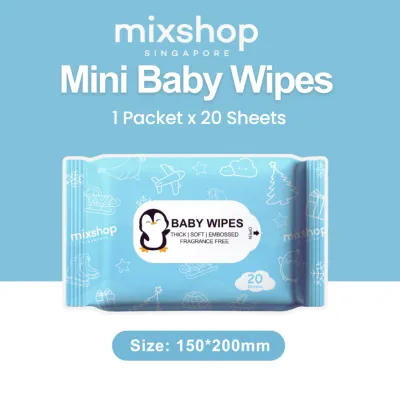
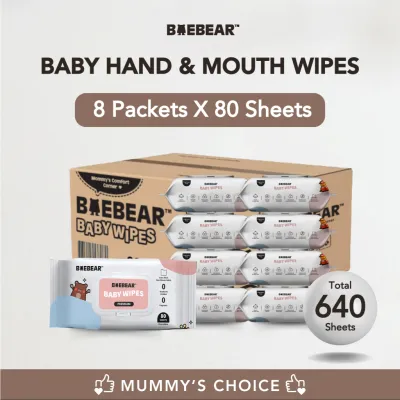
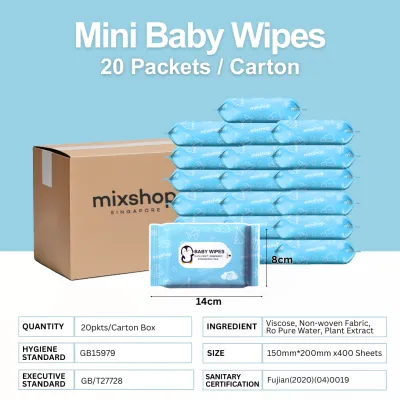
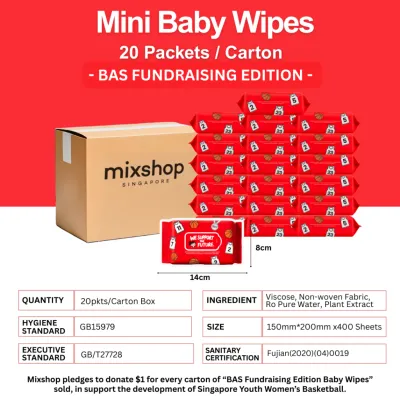

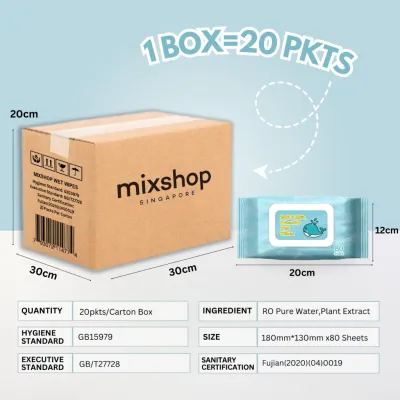
Prices are valid at publication and may change. Please refer to the product page for the latest price.
Next, examine the label for specific skin type recommendations. If your baby has sensitive skin, eczema, or a history of diaper rash, prioritize packages that explicitly state they are suitable for sensitive or eczema-prone skin. These formulations are typically designed to minimize friction and chemical exposure. However, remember that terms like “sensitive” are not universally standardized, making it essential to cross-reference these marketing claims with the actual ingredient list printed on the back of the pack.
You should also look for professional endorsements or testing claims on the packaging. Claims such as “dermatologist-tested,” “pediatrician-approved,” or “hypoallergenic” indicate that the formulation has undergone safety screening. While these labels offer a degree of reassurance, they do not guarantee a complete absence of allergic reactions. Treat these claims as helpful indicators rather than absolute safety guarantees, and always verify them by checking for the absence of known irritants.
Finally, confirm the presence of explicit “free-from” declarations. High-quality baby wipes often prominently feature labels such as “fragrance-free,” “alcohol-free,” and “paraben-free.” These declarations are crucial because they immediately rule out some of the most common culprits behind infant skin irritation. If a pack of Mix Shop wipes lacks these clear exclusions, or if the label is vague about its chemical composition, it is safer to opt for a variant that explicitly details its ingredient exclusions.
Key Ingredients to Avoid in Baby Wipes
Understanding which ingredients to avoid is the most effective way to protect your baby’s skin from painful rashes and irritation. The first category of ingredients to watch out for is drying alcohols, such as ethanol, isopropyl alcohol, and denatured alcohol. These volatile compounds are sometimes added to wipes to facilitate quick drying or provide antiseptic properties. However, on infant skin, drying alcohols strip away the natural lipid barrier, leading to severe dryness, flaking, and microscopic tears in the skin that allow bacteria to enter.

Artificial fragrances and perfumes represent another major risk factor for baby skin. Listed on ingredient labels as “fragrance,” “parfum,” or even disguised as concentrated essential oils, these aromatic compounds are the leading cause of allergic contact dermatitis in children. Even natural essential oils, which may sound safe, can be highly sensitizing to a baby’s developing immune system. A safe baby wipe should be completely unscented, relying on pure water rather than masking agents to clean the skin.
Preservatives are necessary in wet wipes to prevent the growth of mold and bacteria in a moist environment, but some preservatives are far too harsh for infants. Avoid wipes containing methylisothiazolinone (MIT) or methylchloroisothiazolinone (MCI), which have been widely linked to severe allergic skin reactions. Similarly, parabens (such as methylparaben or propylparaben) should be avoided due to ongoing concerns regarding their potential for skin absorption and endocrine disruption. Always check the label to ensure these specific preservatives are absent.
Lastly, steer clear of strong surfactants and cleansing agents, such as sodium lauryl sulfate (SLS) or sodium laureth sulfate (SLES). These foaming agents are highly effective at breaking down oils, but they are far too aggressive for a baby’s diaper area. They can disrupt the skin’s natural pH and wash away the protective oils that keep the skin supple. If your baby already has compromised skin, such as mild diaper rash or dry patches, exposure to these harsh surfactants will inevitably exacerbate the irritation and delay healing.
Gentle Ingredients to Look For on the Label
While knowing what to avoid is critical, recognizing beneficial, skin-supportive ingredients is equally important when reviewing Mix Shop wet wipes. The primary ingredient in any high-quality baby wipe should always be high-purity water, often listed as Aqua, Purified Water, or Deionized Water. Ideally, water should make up the vast majority of the liquid formulation. High water content ensures that the wipe cleanses gently through physical lifting rather than relying on chemical solvents, minimizing the risk of chemical residue remaining on the skin.
In addition to water, look for mild humectants that help retain moisture in the skin’s outer layers. Glycerin is an excellent, low-risk humectant commonly found in safe baby formulations. It draws moisture from the air into the skin, helping to maintain hydration even after the wipe’s liquid has evaporated. Vitamin E (often listed as tocopherol or tocopheryl acetate) is another valuable addition, providing antioxidant properties and supporting the skin’s natural healing processes.
Soothing botanical extracts can also enhance the safety and comfort of a wet wipe. Look for ingredients like aloe vera (Aloe barbadensis leaf juice), chamomile (Chamomilla recutita extract), and calendula (Calendula officinalis extract). These natural botanicals are well-regarded for their anti-inflammatory and skin-calming properties, helping to soothe minor redness and protect the skin barrier. Ensure these extracts are placed low on the ingredient list, indicating they are present in safe, diluted quantities rather than concentrated, sensitizing amounts.
Finally, check if the formulation is described as pH-balanced or slightly acidic. Healthy infant skin has a natural pH of around 5.5, which forms a protective barrier known as the acid mantle. Using wipes that are too alkaline can disrupt this barrier, making the skin vulnerable to bacterial infections and diaper rash. A formulation that matches the skin’s natural acidity helps preserve this delicate ecosystem, ensuring that frequent wiping does not compromise your baby’s natural defenses.
How to Safely Introduce a New Wipe Brand to Your Baby
Whenever you introduce a new brand of wet wipes, such as a new variant of Mix Shop wipes, it is vital to follow a cautious, structured testing protocol. Do not immediately use a new wipe across your baby’s entire diaper area or face. Instead, perform a localized patch test. Wipe a small, clean area of your baby’s skin—such as the inner forearm or the calf—with the new wipe. Monitor this specific spot closely for 24 hours, looking for any signs of redness, swelling, tiny bumps, or dryness.
If the patch test reveals no adverse reactions, you can begin using the wipes, but limit their initial application to less sensitive areas of the body. Avoid using them on highly sensitive regions, broken skin, or areas already affected by diaper rash. The skin barrier is highly compromised during a rash, allowing chemicals to penetrate much deeper than they would on healthy skin. During these times, stick to plain water and soft cotton pads until the skin has fully recovered.
As a caregiver, you must remain vigilant for early warning signs of skin irritation. These signs include localized redness that appears shortly after wiping, dry or rough patches of skin, or your baby showing signs of discomfort or fussiness during the wiping process. Sometimes, a reaction may not appear instantly but can develop over several days of repeated use as the skin barrier gradually weakens. If you notice any of these subtle changes, stop using the wipes immediately.
Establish a clear threshold for when to seek professional medical advice. If your baby develops a persistent rash, hives, blistering, or if the skin becomes hot to the touch, discontinue the product and consult a pediatrician or dermatologist. Do not attempt to treat severe or worsening skin reactions with over-the-counter creams without professional guidance, as some creams can interact negatively with the chemical residues left by the wipes.
Storage and Usage Practices to Maintain Wipe Hygiene
Even the safest, most natural wet wipes can become hazardous if they are not stored and handled correctly. Wet wipes are inherently moist, creating an ideal breeding ground for bacteria, mold, and fungi if the preservation system is compromised. To prevent contamination, always ensure the packaging is tightly sealed immediately after extracting a wipe. If the pack features a plastic flip-top lid, press down firmly until you hear a distinct click; if it uses an adhesive resealable label, smooth it down completely to eliminate air gaps.
Where you store the wipes also plays a critical role in maintaining their safety and efficacy. Store your wipe packages in a cool, dry place, away from direct sunlight, radiators, or the humid environment of a bathroom. High temperatures can accelerate the breakdown of mild preservatives, rendering them ineffective and allowing microbial growth to occur. Furthermore, extreme heat can cause the liquid formulation to pool at the bottom of the pack, leaving the top wipes dry and the bottom wipes oversaturated.
Always pay attention to the Period After Opening (PAO) symbol on the packaging, which is typically depicted as an open jar icon with a number followed by an “M” (such as 3M or 6M). This indicates how many months the product remains safe to use after the seal is broken. Discard any wipes that have exceeded this timeframe, even if they still feel moist. Additionally, perform a sensory check before use: if the wipes have changed color, developed an unusual odor, or feel dry and scratchy, discard the entire pack immediately to protect your baby’s skin.
Frequently Asked Questions (FAQ)
Can I use Mix Shop wet wipes on my newborn's face and hands?
Before using any Mix Shop wet wipes on your newborn’s face or hands, you must carefully check the product packaging for specific multi-use or facial-use claims. Newborn skin is exceptionally thin, highly permeable, and far more sensitive than the skin of older infants. Because of this, ingredients that are tolerated on the diaper area might cause irritation around the delicate skin of the eyes, nose, and mouth.
If the wipes do not explicitly state they are safe for facial use, or if they contain any added fragrances or preservatives, avoid using them on your newborn’s face. For daily facial cleansing, the safest and most recommended approach is to use plain, lukewarm water paired with a clean, soft cotton pad or washcloth. This completely eliminates the risk of chemical exposure near your baby’s airway and eyes.
If you do use a verified, safe, and fragrance-free wipe for hands and face, always take care to avoid the immediate eye area, the lips, and any mucous membranes. Wiping these areas can cause physical irritation from friction and may lead to accidental ingestion of the wipe’s liquid formulation. Keep facial wiping to a minimum and prioritize water-based cleansing whenever possible.
What should I do if my baby develops a rash after using these wipes?
If your baby develops a rash, redness, or irritation after you begin using Mix Shop wet wipes, the first and most important step is to stop using the wipes immediately. Do not attempt to finish the pack or wait to see if the skin adapts. Gently rinse the affected area with lukewarm water to remove any remaining chemical residues from the wipe, and pat the skin dry with a clean, soft towel without rubbing.
To aid the skin’s natural recovery, keep the affected area clean, dry, and exposed to the air as much as possible. Allowing your baby to have some diaper-free time helps reduce moisture buildup, which is a primary driver of diaper rash. If necessary, apply a thin layer of a fragrance-free, hypoallergenic barrier cream containing zinc oxide to protect the compromised skin from moisture and friction.
Monitor the rash closely for any red-flag symptoms that indicate a more serious reaction or secondary infection. If you notice blistering, oozing, pus, spreading redness, or if your baby develops a fever or seems to be in significant pain, seek prompt medical attention from a pediatrician or dermatologist. These symptoms require professional diagnosis and may necessitate targeted medical treatment rather than simple barrier creams.

Community discussion
Share your experience or ask a question. Comments are reviewed before publication.