
The best baby bottle sterilizer depends on your daily feeding routine, the materials of your bottles, and your available space. Milton utilizes a cold-water chemical method, steam sterilizers rely on heated water vapor, and UV sterilizers use ultraviolet light. This guide compares these three approaches across material compatibility, daily workflow, and maintenance to help you determine which method safely and efficiently fits your household.
In Singapore, where high humidity can encourage mold and bacterial growth on damp surfaces, selecting a sterilization method that fits your lifestyle is particularly important. Whether you are managing a busy kitchen counter or preparing for travel, understanding the operational differences between these three systems ensures your baby’s feeding equipment remains clean and safe.
How Milton, Steam, and UV Sterilizers Work
The Milton method relies on a cold-water chemical process that has been trusted by parents and hospitals for decades. To use this system, you dissolve a sterilizing tablet or a measured amount of liquid disinfectant into a dedicated plastic container filled with cold tap water. The active ingredient, sodium hypochlorite, creates a mild sterilizing solution that remains effective for 24 hours. You submerge thoroughly washed bottles, teats, and pump parts into the liquid, ensuring no air bubbles are trapped inside, and leave them for a minimum of 15 minutes to complete the process.
Products mentioned in this guide
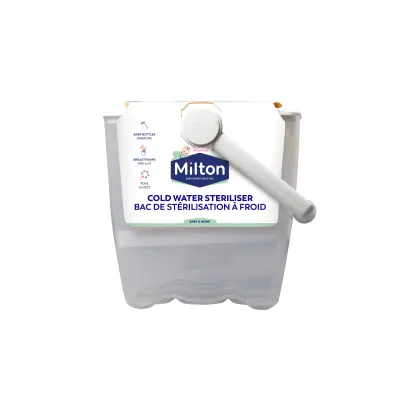
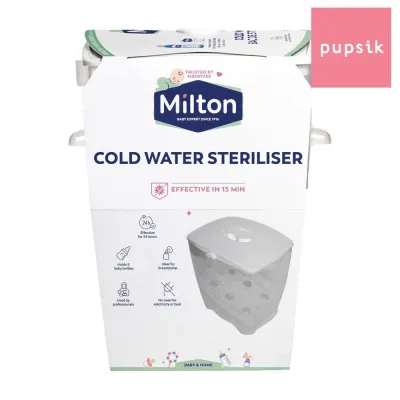
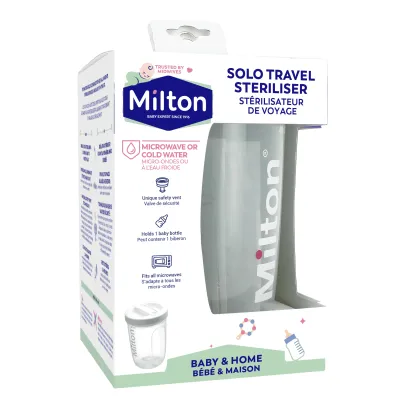
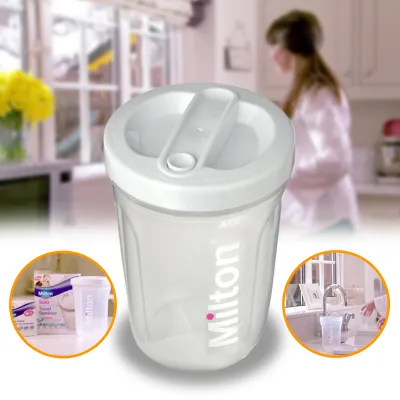
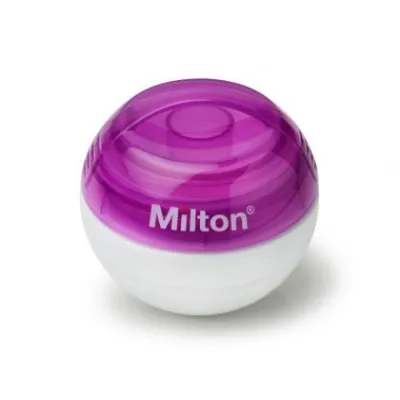
Prices are valid at publication and may change. Please refer to the product page for the latest price.
Steam sterilization uses high-temperature water vapor to eliminate bacteria, viruses, and mold spores. This method is available in two main formats: standalone electric steam sterilizers or microwave steam bags and sterilizing cases. Electric units heat water in a reservoir to create steam, which circulates around the bottles inside a closed chamber. The active sterilization phase is relatively quick, often taking between 5 and 12 minutes, though the items remain hot and wet at the end of the cycle, requiring careful handling or a dedicated drying phase.
UV sterilization represents a modern, waterless approach that uses ultraviolet-C (UV-C) light to disrupt the DNA and RNA of microorganisms, preventing them from reproducing. UV sterilizers are typically enclosed, countertop appliances equipped with UV lamps or light-emitting diodes (LEDs). You place washed and dried bottles inside the chamber, where the light reflects off polished interior walls to coat all surfaces. A standard cycle takes between 10 and 20 minutes, and many premium units feature an integrated warm-air drying cycle to eliminate moisture entirely.
Before committing to any of these methods, it is essential to consult the manufacturer instructions for your specific sterilizer and baby bottles. Each brand may specify precise contact times, water volumes, or loading configurations required to achieve effective sterilization.
Material Compatibility and Safety Checks
Different bottle materials react uniquely to heat, chemicals, and light, making material compatibility a primary safety consideration. Steam sterilizers subject items to temperatures around 100°C, which is highly effective but can cause lower-quality plastics to warp or degrade over time. While high-grade borosilicate glass, polypropylene (PP), polyethersulfone (PES), and polyphenylsulfone (PPSU) bottles generally withstand high heat, you must verify the heat tolerance of all accessories, including breast pump valves, silicone membranes, and decorative plastic collars.

UV sterilizers operate at much lower temperatures, making them excellent for heat-sensitive items, but UV-C light can accelerate the aging of certain materials. Over time, prolonged exposure to ultraviolet rays can cause some plastics and silicone compounds to become brittle, yellow, or develop a chalky surface texture. This degradation can compromise the structural integrity of bottle teats or pump parts. To prevent this, always check the packaging or user manuals of your bottles and accessories to confirm they are explicitly rated as UV-safe.
Milton’s cold-water chemical method is highly compatible with almost all bottle materials because it completely eliminates the risks associated with high heat and UV exposure. Glass, silicone, and various plastics can be submerged repeatedly without warping or losing their structural integrity. However, you must confirm that any specialized metal components, such as certain breast pump spring mechanisms, are compatible with chemical solutions to prevent tarnishing or corrosion.
Regardless of the sterilization method you choose, regular visual inspections of your baby’s feeding gear are vital. You should stop using any bottle, teat, or accessory immediately if you notice signs of structural wear, persistent cloudiness, micro-cracks, stickiness, or lingering chemical or musty odors. Replacing worn parts promptly is a simple and effective way to maintain feeding safety.
Daily Routine, Space, and Portability
Your physical living space and daily schedule will heavily influence which sterilizer feels most convenient. Electric steam and UV sterilizers are countertop appliances that require dedicated space near a power outlet. UV sterilizers, in particular, tend to have a larger footprint similar to a small microwave oven, which can crowd compact kitchen counters. If counter space is at a premium, Milton’s compact plastic container can be easily stored in a cupboard when not in use, or even kept on a dining table or utility shelf.
For families who travel frequently, go on staycations, or need to sterilize bottles during hospital stays, portability is a major differentiator. Milton requires no electricity, boiling water, or specialized heating equipment, making it highly portable and adaptable to almost any environment. You only need access to clean tap water and a container. In contrast, electric steam and UV units are bulky, heavy, and entirely dependent on mains power, making them impractical for travel or on-the-go feeding.
Batch processing capabilities also dictate how well a sterilizer fits your feeding frequency. Steam and UV sterilizers have fixed internal capacities, meaning you can only process a set number of bottles per cycle. If you have a high volume of bottles from exclusive pumping or multiple babies, you may find yourself running consecutive cycles. Milton offers a more flexible workflow: because the chemical solution remains active for 24 hours, you can add washed bottles to the container throughout the day and pull them out as needed, provided they have met the minimum submersion time.
Power outlet dependencies can also be a consideration during power outages or when traveling internationally. While steam and UV models require compatible voltage and plug adapters, Milton remains completely functional under any circumstances, offering a reliable backup option for every household.
Maintenance, Upkeep, and Ongoing Costs
Every sterilization method carries its own set of maintenance requirements and long-term operational costs. Steam sterilizers require regular descaling to remove mineral deposits left behind by evaporated water. In areas with hard water, limescale can quickly build up on the heating plate, reducing the unit’s heating efficiency and potentially causing premature failure. Descaling typically involves running a cycle with white vinegar or citric acid every one to two weeks, which adds an extra step to your household chore list.
UV sterilizers do not use water, completely eliminating the need for descaling, but they do require maintenance of their light sources. Traditional UV bulbs have a finite lifespan and lose their germicidal effectiveness over time, even if they still appear to light up. Manufacturers generally recommend replacing these bulbs every 6 to 12 months, which introduces a recurring maintenance cost. Additionally, you must regularly wipe down the highly reflective interior walls of a UV sterilizer to remove dust and fingerprints, ensuring the light reflects evenly onto all surfaces.
The primary maintenance for the Milton method involves washing the sterilizing container daily and preparing a fresh batch of solution every 24 hours. While there are no mechanical parts to maintain or bulbs to replace, Milton does require a continuous supply of sterilizing tablets or liquid. Over the course of a year, these recurring consumable costs can add up, so parents should factor this into their long-term budget. It is also critical to follow the manufacturer’s exact dilution instructions to ensure the solution is effective without being overly concentrated.
No matter which system you select, sterilization is not a substitute for thorough cleaning. All bottles and accessories must be washed with warm, soapy water and a bottle brush to remove milk fat and protein residue before they enter any sterilizer. Furthermore, ensuring that sterilized items are dried completely—either via a built-in dryer function or on a clean, well-ventilated rack—is essential to prevent the reintroduction of bacteria in humid environments.
Decision Framework: Which Sterilizer Fits Your Needs?
To choose the right sterilization method for your household, consider your primary lifestyle needs, budget, and bottle materials.
You should choose Milton if:
- You travel often, enjoy outdoor activities, or need a highly portable sterilization solution.
- Your kitchen has limited counter space and you prefer an appliance-free setup.
- You want a low-cost initial investment and a flexible, continuous-use workflow throughout the day.
You should choose Steam if:
- You prefer a completely chemical-free, natural sterilization method using only water.
- You have dedicated kitchen counter space and easy access to a power outlet.
- You want a fast sterilization cycle and do not mind performing regular descaling maintenance.
You should choose UV if:
- You want an all-in-one appliance that sterilizes, dries, and stores bottles in a clean environment.
- Your bottle and pump materials are explicitly certified as UV-safe by their manufacturers.
- You want to avoid the hassle of descaling and prefer a dry, waterless maintenance routine.
If you are ever unsure about the material compatibility of your baby bottles, or if you are sterilizing specialized medical-grade feeding equipment, always verify the instructions with the manufacturer. If you notice persistent odors, discoloration, or structural changes in your feeding gear, consult a healthcare professional or your pediatrician to ensure your feeding routine remains completely safe.
Frequently Asked Questions (FAQ)
Do I need to rinse baby bottles after using Milton sterilizer?
According to official Milton guidelines, there is no need to rinse baby bottles or accessories after removing them from the sterilizing solution. Rinsing with standard tap water can recontaminate the sterilized items. If you are concerned about the faint chlorine smell, you can simply shake off any excess liquid before assembling the bottle, as the remaining trace solution is safe for infants when diluted correctly. If you still prefer to rinse, you must use water that has been boiled and cooled to avoid introducing new bacteria.
Can I put silicone pacifiers and teethers in a UV sterilizer?
You can put silicone pacifiers and teethers in a UV sterilizer only if the manufacturer explicitly states they are UV-safe. While high-quality medical-grade silicone is highly durable, prolonged exposure to UV-C light can cause certain silicone formulations to degrade, discolor, or lose their elasticity over time. Checking the product packaging or the manufacturer’s website before sterilization prevents premature wear. If you cannot find clear compatibility guidelines, using a steam or cold-water chemical method is a safer alternative.
How do I know if my steam sterilizer needs descaling?
You can identify when your steam sterilizer needs descaling by looking for visual and operational signs. The most common indicator is the appearance of white, grey, or brown mineral deposits on the metal heating plate at the bottom of the unit. Operationally, you may notice that the sterilization cycle takes longer than usual, or that the unit shuts off before completing its cycle due to overheating. Regularly descaling the heating element with white vinegar or citric acid, according to the manufacturer’s instructions, restores optimal performance.
Community discussion
Share your experience or ask a question. Comments are reviewed before publication.