
Are Metador Bouncers and Walkers Safe for Your Baby?
When selecting nursery gear, safety is rarely a simple “yes” or “no” equation. For brands like Metador, safety depends entirely on the specific model’s design, its compliance with recognized international safety standards, correct home assembly, and strict adherence to daily usage limits. While a brand may have a strong reputation, parents must evaluate each individual product on its own merits rather than assuming blanket safety across an entire product line.
Every baby develops at a unique pace, meaning a product that is safe for one infant may pose significant risks to another. For example, a bouncer designed for a newborn who cannot yet sit up becomes a tipping hazard once that same child begins to roll or push themselves upward. Before introducing any Metador bouncer or walker into your home, you must verify its specific developmental suitability, weight limits, and physical safety features.
Ultimately, no built-in safety feature can replace active, direct adult supervision. In Singapore’s typical high-rise apartments, where space is often compact and multi-functional, keeping a watchful eye on your baby’s movements is paramount. Safe usage requires understanding the physical boundaries of the equipment and knowing exactly when your child has outgrown it.
Products mentioned in this guide
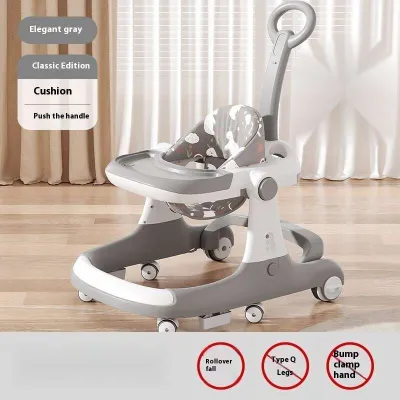
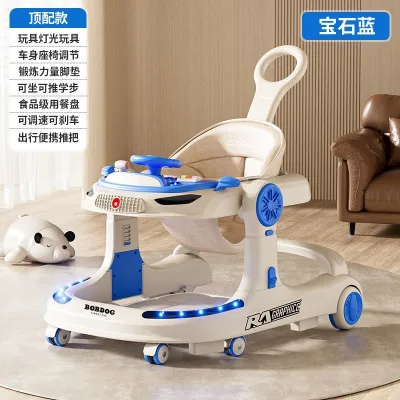
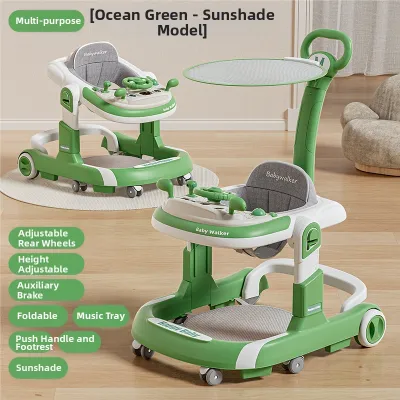
Prices are valid at publication and may change. Please refer to the product page for the latest price.
Essential Safety Features to Inspect in Metador Bouncers
A baby bouncer is designed to provide a secure, comfortable space for your infant to rest and play while remaining upright. However, to ensure your Metador bouncer functions safely, you must carefully inspect several structural elements before placing your baby inside.

Harness System
The harness is your child’s primary defense against accidental slips and falls. Look for a robust, adjustable three-point or five-point harness that secures the baby firmly around the waist and crotch. The straps should be made of durable, tightly woven webbing that does not fray under tension. When adjusting the harness, ensure it is snug but comfortable; you should only be able to fit two fingers between the strap and your baby’s chest. The buckle mechanism must require a deliberate, dual-action press to release, preventing older siblings or the baby from accidentally opening it.
Base and Frame Stability
The stability of a bouncer relies heavily on its physical footprint. A safe bouncer must feature a wide, low-profile base that extends well beyond the perimeter of the seat fabric. This wide base prevents the frame from tipping sideways when your baby kicks or shifts their weight. Additionally, inspect the underside of the frame for high-friction, non-slip rubber grips. In Singapore, where homogeneous tiles, polished marble, and luxury vinyl tiles are common flooring choices, these rubber grips are essential to prevent the bouncer from sliding across the floor during active play.
Recline and Head Support
For newborns and young infants who have not yet developed strong neck muscles, proper physical support is critical. The bouncer’s seat must feature a contoured design that supports the natural curvature of the spine and keeps the head in a neutral, aligned position. The angle of recline should be shallow enough to prevent the baby’s head from falling forward onto their chest. A chin-to-chest position can compress the infant’s delicate airway, leading to positional asphyxia. Ensure any infant insert or head support cushion is securely attached and cannot shift to block the baby’s face.
Weight and Age Limits
Every Metador bouncer model is engineered to support a specific weight range, which you must verify in the manufacturer’s instruction manual. However, developmental milestones are often more critical than weight limits. You must stop using the bouncer immediately once your baby attempts to sit up unassisted, roll over, or grasp the sides of the frame to pull themselves up. Continuing to use the bouncer past this developmental stage dramatically increases the risk of the unit tipping over, potentially causing serious head injuries.
Crucial Safety Checks and Risks for Metador Baby Walkers
Baby walkers introduce mobility to infants who cannot yet walk independently, which inherently introduces unique physical risks. If you are considering a Metador baby walker, you must evaluate how the product’s design mitigates these hazards and understand the developmental context surrounding walker usage.
Stair-Fall Prevention
Falls down stairs are the most common and severe injuries associated with baby walkers. If your home has split levels, steps, or stairs—such as double-story executive maisonettes or landed properties in Singapore—you must ensure the walker is equipped with automatic stair-climbing prevention features. These typically consist of high-friction rubber strips on the underside of the base that immediately grip the floor and halt the walker if a wheel drops over an edge. However, these mechanical features should never replace physical, securely locked baby gates at the top of every staircase.
Tipping Hazards
Because walkers allow babies to move at surprisingly high speeds, they can easily tip over when encountering small obstacles. Look for a model with a very wide, stable wheelbase that is significantly larger than the upper tray. This design ensures that if your baby leans over the side or bumps into a door frame, the center of gravity remains low and centered. A wide base also prevents the walker from fitting through narrow, hazardous doorways, such as those leading to kitchens or bathrooms where wet floors and hot appliances pose additional risks.
Speed Restrictors
On smooth, flat surfaces, a baby in a walker can travel up to one meter per second. To prevent your child from gaining too much momentum, check if the Metador walker features adjustable speed restrictors or tension rings on the rear wheels. These mechanisms allow you to increase rolling resistance, helping to slow the walker down as your baby learns to navigate their surroundings safely.
Developmental and Safety Context
It is important to note that major pediatric associations worldwide advise extreme caution regarding the use of mobile baby walkers. Clinical research indicates that walkers do not help babies learn to walk faster; in fact, they can delay natural motor development. Walkers allow babies to move without developing the core strength, balance, and coordination required for independent walking. Additionally, they encourage toe-walking, which can tighten the Achilles tendons and alter normal muscle development.
Usage Limits
If you choose to use a walker, strict environmental control is mandatory. Limit your baby’s time in the walker to short sessions of no more than 15 to 20 minutes per day. The usage area must be flat, level, and completely free of hazards. Ensure that all electrical cords, tablecloths, hot liquids, household chemicals, and toxic plants are moved far out of the baby’s reach, as the walker elevates the child, allowing them to grab items they otherwise could not access.
How to Verify Safety Certifications and Check for Recalls
Before purchasing a Metador bouncer or walker, you should verify its safety credentials through independent sources rather than relying solely on marketing claims.
Certification Labels
Physically inspect the product, its packaging, and the user manual for recognized safety certification markings. For baby bouncers, look for compliance with European Standard EN 12790 or the American equivalent ASTM F2167. For baby walkers, look for EN 1273 or ASTM F977. These standards guarantee that the product has undergone rigorous testing for structural integrity, stability, non-toxic materials, and small-parts hazards. If a product lacks these clear certification markings, do not purchase or use it.
Manufacturer Instructions
Always read the manufacturer’s instruction manual from cover to cover before assembling the product. Follow the step-by-step assembly guide precisely, ensuring that all click-lock mechanisms, screws, and structural joints are fully engaged and secure. Never use alternative parts or skip assembly steps, as this can compromise the structural integrity of the bouncer or walker. Keep the manual in a safe place for future reference regarding cleaning, maintenance, and part replacement.
Recall Checks
Product safety standards and manufacturing batches change over time. Before using any Metador model, check the official website of the Consumer Product Safety Office (CPSO) under Enterprise Singapore, or the brand’s official global recall database. Search for your specific model number to ensure it has not been flagged for safety defects, structural failures, or material hazards. Registering your product with the manufacturer upon purchase is also highly recommended, as this ensures you will be notified directly if a recall occurs.
Second-Hand Considerations
While purchasing second-hand baby gear is environmentally friendly and cost-effective, it carries significant safety risks for items like bouncers and walkers. Older models may not comply with the latest safety standards, and their history is often unknown. Plastic can degrade and become brittle over time, especially in Singapore’s warm, humid climate. Internal components may be cracked, or crucial safety straps may be frayed. If you cannot verify the exact manufacturing date, obtain the original manual, and confirm the complete recall history, it is safest to avoid second-hand purchases.
Safe Usage Boundaries and When to Stop Using Them
Establishing clear boundaries for where and how you use baby gear is just as important as choosing a well-designed product. Implementing routine safety checks will help prevent accidents throughout the product’s lifespan.
Bouncer Boundaries
A baby bouncer must only be used on flat, level floor surfaces. Never place a bouncer on elevated surfaces such as tables, kitchen countertops, beds, or sofas. The baby’s natural bouncing movements can cause the frame to slide across surfaces, leading to catastrophic falls. Furthermore, soft surfaces like beds or sofas can allow the bouncer to tip over, creating a severe suffocation hazard. Additionally, a bouncer is not a safe sleep environment; if your baby falls asleep, immediately transfer them to a firm, flat crib or bassinet.
Walker Boundaries
You must stop using a baby walker immediately if your child exhibits signs of frustration, attempts to climb out of the seat, or reaches the maximum height or weight limit specified by the manufacturer. Once your baby can stand or take steps independently, the walker is no longer safe or developmentally appropriate. Continued use at this stage can interfere with their natural gait and balance development.
Routine Inspections
Perform a quick physical inspection of your Metador bouncer or walker every week. Check for loose screws, worn-out plastic joints, frayed harness straps, and compromised stitching on the seat fabric. Ensure that the locking mechanisms on adjustable height settings or folding frames engage fully and do not slip under pressure. If you notice any signs of wear, structural damage, or malfunctioning parts, stop using the product immediately and contact the manufacturer’s customer service for guidance.
Transitioning
To support your baby’s physical development safely, transition them away from walkers and bouncers toward healthier alternatives. Stationary activity centers (often called exersaucers) allow your baby to spin, bounce, and play with toys in a fixed location without the mobility risks of a walker. Even better, prioritize supervised floor play on a padded play mat. Unrestricted floor time encourages your baby to roll, crawl, sit up, and eventually pull themselves to a standing position naturally, building the essential core strength and coordination they need to walk independently.
Frequently Asked Questions (FAQ)
Can my baby sleep in a Metador bouncer?
No, your baby should never sleep in a bouncer. Bouncers hold infants in a semi-upright position, which poses a risk of positional asphyxia if the baby’s head falls forward and restricts their airway. Safe sleep guidelines recommend that infants sleep on their back on a firm, flat, and separate sleep surface, such as a crib, cot, or bassinet, free of loose bedding, toys, or bumpers. If your baby falls asleep in their bouncer, gently transfer them to an approved sleep space immediately.
Do baby walkers help infants learn to walk faster?
No, baby walkers do not help infants learn to walk faster. Clinical evidence shows that walkers can actually delay the onset of independent walking. Walkers support the baby’s weight and allow them to move without engaging their core muscles or developing natural balance. They also encourage infants to walk on their tiptoes, which can lead to muscle tightness and improper gait patterns. The most effective way to help your baby learn to walk is through plenty of supervised, unrestricted floor play.
Community discussion
Share your experience or ask a question. Comments are reviewed before publication.