
Finding the right premium diaper is a common challenge for parents in Singapore, where high humidity makes breathability as critical as absorbency. While many brands claim ultimate protection, the “best” diaper depends on your baby’s physical build, skin sensitivity, and activity level.
Here is a high-level summary of how the top premium brands compare:
- Merries is highly favored for its exceptional softness and breathability, making it an excellent choice for newborns or babies with highly sensitive skin.
- Pampers typically excels in slim-fit absorbency, providing long-lasting dryness without bulkiness.
- Huggies is noted for its robust leak barriers and highly elastic fit, which are ideal for active babies.
Because every baby’s anatomy and urine output vary, starting with small trial packs is highly recommended before purchasing in bulk.
Products mentioned in this guide
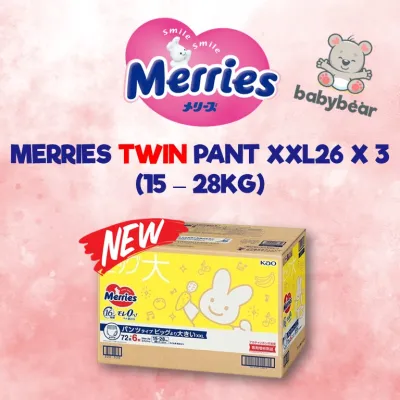
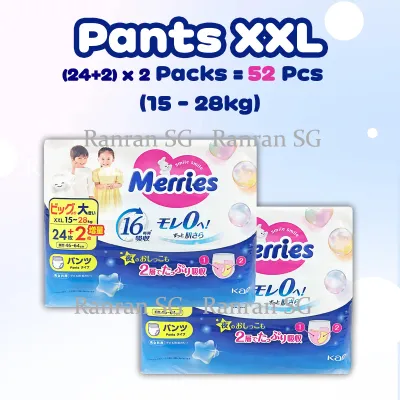
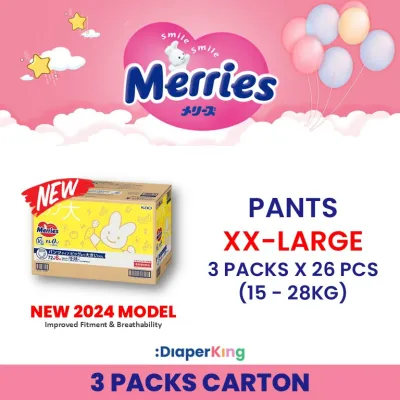
![[LIMITED EDITION] Merries GIANT PANTS L54 x 3 packs](https://img.lazcdn.com/g/ff/kf/S00c74cba66d14c6abc99259f5df06b7fQ.jpg_400x400q80.jpg_.webp)
![[NEW] Merries Ultra Jumbo Pants Diapers XXL (30s x 3 Packs)](https://img.lazcdn.com/g/p/5403d06d3e31e965fc37ae26fa48b944.png_400x400q80.png_.webp)
![[NEW] Merries Ultra Jumbo Pants Diapers XL (46s x 3 Packs)](https://img.lazcdn.com/g/p/c717d956d83100fc53830b1ebfd99bc6.png_400x400q80.png_.webp)
Prices are valid at publication and may change. Please refer to the product page for the latest price.
Core Performance Dimensions to Compare
To make an informed decision, look past marketing claims and focus on concrete, observable design features. Three primary performance dimensions dictate how well a premium diaper will perform: absorbency, breathability, and fit.
Absorbency and Moisture Control
A diaper’s main job is to pull wetness away from your baby’s skin and lock it inside the core. Premium lines use superabsorbent polymers (SAP) to turn liquid into a gel. When evaluating absorbency, observe how evenly liquid distributes. Some diapers feature specialized channels that guide urine along the core, preventing sagging and pooling.
You can verify dry-touch performance at home by gently pressing a dry paper towel against the inner lining of a wet diaper during a change. A high-quality diaper should leave minimal moisture on the paper towel, indicating the top sheet successfully keeps wetness away from the skin. Always check the packaging for specific manufacturer claims regarding absorbency duration, such as “up to 12 hours of protection,” and verify these through real-world use.
Breathability and Comfort
In Singapore’s tropical climate, where relative humidity levels regularly exceed 80 percent, breathability is crucial. Trapped heat and moisture weaken the skin’s natural barrier, increasing the risk of diaper rash.
To evaluate breathability, examine the outer cover and inner lining. Premium diapers often feature micro-pores or air-through materials that allow heat and moisture vapor to escape while keeping liquid contained. Textured inner linings, such as wavy or dimpled patterns, minimize direct skin contact and allow air to flow. Remember that while advanced materials assist in temperature regulation, frequent diaper changes remain your primary defense against skin irritation.
Fit and Leak Prevention
Even highly absorbent diapers will leak if the fit is incorrect. A proper fit relies on a combination of elastic waistbands, secure fastening tabs, and double-layered leg gathers. Leg gathers act as physical barriers to contain urine and loose stools during movement.
When fitting a diaper, you should be able to slide two fingers comfortably between the waistband and your baby’s tummy. The leg cuffs should flare outward. If you notice deep red marks on your baby’s thighs or waist, the diaper is either too tight, the cut is incompatible with their body shape, or it is time to transition to a larger size.
Merries: Standout Features and Ideal Use Cases
Originating from Japan, Merries has established a strong reputation in Singapore for its focus on skin health and exceptional comfort. The brand’s design philosophy centers on minimizing friction and maximizing airflow, making it a staple in many local nurseries.

The defining feature of Merries is its incredibly soft, cotton-like inner lining. The inner sheet utilizes a unique wavy top sheet design that creates tiny air channels. This textured surface allows moisture to escape easily while trapping soft, runny stools, preventing them from spreading across the baby’s skin. This makes Merries highly effective for newborns whose skin is thin and delicate.
Merries offers two primary styles to suit different developmental stages:
- Merries Tape: Ideal for newborns and younger infants who spend most of their time lying down. The tape tabs are soft, rounded, and highly adjustable, allowing caregivers to customize the fit around the waist for quick, frequent changes.
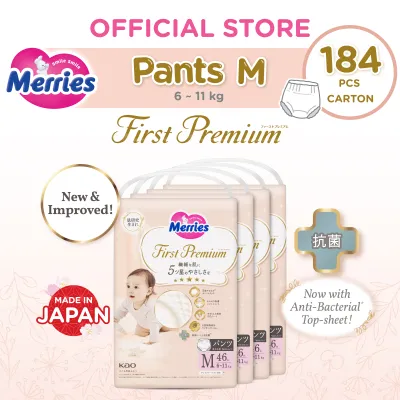
- Merries Pants: Designed for active infants who are rolling, crawling, or walking. They feature a highly stretchable waistband that pulls up easily and side seams that tear for quick removal.
Given Singapore’s warm and humid weather, Merries is particularly well-suited for daytime use when your baby is active and you can perform regular changes. The high breathability helps keep the diaper area cool and dry, reducing the risk of heat rash.
Safety and Verification Check: Always consult the weight guidelines printed on the packaging, as diaper sizing can differ between brands. If your baby is approaching the upper limit of a weight range, or if you notice frequent leaks, trial the next size up. If skin redness or diaper rash develops and persists despite regular changes, stop using the diaper and consult a pediatrician to rule out allergic reactions or infections.
Pampers and Huggies: Key Strengths and Differences
To understand how Merries compares to other market leaders, it is essential to look at the engineering behind Pampers and Huggies. Both brands offer distinct advantages that cater to different parenting styles and baby needs.
Pampers: Absorbency and Slim Fit
Pampers’ premium lines, such as Pampers Premium Care, are engineered with a strong focus on high-capacity absorbency and a streamlined profile. Unlike traditional diapers that can become bulky and heavy when wet, Pampers utilizes specialized absorbent channels that distribute liquid evenly across the core. This design prevents the diaper from sagging between the baby’s legs, allowing for greater freedom of movement.
The slim fit of Pampers makes it an excellent choice for active toddlers. Because the diaper remains thin even after absorbing multiple voids, it fits comfortably under lightweight clothing without restricting mobility. Many parents find Pampers highly reliable for overnight use, as the core is designed to lock away moisture for extended periods, keeping the surface dry and helping your baby sleep through the night.
Huggies: Leak Barriers and Elasticity
Huggies’ premium offerings, such as Huggies Platinum Naturemade, place a heavy emphasis on structural security and leak prevention. One of the most notable design features of Huggies diapers is the pocketed waistband at the back. This elasticated pocket is specifically engineered to catch and contain runny bowel movements, significantly reducing the risk of back blowouts.
Additionally, Huggies diapers typically feature a highly elastic waistband and wide, secure fastening tabs that provide a snug, custom fit around the torso. This makes them highly suitable for tummy sleepers, as the snug front fit prevents urine from escaping through the top when the baby sleeps on their stomach. The robust leg gathers provide an extra layer of defense for babies who are crawling or climbing. If your primary diapering challenge is managing a highly active baby or preventing messy leaks, the structured, elastic design of Huggies offers excellent peace of mind.
Evaluating Cost and Value per Diaper
While performance is crucial, diapering is a long-term expense that can significantly impact your household budget. When comparing premium brands like Merries, Pampers, and Huggies, evaluating the true cost requires looking beyond the price tag of a single pack.
To determine the actual value, always calculate the cost per piece (total pack price divided by the number of diapers inside). Pack counts vary widely across brands, sizes, and styles. Generally, larger sizes contain fewer diapers per pack, meaning the cost per piece increases as your baby grows.
Within each brand, you will find standard lines and premium lines. Premium lines carry a higher price point due to their advanced materials and specialized designs. Many Singaporean parents optimize their diaper budget by using a hybrid approach: choosing a highly breathable, moderately priced diaper for frequent daytime changes, and reserving a high-capacity, premium overnight diaper for bedtime.
To find the best deals in Singapore, look for bulk carton purchases rather than individual packs. Official brand stores on major ecommerce platforms and online grocery delivery services frequently offer bundle discounts, subscription savings, and promotional vouchers during major sales events.
Remember that the cheapest diaper is not always the most economical. If a lower-priced diaper leaks frequently or causes a skin rash, the secondary costs—such as increased laundry loads, ruined clothing, and expensive medicated diaper rash creams—can quickly offset any initial savings. A reliable diaper that keeps your baby comfortable and dry is often the most cost-effective choice in the long run.
Decision Framework: Matching Diapers to Your Baby's Needs
To help you make the final choice, use this practical decision framework based on your baby’s specific needs, daily routines, and physical characteristics.
Choose Merries if:
- Your baby has highly sensitive skin or is prone to diaper rash and heat rash in Singapore's humid climate.
- You prioritize an exceptionally soft, cotton-like texture that minimizes friction against delicate skin.
- You are buying for a newborn or young infant who requires a gentle, breathable top sheet that traps loose stools.
- You prefer a lightweight diaper for daytime use and are comfortable performing regular, frequent changes.
Choose Pampers if:
- You need a highly absorbent diaper that remains slim and non-bulky, even when wet.
- Your baby is highly active, crawling, or walking, and needs a diaper that does not restrict their leg movements.
- You are looking for a reliable overnight diaper that locks away moisture for extended periods to support uninterrupted sleep.
- Your baby wears snug-fitting clothing and you prefer a streamlined silhouette.
Choose Huggies if:
- Your main diapering challenge is preventing messy back blowouts or side leaks.
- Your baby is a tummy sleeper and needs a secure, snug waistband at the front to prevent leaks.
- Your baby has a rounder build or chunky thighs that benefit from highly elastic, stretchy waistbands and leg cuffs.
- You want a structured diaper with robust, physical barriers that stay in place during intense physical activity.
Verify First:
Before committing to a large purchase of any brand, always check the ingredient and material lists on the packaging. If your baby has known allergies or skin conditions like eczema, look for diapers that are fragrance-free, lotion-free, and elemental chlorine-free. When trying a new brand, purchase a single pack or request a trial sample first. Monitor your baby’s skin closely over the first 48 hours of use. If you notice persistent redness, swelling, or a spreading rash, discontinue use immediately and consult a healthcare professional.
Frequently Asked Questions (FAQ)
Which premium diaper is best for overnight use?
Overnight diapering requires maximum absorbency and surface dryness to protect the skin during long stretches of sleep. Pampers Premium Care and Huggies Platinum are highly regarded for overnight use due to their dense absorbent cores and secure fit. If you prefer using Merries for overnight sleep, many parents find success by sizing up by one size for nighttime use. This provides extra absorbent capacity and wider coverage, helping to prevent leaks while your baby sleeps.
How do I know if a specific diaper brand is causing diaper rash?
Diaper rash can stem from several factors, including prolonged exposure to wetness, friction from a tight fit, or sensitivity to specific chemicals, fragrances, or lotions within the diaper materials. To determine if a specific brand is the cause, first ensure you are changing the diaper promptly after every void and applying a barrier cream. If the rash persists despite frequent changes and proper hygiene, try switching to a fragrance-free, highly breathable brand like Merries. If the skin remains red, raw, or begins to blister, consult a pediatrician for a proper diagnosis and treatment plan.
Should I buy diapers in bulk right away?
It is highly recommended to avoid buying large cartons of diapers before testing them on your baby. Babies grow at unpredictable rates, and their body shapes change rapidly as they transition from crawling to walking. A diaper brand that fit perfectly last month may start leaking as your baby’s thighs lean out. Additionally, your baby’s skin may react differently to different materials. Buying small trial packs or single packs first allows you to verify the fit, absorbency, and skin compatibility before making a larger financial commitment.
Community discussion
Share your experience or ask a question. Comments are reviewed before publication.