
Finding the perfect diaper for your baby in Singapore can feel like an endless cycle of trial and error. With the tropical heat and high humidity, a diaper that works wonders in cooler climates might lead to stubborn rashes or uncomfortable dampness here. Among the top diaper brands lining the shelves of local supermarkets and online marketplaces, three names consistently dominate parent recommendations: Merries, Pampers, and Huggies.
There is no single “best” diaper for every baby. The ideal choice depends heavily on your baby’s unique skin sensitivity, their current activity level, and their specific wetting patterns. To help you narrow down your choices immediately, here is a quick summary of how these popular brands compare:
- Merries is widely celebrated for its exceptional breathability and cloud-like softness, making it a favorite for newborns and babies prone to heat rash in Singapore's humid climate.
- Pampers is highly regarded for its slim profile and impressive overnight absorbency, keeping heavy wetters dry without adding excessive bulk under clothing.
- Huggies is known for its secure, contoured fit and robust leak guards, making it an excellent option for active babies who are crawling, cruising, or walking.
By understanding these distinct brand profiles, you can better match their strengths to your baby’s developmental stage. Let’s dive deeper into how they perform across key metrics, how to evaluate their value, and how to choose the right fit for your household.
Products mentioned in this guide
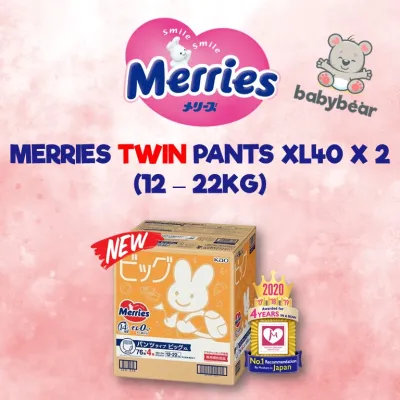
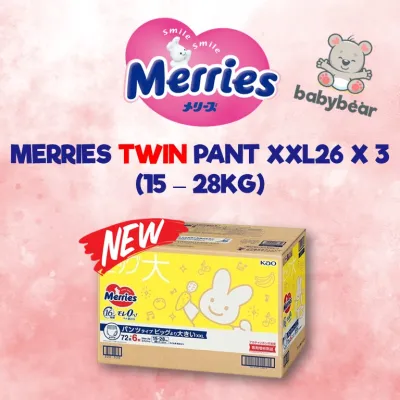
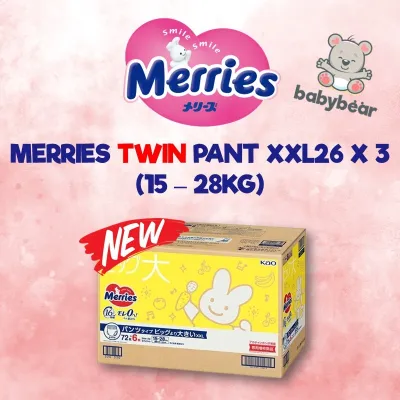
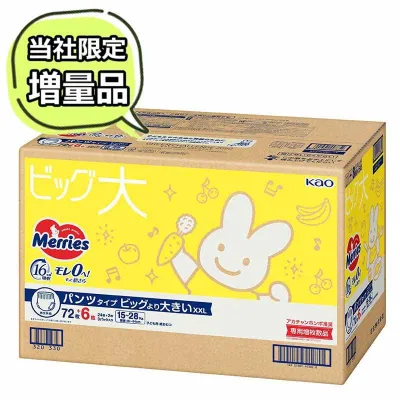
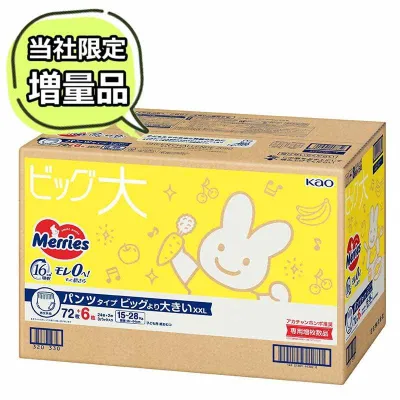
![[4 Pack] Merries Disposable Diapers Giant Tape & Pants](https://img.lazcdn.com/g/p/ae796b690948415dc2e0f9a27f6395c6.png_400x400q80.png_.webp)
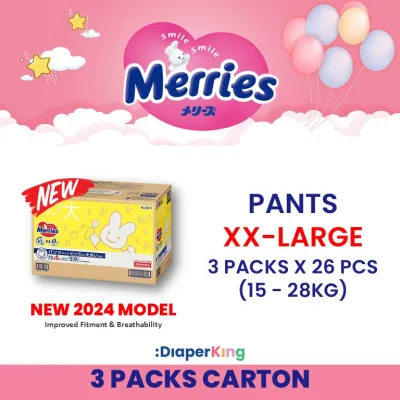
![[LIMITED EDITION] Merries GIANT PANTS L54 x 3 packs](https://img.lazcdn.com/g/ff/kf/S00c74cba66d14c6abc99259f5df06b7fQ.jpg_400x400q80.jpg_.webp)
Prices are valid at publication and may change. Please refer to the product page for the latest price.
Core Performance Comparison: Absorbency, Breathability, and Fit
To make an informed choice, it is essential to look past marketing claims and evaluate how these diapers perform in real-world scenarios. Every parent wants a diaper that prevents leaks, keeps skin dry, and allows the baby to move freely. Here is how Merries, Pampers, and Huggies stack up across these critical categories.
Absorbency and Leak Protection
When it comes to keeping your baby dry through the night or during a long afternoon outing, absorbency is paramount. Pampers has built a strong reputation for its highly efficient absorbent cores, which quickly draw liquid away from the surface and lock it deep inside the diaper. This high-capacity design makes Pampers a very popular choice for overnight use, helping both babies and parents enjoy uninterrupted sleep.
Huggies takes a highly structural approach to leak prevention. The brand is particularly well-known for its robust leak guards and secure leg cuffs. These physical barriers are designed to catch and contain sudden, high-volume liquid or messy blowouts, which is a common concern during the early months of liquid diets and tummy-time movements.
Merries approaches absorbency with a strong focus on surface dryness and skin comfort. Rather than simply packing the diaper with maximum absorbent material, Merries utilizes a unique textured top sheet that lifts liquid away quickly while maintaining a soft, dry touch against the baby’s delicate skin. While it may not feel as structurally rigid as some heavy-duty overnight options, its balanced absorbency is highly effective for regular daytime use and standard overnight stretches.
Caregiver Safety Check: Regardless of a brand’s absorbency claims, diaper capacity is closely tied to size. Always check the manufacturer’s recommended weight limits on the packaging. A diaper that is too small will leak because its absorbent core is saturated too quickly, not because the brand is faulty. Furthermore, to protect your baby’s skin health, always change diapers promptly when soiled. Prolonged exposure to moisture is a primary cause of diaper dermatitis, no matter how advanced the diaper’s core technology is.
Breathability and Skin Comfort in a Tropical Climate
Singapore’s year-round hot and humid climate adds an extra layer of difficulty to diapering. High humidity traps heat and moisture inside the diaper, creating a breeding ground for bacteria and yeast. Therefore, breathability is not just a luxury; it is a necessity for preventing diaper rash.
Merries is the industry benchmark for breathability. The brand features a signature “air-through” outer cover and a wavy top sheet that allows air to flow freely between the diaper and the baby’s skin. This design significantly reduces heat buildup and minimizes friction, which is incredibly beneficial for babies with sensitive skin or those prone to heat rashes. The materials used are exceptionally soft to the touch, minimizing the risk of chafing around the waist and thighs.
Pampers and Huggies have also developed advanced breathability features for their premium product lines. Pampers incorporates micro-pores and breathable layers designed to let fresh air in and humid air out. Huggies offers specialized dry-touch liners and breathable outer covers that help manage moisture. However, in terms of overall fabric softness and a lightweight feel, many local parents find that Merries retains a slight edge for daytime comfort in tropical conditions.
Caregiver Safety Check: It is vital to remember that even the most breathable diaper cannot completely eliminate the risk of diaper rash if it is left on for too long. Always monitor your baby’s skin for any signs of redness, chafing, or irritation during changes. If your baby develops persistent or worsening diaper rash, consult a qualified pediatrician rather than simply switching diaper brands, as medical treatment or a specialized barrier cream may be required.
Fit, Sizing, and Mobility for Active Babies
As babies grow, their movement patterns change dramatically. A diaper that fits a sleeping newborn perfectly may not hold up when a toddler starts crawling, climbing, and running. The cut and elasticity of each brand play a massive role in how well the diaper stays in place.
Huggies is designed with active babies in mind. The brand features a snug, contoured fit with highly elastic waistbands and secure fasteners that hug the baby’s torso. This structural design ensures that the diaper remains securely in place during high-energy play, reducing the risk of sagging or shifting that can lead to leaks.
Pampers offers a notably slimmer profile compared to its competitors. This streamlined design reduces bulkiness under clothing, allowing for greater freedom of movement without a heavy mass between the baby’s legs. For parents who prefer a sleek look and lightweight feel, Pampers provides an excellent balance of mobility and absorbency.
Merries is famous for its exceptionally stretchy waistbands and gentle leg gathers. The diaper expands and contracts easily with the baby’s breathing and movement, making it highly accommodating for babies with rounder bellies or chunkier thighs. The gentle gathers leave fewer red pressure marks on the skin, offering a comfortable, non-restrictive fit for babies of various body shapes.
Actionable Advice for Parents: Sizing standards vary significantly between Japanese brands like Merries and Western brands like Pampers and Huggies. Never rely solely on your baby’s age to choose a diaper size. Instead, use your baby’s current weight as the primary guide, and pay attention to how the diaper sits on their body. If you are planning to switch brands or move up to the next size, always buy a small trial pack first to test the fit and ensure your baby does not experience any adverse skin reactions.
Evaluating Price and Value for Singapore Parents
Diapers represent a significant, recurring household expense for several years. While performance is critical, finding a brand that fits your monthly budget is equally important. However, evaluating the true cost of diapering requires looking beyond the price tag on a single pack.

The price per piece of a diaper is highly dynamic and depends on several key factors. First, diaper size plays a major role: smaller sizes (like Newborn and Small) contain more pieces per pack, resulting in a lower cost per piece, though babies go through them much faster. As you move up to Medium, Large, and Extra Large sizes, the number of diapers per pack decreases, raising the cost per piece. Second, the specific product line matters. Most brands offer both standard and premium lines (such as Huggies Nature Care or Pampers Ichiban), with premium lines commanding a higher price point due to upgraded materials. Finally, where and how you buy makes a massive difference.
To accurately compare values, use a simple cost-per-diaper calculation. Divide the total price of the pack by the number of diapers inside:
Cost per Diaper = Total Pack Price / Number of Pieces
Using this formula allows you to compare different pack sizes and brands objectively, rather than getting distracted by promotional packaging or varying pack counts.
In Singapore, bulk buying is a highly effective way to reduce your diaper expenses. Purchasing cartons during major online shopping events, such as double-day sales (e.g., 9.9, 10.10, 11.11) or baby fairs, can yield substantial savings. However, bulk buying comes with a trade-off. Babies grow rapidly, and purchasing multiple cartons of a single size risks leaving you with leftover diapers that your baby has outgrown. For this reason, keep bulk purchases limited to sizes your baby will be in for several months, and rely on smaller packs when your baby is approaching the upper weight limit of their current size.
Safety and Verification Advice: When hunting for the best deals online, be highly cautious of unauthorized third-party parallel importers or sellers offering prices that seem too good to be true. Counterfeit diapers or products stored in poor, humid conditions can pose severe hygiene and health risks to your baby. To ensure safety and quality, always purchase diapers from official brand flagship stores on major e-commerce platforms, established local supermarkets, or reputable pharmacies in Singapore.
Decision Framework: Which Brand Should You Buy?
To help you make a confident decision, we have synthesized the performance, fit, and lifestyle characteristics of Merries, Pampers, and Huggies into a practical decision framework. Use these guidelines to match a brand to your baby’s current needs.
Choose Merries if:
- Your baby has highly sensitive skin or is prone to heat rash in Singapore's humid climate.
- You prioritize diaper softness, breathability, and a gentle, non-restrictive fit.
- Your baby has a rounder belly or chunkier thighs, requiring highly elastic waistbands and leg gathers that do not leave deep red marks.
Choose Pampers if:
- You need a high-capacity diaper that excels at keeping your baby dry overnight.
- You prefer a slim, lightweight diaper profile that fits neatly under stylish clothing without bunching up.
- Your baby is a heavy wetter, and you want an advanced absorbent core that locks moisture away quickly.
Choose Huggies if:
- Your baby is highly active, crawling, or walking, and you need a diaper that stays securely in place during vigorous movement.
- You want robust leak guards and secure leg cuffs to prevent messy blowouts and leaks.
- You prefer a structured, contoured fit that hugs your baby's body securely.
Verify first if:
- Your baby has an active skin condition or severe eczema. In such cases, always consult a qualified healthcare professional or pediatrician for personalized product recommendations before switching brands.
- You are transitioning to a new size or testing a brand for the first time. Always start with a single, small pack to observe how the diaper fits your baby's unique shape and to monitor for any localized skin reactions before committing to a bulk purchase.
Frequently Asked Questions (FAQ)
How do I know if my baby's diaper is the wrong size?
There are several clear, physical indicators that your baby has outgrown their current diaper size. First, look for deep red marks or indentations around your baby’s thighs, waist, or hips, which indicate that the elastic is too tight. Second, if you experience sudden, frequent leaks or blowouts despite fastening the diaper correctly, the absorbent core may no longer be large enough to handle your baby’s urine volume. Finally, the diaper should fully cover your baby’s bottom; if it sits too low or you struggle to pull the waistband up to their belly button, it is time to size up. Always check the weight range on the packaging and transition to the next size if your baby is near the upper limit.
Are premium diaper lines worth the extra cost?
Premium diaper lines generally offer noticeable upgrades, such as ultra-soft organic cotton top sheets, enhanced breathability channels, and more advanced absorbent cores. Whether they are worth the extra cost depends on your baby’s skin sensitivity and your daily routine. For babies with highly sensitive skin or those prone to diaper rash, the superior breathability and softness of premium lines can make a significant difference in comfort. Many parents find a practical compromise by using standard diaper lines for frequent daytime changes—when diapers are swapped out every few hours—and investing in premium lines specifically for overnight use or long outings where diaper changes are less frequent. Testing a small pack of a premium line will help you determine if the performance upgrade justifies the price difference for your household.
Community discussion
Share your experience or ask a question. Comments are reviewed before publication.