
Finding the right diaper for your baby often comes down to a direct comparison between two of Japan’s most popular premium options: Merries and Moony. While both brands enjoy an excellent reputation for quality, there is no single “better” option that works universally for every infant. The ideal choice depends on your baby’s unique body shape, skin sensitivity, and wetting patterns.
To make an informed decision, parents should look closely at the structural differences indicated on the packaging, such as the style of waistband elasticity and the texture of the inner lining. Because minor differences in cut can lead to leaks or red marks on some babies but not others, the most reliable approach is to purchase small trial packs of both brands. Testing a few diapers from each brand in real-world conditions allows you to observe how they perform on your baby before committing to a bulk purchase.
Comparing Absorbency and Leak Protection
When evaluating diaper performance, absorbency and leak protection are the primary factors that keep your baby dry and comfortable. Rather than relying on broad marketing claims, parents can learn a great deal by examining the technical specifications and physical design of each diaper.
Products mentioned in this guide
![[NEW] Merries Ultra Jumbo Pants Diapers XL (46s x 6 Packs)](https://img.lazcdn.com/g/p/5436bdb18d892d4eab1ab8c1106ff37a.png_400x400q80.png_.webp)
![[NEW] Merries Ultra Jumbo Pants Diapers XXL (30s x 6 Packs)](https://img.lazcdn.com/g/p/b2254c474f85e46b9740be27d9d4be53.png_400x400q80.png_.webp)
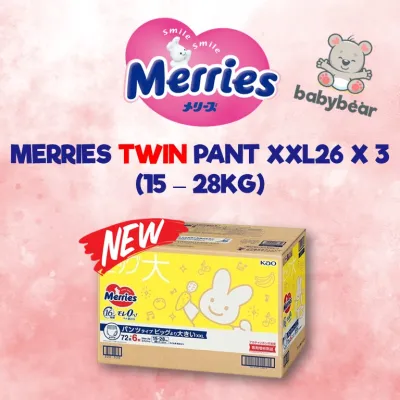
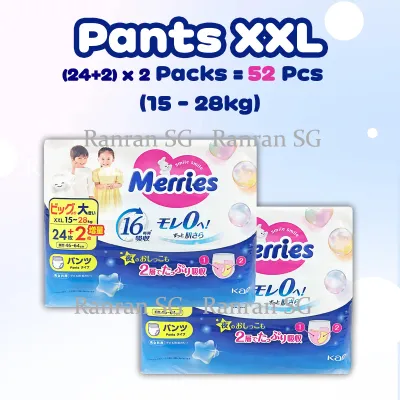
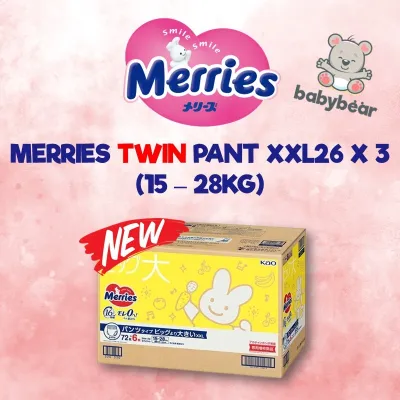
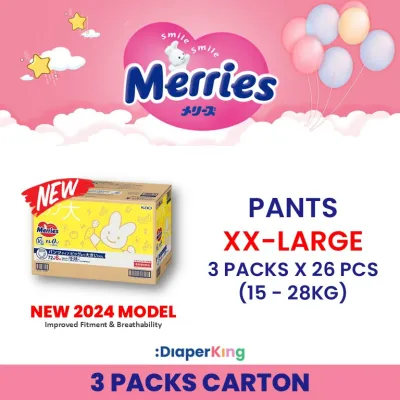
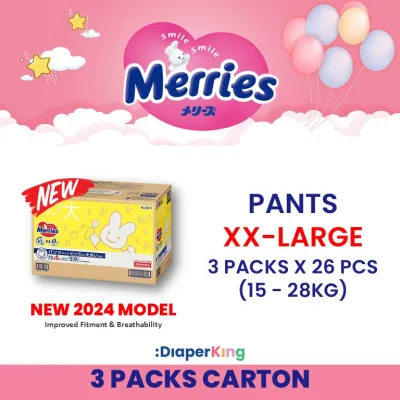
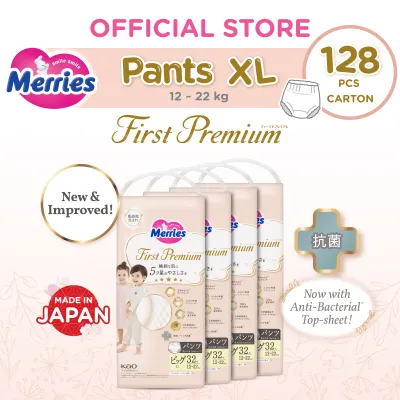
Prices are valid at publication and may change. Please refer to the product page for the latest price.
Checking Core Technology and Polymer Indicators
To understand how a diaper manages moisture, start by reading the product packaging for information on the absorbent core. Premium Japanese diapers typically utilize a blend of advanced superabsorbent polymers (SAP) and soft wood pulp. Look for packaging descriptions that detail the core’s construction, such as structured channels or a multi-layer distribution system. These designs are engineered to draw liquid away from the surface quickly and distribute it evenly throughout the core, preventing the diaper from becoming heavy or clumpy in a single spot.
Inspecting Physical Leak Barriers
Before putting a diaper on your baby, perform a quick visual inspection of the leak guards. Open the diaper flat and run your fingers along the inner leg cuffs. You should look for double-layered elastic barriers, often referred to as inner and outer gussets. The inner cuff should stand upright and feel soft yet resilient. High-quality leg cuffs act as a physical barrier against liquid and runny stools, especially when your baby is lying down or rolling over. Ensure these cuffs are fully extended outward when fastening the diaper to maximize their protective coverage.
Performing an At-Home Dryness Test
If you want to compare the absorption speed and surface dryness of Merries and Moony directly, you can conduct a simple test at home. Place one unused diaper from each brand flat on a clean surface. Pour a measured amount of lukewarm water—approximately 50 to 80 milliliters, which simulates a typical infant wetting—onto the center of each diaper. Note how quickly the liquid sinks into the core. After waiting exactly sixty seconds, press a dry paper towel firmly onto the center of each topsheet. The diaper that leaves the paper towel driest has a faster-acting distribution layer, which helps keep moisture away from your baby’s skin.
Fit, Sizing, and Comfort
A diaper can only prevent leaks if it fits your baby’s specific body shape. Babies grow at different rates, and their proportions—such as the roundness of their thighs or the width of their waist—will dictate which brand’s cut provides the most secure fit.

Understanding Cut Styles and Size Charts
Different diaper brands employ distinct cutting patterns to accommodate various body types. Some diapers feature a more cylindrical, high-waisted cut, while others are designed with a wider, more hourglass-shaped crotch area. To find the right match, do not rely solely on your baby’s weight. Locate the detailed size chart on the back of the diaper packaging, which often includes recommended weight ranges alongside guidance for active milestones, such as crawling or standing. If your baby is near the upper limit of a weight range or has particularly chubby thighs, you may need to size up to ensure adequate coverage.
Evaluating Waistband and Fastener Elasticity
To assess the comfort and flexibility of the diaper, physically test the stretch of the waistband and the tape fasteners. Gently pull the back waistband to see how much it expands and how smoothly it retracts; a highly elasticated waistband helps prevent blowouts at the back while allowing your baby’s stomach to expand naturally after feeding. Next, examine the fastening tapes. High-quality tapes should have rounded corners to prevent them from scratching the baby’s skin, and they should be easily repositionable, allowing you to adjust the fit multiple times without losing their grip on the landing zone.
Identifying Signs of a Poor Fit
Regularly monitor your baby’s skin and the diaper’s appearance during use to identify fit issues early. Watch for the following indicators that a diaper is not suited to your baby’s current size or shape:
- Red marks: Deep impressions left on your baby's thighs, hips, or waist indicate that the elastic is too tight or the size is too small.
- Sagging: A diaper that sags excessively in the crotch even when it is not heavily soiled suggests that the cut is too wide or the overall size is too large.
- Gaps: Visible spaces between the leg cuffs and your baby's skin when they sit, crawl, or bend their knees are a common cause of bypass leaks.
Materials, Breathability, and Skin Sensitivity
Because a diaper is in continuous contact with your baby’s delicate skin, the quality of the materials and the breathability of the outer cover are critical for preventing irritation and diaper rash.
Reading the Ingredient and Material Lists
Take the time to locate and read the material composition list printed on the diaper packaging. Look for diapers that specify the use of non-woven polyolefin or polyester fibers for the topsheet, as these materials are designed to feel exceptionally soft while remaining chemically inert. Verify that the materials are free from added synthetic fragrances, latex, and chlorine bleaching processes. Minimizing exposure to unnecessary chemicals reduces the likelihood of contact dermatitis on sensitive skin.
Verifying Breathability Features
To check the breathability of a diaper, inspect the outer cover (the backsheet) and the inner lining. High-quality diapers often feature a micro-porous outer layer that allows warm, humid air to escape while keeping liquid droplets securely inside. You can physically feel the texture of the inner lining; look for a textured, dimpled, or wavy topsheet. This uneven surface minimizes the direct contact area between the wet diaper and your baby’s skin, creating tiny air pockets that promote ventilation and keep the skin dry.
Monitoring Skin Health and Knowing When to Stop Use
Even the highest-quality diaper can cause irritation if moisture is trapped against the skin for too long. Always maintain a frequent changing schedule, especially in warm or humid climates. Watch for early warning signs of skin irritation, such as mild redness, localized warmth, or a fine pink rash in the diaper area. If your baby develops persistent redness, broken skin, blisters, or a rash that does not improve after a few days of frequent changes and barrier cream application, stop using the diaper brand immediately and consult a pediatrician or qualified healthcare professional for guidance.
Evaluating Price and Value
While performance and comfort are paramount, diapering is a long-term expense. Calculating the true cost of each brand helps you manage your household budget effectively without compromising on quality.
Calculating the Cost per Diaper
To make an accurate financial comparison, ignore the overall price of the pack and calculate the cost per individual diaper. Retailers often package diapers in different quantities, which can make direct price comparisons confusing. Use this simple formula to find the true cost:
Cost per Diaper = Total Pack Price (S$) / Number of Diapers in Pack
For example, if a pack costs S$26.00 and contains 52 diapers, the cost per diaper is S$0.50. Perform this calculation for both brands using the prices from your preferred local retailers to see which option offers better value for your daily budget.
Comparing Identical Size Tiers
When comparing costs, always ensure you are looking at the exact same size tier. As diaper sizes increase (from Newborn to Small, Medium, Large, and Extra Large), the number of diapers included in each pack typically decreases while the pack price often remains the same. This means the cost per diaper rises naturally as your baby grows. Comparing a size Small from one brand to a size Medium from another will give you an inaccurate financial picture.
Factoring in Bulk Discounts and Purchasing Safety
Many parents save money by purchasing diapers in bulk or during official store promotions on local ecommerce platforms. While bulk buying can significantly lower the cost per diaper, verify the integrity of the packaging before stocking up. Ensure that the diaper packs are sealed, clean, and stored in a dry environment to prevent moisture absorption before use. Additionally, check the manufacturing or expiration dates printed on the packaging; diaper adhesives and elastic materials can degrade over time if stored improperly or kept past their recommended shelf life.
Final Verdict: Which Diaper Should You Choose?
To make your final decision, synthesize your observations of your baby’s body shape, skin response, and your budget calculations into a clear choice.
Choose Merries if…
- Your baby has a rounder, more robust torso that benefits from a highly flexible, gathered waistband that stretches easily without leaving tight marks.
- You prefer an inner lining with a highly textured, wavy surface designed to minimize direct skin contact and maximize airflow.
- Your budget calculations show that Merries offers a more favorable cost per diaper at your preferred local retail outlets.
Choose Moony if…
- Your baby has a longer, leaner build where a more contoured cut and snug, tall leg gussets are necessary to prevent gaps and leg leaks.
- You prefer a smooth, ultra-soft topsheet material that provides a uniform, silky feel against highly sensitive skin.
- You find that Moony's specific sizing brackets align better with your baby's current weight and developmental milestones.
Verify first if…
- Your baby has a pre-existing medical skin condition, severe eczema, or chronic diaper rash. In these cases, do not rely on standard diaper comparisons; consult a pediatrician or a qualified healthcare professional to select specialized, medically approved diapering options or treatment plans.

Community discussion
Share your experience or ask a question. Comments are reviewed before publication.