
Parents in Singapore frequently face the midnight challenge of wet pajamas, damp bedding, and interrupted sleep. When a baby grows into larger sizes like XL, their urine volume increases, making overnight leak protection a top priority for caregivers. Finding the right diaper is not simply a matter of choosing a popular brand; it requires balancing absorbency, physical fit, and skin health over a continuous ten- to twelve-hour period. Two of the most widely used premium options in the local market are Merries Pants XL and MamyPoko Pants XL. Both brands have dedicated followings, but they approach overnight protection with distinct design philosophies and material structures.
Quick Answer: Which Diaper is Better for Overnight Leaks?
The ideal diaper for overnight leak protection depends heavily on your baby’s unique urine volume, body shape, and sleeping position. There is no single diaper that performs perfectly for every infant, as physical proportions and movement patterns vary. To make an informed decision, parents must evaluate how each brand’s design aligns with their baby’s specific nighttime patterns and physical needs.
Merries Pants XL is generally recognized for its exceptionally soft, breathable materials and pliable texture. This design makes it a strong candidate for babies who are prone to skin irritation, heat rash, or those with moderate overnight urine output. The focus on air circulation and gentle materials helps maintain skin dryness and comfort in humid climates, even during long sleep stretches.
Products mentioned in this guide
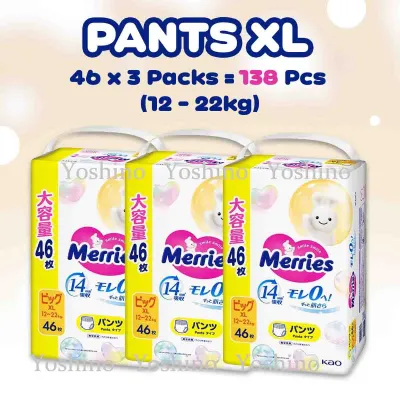
![MERRIES GIANT PANTS XL 46 x 3 packs MADE IN JAPAN [LIMITED EDITION]](https://img.lazcdn.com/g/ff/kf/S681921327fca4cd19970732c2ad754aaL.jpg_400x400q80.jpg_.webp)
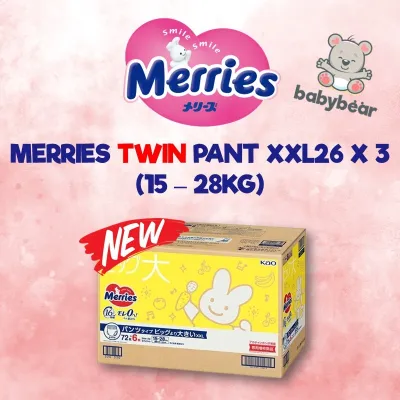



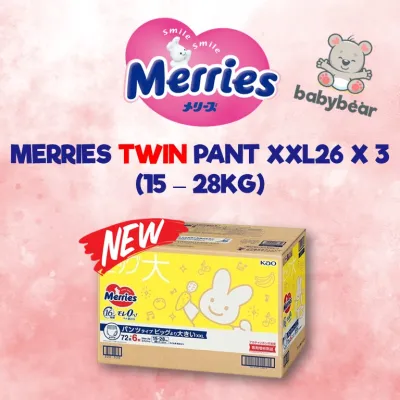
![MERRIES GIANT [TWIN Packs] Tape Diapers/Walker Pants NBS/M/L/XL/XXL Made in Japan](https://img.lazcdn.com/g/p/eb169334be1c344058c66ada97d0288e.jpg_400x400q80.jpg_.webp)
Prices are valid at publication and may change. Please refer to the product page for the latest price.
MamyPoko Pants XL is frequently favored by parents of heavy wetters who sleep for long, uninterrupted stretches. The brand is known for its high-capacity absorbent cores and robust, structured leak-guard designs. If your baby consistently releases a high volume of liquid overnight, MamyPoko’s localized absorption zones and firm physical barriers may offer more reliable containment.
Ultimately, individual fit is the deciding factor in preventing leaks. A diaper with excellent absorbency will still fail if there are gaps around the thighs or waist. Caregivers should always verify the weight ranges and fit indicators printed on the physical packaging of the specific product line they purchase, as product specifications can change over time.
Absorbency and Leak-Proof Features Compared
To understand how these diaper pants perform during a twelve-hour sleep cycle, it is helpful to examine their physical design elements. Overnight performance is determined by three main factors: the core’s ability to lock away moisture, the integrity of the physical barriers around the legs and waist, and the breathability of the outer materials. Evaluating these features objectively helps parents identify why a diaper might be leaking and how to resolve the issue.

Core Absorbency and Moisture Lock
The core of a modern diaper pant relies on a combination of fluff pulp and Super Absorbent Polymer (SAP) to manage liquid. SAP consists of tiny beads that absorb many times their weight in liquid, converting urine into a stable gel that cannot be squeezed back out when the baby rolls over or sits down. The distribution of this polymer within the diaper determines how well the core handles localized surges of liquid without sagging or pooling.
When evaluating overnight performance, observe the diaper’s state when your baby wakes up in the morning. A high-quality core should distribute wetness relatively evenly throughout the diaper. If you notice severe sagging in only one spot, or if the diaper feels dry at the back but is overflowing at the front, the core’s distribution channels may not match your baby’s sleeping position. For example, front sleepers often require more absorbent material concentrated toward the front of the diaper.
Another critical observation is the presence of gel beads on your baby’s skin in the morning. If you find small, jelly-like particles on the skin, it indicates that the absorbent core has reached its physical limit and the outer casing has ruptured slightly under pressure. This is a clear sign that the diaper is oversaturated, and you may need to upgrade to a larger size, switch to a brand with a higher SAP density, or adjust evening fluid intake.
Leg Cuffs and Waistband Barriers
Even the most absorbent core cannot prevent leaks if the physical entry and exit points of the diaper are not securely sealed. Leg cuffs, also known as gussets, and the waistband serve as the primary defensive barriers against gravity-driven leaks. These components must balance elastic tension with physical comfort to prevent liquid from escaping during sudden movements.
Leg cuffs are typically made of double-layered, hydrophobic non-woven fabrics that repel liquid, forcing it back toward the absorbent core. To check if the leg cuffs are functioning correctly, they must sit flat against your baby’s inner thighs. If the elastic is too loose, gaps will form when the baby bends their knees; if it is too tight, it will leave deep red marks on the skin, indicating restricted circulation or friction. A proper fit allows you to run a finger smoothly along the inside of the cuff without resistance.
Active sleepers who roll, kick, or sleep on their stomachs place unique demands on the waistband. When a baby lies horizontally, urine can easily flow upward toward the back or stomach before the core has time to absorb it. A waistband with high stretch recovery and a wide elastic band helps maintain a continuous seal against the lower back, preventing messy blowouts and leaks during positional shifts.
Breathability for Long Wear
Keeping a baby in a diaper for ten to twelve hours straight introduces a significant risk of diaper rash and skin irritation, particularly in warm or humid climates. Without proper air circulation, heat and moisture become trapped inside the diaper, creating an environment that can compromise the skin’s natural barrier. Breathability is therefore an essential component of overnight diaper performance.
High-quality diaper pants utilize micro-porous outer covers that allow moisture vapor to escape while keeping liquid water contained inside. You can often assess breathability by touching the outside of a fully saturated diaper in the morning. If the exterior feels slightly cool or damp to the touch, it indicates that the material is successfully venting humidity away from your baby’s skin. However, if the outside of the diaper is soaking wet, it means the liquid barrier has failed entirely.
If your baby frequently wakes up with red, irritated skin or localized heat rashes along the waistband and leg areas, prioritize diapers that emphasize ventilation and soft, non-abrasive textures. Persistent skin irritation should always be monitored closely. If redness or diaper rash does not improve with regular diaper changes and barrier creams, consult a pediatrician for professional medical guidance.
Sizing and Fit: Why the XL Label Needs Verification
One of the most common mistakes parents make is assuming that “XL” represents a universal standard across all diaper brands. In reality, physical dimensions, elastic tension, and recommended weight ranges vary significantly between Merries and MamyPoko. Relying solely on the letter size can lead to chronic leaking issues that are easily resolved by understanding how sizing works.
Diaper manufacturers design their products based on specific baby weight brackets, but these brackets often overlap. For example, an XL diaper pant from one manufacturer might be rated for babies weighing 12 to 22 kilograms, while another brand’s XL might target a narrower range of 12 to 17 kilograms. Furthermore, these weight recommendations are based on average body proportions. A baby who weighs 13 kilograms with thick thighs and a round tummy will require a completely different fit than a taller, leaner baby of the exact same weight.
Using a diaper that is too small for your baby’s current development stage leads to several overnight issues. A small diaper has a physically smaller absorbent core, meaning it will saturate and overflow much faster. Additionally, the tight elastic bands will press firmly against the skin, causing uncomfortable friction marks and increasing the risk of compression leaks, where liquid is squeezed out of the core by physical pressure. Conversely, a diaper that is too large will have loose leg openings and a gaping waistband, allowing liquid to escape instantly before it even touches the absorbent core.
To verify whether your baby’s current XL diaper fits correctly, use this practical inspection checklist before bedtime:
- The Two-Finger Waistband Test: Once the diaper is pulled up, you should be able to slide two fingers comfortably between the waistband and your baby's stomach without stretching the elastic to its absolute limit.
- The Thigh Gap Check: Inspect the leg openings while your baby is standing and sitting. There should be no visible gaps between the diaper material and the skin of the thigh. The leg ruffles must be fully flared outward, not folded inward.
- The Rise and Alignment Check: The waistband should sit symmetrically, resting just below the belly button at the front and at an equal height on the lower back. If the diaper sits too low, it lacks the coverage needed to contain overnight wetness.
- Post-Wakeup Inspection: Observe the diaper's position in the morning. If the diaper has slid down past the hips or is sagging heavily away from the body, the elastic may be too weak or the diaper size may be too large to support the weight of the absorbed liquid.
Decision Framework: Match the Diaper to Your Baby
To simplify your purchasing decision, you can use a structured framework to match the specific characteristics of each brand to your baby’s physical needs, sleeping habits, and skin sensitivity. Buying diapers in bulk can be expensive, so identifying the right match early saves both time and money.
Choose Merries Pants XL if:
- Your baby has highly sensitive skin: The inner lining of Merries is designed to minimize contact points with the skin, reducing friction and allowing air to flow freely, which helps prevent diaper rash.
- Your baby has moderate overnight urine output: If your baby does not regularly saturate their diaper to its absolute capacity by morning, the premium softness and comfort of Merries make it an excellent choice.
- You live in a hot, humid environment: The high breathability of the outer cover is highly effective at venting heat and moisture, keeping the skin dry and cool during sleep.
Choose MamyPoko Pants XL if:
- Your baby is a heavy wetter: If your baby drinks a large volume of fluids before bed and consistently wakes up with a heavily saturated diaper, MamyPoko's high-capacity core is structured to lock away large volumes of liquid.
- Your baby sleeps for long, uninterrupted stretches: The robust physical barriers and secure waistband tension are designed to keep liquid contained over ten to twelve hours of continuous use.
- Your baby is highly active during sleep: If your baby rolls, crawls, or changes positions frequently throughout the night, the firm elastic fit of MamyPoko helps prevent shifting and side leaks.
Verify first if:
- Your baby is transitioning between sizes: If your baby's weight is at the lower or upper limit of the XL range (e.g., around 12kg or 17-18kg), physical testing is essential to determine if the fit is secure.
- Your baby has unique body proportions: Babies with very thick thighs or a long torso may find that one brand fits significantly better than the other, regardless of weight guidelines.
- Overnight output has recently changed: Dietary shifts, weaning, or increased water intake during the day can suddenly increase urine volume, requiring a re-evaluation of your diaper choice.
Before committing to a large bulk purchase on online marketplaces, it is highly recommended to buy a small trial pack or exchange single diaper samples with other parents. Testing a diaper for three to four consecutive nights is the most reliable way to evaluate its real-world overnight performance for your specific baby.
Practical Steps to Maximize Overnight Leak Protection
Even the highest-quality diaper pant can leak if it is not applied correctly or if external factors are overlooked. Implementing a few simple, brand-agnostic adjustments to your bedtime routine can significantly improve overnight dryness and prevent unexpected leaks.
First, focus on the application technique. When pulling up diaper pants, parents often forget to check the leg ruffles. After the diaper is in place, always run your fingers around both leg openings to pull the outer leg cuffs (gussets) fully outward. If these ruffles remain folded inward against the thigh, they will act as a channel for liquid to escape directly onto the clothing rather than keeping it contained within the absorbent core.
Second, consider managing the timing of evening fluid intake. If age-appropriate and approved by your pediatrician, try offering your baby their last major drink of milk or water slightly earlier in the evening, rather than right before they lay down to sleep. This adjustment allows the baby to pass a portion of the liquid before their bedtime diaper change, reducing the total volume of urine the overnight diaper must absorb.
Finally, if your baby’s current XL diaper fits their body dimensions perfectly but is consistently completely saturated and leaking by morning, consider sizing up to an XXL diaper specifically for overnight use. A larger size provides a physically larger absorbent core with more SAP, allowing it to hold more liquid. As long as the leg cuffs of the larger size can still be adjusted to fit snugly without gaps, using a larger diaper at night is a highly effective way to secure twelve hours of leak protection.
Community discussion
Share your experience or ask a question. Comments are reviewed before publication.