
Selecting the right baby bottle is one of the most critical decisions new parents in Singapore face. With options ranging from specialized breastfeeding support to advanced anti-colic engineering, the sheer variety can feel overwhelming. Medela, Pigeon, and Dr. Brown’s represent three of the most popular and trusted brands on the market, each addressing a distinct feeding challenge. Finding the perfect match depends on your baby’s unique latching style, digestive sensitivity, and your daily feeding routine.
Quick Answer: Which Bottle Brand Should You Choose?
There is no single “best” baby bottle that works universally for every infant. A bottle that one newborn accepts seamlessly might cause gas, fussiness, or nipple rejection in another. The ideal choice is highly conditional, resting on whether your baby is primarily breastfed, prone to severe colic, or transitioning between breast and bottle.
To help you decide quickly, consider these general guidelines based on common feeding scenarios:
Products mentioned in this guide
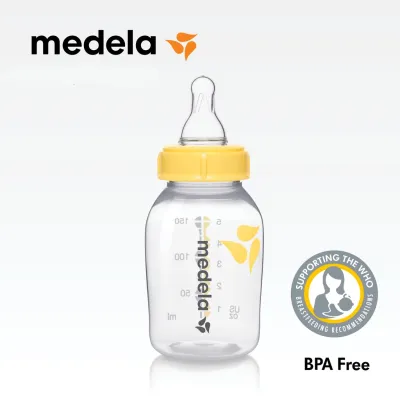
![[SG ready stock]Medela Breast Milk Glass Bottle BPA Free Formula Bottles Milk Storage Bottles Baby Bottle 250ml/150ml](https://img.lazcdn.com/g/p/25262fb830c360014c34a228dfbe63b1.jpg_400x400q80.jpg_.webp)
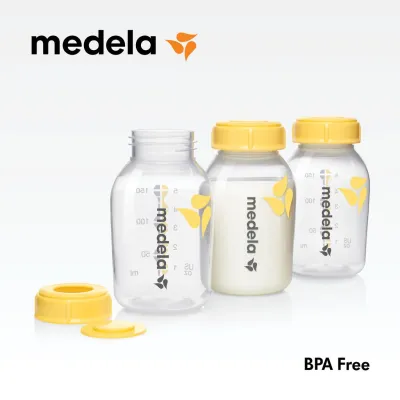
Prices are valid at publication and may change. Please refer to the product page for the latest price.
- Choose Medela if you are an exclusively pumping mother using a Medela breast pump and want a seamless, closed-loop system that minimizes milk transfer loss and supports natural breastfeeding mechanics.
- Choose Pigeon if you are looking for a highly accepted, easy-to-clean everyday bottle with exceptionally soft nipples that mimic natural tongue movement, making it a reliable choice for mixed feeding.
- Choose Dr. Brown's if your baby struggles with severe colic, reflux, or painful gas, and you are willing to manage a multi-part cleaning routine in exchange for a vacuum-free feeding experience.
Before purchasing a full starter set or a multi-pack, parents are strongly advised to buy a single bottle of their preferred brand. Testing your baby’s acceptance first saves both money and storage space, as infants frequently demonstrate strong preferences for specific nipple shapes and flow rates.
Key Comparison Dimensions for Baby Bottles
To make an informed decision, it is essential to understand the core design elements that differentiate these brands. Baby bottles are not merely plastic or glass containers; they are engineered feeding systems designed to regulate milk flow, manage air intake, and support oral development.

Anti-Colic Mechanisms
Anti-colic systems are designed to prevent your baby from swallowing excess air, which can lead to painful gas, spit-up, and fussiness. These mechanisms generally fall into three categories: built-in vent systems, nipple-based air valves, and specialized vacuum-controlled teats. Built-in internal vents channel air away from the milk entirely, while nipple-based valves rely on a simple slit near the rim to equalize pressure. Specialized teats require the baby to actively apply suction to release milk, preventing free-flowing air from entering the oral cavity.
Nipple Shape and Flow
Nipple design directly impacts how easily a baby latches and transitions between breast and bottle. Standard-neck nipples are narrow and elongated, which some infants find easier to grasp, while wide-neck nipples mimic the natural shape of the breast. Flow rates must be carefully matched to your baby’s developmental stage to prevent choking from a flow that is too fast, or fatigue from a flow that is too slow. Always verify the manufacturer’s age-specific flow rate guidelines on the product packaging before introducing a new nipple size.
Material Options
Baby bottles are commonly manufactured from three primary materials, each offering distinct trade-offs:
- Polypropylene (PP): Lightweight, shatterproof, and budget-friendly, but less durable over time and prone to clouding after repeated sterilization.
- Polyphenylsulfone (PPSU): Highly durable, medical-grade plastic with a natural honey-colored tint. It withstands extreme heat and frequent sterilization cycles without degrading.
- Glass: Highly hygienic, scratch-resistant, and chemically inert, but heavy and poses a breakage risk if dropped.
Cleaning and Sterilization
In Singapore’s busy households, the time required for daily bottle maintenance is a major practical consideration. Bottles with multiple intricate parts require specialized brushes, meticulous hand-washing, and extra space in your sterilizer. Simpler designs with fewer components streamline the washing process, reducing daily chore fatigue for tired caregivers.
Medela Bottles: Features, Pros, and Cons
Medela is a globally recognized leader in breastfeeding support, and their bottle ecosystem is engineered to complement their medical-grade and personal breast pumps. The primary focus of the Medela bottle system is to preserve the breastfeeding relationship by matching the natural mechanics of nursing.
Key Features
Medela’s flagship offering is the Calma teat, a specialized feeding solution designed exclusively for breastfed babies. Unlike conventional nipples that drip milk automatically when inverted, the Calma teat features a unique vacuum-controlled valve. This system requires the baby to apply active suction and use the same tongue movements as breastfeeding to release milk. Additionally, Medela offers standard wide-neck and narrow-neck polypropylene bottles that connect directly to their entire range of breast pumps.
Pros
- Seamless Pump Integration: You can pump, store, and feed using the exact same bottle, eliminating milk transfer loss and reducing the number of items to wash.
- Minimizes Nipple Confusion: The Calma teat allows babies to maintain their natural sucking behavior, making it easier to transition back and forth from the breast.
- Durable Construction: Medela bottles are made from robust, food-grade materials designed to handle frequent freezing, thawing, and warming.
Cons
- Learning Curve: The Calma teat has a unique flow mechanism that some newborns find frustrating or difficult to master initially.
- Limited Anti-Colic Venting: While the Calma teat regulates air pressure, Medela's standard bottles lack advanced mechanical venting systems for babies with severe digestive issues.
- Higher Cost: The specialized Calma teats are priced higher than standard replacement nipples.
Best For
Exclusively pumping or mixed-feeding mothers who use Medela breast pumps and want to maintain their baby’s natural breastfeeding suction habits.
Pigeon Bottles: Features, Pros, and Cons
Pigeon is incredibly popular among parents in Singapore, frequently recommended by hospital maternity wards and lactation consultants. The brand’s reputation is built on extensive research into infant sucking behaviors and oral development.
Key Features
At the heart of the Pigeon line is the SofTouch Peristaltic PLUS nipple. This nipple is crafted from exceptionally soft, thick silicone that stretches and flexes to accommodate the peristaltic “wave-like” motion of a baby’s tongue. The nipple also features a textured surface for a secure latch and a small, integrated Air Ventilation System (AVS) valve near the base to equalize bottle pressure and minimize air ingestion.
Pros
- High Acceptance Rates: The ultra-soft silicone and natural breast-like slope make this one of the easiest nipples for newborns to accept.
- Simple Maintenance: With only four basic components (bottle, collar, nipple, and cap), these bottles are remarkably easy to wash and assemble quickly.
- Premium PPSU Options: Pigeon's PPSU bottles are exceptionally durable, lightweight, and highly resistant to heat, making them ideal for frequent steam or UV sterilization.
- Local Availability: Replacement nipples, collars, and bottles are widely available in almost every department store and baby shop across Singapore.
Cons
- Passive Venting Limits: The simple AVS valve may not provide sufficient relief for babies suffering from severe, chronic colic or heavy reflux.
- Nipple Collapse: If a baby sucks very vigorously, or if the tiny AVS vent becomes clogged with milk residue, the soft silicone nipple can occasionally collapse during feeding.
Best For
Parents seeking a reliable, low-maintenance everyday bottle with a highly accepted, soft nipple that simplifies the transition between breast and bottle.
Dr. Brown's Bottles: Features, Pros, and Cons
Dr. Brown’s is widely regarded as the industry standard for managing infant colic and digestive discomfort. The brand’s design philosophy prioritizes physical comfort and nutrient preservation through active air management.
Key Features
Dr. Brown’s bottles feature a patented Internal Vent System, consisting of a green reservoir tube and an insert that sits inside the neck of the bottle. This system completely bypasses the milk, channeling air from the nipple collar directly to the bottom of the bottle. This creates a vacuum-free, positive-pressure environment that prevents air bubbles from mixing with the liquid. The bottles are available in both narrow-neck and wide-neck formats, and the vent system can be completely removed once the baby’s digestive system matures.
Pros
- Superior Colic Relief: The vacuum-free design significantly reduces gas, spit-up, burping, and painful colic symptoms.
- Nutrient Preservation: By preventing air from mixing with the milk, the internal vent minimizes oxidation, helping to preserve essential vitamins such as vitamins A, C, and E.
- Adaptable Design: The Options+ line allows you to remove the internal vent system entirely once your baby outgrows colic, transitioning the bottle into a standard vented bottle.
Cons
- Complex Cleaning: The internal vent system adds several small parts to every bottle. Cleaning the narrow reservoir tube requires a specialized wire brush and extra hands-on time.
- Risk of Leaking: If the bottle is overfilled, warmed with the vent system inside, or held at an incorrect angle, milk can occasionally travel up the vent tube and leak from the collar.
- Bulky for Travel: The extra internal components make these bottles slightly heavier and more cumbersome to pack for outings.
Best For
Babies struggling with severe colic, reflux, or excessive gas, where the therapeutic benefits of a vacuum-free feed outweigh the extra daily cleaning time.
Side-by-Side Comparison Table
To help you compare these three popular brands at a glance, the table below summarizes their core specifications and design differences.
| Brand | Primary Anti-Colic Mechanism | Common Materials Available | Cleaning Complexity | Best Suited For |
|---|---|---|---|---|
| Medela | Vacuum-controlled flow (Calma teat) | PP, Glass | Medium (Calma) / Low (Standard) | Exclusively pumping mothers and breastfed babies |
| Pigeon | Nipple-integrated Air Ventilation System (AVS) | PP, PPSU, Glass, T-Ester | Low (Few parts, wide neck) | Everyday convenience, easy transition, high acceptance |
| Dr. Brown's | Patented Internal Vent System (Reservoir tube) | PP, PPSU, Glass | High (Multiple small parts, requires specialized brush) | Babies with severe colic, gas, or reflux issues |
Note: Material availability and specific bottle sizes may vary depending on current retail stock at authorized Singapore distributors.
Price and Value: Budgeting for Your Baby's Bottles
When planning your budget, it is important to look beyond the initial purchase price of a starter set. The total cost of bottle-feeding includes ongoing replacement parts, different nipple flow sizes, and specialized cleaning accessories.
Initial Cost vs. Long-Term Value
Starter sets often represent the best upfront value, as they frequently bundle bottles of different sizes, matching nipples, cleaning brushes, and sometimes sterilizer accessories. Pigeon PPSU bottles carry a premium upfront price tag, but their exceptional durability means they rarely need replacing due to wear. Dr. Brown’s starter sets offer excellent value for colic management but involve more individual parts that may eventually need replacing if lost.
Replacement Costs
Silicone nipples are wear-and-tear items that must be replaced every 1 to 3 months for hygiene and safety. As your baby grows, you will also need to purchase faster flow rates. While Pigeon and Medela primarily require standard nipple replacements, Dr. Brown’s systems may occasionally require replacement vent inserts or specialized cleaning brushes if the original parts wear out or get misplaced.
Where to Buy and Safety Warnings
In Singapore, you can purchase these brands at major mother-and-baby retail stores, department stores, and official brand stores on reputable online marketplaces.
Caregivers must avoid purchasing baby bottles or replacement nipples from unauthorized third-party parallel importers on e-commerce platforms. Counterfeit silicone nipples are a major safety hazard; they may contain unauthorized chemical compounds, degrade rapidly, or have poorly manufactured flow holes that pose a severe choking risk. Always verify that you are purchasing from official flagship stores or authorized local distributors to ensure product safety.
Final Verdict: How to Decide Based on Your Baby's Needs
To make your final decision, evaluate your daily lifestyle alongside your baby’s feeding behavior. Use this structured decision framework to guide your choice:
- Choose Medela if you are primarily breastfeeding, using a Medela breast pump, and want to minimize nipple confusion by ensuring your baby uses the same active suction mechanics at the breast and the bottle.
- Choose Pigeon if you want a highly reliable, durable, and easy-to-clean everyday bottle with an ultra-soft nipple that is widely accepted by newborns and incredibly easy to source in Singapore.
- Choose Dr. Brown's if your baby experiences persistent discomfort, severe gas, or reflux after feeding, and you are fully prepared to manage a multi-part washing routine to ensure their physical comfort.
- Verify first if your baby has a specific medical condition, a cleft palate, or premature feeding needs. In these specialized scenarios, always consult a pediatrician, pediatric dentist, or certified lactation consultant before selecting or changing bottle systems.
Frequently Asked Questions (FAQ)
Can I use Medela bottles with other breast pumps?
Medela bottles are designed with standard narrow-neck threading that fits Medela pump breast shields perfectly. While they will not screw directly onto wide-neck pumps from other brands, you can easily find specialized bottle thread adapters online. Always check the pump manufacturer’s compatibility guide before mixing brands to ensure a secure, airtight seal and prevent precious breast milk from leaking during expression.
How often should I replace Pigeon and Dr. Brown's nipples?
As a general safety and hygiene rule, silicone nipples from both Pigeon and Dr. Brown’s should be replaced every 1 to 3 months. You must inspect the nipples daily before feeding by pulling gently on the bulb. Stop use immediately and replace the nipple if you notice any signs of wear, such as tearing, thinning, stickiness, discoloration, or if the milk flows out in a steady stream rather than a controlled drip. Regularly inspect the anti-colic vents and tubes to ensure they are completely clear of dried milk residue.
Are glass bottles better than PPSU for newborns in Singapore?
Both glass and PPSU are excellent, premium choices for newborns, but they suit different lifestyle needs. Glass is completely scratch-resistant, chemically inert, and highly durable under frequent sterilization, but its heavy weight makes it breakable and less practical as your baby grows and begins trying to hold the bottle. PPSU is medical-grade, incredibly lightweight, shatterproof, and can withstand high-temperature sterilization. In Singapore’s warm, humid climate, both materials handle frequent steam or UV sterilization exceptionally well, but PPSU is generally the safer, more portable option for long-term use.
Community discussion
Share your experience or ask a question. Comments are reviewed before publication.