
Selecting the right maternity support belt (托腹带) is a highly personal decision that depends on your specific trimester, daily activity level, and the physical discomforts you are experiencing. There is no single brand or design that works perfectly for every expectant mother. Instead, the ideal choice is determined by a balance of support, material breathability, and ease of adjustment.
To find your ideal match, it helps to view the market through a conditional framework. If you are experiencing severe lower back pain, pelvic girdle pain, or are in your third trimester, full-coverage wrap brands that offer maximum stabilization are typically the most effective. For mild, everyday round ligament strain or for a discreet look under professional workwear, lightweight under-belly bands are highly suitable. If you live in a warm, humid climate like Singapore’s and maintain an active lifestyle, adjustable mesh belts provide the necessary airflow to prevent skin irritation while offering versatile support. While premium brands often feature advanced ergonomic engineering, mid-range and budget options can deliver excellent value for occasional or mild discomfort.
Core Comparison Dimensions: Support, Comfort, and Adjustability
Evaluating maternity support belts requires looking past marketing claims to examine the structural and material specifications of each brand. By understanding these core dimensions, you can objectively compare different models and select one that aligns with your body’s changing needs.
Products mentioned in this guide
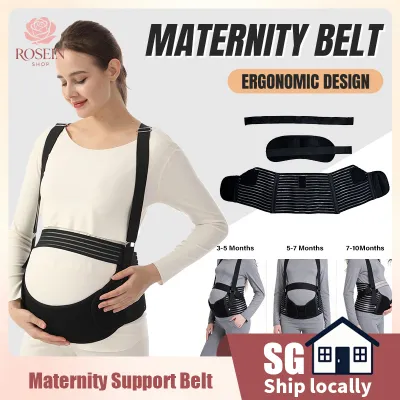
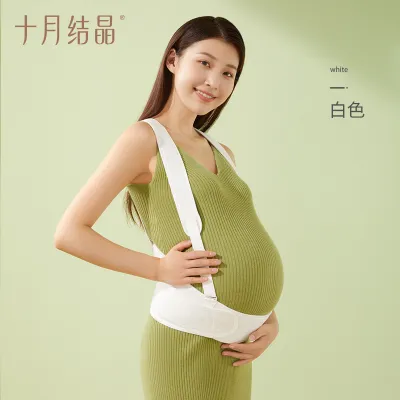
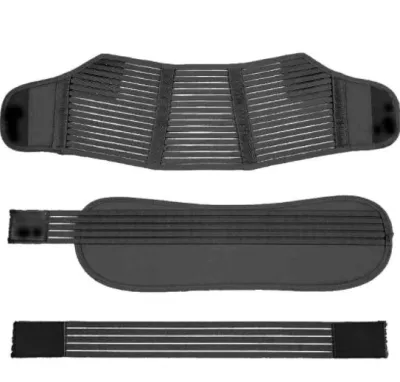
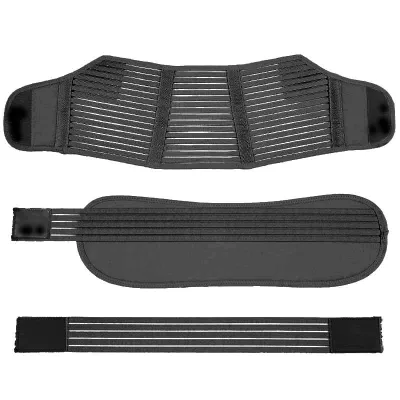
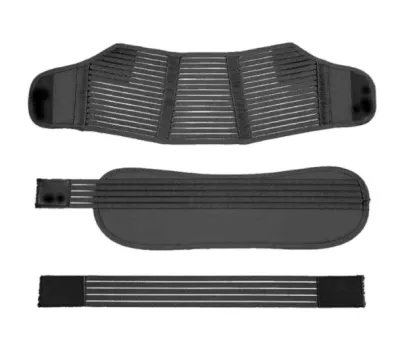
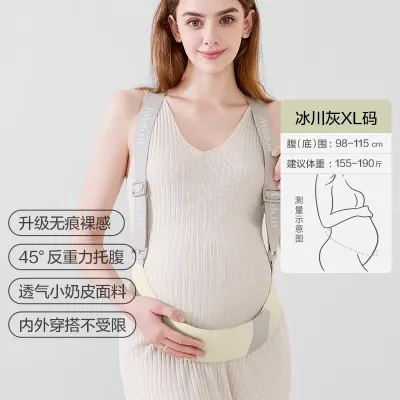
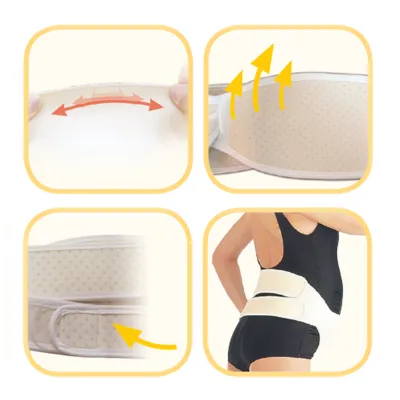
Prices are valid at publication and may change. Please refer to the product page for the latest price.
Support Effectiveness and Ergonomics
The primary purpose of a maternity belt is to redistribute the weight of your growing abdomen, thereby reducing the workload on your lower back, pelvis, and core muscles. When comparing brands, look closely at the structural design of the support panels. High-quality support belts typically feature a curved abdominal pad that mimics the natural shape of the lower belly, providing an upward lift rather than inward compression. Look for brands that incorporate dual-layer or multi-tension bands. These allow you to apply a base layer of support and then adjust secondary tension straps to target specific areas of discomfort, such as the sacroiliac (SI) joints or the lower lumbar region. Some premium models also include flexible vertical stays or plastic boning at the back to prevent the fabric from rolling down and to provide a physical reminder to maintain proper posture.
Material Composition and Tropical Breathability
Because a maternity support belt is worn close to the body, fabric selection directly impacts your daily comfort, particularly in warm and humid tropical environments. Wearing a thick, non-breathable elastic band for several hours can trap heat and sweat, leading to friction, chafing, heat rash, or contact dermatitis. When evaluating brands, check the material composition on the product label or manufacturer specification sheet. Opt for brands that utilize advanced textile technologies, such as 3D spacer fabric, perforated neoprene, or high-density mesh panels that facilitate continuous airflow. The inner lining that contacts your skin should ideally be made of hypoallergenic, moisture-wicking, or naturally soft fibers, such as bamboo-derived viscose or organic cotton. Avoid brands that rely heavily on cheap, stiff synthetic elastics that feel scratchy or lose their shape rapidly when exposed to sweat.
Sizing, Tension Retention, and Longevity
Your body will change significantly over the course of forty weeks, meaning a support belt must be highly adjustable to remain useful. The quality of the hook-and-loop fasteners (commonly referred to as Velcro) is a critical indicator of a brand’s longevity. Premium brands typically use medical-grade, injection-molded micro-frictional fasteners that grip securely without catching on your maternity clothing or degrading after repeated washing cycles. Furthermore, examine the brand’s sizing philosophy. Some brands offer highly specific size ranges (from XS to XXL) based on precise hip or lower belly measurements, while others offer highly adjustable, one-size-fits-most designs. For the best ergonomic fit, multi-sized brands are generally preferable, as they prevent excess fabric overlap that can create bulky pressure points.
How Popular Brand Categories Compare in Design and Price
To help you navigate the diverse options available in maternity specialty stores and online marketplaces, it is helpful to categorize support belts into three primary design types. Each category represents a different balance of support, daily comfort, and financial investment.

Full-Coverage Wrap Belts (Maximum Support)
Full-coverage wrap belts are multi-piece systems or wide, highly structured bands designed to provide comprehensive stabilization across the lower back, pelvis, and upper hips. These systems typically feature a wide back support panel, an under-belly cradle, and an optional upper stabilization strap that runs across the top of the bump to keep the entire assembly securely in place.
- Support Level: Very High. These belts are engineered to physically stabilize the pelvic ring and reduce pelvic shear forces, making them highly effective for managing severe discomfort.
- Comfort Trade-offs: These wraps have a bulkier profile, making them difficult to conceal under fitted clothing. The multiple layers of elastic and fabric can also feel warm when walking outdoors or commuting in non-air-conditioned spaces.
- Price Positioning: Generally premium, typically ranging from S$60 to S$120 or more, depending on the complexity of the multi-strap system.
- Target User: Expectant mothers in their late second or third trimester, those carrying multiples, or individuals diagnosed with severe pelvic girdle pain (PGP) or symphysis pubis dysfunction (SPD).
Under-Belly Support Bands (Lightweight Lift)
Under-belly support bands utilize a simplified, narrow sling or cradle design that sits low beneath the abdominal curve and fastens at the lower back. These bands focus on providing a gentle, upward lifting force to relieve pressure on the bladder and pelvic floor without wrapping the entire midsection.
- Support Level: Moderate. They excel at relieving round ligament strain and general abdominal heaviness, but offer limited stabilization for severe lower back or SI joint pain.
- Comfort Benefits: Highly breathable and lightweight. Because they cover minimal skin surface area, they are comfortable for extended wear and remain virtually invisible under thin daily wear or office attire.
- Price Positioning: Budget to mid-range, typically priced between S$20 and S$50.
- Target User: Those in their early to mid-pregnancy trimesters, mothers experiencing mild pelvic pressure, or individuals who sit for long periods at a desk and find wider belts restrictive.
Adjustable Mesh and Tube Belts (Versatile Balance)
Adjustable mesh and tube belts represent a middle ground, combining the flexibility of a pull-on seamless tube with the targeted reinforcement of adjustable elastic straps. Many of these designs feature integrated mesh panels that stretch dynamically as you move.
- Support Level: Moderate to High. The level of support can be customized easily by tightening or loosening the integrated side straps.
- Comfort Benefits: Excellent airflow and high flexibility. These belts adapt smoothly to transitions between sitting, standing, and walking, making them comfortable for active daily routines.
- Price Positioning: Mid-range, usually retailing between S$30 and S$70.
- Target User: Active individuals, those who work on their feet, and mothers who prioritize temperature regulation and ease of movement over rigid stabilization.
Evaluating Price and Long-Term Value for Money
When shopping for a maternity support belt, price is a major consideration, but the cheapest option is not always the most economical over the course of your pregnancy. Understanding what you are paying for at different price tiers can help you make a smart investment.
Price Tiers in the Local Market
- Budget Brands (S$15 to S$35): These are widely available on local ecommerce platforms. They typically feature basic, single-strap elastic designs with standard Velcro. While functional for occasional use, they may use stiffer synthetic materials that can cause skin irritation, and the elastic may begin to stretch out or roll after a few weeks of daily wear.
- Mid-Range Brands (S$35 to S$75): These options offer a significant step up in material quality, featuring softer, moisture-wicking fabric blends and more secure, durable fasteners. They often incorporate dual-tension adjustment straps and are designed to withstand regular washing.
- Premium Brands (S$75 to S$130+): Available at high-end maternity boutiques and specialty retailers, these belts feature medical-grade materials, advanced ergonomic designs, and extensive sizing options. They are engineered to provide highly targeted orthopedic support and are highly durable.
Key Indicators of Long-Term Value
To determine if a support belt is worth its price tag, look for specific quality markers. First, examine the elastic recovery of the fabric. High-quality elastane or spandex blends will return to their original shape even after weeks of continuous tension, whereas lower-quality materials will permanently stretch out, rendering the belt useless. Second, evaluate the durability of the fasteners; micro-hook fasteners maintain their grip far longer than standard coarse Velcro. Finally, consider multi-pregnancy durability. If you plan to have more children in the future, investing in a durable, premium brand that can be safely washed, stored, and reused represents excellent long-term value.
When to Invest in a Premium Model
Paying a premium for a highly engineered, medical-grade maternity belt is highly justified if you have been diagnosed with a clinical condition such as PGP, SPD, or severe sciatica. In these scenarios, the precise pelvic stabilization provided by a premium multi-strap system can significantly improve your daily mobility and comfort. Conversely, if you only experience mild, occasional lower back fatigue during long walks or late in the evening, a basic, budget-friendly under-belly band or a flexible mesh belt is often entirely sufficient to provide the light relief you need.
Your Decision Framework: Choosing the Right Belt
To finalize your purchase, align your specific physical symptoms, daily routine, and environmental conditions with the appropriate category of maternity support belt.
- Choose a Full-Coverage Wrap brand if:
- You are experiencing severe lower back pain, pelvic girdle pain, or SI joint instability.
- You are in your late second or third trimester and require maximum abdominal lifting and pelvic stabilization.
- You are carrying twins or multiples and need to redistribute a significant amount of anterior weight.
- Choose an Under-Belly Band brand if:
- You want a discreet, lightweight support solution that fits easily under fitted workwear or formal dresses.
- You are in your early to mid-pregnancy and are experiencing mild, occasional round ligament stretching.
- Your daily routine involves long periods of sitting, where a wider, bulkier belt would pinch or dig into your thighs.
- Choose an Adjustable Mesh brand if:
- You live or work in a warm, humid climate and prioritize maximum breathability to prevent skin irritation.
- You maintain an active lifestyle, enjoy prenatal walks, or have a job that requires frequent movement.
- You want a highly versatile belt that can be adjusted easily throughout the day as your body transitions between activities.
Critical Sizing and Safety Steps
Before ordering any maternity support belt, always check the manufacturer’s specific sizing guide. Do not rely on your pre-pregnancy clothing size; instead, use a flexible measuring tape to measure your current hip or lower belly circumference exactly as directed by the brand. If you fall between two sizes, it is generally recommended to choose the larger size to accommodate future growth, provided the belt can still be adjusted tightly enough to offer support.
Always read the product documentation and manufacturer instructions carefully before your first wear. If you experience sharp, persistent, or worsening pain, stop using the belt immediately and consult your obstetrician, gynecologist, or a qualified women’s health physiotherapist. A support belt is designed to manage mild to moderate mechanical discomfort, but it should never be used to mask symptoms of a more serious underlying medical issue.
Frequently Asked Questions (FAQ)
Can I wear a maternity support belt all day?
No, you should not wear a maternity support belt continuously all day. It is generally recommended to limit wear to 2 to 3 hours at a time, or during periods of physical activity, walking, or standing. Wearing a belt constantly can cause your core and back muscles to become reliant on the external support, potentially weakening them over time. Always take regular breaks to allow your natural stabilizing muscles to engage, and never wear a support belt while sleeping unless specifically instructed and fitted by a healthcare professional.
Do maternity belts help with pelvic girdle pain (PGP)?
Yes, structured maternity support belts can help alleviate the symptoms of pelvic girdle pain (PGP) and symphysis pubis dysfunction (SPD). They work by applying gentle lateral compression to the pelvis, which helps stabilize the pelvic ring and reduces painful micro-movements of the joints. However, a support belt is a management tool rather than a cure. If you suspect you have PGP, you should consult a doctor or a specialized women’s health physiotherapist for a proper diagnosis, targeted exercises, and personalized advice on how to position the belt correctly.
How do I wash and maintain my support belt to make it last?
To preserve the elasticity and hook-and-loop fasteners of your maternity belt, always fasten all Velcro straps securely before washing to prevent them from snagging the fabric. Place the belt inside a mesh laundry bag and machine wash on a cold, gentle cycle, or wash it by hand using a mild, non-biological detergent. Air-dry the belt flat in a shaded area away from direct heat or sunlight. Avoid using bleach, harsh fabric softeners, or a tumble dryer, as high heat and strong chemicals will rapidly degrade the elastic fibers and reduce the belt’s supportive tension.
Community discussion
Share your experience or ask a question. Comments are reviewed before publication.