
Quick Answer: Choosing Between a Pregnancy Pillow and Belly Band
Choosing the right maternity support is a highly personal decision that depends on when and where you experience the most physical strain. The choice between a pregnancy pillow and a belly band comes down to whether your primary discomfort occurs during nighttime sleep or daytime physical activity. Both options serve distinct purposes, and understanding their core functions is the first step toward finding relief.
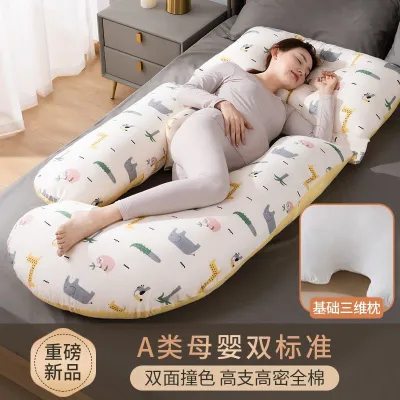
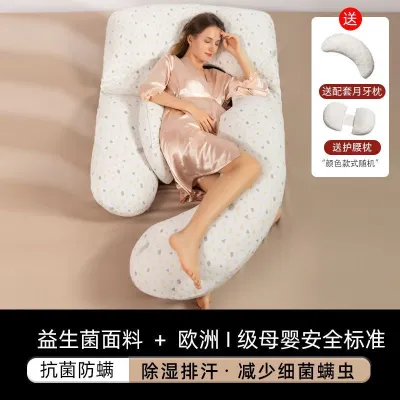
A pregnancy pillow is designed to provide full-body or targeted alignment while you are lying down. It helps support your head, neck, spine, hips, and growing abdomen, making it easier to maintain a comfortable side-sleeping position throughout the night.
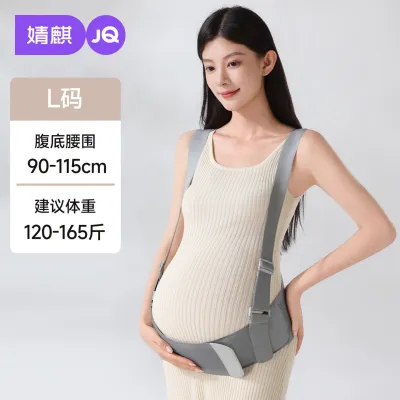
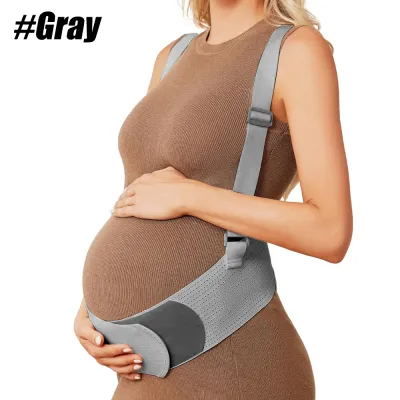
In contrast, a belly band is a wearable, elasticized support garment designed for daytime use. It gently lifts the abdomen to distribute weight more evenly across your lower back and pelvis, reducing fatigue and strain while you walk, stand, or perform daily tasks.
Products mentioned in this guide
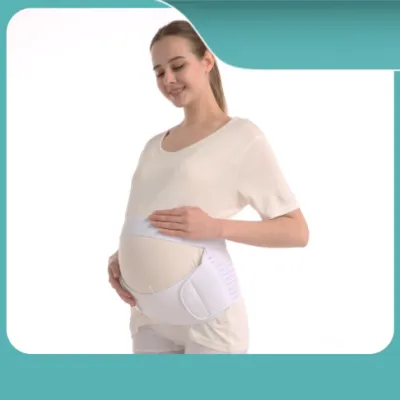
Prices are valid at publication and may change. Please refer to the product page for the latest price.
While some expectant mothers find complete relief using just one of these solutions, others benefit from incorporating both into their daily routines to address different physical challenges at different times of the day.
Identify Your Core Need: Nighttime Rest vs. Daytime Activity
To determine which support solution is right for you, start by tracking when your physical discomfort peaks. Keeping a simple log for a few days can help you identify whether your body struggles more with the static pressure of resting or the dynamic strain of moving.

Nighttime discomfort often manifests as deep hip pressure, lower back stiffness upon waking, or general restlessness. As your pregnancy progresses, the weight of your growing bump can pull your spine out of alignment when you lie on your side, leading to muscle tension and poor sleep quality. If you find yourself constantly tossing and turning to find a comfortable position, your body is likely signaling a need for structural support during rest.
Daytime discomfort, on the other hand, is typically triggered by gravity and movement. You might experience a heavy, dragging sensation in your lower pelvis, sharp round ligament strain when changing positions, or dull lower back fatigue by mid-afternoon. These issues are common when your core muscles and ligaments must work harder to support the shifting center of gravity during daily activities.
While these support tools are excellent for managing common pregnancy discomforts, they are not a substitute for medical care. If you experience severe, sharp, or persistent pain, always consult your healthcare provider before relying on any support gear.
Evaluating the Maternatura Pregnancy Pillow for Sleep Support
When considering a Maternatura pregnancy pillow, the first step is to evaluate how its shape and size align with your sleeping environment and personal habits. Full-body pillows, such as U-shaped or C-shaped designs, offer comprehensive support for your back, belly, and knees simultaneously, but they require significant space. If you share a bed or have a compact mattress, a smaller wedge pillow or a modular design might be more practical.
Next, examine the product specifications for the filling material and cover fabric. In Singapore’s warm and humid climate, heat retention can quickly disrupt your sleep. Look for breathable outer covers made from natural fibers like cotton or bamboo-derived materials, which promote airflow and help keep you cool. Additionally, verify that the cover is fully removable and machine-washable to ensure you can maintain excellent hygiene throughout your pregnancy.
The firmness of the pillow is another critical factor to assess. A high-quality pregnancy pillow should be firm enough to keep your knees and hips stacked parallel to the mattress, preventing your upper leg from sliding forward and twisting your pelvis. However, it must also offer enough cushioning to avoid creating painful pressure points on your shoulders or ears.
Finally, always check the manufacturer’s care instructions before purchasing. Understanding how to wash and maintain the inner cushion without causing the filling to clump will help ensure the pillow retains its supportive shape over months of continuous use.
Evaluating the Maternatura Belly Band for Active Support
Selecting a belly band requires careful attention to fit, adjustability, and how well the garment integrates into your daily routine. Because your abdomen will continue to grow, you must check the manufacturer’s sizing chart carefully. Avoid relying on your pre-pregnancy clothing size; instead, use a flexible measuring tape to measure around your lower back and under your belly as directed by the product guidelines.
Look for bands that offer adjustable fasteners, such as high-quality hook-and-loop straps. This adjustability allows you to customize the level of tension and support as your body changes, ensuring the band remains secure without becoming uncomfortably tight.
Given Singapore’s tropical climate, fabric breathability is paramount for daytime wear. A heavy, non-breathable band worn under or over clothing can trap sweat, leading to skin irritation, heat rashes, or chafing. Prioritize lightweight, perforated, or moisture-wicking fabrics that allow your skin to breathe during outdoor commutes or light exercise.
You should also evaluate the width and structural design of the band. The support panel should be wide enough to cradle the lower curve of your abdomen gently, lifting the weight upward and backward toward your hips. Avoid bands that are too narrow, as they can dig into your skin, or those that press too tightly against your upper abdomen, which can restrict comfortable breathing and digestion.
Lastly, verify whether the band is designed to be worn directly against your skin or over a base layer of clothing. Seamless, low-profile designs are ideal for wearing discreetly under professional attire, while more robust, multi-strap systems are often best worn over a soft camisole or activewear.
Key Comparison Factors: Pillow vs. Band
To help you visualize how these two support options compare, it is helpful to look at their practical differences across several key dimensions.
| Feature | Pregnancy Pillow | Belly Support Band |
|---|---|---|
| Primary Use Case | Sleep alignment and joint pressure relief | Abdominal lift and lower back support |
| Time of Day | Nighttime or during periods of rest | Daytime during physical activity or standing |
| Target Body Areas | Head, neck, spine, hips, and knees | Lower abdomen, pelvis, and lumbar spine |
| Portability | Low (bulky, designed for home use) | High (wearable, lightweight, travel-friendly) |
| Maintenance | Removable cover washing, spot cleaning | Hand washing or delicate machine cycle |
Portability is one of the most significant practical differences between the two. A pregnancy pillow is a stationary comfort aid meant to remain in your bedroom. A belly band, however, is highly portable and can easily be packed in a bag, worn during your commute, or adjusted throughout the day at your workplace.
The learning curve also differs. Using a pregnancy pillow requires some trial and error to find the exact positioning that relieves pressure on your hips and supports your belly. A belly band requires learning how to position the support panel correctly under your bump and adjusting the tension so that it provides a gentle lift without compressing your abdomen.
In terms of longevity, both products offer excellent value but adapt differently. A pregnancy pillow can often transition into a nursing support cushion or a sitting aid for your baby post-pregnancy. A belly band is typically used during the second and third trimesters and can sometimes assist with mild postpartum recovery, provided you have cleared its use with your healthcare provider.
Decision Framework: Which Maternatura Solution Fits You?
To finalize your choice, consider how your daily lifestyle and physical needs align with the following decision pathways.
Choose the Pregnancy Pillow if…
- Your primary physical challenge is falling asleep or staying asleep due to joint pain or discomfort.
- You wake up with aching hips, lower back stiffness, or neck tension.
- You struggle to maintain a safe side-sleeping position and find yourself rolling onto your back during the night.
- You have sufficient bed space to accommodate a larger, supportive cushion.
Choose the Belly Band if…
- Your discomfort is most intense when you are walking, standing, or performing household chores.
- You experience a heavy, dragging sensation in your lower abdomen or pelvis as the day progresses.
- You need a discreet, wearable support option that fits easily under your daily clothing.
- You commute frequently or have an active job that requires you to be on your feet for extended periods.
Consider Both if…
- You experience significant physical strain that disrupts both your daytime productivity and your nighttime rest.
- You want a comprehensive support strategy that addresses different physical challenges across a full twenty-four-hour cycle.
Verify First if…
- You have a high-risk pregnancy, pre-existing skin conditions, or circulatory issues. Always consult your obstetrician before introducing any compression or support garments to ensure they are safe for your specific situation.
Safety, Fit, and When to Stop Using Support Gear
Using maternity support gear safely requires adhering to the guidelines provided by the manufacturer and listening closely to your body’s signals. Always read the specific product manual for your chosen item, paying close attention to weight limits, sizing recommendations, and care instructions.
For belly bands, it is crucial to limit your daily wear time. Relying on a support band for too many consecutive hours can cause your core and back muscles to become inactive, potentially weakening them over time. Most experts recommend wearing a band for no more than a few hours at a time, or specifically during periods of increased physical activity.
Stop using a belly band immediately if you experience any warning signs, such as numbness, tingling, restricted breathing, skin irritation, abdominal pain, or a noticeable change in fetal movement. The band should always feel like a supportive, gentle lift—never tight, restrictive, or painful.
Similarly, discontinue or adjust your use of a pregnancy pillow if you wake up with new neck, shoulder, or back pain, or if the pillow causes excessive overheating that disrupts your sleep.
Ultimately, while high-quality support gear can greatly enhance your comfort, it is not a medical treatment. Always prioritize professional medical advice and regular prenatal checkups to ensure a safe and healthy pregnancy journey.
Community discussion
Share your experience or ask a question. Comments are reviewed before publication.