
Selecting the right feeding gear for your baby’s weaning journey is a developmental milestone in itself. As your child transitions from a milk-only diet to solid foods, their physical abilities and the resulting mealtime mess change rapidly. Meroware offers a range of weaning products, including bibs, suction bowls, and divided plates, designed to support these shifting needs. To choose the most suitable items, you must match the product’s specific features—such as pocket depth, suction strength, and plate division—to your baby’s current motor skills and feeding stage.
In Singapore, where busy lifestyles and compact dining spaces are common, finding feeding gear that minimizes cleanup while encouraging independence is highly practical. Whether you are starting with smooth purees or transitioning to self-feeding with finger foods, understanding your baby’s developmental cues will guide you to the right gear. By focusing on material safety, ease of maintenance, and ergonomic designs, you can create a positive and manageable mealtime environment for both you and your little one.
Identifying Your Baby's Current Weaning Stage
Before purchasing any feeding accessories, it is essential to observe your baby’s physical readiness. The weaning process typically unfolds in distinct phases, each requiring different levels of support and protection. Recognizing these signs ensures you introduce the right tools at the right time, preventing frustration for both caregiver and child.
Products mentioned in this guide
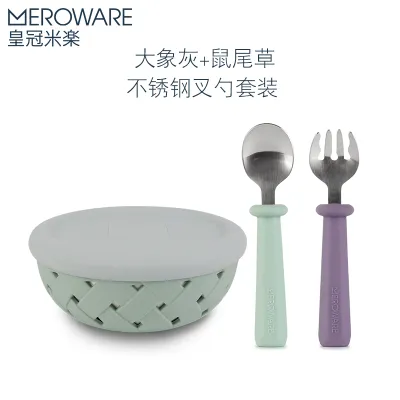
Prices are valid at publication and may change. Please refer to the product page for the latest price.
The early weaning stage usually begins when your baby can sit upright with minimal support and maintain steady head control. At this point, meals consist primarily of smooth purees offered by a caregiver. Because babies at this stage have limited motor control, food often drips or is pushed out of the mouth by the tongue-thrust reflex. This phase requires full torso coverage to protect clothing from liquid stains, making soft, wide-coverage bibs highly beneficial.
As your baby grows, they will show signs of readiness for the transition stage, which involves finger foods and early self-feeding. You will notice them using a palmar grasp—clutching food or utensils with their entire fist. This is also the stage where babies love to explore gravity, frequently knocking items off their highchair trays. To accommodate this active phase, feeding gear must focus on stability, such as secure suction bases that keep bowls firmly in place.
The advanced self-feeding stage is marked by the development of the pincer grasp, where your child uses their thumb and index finger to pick up small pieces of food. They will also begin attempting to use spoons and forks independently. At this point, their culinary world expands to include varied textures and distinct food groups. Feeding gear should now feature divided portions to keep different flavors separate and curved rims that help your child scoop food onto their utensils.
Selecting Meroware Bibs for Different Mess Levels
A reliable bib is the first line of defense against the inevitable chaos of weaning. As your baby’s eating habits evolve, the type of mess they make changes, requiring different bib designs to keep cleanups manageable. Evaluating the specific features of Meroware bibs helps you choose the right level of protection for each meal.

For older babies who are exploring solid, chunky foods or feeding themselves, a bib with a structured catch-pocket is highly effective. These pockets are designed to stay open, catching falling crumbs, stray peas, and liquid spills before they reach your baby’s lap or the floor. When selecting a pocket bib, check that the pocket is deep enough and rigid enough to hold its shape during movement, yet flexible enough not to press uncomfortably against the highchair tray.
Caregivers must also weigh the benefits of wipeable surfaces against machine-washable fabrics. Wipeable materials, such as food-grade silicone or coated fabrics, are excellent for quick cleanups between meals. In Singapore’s warm and humid climate, being able to quickly wipe down a bib and let it air dry prevents the buildup of mold and unpleasant odors. On the other hand, soft, machine-washable fabrics are often more comfortable for early weaning when meals are mostly liquid purees, though they require a full wash cycle to stay hygienic.
The neck closure is another critical factor to inspect for safety, adjustability, and comfort. As your baby grows, their neck circumference changes, meaning a bib needs adjustable settings to ensure a snug yet comfortable fit. Look for closures that are secure enough to prevent your baby from pulling the bib off mid-meal, but gentle enough not to irritate sensitive skin. Common options include adjustable silicone buttons, soft hook-and-loop fasteners, or snap buttons; each should be checked to ensure there are no sharp edges or easily detached small parts.
Choosing Meroware Suction Bowls and Divided Plates
As your baby transitions from being fed to feeding themselves, the tableware you choose plays a significant role in building their confidence and motor skills. Tableware that stays put reduces mealtime stress and allows your baby to focus on the mechanics of scooping and grasping. Matching the design of bowls and plates to your child’s physical abilities is key to a successful transition.
Suction bases are a vital feature for babies who are learning to navigate their highchair space. Without a secure base, a simple swipe of a hand can send an entire meal flying across the room. When evaluating suction bowls and plates, look for a wide, integrated suction pad that creates a strong vacuum seal on flat surfaces. The design should also include an easy-release tab positioned away from the baby’s reach, allowing caregivers to remove the dish effortlessly while keeping it secure from curious little fingers.
The physical shape of the bowl or plate also influences how easily your baby learns to eat independently. For early spoon-feeding, bowls with deep walls and slightly curved inner rims are highly beneficial. These curves act as a guide, helping your baby push food against the side of the bowl to load it onto their spoon. A shallow bowl or one with straight, vertical walls can make scooping difficult, leading to frustration and a greater reliance on hand-feeding.
Divided plates become particularly useful as your baby transitions to varied family meals. These plates allow you to present different food groups—such as grains, proteins, and vegetables—in separate compartments. This separation is helpful for toddlers who may be sensitive to different textures touching or who prefer to explore one flavor at a time. Additionally, divided plates serve as a visual guide for caregivers to ensure they are offering a balanced variety of nutrients at every meal.
Pre-Purchase Checks for Meroware Feeding Gear
Before finalizing your purchase of any weaning products, conducting a thorough pre-purchase check ensures the items are safe, compatible with your home setup, and easy to maintain. Taking a few minutes to verify these details can prevent compatibility issues and ensure the longevity of your feeding gear.
First, always locate and interpret the manufacturer’s recommended age and weight guidelines on the product packaging. These guidelines are established based on developmental safety standards and physical dimensions. For example, a cup or utensil designed for a twelve-month-old may pose a safety hazard or be too heavy for a six-month-old. Ensure the product matches your baby’s current developmental stage rather than buying ahead too early.
Next, verify the compatibility of suction bases with your specific dining surfaces. Suction cups rely on a completely smooth, non-porous surface to maintain a vacuum seal. If your highchair tray has a textured matte finish, or if you plan to use the tableware on a rustic wooden dining table, the suction may not hold effectively. Check the product specifications and, if possible, test the surface beforehand to ensure you will get the stability you need.
Finally, carefully review the care and cleaning instructions for each item. Weaning gear requires frequent, thorough cleaning to remain hygienic. Check whether the materials can withstand high-temperature sterilization, steam sterilizers, or the heat of a standard dishwasher. Some plastics or composite materials may warp or degrade if exposed to extreme heat, while others are fully dishwasher-safe. Ensuring the product fits into your existing cleaning routine will save you time and preserve the quality of the materials over time.
Frequently Asked Questions (FAQ)
Can I use Meroware suction plates on highchair trays?
Yes, but compatibility depends entirely on the material and texture of your highchair tray. Suction bases require a smooth, flat, and non-porous surface—such as polished plastic, glass, or smooth laminate—to create and maintain a secure vacuum seal. If your highchair tray has a textured, matte, or grainy finish, air will seep under the suction cup, causing it to release quickly. Before purchasing, check your highchair manufacturer’s guidelines regarding suction compatibility, or test the tray surface with a damp suction cup to verify its texture.
How do I maintain the suction strength of Meroware bowls?
To keep suction bases functioning effectively, regular and proper maintenance is required. Always wash the suction base thoroughly after each use to remove any invisible food residues, oils, or soap films, as these can cause the base to slip or lose its seal. Avoid using abrasive sponges that can scratch the silicone, as micro-scratches can allow air to escape. Additionally, inspect the base regularly for any signs of warping, tearing, or heat damage from dishwashers or sterilizers, as a damaged base will no longer be able to hold a vacuum seal.
Community discussion
Share your experience or ask a question. Comments are reviewed before publication.