
Selecting the right protective barrier for your home requires a careful balance between child safety and furniture preservation. To choose the most suitable Garbo guard variant, you must evaluate the specific material, thickness, and adhesive properties of the guard against the unique surfaces of your household furniture. For example, delicate glass coffee tables require low-profile, transparent silicone guards with residue-free adhesives, while heavy wooden cabinets benefit from wider, color-matched foam guards that protect the underlying finish. Sharp metal frames demand dense, high-impact cushioning and heat-resistant adhesives to prevent lifting. By matching these material characteristics, you can create a safer environment for your child while maintaining the integrity of your home’s interior.
While edge guards are excellent tools for minimizing impact injuries, they are secondary safety measures that do not replace active caregiver supervision. As children reach different developmental stages—from crawling to pulling themselves up and walking—their interaction with furniture changes, making regular safety audits essential. Before purchasing any protective product, caregivers should verify the manufacturer’s age recommendations, weight limits, and specific installation warnings on the product packaging. Additionally, because safety standards and product certifications can change, always inspect the physical packaging of your chosen guard to verify its compliance with current safety regulations.
Key Factors When Matching Edge Guards to Furniture
Before selecting a specific protective strip, you must conduct a thorough assessment of your furniture’s physical characteristics. First, evaluate the edge profile: straight edges, curved profiles, or sharp 90-degree corners. Straight edges are highly compatible with continuous roll guards, while curved profiles require flexible materials that can bend without creasing or lifting. Sharp 90-degree corners are often secured using pre-molded corner protectors, which eliminate the need to cut and fold straight strips, a process that can weaken the adhesive bond at the most critical impact point.
Products mentioned in this guide
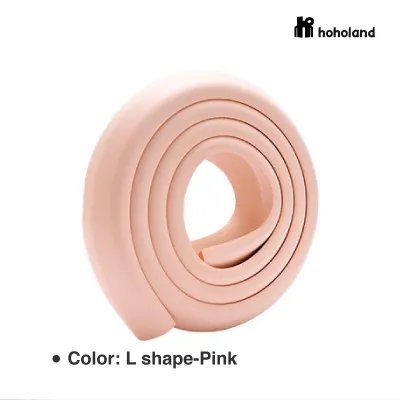
![[SG Stock] Corner Protector❤️Table Furniture Sharp Edge Safety Guard Silicone Bumper Baby Kids Children Protection](https://img.lazcdn.com/g/p/774cbe2a2c03816c7a70d8c8c65de91c.jpg_400x400q80.jpg_.webp)
Prices are valid at publication and may change. Please refer to the product page for the latest price.
Your furniture’s material determines which adhesive and guard will perform reliably. Surfaces like glass, solid wood, veneered particleboard, metal, and laminate interact differently with adhesives. For instance, non-porous surfaces like glass and metal provide excellent initial adhesion but can trap moisture underneath in humid climates, potentially degrading the bond. Conversely, porous surfaces like raw or lightly finished wood can absorb oils from certain adhesives, leading to permanent staining or premature peeling. Understanding these material interactions helps you select a guard that stays firmly in place without causing long-term damage to your valuable furniture.
Guard dimensions must match the scale of the furniture. Options range from thin, low-profile silicone strips to thick, high-density foam cushions. Opaque foam guards, often made from Nitrile Butadiene Rubber (NBR), offer high shock absorption for heavy, high-traffic furniture but are highly visible and can alter the room’s aesthetic. Transparent silicone or PVC guards offer a more discreet safety solution, making them suitable for modern furniture designs where visual impact is a concern. However, transparent materials are often denser and less compressible than foam, meaning they provide a different type of impact resistance that must be weighed against your child’s developmental needs.
Adhesive selection is critical for long-term security. Most guards include double-sided tape, but properties vary. Some adhesives are formulated for high initial tack, while others cure over 24 hours to achieve maximum bonding strength. When reviewing product labels, look for specifications regarding surface compatibility and clean removal. In warm, humid environments, standard adhesives can soften, leading to sliding or peeling. Checking the manufacturer’s instructions for temperature and humidity recommendations helps ensure the adhesive backing is robust enough to withstand local indoor conditions without sliding off the furniture edge.
Selecting the Right Variant for Glass Tables and Surfaces
Glass furniture, such as dining tables, coffee tables, and shelving units, presents a unique set of challenges when it comes to childproofing. The primary concern with glass is its unforgiving hardness and sharp, thin edges, which pose a significant hazard to toddlers. When selecting a protective guard for glass, visual impact is often a major consideration for homeowners. Transparent silicone or PVC variants are often selected for these surfaces because they blend with the clear glass, preserving the clean lines and aesthetic appeal of the furniture. Opaque foam guards can look bulky and disruptive on glass, whereas a clear, low-profile guard provides the necessary protection without drawing unnecessary attention to the safety modification.

Adhesive safety is another critical factor when applying guards to glass surfaces. Because glass is completely non-porous, adhesives can bond tightly, making removal difficult if the wrong product is used. Conversely, some low-quality adhesives may fail to grip the smooth glass surface, causing the guard to slide off easily when pushed by a curious child. Caregivers should check the manufacturer’s instructions to ensure the adhesive is explicitly rated as glass-safe. This verification helps prevent stubborn residue, permanent cloudiness, or surface etching when the guard is eventually removed. It is also wise to avoid using harsh chemical solvents on glass surfaces during cleanup, as these can seep under the remaining guard and compromise the adhesive bond of adjacent sections.
Balancing the guard’s thickness with its shock-absorption capabilities is essential for glass furniture. Because glass edges are typically much thinner than wooden or metal edges, a guard that is too wide will overhang, creating an unsightly lip that children can easily pull on. A low-profile, U-shaped transparent guard is often a practical design for glass tabletops. This shape wraps around the top, edge, and bottom of the glass, securing it from multiple angles. While these clear silicone guards are thinner than dense foam, their high elasticity provides cushioning to distribute the force of an impact, reducing the risk of injury while maintaining a secure, low-profile fit that is difficult for small hands to peel away.
Protecting Wooden Cabinets and Desks
Wooden furniture, ranging from solid oak dining tables to veneered cabinets and painted study desks, requires a tailored approach to edge protection. The first step in securing wooden furniture is precise width matching. You must measure the thickness of the wooden edge carefully before purchasing a guard. If the guard is too narrow, it will leave the upper or lower corners of the edge exposed, defeating the purpose of the safety barrier. If it is too wide, the excess material will overhang, creating a leverage point that a child can easily grab and pull, leading to premature adhesive failure. Selecting a guard width that matches the exact profile of the wooden edge ensures a flush, secure fit.
Protecting the underlying finish of wooden furniture is a major concern for homeowners. Wood finishes, including varnishes, lacquers, paints, and oils, can be delicate and prone to peeling. Applying a high-tack adhesive directly to a veneered or painted surface carries the risk of stripping the finish when the guard is removed. To prevent this, caregivers must verify adhesive compatibility with the specific wood finish of their furniture. It is highly recommended to perform a discreet patch test on an inconspicuous area of the wood—such as the underside of a table or the inside of a cabinet door—before applying the guard to visible areas. If the test area shows signs of discoloration, softening, or peeling upon removal, you should consider a gentler adhesive or an alternative mounting method.
Aesthetic blending is also highly achievable with wooden furniture due to the wide variety of opaque, color-matched foam guards available. Unlike glass, which benefits from transparency, wooden furniture often looks best when paired with guards that match its natural tones. Many foam guards are available in shades of brown, cream, grey, and black, allowing you to choose a variant that closely matches your furniture’s wood grain or paint color. This color matching helps the guard blend into the background, making the safety features less distracting in living rooms, bedrooms, or nurseries. Additionally, dense foam guards provide excellent cushioning for the heavy, solid edges typical of wooden furniture, offering robust protection against high-energy impacts.
Securing Sharp Metal Corners and Frames
Metal furniture, such as steel bed frames, industrial-style shelving, and metal-legged desks, presents some of the most hazardous sharp edges in a household. Because metal is completely rigid and highly conductive, impacts against metal corners can be particularly severe. To mitigate this risk, caregivers must prioritize high-cushion variants that offer substantial impact absorption. Thicker, high-density materials, such as dense NBR foam or high-rebound silicone, are well-suited for metal surfaces. These materials are designed to compress under force, absorbing and dispersing the energy of a collision far more effectively than thin, low-profile alternatives, thereby providing a crucial safety buffer for active toddlers.
Adhesion durability on metal surfaces requires careful consideration of environmental factors. Metal is highly sensitive to temperature fluctuations, warming up quickly in sunlit rooms and cooling down at night. In warm, humid climates, metal frames near windows can reach high temperatures during the day, which can cause standard adhesives to melt, soften, or lose their grip. When selecting an edge guard for metal furniture, it is essential to check the adhesive’s temperature rating on the product packaging. Look for heavy-duty, heat-resistant double-sided tapes that are formulated to maintain their bond despite temperature shifts, ensuring the guard remains firmly attached even on warm metal surfaces.
Applying guards to metal furniture also requires choosing between pre-molded corner guards and continuous edge strips. Metal frames often feature complex joints, welds, and sharp 90-degree corners that are difficult to wrap with a single continuous strip. For these areas, using pre-molded corner protectors is often recommended, as they are specifically engineered to fit snugly over sharp metal joints without leaving gaps. For long, straight metal rails, such as those on bed frames, continuous edge strips can be cut to size. Combining pre-molded corners with straight edge strips provides comprehensive coverage, eliminating exposed metal points and ensuring that every potential impact zone is thoroughly cushioned.
Installation, Maintenance, and Safe Removal
Proper installation is the foundation of edge guard effectiveness. Before applying any guard, thorough surface preparation is essential. Begin by cleaning the furniture edge with a mild soap solution or rubbing alcohol to remove dust, grease, fingerprints, and polish residue, which can severely hinder adhesive bonding. Allow the surface to dry completely; even a small amount of moisture can trap air bubbles and prevent the adhesive from curing properly. Once dry, measure and cut the guard to the desired length, peel off the adhesive backing, and press the guard firmly onto the furniture surface. Apply consistent pressure along the entire length of the guard for at least 30 seconds to ensure a strong, uniform bond, and allow the adhesive to cure for the manufacturer-recommended time (typically 24 hours) before allowing children near it.
Ongoing maintenance and routine safety checks are vital to ensure the continued protection of your child. Over time, daily wear, cleaning, and curious fingers can cause edge guards to peel, lift, or degrade. Caregivers should conduct weekly inspections of all installed guards, paying close attention to the ends and corners where lifting is most likely to start. If a guard becomes loose, it must be replaced immediately. Loose or peeling guards not only fail to provide impact protection but also pose a serious choking hazard if a child manages to tear off a piece of the foam or silicone. If you notice any material degradation, such as crumbling foam or brittle plastic, remove the guard entirely and replace it with a fresh unit.
When the time comes to remove the edge guards, doing so safely requires patience to avoid damaging your furniture’s surface. Avoid ripping or yanking the guard off quickly, as this can peel paint, varnish, or wood veneer. Instead, apply gentle heat to the adhesive using a hair dryer set to a low or medium temperature. The heat will soften the adhesive, making it much easier to peel away slowly and gently. For stubborn adhesive residue, consult both your furniture care manual and the edge guard manufacturer’s instructions to identify safe solvents. While rubbing alcohol or mild adhesive removers are often effective on metal and glass, they can ruin certain wood finishes, so always perform a spot test before widespread application.
Frequently Asked Questions (FAQ)
How do I know if an edge guard adhesive will damage my furniture?
To determine if an adhesive is safe for your furniture, start by carefully reading the manufacturer warnings on both the edge guard packaging and your furniture’s care guide. High-risk surfaces include untreated or raw wood, delicate paper veneers, antique finishes, and freshly painted surfaces, which are highly susceptible to peeling or staining. If the instructions permit, perform a discreet patch test by applying a small piece of the adhesive tape to an inconspicuous area of the furniture, such as the underside or inside of a leg. Leave the test strip in place for at least 48 hours, then remove it slowly using gentle heat to observe if any finish peels off or if any discoloration occurs.
Can I use transparent edge guards on outdoor or sunlit furniture?
Transparent edge guards made from standard silicone or PVC are generally not recommended for outdoor use or areas exposed to direct, intense sunlight. Prolonged exposure to ultraviolet (UV) radiation can cause these clear materials to undergo chemical degradation, leading to yellowing, cloudiness, and increased brittleness over time. This degradation not only ruins the aesthetic appeal of the guard but also reduces its flexibility and shock-absorbing capabilities, making it less effective at protecting against impacts. For sunlit areas, such as balconies or patios, it is advisable to check the product specifications for UV-resistant ratings or opt for high-density, opaque foam guards that are better suited to withstand outdoor environmental conditions.

Community discussion
Share your experience or ask a question. Comments are reviewed before publication.