
Selecting the right bag size for baby essentials requires balancing storage capacity with daily comfort. While Marhen J bags are celebrated for their minimalist aesthetic and structured designs, finding the ideal model for parenting duties depends entirely on your baby’s developmental stage, your typical outing duration, and your personal packing style. There is no single size that fits every family, but understanding how different dimensions align with your daily routine will help you make a practical choice.
For quick errands or short trips to a nearby cafe, a compact medium-sized tote often provides sufficient space for a single diaper change, travel wipes, and a bottle. Conversely, full-day family outings or trips with a newborn demand a much larger capacity to accommodate multiple changes of clothes, feeding equipment, and personal items. Before making a purchase, always verify the exact interior dimensions and compartment layouts on the official brand website, as visual estimates from online photos can be deceptive.
Quick Answer: Matching Bag Size to Your Outing Style
Your ideal bag size is dictated by how you plan to spend your days out with your child. If your routine consists of brief walks, quick supermarket runs, or short visits to air-conditioned shopping malls, a smaller, lightweight bag will keep you agile. These quick trips only require the bare essentials, meaning you can prioritize a compact footprint over maximum storage volume.
Products mentioned in this guide
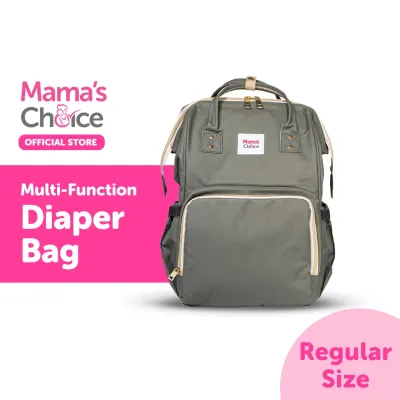
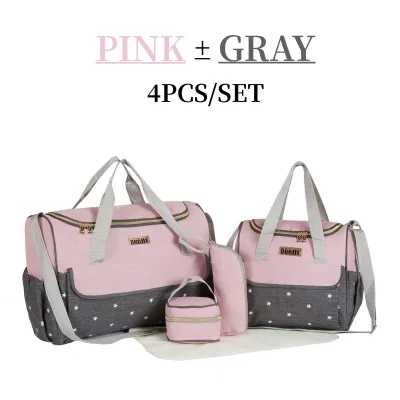
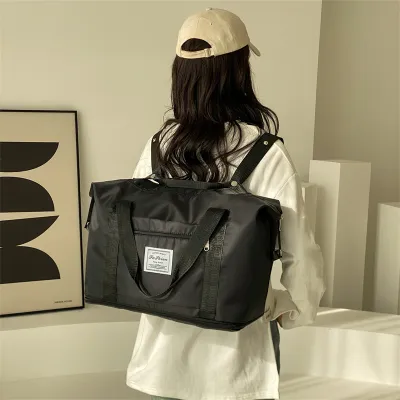
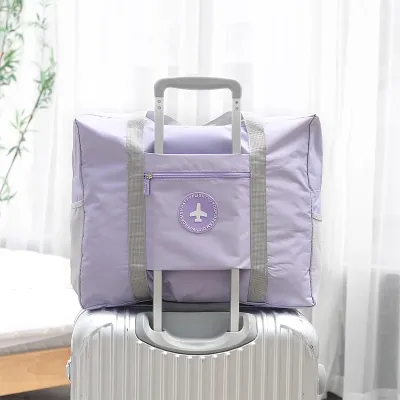
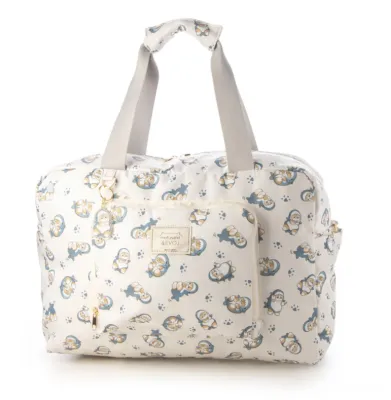
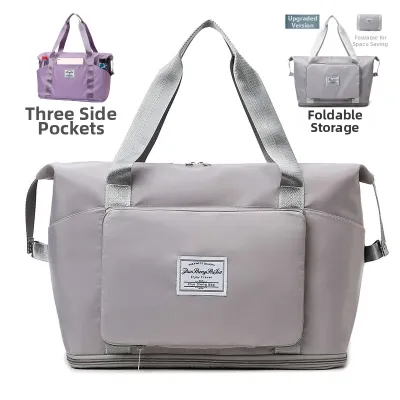
Prices are valid at publication and may change. Please refer to the product page for the latest price.
For extended outings, such as weekend family gatherings, day-long park visits, or travel, your capacity needs will scale up significantly. You will need a bag that comfortably houses backup supplies without bulging or straining the closures. A larger, structured tote ensures you do not have to leave crucial items behind or carry multiple separate bags.
Ultimately, the decision rests on three main variables: your baby’s age, your personal packing habits, and the bag’s internal layout. Parents who prefer to carry “just in case” items will naturally require a larger model than minimalist packers. Checking the manufacturer’s specifications for base width and depth is the most reliable way to ensure a bag fits your specific gear list.
Assessing Your Diaper Bag Capacity Needs
Newborn vs. Toddler Gear
The volume of items you must carry changes dramatically as your child grows. Newborns require an extensive inventory of high-bulk items. A typical newborn packing list includes four to six diapers, a full pack of travel wipes, a portable changing mat, feeding bottles, a thermos of hot water, formula dispensers, burp cloths, and at least two complete changes of clothing to handle unexpected messes.

As your child transitions into the toddler stage, the physical bulk of their gear decreases, but the variety changes. Toddlers require fewer diaper changes, but their space is quickly occupied by snack containers, transition cups, small toys, and spare outerwear. Evaluating your child’s current developmental stage helps you avoid buying a bag that is either frustratingly small or unnecessarily bulky.
Trip Duration
A brief one-hour outing requires very little preparation. You can easily manage with a single diaper, a small pack of wipes, and a pacifier tucked into a compact shoulder bag. This minimalist setup keeps your hands free and reduces physical strain during quick transits.
For full-day excursions, the packing list expands to include multiple feeding portions, extra layers for changing weather, wet bags for soiled clothes, and additional entertainment. A bag used for full-day trips must have a generous main compartment that allows you to layer items logically, keeping high-frequency tools like wipes right at the top.
Caregiver Extras
A common oversight is forgetting that the diaper bag must also function as your personal handbag. Your wallet, keys, mobile phone, hand sanitizer, and personal water bottle must all fit safely alongside baby items. In tropical climates, you may also need to squeeze in a compact umbrella or sunscreen.
To maintain hygiene, personal items should ideally be kept separate from baby feeding gear. When choosing a bag size, ensure there is enough space or a dedicated pocket to isolate your personal belongings. This prevents keys or loose coins from coming into contact with sterile bottle nipples or pacifiers.
Evaluating Marhen J Bag Structures and Dimensions
Base Width and Opening
The usability of a structured canvas bag is heavily influenced by its base width and top opening. A wide, flat rectangular base allows the bag to stand upright on flat surfaces, such as cafe tables or changing station benches. This self-standing capability is incredibly helpful when you only have one free hand to retrieve a clean diaper.
An open-top design or a wide-zippered opening provides an unobstructed view of the interior. Narrow openings force you to rummage blindly, which can be highly frustrating during an urgent cleanup. Ensure the top opening is wide enough to easily slide a structured diaper pouch or a folded changing mat in and out without catching on the sides.
Internal Organization
Many structured canvas bags feature built-in vertical pockets or side dividers. These compartments are excellent for keeping baby bottles, water tumblers, or formula flasks upright, reducing the risk of messy leaks inside the bag. However, you must check if the diameter of these built-in pockets matches the width of your preferred bottle brand.
If a bag lacks built-in dividers, you will need to rely on separate packing cubes or a removable felt organizer. Using individual pouches for different categories—such as a dedicated diapering pouch and a separate feeding pouch—helps maintain order. Ensure the bag’s main compartment dimensions can comfortably accommodate these external organizers.
Reading the Specs
Never rely solely on model names like “mini,” “medium,” or “large” to judge capacity, as these terms are relative and vary across different product lines. Instead, locate the exact measurements on the official product page. Pay close attention to the depth (the measurement from the front of the bag to the back) to ensure bulky items like formula tubs or wipes dispensers will fit.
Additionally, check the strap drop length. If you plan to carry the bag over your shoulder while wearing a baby carrier, you will need a longer strap drop or an adjustable crossbody strap. Verifying these physical specifications beforehand prevents the disappointment of purchasing a bag that is too tight for your daily essentials.
Practical Checks for Comfort and Maintenance
Weight Distribution
Structured canvas and synthetic bags have an inherent empty weight that adds to your carrying load. Once packed with water bottles, flasks, and baby gear, the total weight can quickly cause shoulder fatigue. Look for models that feature wide, flat shoulder straps or adjustable crossbody straps to help distribute the weight evenly across your torso.
If you prefer carrying the bag by its top handles, ensure they are padded or made of soft, durable webbing. Thin or rigid straps can dig into your hands or shoulders when the bag is fully loaded. Testing the comfort of the straps with some simulated weight at home is a smart way to evaluate long-term usability.
Material Care
Spills, leaks, and outdoor dirt are inevitable parts of traveling with a baby. Before choosing a material, review the manufacturer’s cleaning guidelines. Heavy canvas bags look stylish but may require specialized spot-cleaning or water-resistant protective sprays to prevent staining from milk or juice spills.
Nylon or synthetic fabric options are often more forgiving, allowing you to wipe down the exterior and interior lining with a damp cloth. If you choose a canvas model, consider using waterproof pouches inside the bag to contain potential bottle leaks, protecting both the bag’s fabric and your personal electronics.
Stroller Compatibility
Hanging a heavy bag from a stroller’s handlebar is a common practice, but it presents a serious safety risk. If the bag is too heavy or the stroller is lightweight, the stroller can easily tip backward when your child is removed from the seat. Always check your stroller manufacturer’s weight limits and safety warnings regarding handlebar attachments.
If you plan to store the bag in the under-stroller basket, measure the basket’s opening first. A highly structured, rigid bag may not squeeze easily into a tight basket space. Ensuring your bag’s dimensions allow it to slide smoothly into the lower storage basket keeps your stroller stable and your hands completely free.
Frequently Asked Questions (FAQ)
Can I use a mini or small-sized designer bag as a diaper bag?
Yes, but a mini or small-sized bag is only practical for very short outings or during the toddler stage. In these scenarios, you only need to carry a single diaper, a small pack of wipes, and perhaps a snack cup. For newborns or full-day trips, a small bag will quickly overflow, forcing you to carry secondary bags and defeating the purpose of a compact setup.
Do I need a dedicated diaper bag insert for structured bags?
While not strictly mandatory, a dedicated felt or fabric organizer insert is highly recommended for structured fashion bags. These inserts provide multiple pockets to keep baby bottles upright, prevent small items like pacifiers from getting lost at the bottom, and protect the bag’s original lining from accidental spills. Measure the interior length, width, and height of your bag carefully to find an insert that fits snugly without distorting the bag’s shape.
Community discussion
Share your experience or ask a question. Comments are reviewed before publication.