
Selecting the right feeding and weaning products is a pivotal step in your baby’s developmental journey. As infants transition from a milk-only diet to solid foods, their physical capabilities, motor skills, and sensory preferences undergo rapid changes. Marcus & Marcus offers a diverse range of silicone bibs, suction plates, bowls, and reusable food pouches designed to support this transition. However, finding the perfect match requires looking beyond age labels and focusing on your baby’s specific developmental milestones.
Every baby progresses at their own pace, meaning a tool that works wonderfully for one six-month-old might not suit another until they are eight months old. By understanding the physical signs of feeding readiness and matching them to the structural features of different weaning products, parents can create a safer, more encouraging, and significantly less messy dining environment. This guide provides a systematic framework to help you evaluate your baby’s current feeding stage, select the most appropriate gear, and verify the safety and maintenance of your weaning tools.
Identifying Your Baby's Current Feeding Stage
Before purchasing any weaning equipment, it is essential to assess your baby’s physical readiness. The transition to solid foods typically begins around six months of age, but chronological age is secondary to developmental milestones. The first critical sign of readiness is the ability to sit upright with minimal support and maintain excellent head and neck control. This physical stability is crucial for safe swallowing and reducing the risk of choking. Another key indicator is the disappearance of the tongue-thrust reflex, which automatically pushes solid objects out of the baby’s mouth. If your baby still pushes food out with their tongue, they may not be ready for purees or soft solids.
Products mentioned in this guide
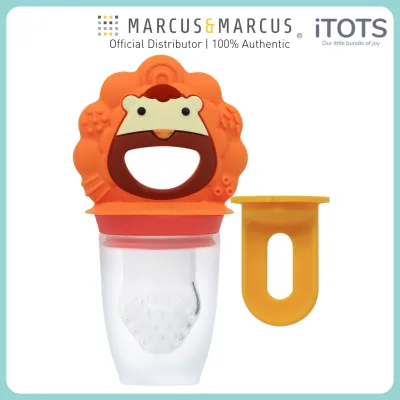
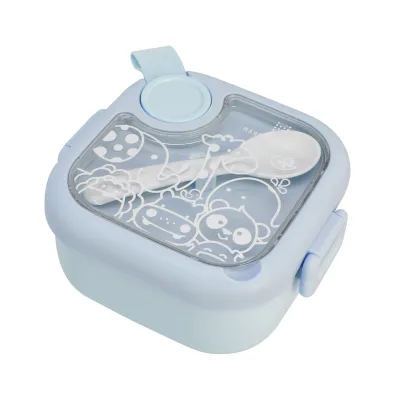
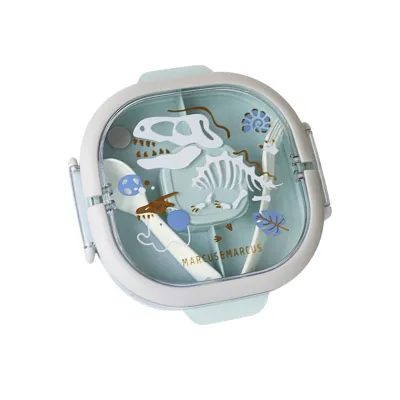
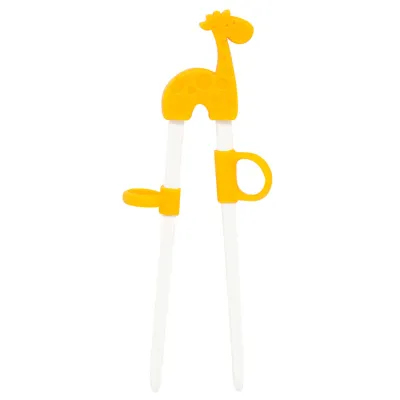
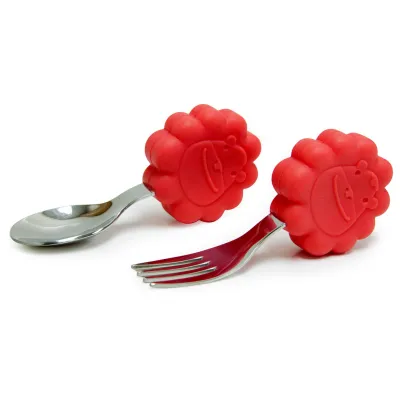
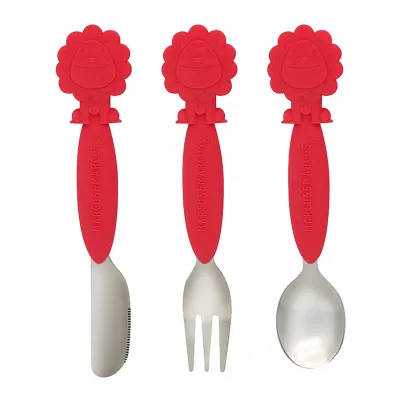
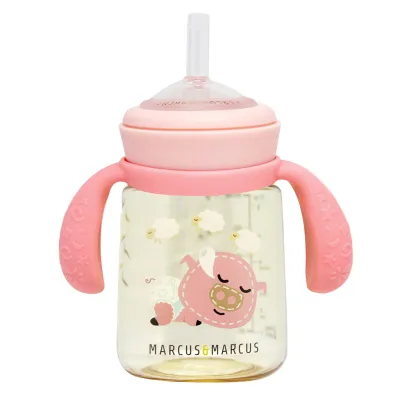
Prices are valid at publication and may change. Please refer to the product page for the latest price.
As your baby’s motor skills progress, their interaction with food will change, dictating the types of utensils and tableware they require. In the initial stage of weaning, babies rely entirely on caregivers to feed them. At this point, the primary goal is introducing new flavors and textures, meaning simple, shallow spoons and basic bowls are sufficient. However, as babies reach the seven-to-nine-month mark, they often develop a palmar grasp, using their entire hand to clutch objects. This is the stage where they will begin reaching for the spoon or attempting to grab food directly from the plate. Introducing suction bowls during this phase prevents the entire meal from being swiped onto the floor in a single, enthusiastic motion.
By the time babies reach ten to twelve months, they typically develop a refined pincer grasp, allowing them to pick up small pieces of food between their thumb and index finger. This milestone marks a significant shift toward self-feeding and baby-led weaning. At this stage, divided suction plates become highly beneficial, as they allow you to present a variety of finger foods—such as steamed vegetables, soft fruits, and small pieces of meat—in organized sections. This organization helps babies identify different textures and colors, encouraging sensory exploration. Matching your baby’s current mess level and mobility to the right product category ensures that you do not introduce complex tools before your baby has the motor skills to use them safely.
Selecting Marcus & Marcus Bibs by Age and Mess Level
Bibs are the first line of defense against the inevitable mess of infant feeding, but not all bibs are created equal. Understanding the differences between soft fabric bibs, silicone catch-pocket bibs, and disposable options is key to keeping your baby clean and comfortable. Soft fabric bibs, often made of cotton or terry cloth, are highly absorbent and ideal for the early drooling and teething phases. They are excellent for wiping away minor dribbles during bottle or breastfeeding. However, fabric bibs quickly saturate when exposed to wet purees, yogurts, or water, leading to damp clothing and potential skin irritation around the neck.

For active weaning, molded silicone bibs with a built-in catch pocket are highly effective. These bibs feature a wide, structured pocket that remains open even when the baby moves, successfully catching falling purees, solid crumbs, and spilled liquids. The smooth, non-porous surface of silicone prevents liquids from soaking through to the baby’s clothes and can be wiped clean in seconds. Disposable bibs, on the other hand, offer convenience during travel or dining out in busy shopping centers, as they can be discarded after use. However, they lack the structural integrity of silicone pockets and may not catch heavier food spills.
When selecting a bib, pay close attention to the neck closure design and adjustability. Babies grow rapidly, and a bib that is too tight can cause discomfort or restrict movement, while a loose bib will allow food to slip down the collar. Common closure types include hook-and-loop fasteners, snap buttons, and adjustable silicone button straps. While hook-and-loop fasteners are highly adjustable, they can lose their grip over time, scratch sensitive skin, or be easily pulled off by an active toddler. Snap buttons and silicone button straps offer a more secure, tamper-proof closure that grows with your baby’s neck circumference.
Always verify the manufacturer’s age recommendations and weight limits printed on the product packaging or official user guides. Some silicone bibs are designed with a stiffer structure suitable for older toddlers, while others are made of ultra-lightweight, flexible silicone designed specifically for younger infants who are just learning to sit. Choosing a bib that matches your baby’s physical size and current mess level ensures a comfortable fit that supports, rather than hinders, their self-feeding journey.
Choosing Weaning Tools: Suction Plates, Bowls, and Pouches
As your baby transitions to self-feeding, selecting the right tableware is crucial for fostering independence while minimizing household chaos. Suction plates and bowls are designed to adhere to flat surfaces, preventing babies from lifting, throwing, or tipping over their food. However, the effectiveness of any suction base depends heavily on the compatibility between the plate’s base and your highchair tray. Before purchasing, measure the flat, smooth surface area of your highchair tray. Many modern highchairs feature compact, curved, or textured trays that may not accommodate larger suction bases, preventing a proper vacuum seal from forming.
The choice between divided plates and open bowls should be guided by your baby’s feeding style and the types of food you are introducing. Open bowls are ideal for the early stages of weaning when purees, porridges, and mashed foods dominate the menu. The high, curved walls of a bowl provide a supportive surface against which babies can scoop food with a spoon, helping them develop early utensil coordination. Divided plates, conversely, are excellent for baby-led weaning and older toddlers. They allow you to separate different food groups, which is particularly helpful for babies who dislike their foods touching or those learning to distinguish between different tastes and textures.
Reusable food pouches represent another valuable tool in the weaning arsenal, particularly for active families on the go. These pouches are excellent for serving smooth purees, homemade yogurts, and fruit smoothies without the need for spoons and bowls. They support oral motor development by teaching babies how to coordinate their lips, tongue, and jaw to squeeze and suck food. When selecting reusable pouches, look for designs that feature a wide opening or a secure zipper bottom, making them easy to fill and, more importantly, thorough to clean. Ensure the pouch has a leak-proof cap and a sturdy design that can withstand repeated squeezing.
Safety, Material Checks, and Care Instructions
Ensuring the safety and hygiene of your baby’s feeding gear requires active vigilance and regular maintenance. While silicone is widely recognized for its durability and flexibility, parents must actively verify the safety standards of any product they bring into their home. Always inspect the physical product, packaging, or official manufacturer documentation to locate certified markings such as BPA-free, PVC-free, and phthalate-free labels. Do not rely on brand reputation alone; verify these safety indicators directly to ensure the materials are free from harmful chemical additives.
Before every single use, perform a thorough physical inspection of all bibs, plates, bowls, spoons, and pouches. Check silicone items for micro-tears, punctures, discoloration, or a sticky texture, which can indicate that the material is beginning to degrade. Fabric bibs should be inspected for loose threads, fraying seams, or signs of mold growth, especially around the neck seams where moisture tends to accumulate. If you notice any signs of wear, damage, or material breakdown, stop using the item immediately. Damaged silicone can tear further during use, creating small pieces that present a severe choking hazard to young children.
Proper cleaning and sterilization are essential to prevent the growth of bacteria and mold. Always follow the manufacturer’s specific guidelines regarding dishwasher safety, temperature limits, and sterilization methods. While many high-quality silicone products are top-rack dishwasher safe and can withstand boiling water or steam sterilization, some items may have plastic components, printed designs, or suction mechanisms that can degrade under extreme heat or UV exposure. Avoid using abrasive scrubbing pads or harsh chemical cleaners, which can scratch the silicone surface and create microscopic crevices where bacteria can thrive.
Store all dry weaning products in a cool, dry environment away from direct sunlight. Prolonged exposure to sunlight and humidity can weaken silicone and cause fabric bibs to develop mildew. If your baby experiences any persistent feeding difficulties, shows signs of an allergic reaction to materials, or if you suspect they have ingested a damaged part of a feeding tool, stop using the products immediately and consult a qualified pediatrician or healthcare professional.
Frequently Asked Questions (FAQ)
How do I test if a suction plate is secure enough for my highchair?
To verify the suction performance of a plate or bowl, start by thoroughly cleaning both the highchair tray and the suction base with warm, soapy water to remove any dust, grease, or food residue, then dry them completely. Press the plate firmly down from the center of the bowl or plate to force out all trapped air and create a vacuum seal. Conduct a supervised trial before placing food on the plate: gently pull up on the edges to see if the plate releases easily. Keep in mind that textured, wooden, matte, or highly curved highchair trays will prevent a proper vacuum seal, meaning the suction base will not function as intended.
Can I microwave Marcus & Marcus silicone bibs and plates?
Before placing any silicone feeding item in the microwave, you must locate and verify the microwave-safe icon—typically represented by three wavy lines—molded directly onto the bottom of the product or printed on the original packaging. Never microwave bibs, especially those featuring plastic fasteners, metal snaps, or adjustable straps that may contain non-silicone materials. Always check the manufacturer’s specified maximum temperature limits to avoid overheating. When warming food directly in silicone bowls, stir the food thoroughly afterward and test the temperature yourself before feeding your baby to prevent localized hot spots that could cause burns.
Community discussion
Share your experience or ask a question. Comments are reviewed before publication.