
Choosing between a manual and an electric baby nasal aspirator depends on your baby’s age, the frequency of their congestion, and your personal comfort with the device. Manual options, such as bulb syringes and tube-style aspirators, offer parent-controlled suction and silent operation, making them highly suitable for newborns and occasional use. Electric models provide consistent, motorized suction with adjustable settings, which can simplify the process when dealing with frequent or stubborn mucus.
Nasal congestion can be challenging for infants, who primarily breathe through their noses during their first few months of life. When mucus blocks their narrow nasal passages, it can interfere with their ability to feed comfortably and sleep soundly. Because babies cannot clear their own noses, parents must rely on external tools to help them breathe easier.
Selecting the right tool requires balancing effectiveness, ease of cleaning, and your baby’s comfort. Both manual and electric aspirators have distinct operational mechanisms, safety boundaries, and maintenance requirements. By understanding how these devices compare across practical daily scenarios, you can make an informed decision that fits your family’s routine.
Products mentioned in this guide
Prices are valid at publication and may change. Please refer to the product page for the latest price.
Understanding the Basics: How Manual and Electric Aspirators Work
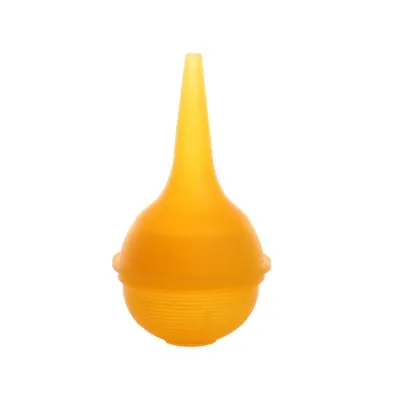
Manual bulb syringes are the most traditional option, featuring a simple squeeze-and-release vacuum mechanism. They are typically constructed from a single piece of rubber or silicone, with a bulbous body and a tapered tip. Squeezing the bulb expels the air inside, and releasing the pressure while the tip is placed at the nostril opening creates a vacuum that draws out loose mucus.
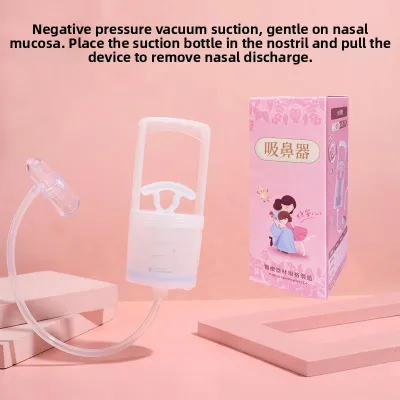
Manual tube-style aspirators, often referred to as parent-powered aspirators, use a different design that relies on your own breath. These devices consist of a soft silicone tip that rests against the baby’s nostril, a flexible plastic tube, and a mouthpiece for the caregiver. A disposable hygiene filter is placed inside the chamber to prevent mucus and bacteria from traveling up the tube toward the parent’s mouth.
Electric nasal aspirators utilize a small, battery-operated or USB-rechargeable motor to generate continuous suction. These devices feature a motorized base, a collection cup for mucus, and interchangeable silicone tips of various shapes and sizes. Instead of relying on manual squeezing or inhalation, you simply press a button to activate the suction, which remains steady until the device is turned off.
Key Comparison Factors for Baby Nasal Aspirators
When evaluating suction control, manual and electric models offer very different user experiences. Manual tube-style aspirators give you immediate, intuitive control over the suction strength, allowing you to adjust your inhalation force instantly based on your baby’s comfort. Electric models, on the other hand, offer pre-set suction levels that you can adjust with a button, providing a consistent flow that does not depend on your lung capacity.

Cleaning and maintenance routines vary significantly between these device types and impact long-term hygiene. Traditional bulb syringes can be difficult to clean thoroughly because their opaque, one-piece design makes it hard to see inside or dry the interior completely, which can lead to mold growth. In contrast, modern tube-style and electric aspirators are designed to be disassembled completely, allowing you to wash the silicone tips and collection chambers with warm, soapy water.
Portability and noise levels are crucial considerations for parents who need to clear their baby’s nose on the go or during the night. Manual aspirators are lightweight, compact, and require no power source, making them highly convenient to pack in a diaper bag. Electric models are heavier and require charged batteries or a USB power source, and their motors produce a humming sound and vibration that might startle a sleeping or sensitive infant.
Cost considerations involve both the initial purchase price and ongoing maintenance expenses. Manual aspirators are highly budget-friendly, with basic bulb syringes and tube-style models typically costing between S$10 and S$20. Electric aspirators represent a larger upfront investment, often ranging from S$30 to over S$80, and you may also need to factor in the recurring cost of replacement batteries, specialized silicone tips, or disposable hygiene filters depending on the model.
Matching the Aspirator to Your Baby's Age and Congestion
Newborns have extremely delicate nasal passages and require the gentlest possible handling. For babies in their first few weeks, a manual tube-style aspirator is often preferred because it allows you to apply incredibly soft, controlled suction. It is essential to verify that the silicone tip you use is specifically sized for newborns to prevent inserting it too far into their tiny nostrils.
As infants grow into active toddlers, their tolerance for nasal clearing often decreases, and they may wiggle or resist the process. In these situations, the speed and consistency of an electric aspirator can be highly advantageous, allowing you to clear mucus quickly before your child pulls away. The interchangeable tips included with electric models also accommodate growing nasal passages more effectively than a standard bulb syringe.
The severity and consistency of the mucus should also guide your choice of device. Mild, watery congestion from temperature changes or minor irritants can be easily managed with a quick manual suctioning session. However, thick, stubborn mucus caused by a cold may require sustained suction that is difficult to maintain manually; in such cases, an electric model can provide the continuous power needed, especially when paired with saline drops to loosen the blockage first.
Safety, Hygiene, and When to Stop Using
To protect your baby’s delicate nasal lining, you must observe strict usage frequency limits. Suctioning too often can cause irritation, swelling, and inflammation of the nasal membranes, which can actually worsen your baby’s congestion. As a general guideline, limit nasal suctioning to three or four times a day, focusing on key times such as right before feedings or bedtime to help your baby breathe comfortably.
Maintaining strict hygiene protocols is essential to prevent the reintroduction of bacteria or the growth of mold. Always wash all removable parts of the aspirator immediately after each use according to the manufacturer’s instructions. If you are using a tube-style or electric model that requires disposable filters, check and replace them regularly to ensure the device remains sanitary and functions at its optimal suction capacity.
Knowing when to stop using an aspirator and seek professional medical advice is critical for your baby’s safety. Stop suctioning immediately if you notice any signs of nasal bleeding, tissue redness, or if your baby shows extreme distress during the process. If your baby’s congestion is accompanied by a high fever, rapid or labored breathing, persistent coughing, or if symptoms do not improve after a few days, consult a pediatrician or healthcare professional right away.
How to Make Your Final Decision
You should choose a manual nasal aspirator if you are looking for an affordable, completely silent, and highly portable option for occasional use. It is an excellent choice for parents of newborns who want complete, breath-controlled authority over the suction strength to ensure the gentlest possible care.
You should choose an electric nasal aspirator if your baby experiences frequent or heavy congestion and you prefer a device that provides consistent, continuous suction without manual effort. This option is highly suitable for older infants and toddlers who require quick, efficient clearing sessions and are not bothered by motor noise.
Before making your purchase, always verify the manufacturer’s specifications regarding age suitability, tip sizes, and cleaning requirements. If your baby was born prematurely, has a history of respiratory issues, or has highly sensitive nasal passages, consult your pediatrician to determine the safest nasal clearing method for your child’s specific health needs.
Frequently Asked Questions (FAQ)
Is it safe to use a nasal aspirator on a newborn?
Yes, using a nasal aspirator on a newborn is safe as long as you strictly follow the manufacturer’s age guidelines and safety instructions. Newborn nasal passages are incredibly delicate, so you must verify that the device features a soft, flexible silicone tip specifically sized for newborns to avoid tissue damage. Always consult your pediatrician before using an aspirator for the first time, particularly if your baby was born prematurely or has underlying respiratory conditions.
How many times a day can I use a baby nasal aspirator?
It is generally recommended to limit the use of a baby nasal aspirator to three or four times a day to prevent irritating the delicate nasal lining. Over-suctioning can lead to swelling, inflammation, and minor bleeding, which can make nasal congestion worse rather than better. Always check your specific product’s label for frequency limits, and stop using the device immediately if you observe any redness, swelling, or blood in the mucus.
Do electric nasal aspirators have enough suction for thick mucus?
The effectiveness of an electric nasal aspirator on thick mucus depends on the specific device’s motor specifications and achieving a proper seal with the silicone tip. Some electric models may require you to loosen thick mucus first using a few drops of saline solution. Always consult the user manual to check if your specific model is designed to handle thick congestion, and follow the recommended operating instructions for the best results.
Community discussion
Share your experience or ask a question. Comments are reviewed before publication.