
Selecting the right commercial baby food requires a clear understanding of what goes into each jar or pouch. Baby food products, such as those from the Maeil product lines, generally feature a balanced mix of carbohydrates, proteins, essential fats, and fortified vitamins designed to support your infant’s rapid growth. Because nutritional needs shift dramatically during a child’s first year, the exact composition of these products varies depending on the specific product line, batch, and developmental stage.
To ensure your baby receives optimal nutrition, you must learn how to evaluate these products using the ingredient lists and nutrition panels on the packaging. Relying on general brand reputation is not enough; verifying the specific nutrients, portion sizes, and allergen warnings on each individual package is the most reliable way to support your child’s dietary health. By understanding how to decode these labels, you can confidently choose options that align with your baby’s current developmental milestones.
Core Nutritional Categories in Maeil Baby Food
Commercial baby food lines are formulated to provide the essential macronutrients and micronutrients necessary for early physical and cognitive development. Carbohydrates serve as the primary energy source for active infants. In these formulations, carbohydrates are typically derived from easily digestible grains like rice and oats, as well as natural sugars found in fruit purees. These ingredients provide the fuel your baby needs for daily movement, play, and metabolic functions.
Products mentioned in this guide
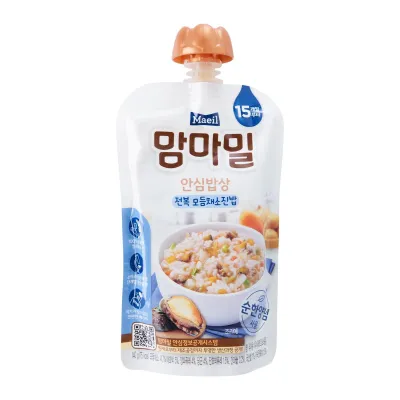
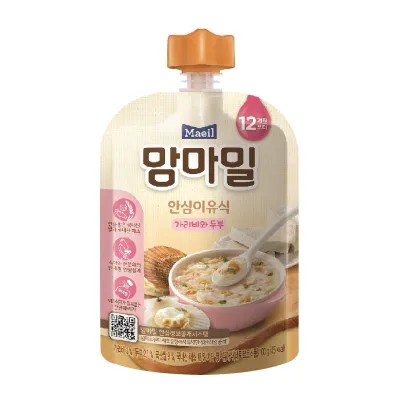
![[Bundle of 3] Maeil Mamma Meal Scallop and Tofu porridge/ Abalone & Mixed Veggies 100 Grams](https://img.lazcdn.com/g/p/a5609b2f7cf39e05fc1100df08adfc94.png_400x400q80.png_.webp)
![[SG Stock] Maeil Yommy Yommy Pinkfong Babyshark Mini Pop 25g (Triple Cheese Baked Corn Strawberry Yogurt)](https://img.lazcdn.com/g/p/f67cb49064b26a7faf902e886efd3dde.jpg_400x400q80.jpg_.webp)
Prices are valid at publication and may change. Please refer to the product page for the latest price.
Proteins and healthy fats represent another critical category on the nutrition label. As your baby transitions from an all-milk diet to solids, incorporating diverse protein sources becomes essential for muscle growth and tissue repair. Look for products that include finely pureed meats, tofu, or legumes to meet these needs. Healthy fats, which are vital for brain development and the absorption of fat-soluble vitamins, are often sourced from vegetable oils or naturally occur within the protein ingredients themselves.
Vitamins and minerals are frequently fortified in commercial baby foods to prevent common nutritional deficiencies. Iron is particularly crucial, as an infant’s natural iron stores begin to deplete around six months of age. Many grain-based baby foods are fortified with iron, calcium, and zinc to support bone density and immune function. Additionally, vitamins A, C, and E are commonly present through the inclusion of diverse vegetable and fruit ingredients, helping to support vision and skin health.
How to Read the Maeil Ingredient List and Nutrition Label
Navigating the nutrition label on a baby food package is a vital skill for any parent. Start by locating the serving size and total calorie information, which are usually displayed clearly at the top of the nutrition facts panel. Serving sizes for baby food can vary significantly between pouches, jars, and snack packs. Understanding the portion size helps you calculate exactly how many calories and nutrients your baby consumes in a single sitting, preventing overfeeding or underfeeding.

Next, examine the ingredient list, which is organized in descending order by weight. The first three ingredients listed represent the bulk of the product. If you are purchasing a vegetable blend, for example, a vegetable should ideally be listed before water or thickeners. Checking this order allows you to verify whether a product is genuinely packed with nutrient-dense ingredients or if it relies heavily on water and starches to build volume.
Finally, scrutinize the label for hidden sugars, sodium, and unnecessary additives. Infants do not require added salt or sugar, and introducing these ingredients early can shape unhealthy taste preferences. Look closely at the ingredient list for terms like cane sugar, fruit juice concentrate, or sodium chloride. Opting for products that contain only whole-food ingredients and minimal processing helps ensure your baby’s diet remains clean and supportive of long-term health.
Matching Nutrients to Your Baby's Developmental Stage
An infant’s nutritional requirements and physical capabilities change rapidly, making it essential to match baby food products to their specific developmental stage. Stage 1 products, typically introduced around six months of age, are designed for babies just beginning their solids journey. These products focus on single-ingredient purees, such as simple pear, pumpkin, or iron-fortified single-grain rice cereal. The primary goal at this stage is to introduce gentle flavors and identify any immediate food sensitivities.
As your baby reaches Stage 2, usually between seven and nine months, their digestive system and oral motor skills become more robust. This stage introduces mixed-ingredient purees that combine fruits, vegetables, and proteins, such as chicken with sweet potato. The textures are slightly thicker than Stage 1 purees, helping your baby practice swallowing more complex consistencies. This period is excellent for expanding your baby’s palate and introducing a wider variety of vitamins and minerals.
Stage 3 products, designed for infants aged ten months and older, prepare your child for the transition to family meals. These options feature chunkier textures, soft pieces of vegetables or grains, and more complex carbohydrate sources. Balanced meals at this stage encourage active chewing and self-feeding, which are crucial for jaw development and fine motor skills. Ensuring these meals contain a balanced ratio of protein, complex carbohydrates, and healthy fats will keep your growing toddler satisfied and energized.
Safety Checks: Allergens, Additives, and Texture Progression
Prioritizing safety when introducing commercial baby food involves careful screening for potential allergens and physical hazards. Always scan the packaging for common allergens such as dairy, soy, wheat, eggs, fish, and nuts. Many manufacturers include a dedicated allergen warning box below the ingredient list to highlight potential cross-contamination risks. If your family has a history of allergies, or if your baby shows signs of sensitivity, introduce new ingredients one at a time and monitor them closely.
Verifying the absence of artificial additives is another essential step in maintaining a safe diet. High-quality baby foods should be free from artificial colors, artificial flavors, and chemical preservatives. Instead, look for products that utilize natural preservation methods, such as citric acid or hot-fill packaging processes. Minimizing exposure to synthetic additives supports your baby’s developing digestive system and ensures they receive pure, unadulterated nutrition.
Lastly, always match the product’s stated texture stage with your baby’s current oral motor skills. Even if a product is labeled for a specific age range, every baby develops at their own pace. If your baby struggles with swallowing, gags excessively, or shows signs of distress, revert to smoother textures and consult a pediatrician or a qualified feeding specialist. Never leave your baby unattended during meals, and always supervise their eating to prevent choking hazards.
Frequently Asked Questions (FAQ)
Can I mix Maeil baby food with breast milk or formula?
Yes, you can mix commercial baby food, especially dry cereals or thick purees, with breast milk or prepared infant formula. This is an excellent way to thin out the texture for babies who are just starting solids, making the transition easier. Using familiar milk also provides a comforting, recognizable taste while adding extra calories, healthy fats, and essential nutrients to the meal. Always ensure the breast milk or formula is prepared safely according to standard guidelines before mixing.
How should I store opened Maeil baby food pouches or jars?
Once opened, commercial baby food must be handled carefully to prevent bacterial growth, especially in warm and humid climates like Singapore. Always seal the opened pouch or jar tightly and store it in the refrigerator immediately. Most manufacturers recommend consuming refrigerated baby food within 24 to 48 hours of opening. If you feed your baby directly from the container, discard any leftovers, as saliva can introduce bacteria that cause rapid spoilage.
Community discussion
Share your experience or ask a question. Comments are reviewed before publication.