
Selecting the right changing mat is a key decision when setting up a nursery in Singapore, where space efficiency and tropical humidity play significant roles in product longevity. A Lucky Baby changing mat generally serves as a practical, budget-friendly option designed for basic daily needs, offering standard features like wipeable surfaces and contoured edges. However, because individual family requirements, nursery layouts, and budgets vary, there is no single universal option that suits every home. While Lucky Baby provides accessible solutions for secondary changing stations or straightforward setups, alternative brands may be more appropriate if you require specialized ergonomic support, premium organic materials, or ultra-compact designs for frequent travel. By evaluating your specific space constraints, usage frequency, and safety requirements, you can make an informed choice that ensures comfort for your baby and convenience for your daily routine.
Core Dimensions for Comparing Changing Mats
To make an objective comparison between Lucky Baby and alternative brands, parents should evaluate several core design dimensions. The first critical factor is material composition and wipeability. In Singapore’s warm and humid climate, a changing mat must have a water-resistant, non-porous outer layer that can be easily wiped clean and sanitized. Materials that trap moisture or have deep crevices can become breeding grounds for mold and bacteria, making smooth, high-quality polyurethane (PU) or polyvinyl chloride (PVC) coatings highly desirable for daily hygiene.
Another essential dimension is the thickness and density of the inner foam. A changing mat needs to provide sufficient cushioning to protect your baby from the hard surface of a changing table or chest of drawers. Low-density foam may compress completely under a baby’s weight, offering minimal support, whereas high-density foam or specialized memory foam maintains its structure over time, ensuring consistent comfort during diaper changes.
Products mentioned in this guide
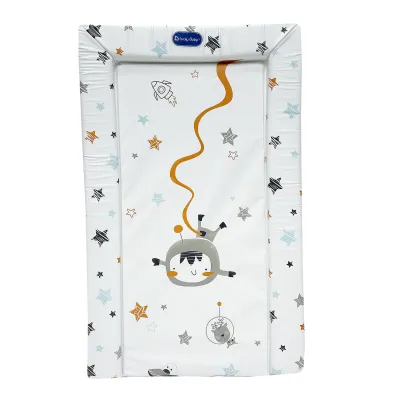
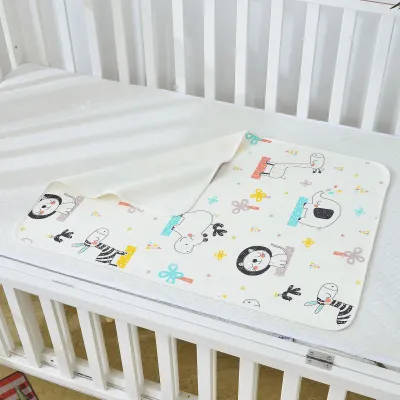
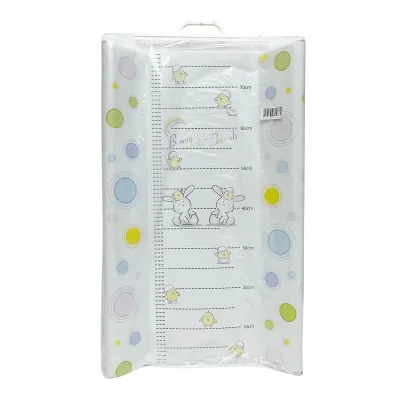

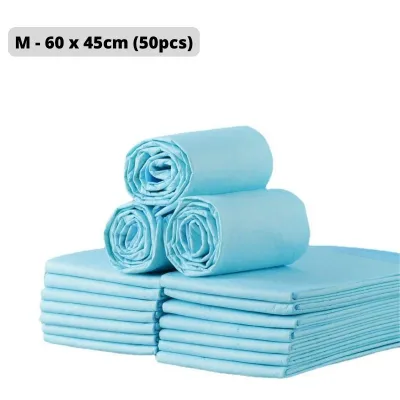
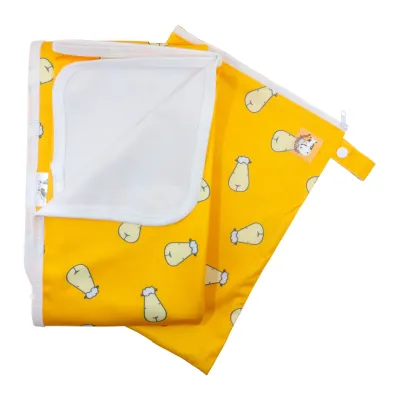
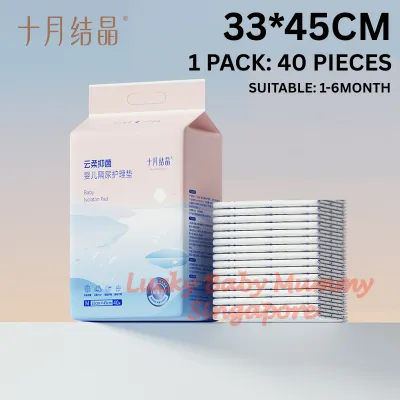
Prices are valid at publication and may change. Please refer to the product page for the latest price.
Safety features represent a non-negotiable dimension of any changing mat. Look for contoured edges, often referred to as wedge or 3D designs, which gently slope upward on the sides to help keep your baby centered on the mat. Additionally, integrated safety straps with secure buckles and non-slip bases or grip pads on the underside help prevent the mat from sliding across smooth wooden or laminated furniture surfaces during active diaper changes.
Finally, consider the portability, foldability, and overall storage footprint of the mat. For families living in compact HDB flats or apartments, a bulky, rigid changing mat might take up too much permanent space. Foldable travel mats or lightweight, flexible designs that can be tucked away into a drawer or hung behind a door offer valuable space-saving benefits, whereas thick, contoured foam mats are better suited for dedicated, permanent changing stations.
What to Expect from Lucky Baby Changing Mats
Lucky Baby is a well-established brand in the Singapore baby care market, known for offering practical and accessible nursery essentials. When looking at their changing mat lineup, parents will typically find two main design styles: standard contoured foam mats and flat, foldable travel mats. The contoured models generally feature raised sides to assist with positioning, while the travel mats focus on lightweight, roll-up, or fold-up designs that fit easily into a diaper bag for outings.

In terms of market positioning, Lucky Baby products are generally categorized as budget-to-mid-tier options. They are designed to provide reliable, everyday functionality without the premium price tag associated with high-end European or American nursery brands. This makes them highly popular among parents who want a straightforward, functional solution for their primary nursery or a cost-effective secondary mat to keep at a grandparent’s home.
When purchasing a Lucky Baby changing mat, it is important to verify the specific product specifications on the packaging or the manufacturer’s official product sheets. Pay close attention to the material type used for the outer cover to ensure it is free from harmful phthalates, and check the recommended weight limits. Because babies grow rapidly during their first year, verifying that the mat’s dimensions and weight capacity align with your baby’s current developmental stage is essential for safe, long-term use.
Comparing Lucky Baby to Other Brand Categories
When comparing Lucky Baby to premium ergonomic brands, the primary differences lie in material sophistication and structural support. Premium brands often utilize advanced materials like medical-grade silicone, organic cotton covers, or high-density memory foam that conforms to the baby’s body shape. These high-end options may also feature seamless, molded designs that eliminate stitched seams entirely, reducing the risk of liquid penetration and bacterial growth. In contrast, a standard Lucky Baby mat typically uses traditional foam padding with stitched or heat-sealed vinyl covers, which provides adequate basic comfort but lacks the specialized pressure relief and seamless construction of premium models.
For parents who prioritize mobility, comparing Lucky Baby’s standard foldable mats against dedicated travel brands reveals distinct design priorities. Specialized travel brands often focus on ultra-lightweight, compact, and highly packable designs, sometimes incorporating built-in pockets for diapers and wipes or using advanced water-repellent fabrics that dry almost instantly. While Lucky Baby travel mats are highly functional for occasional trips to local shopping malls, dedicated travel-specific brands may offer superior space efficiency and convenience for parents who frequently commute, travel long distances, or require a highly streamlined diaper bag setup.
When comparing Lucky Baby to other budget-friendly brands available in local baby fairs or online marketplaces, the focus should shift to quality control and safety certifications. Many generic or unbranded budget mats are widely available, but they may lack clear labeling regarding chemical safety or material durability. Lucky Baby, as an established brand, offers a level of consistency where parents can easily verify product origins and safety guidelines. When evaluating similarly priced budget options, always inspect the seam durability, the thickness of the outer waterproof layer, and the presence of clear safety labels to ensure you are not sacrificing structural integrity for a slightly lower price.
Essential Safety and Maintenance Verifications
Regardless of the brand you choose, performing regular safety and maintenance checks is vital to ensure your baby’s well-being. Before using any changing mat for the first time, locate and read the physical product label. Look for certifications indicating that the materials are non-toxic and free from harmful substances like lead, phthalates, and flame retardants. Because babies have sensitive skin and are in direct contact with the mat, verifying these material safety standards provides peace of mind.
Next, physically inspect the structural integrity of the mat. Check all seams, heat seals, and strap attachments to ensure there are no loose threads, tears, or weak points. If the mat includes a safety strap, test the buckle mechanism several times to ensure it latches securely and does not release under light tension. Any sign of splitting seams or peeling outer material should be addressed immediately, as exposed inner foam can absorb liquids, leading to mold growth that is impossible to clean.
Proper maintenance is key to extending the lifespan of your changing mat and maintaining a hygienic environment. Always follow the manufacturer’s specific cleaning instructions, which typically recommend wiping the surface with a damp cloth and mild, baby-safe soap. Avoid using harsh chemical cleaners, bleach, or abrasive scrubbing pads, as these can degrade the waterproof coating, cause the material to crack, and strip away protective finishes. If a mat becomes deeply stained, develops a persistent odor, or shows signs of material degradation, stop using it immediately and replace it to prevent hygiene risks.
Decision Framework: Choosing the Right Mat for Your Nursery
To finalize your decision, consider how each option aligns with your specific household needs, space constraints, and lifestyle. A Lucky Baby changing mat is an excellent, cost-effective choice if you need a standard, reliable mat for daily use, or if you are setting up a secondary changing station in a multi-story home or at a caregiver’s residence. Its straightforward design and accessible price point make it highly practical for parents who prefer a functional, no-frills setup.
On the other hand, you may want to invest in premium alternative brands if your baby requires extra physical support, has highly sensitive skin, or if you prefer a seamless, modern aesthetic that integrates perfectly with high-end nursery furniture. These premium models are also ideal if you want a mat that can withstand heavy, continuous use across multiple children without showing signs of wear.
If your lifestyle involves frequent travel, outdoor activities, or navigating public transport in Singapore, prioritizing dedicated travel brands with ultra-compact, lightweight, and multi-functional designs will offer the greatest convenience. These mats are specifically engineered to minimize bulk in your diaper bag while providing a clean, familiar surface for your baby on the go.
Before making any purchase, always measure your changing table or dresser surface to verify that the specific changing mat model fits securely within the designated area. Ensure that the mat does not overhang the edges of the furniture and that any included safety straps can be properly anchored according to the manufacturer’s instructions. Remember that a changing mat is only safe when used on a stable, flat surface under constant, active adult supervision.
Frequently Asked Questions (FAQ)
Is a contoured changing mat safer than a flat one?
Contoured changing mats feature raised, sloping sides designed to help keep your baby centered and reduce lateral movement during diaper changes. While this design provides helpful physical boundaries, flat changing mats can also be used safely, especially when equipped with safety straps and non-slip bases. It is crucial to remember that neither contoured edges nor safety straps can prevent a baby from rolling or falling if left unattended. Active, hands-on caregiver supervision is required at all times during diaper changes, regardless of the mat’s shape or design features.
How do I know when it is time to replace a changing mat?
You should inspect your changing mat regularly for visible signs of wear and tear. Key indicators that it is time for a replacement include cracked or peeling outer waterproof layers, split seams that expose the inner foam, broken or frayed safety straps, and deep stains or persistent odors that cannot be removed through standard cleaning. Exposed foam can trap moisture, urine, and bacteria, posing a hygiene risk to your baby’s sensitive skin. If the mat’s structural integrity is compromised, stop using it immediately to ensure a safe changing environment.

Community discussion
Share your experience or ask a question. Comments are reviewed before publication.