
Introducing solid foods is a significant milestone in your baby’s first year of life, marking a transition from an exclusively liquid diet to a world of diverse flavors and textures. This process, known as weaning, is not a sudden shift but a gradual progression that supports your baby’s physical, oral, and digestive development. Finding the right foods that align with each developmental phase helps ensure that your baby builds a healthy relationship with food while receiving the necessary nutrition.
Little Blossom baby food products are designed to support families through this transition, offering options that range from smooth, single-ingredient purees to easily dissolvable finger foods and toddler-friendly snacks. Matching these products to your baby’s current stage requires looking beyond chronological age and focusing closely on individual developmental milestones, such as head control, the ability to sit upright, and the emergence of the pincer grasp. By understanding your baby’s physical readiness, you can select the appropriate product categories to make weaning a safe, positive, and nutritionally balanced experience.
In Singapore’s fast-paced environment, parents often seek convenient, clean, and nutrient-dense options that fit seamlessly into busy daily schedules. Little Blossom provides packaged options that prioritize organic ingredients and avoid artificial additives, making them a popular choice for local families. This guide breaks down the weaning journey stage by stage, helping you identify which Little Blossom products are suitable for your baby’s current abilities and how to introduce them safely.
Products mentioned in this guide
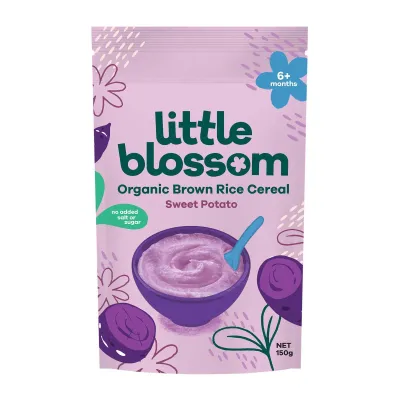
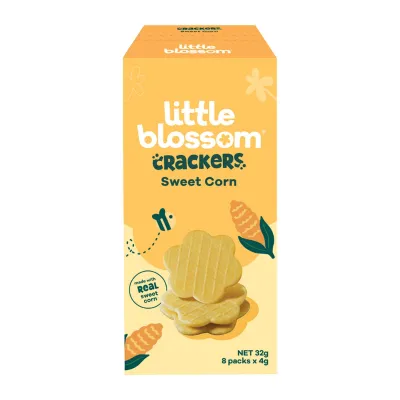
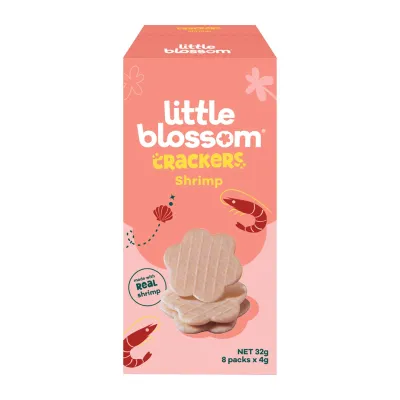
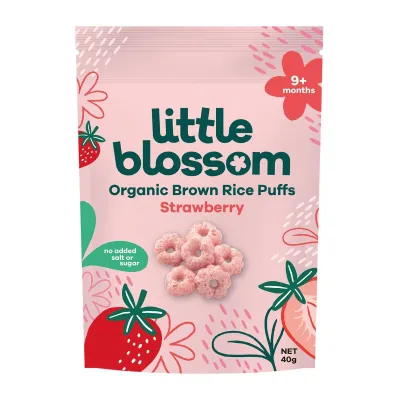
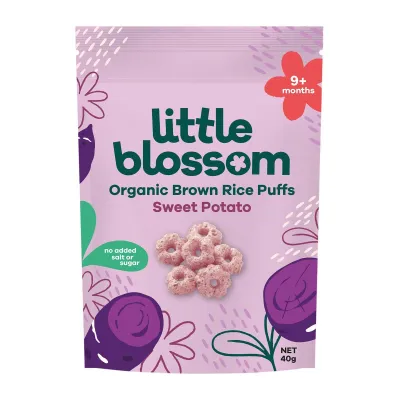
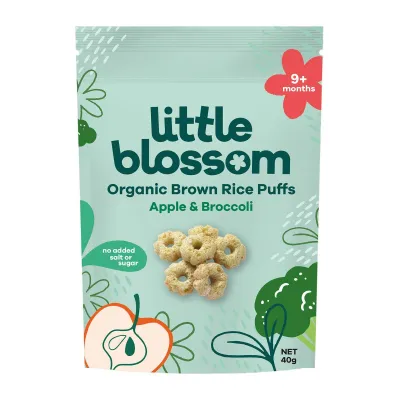
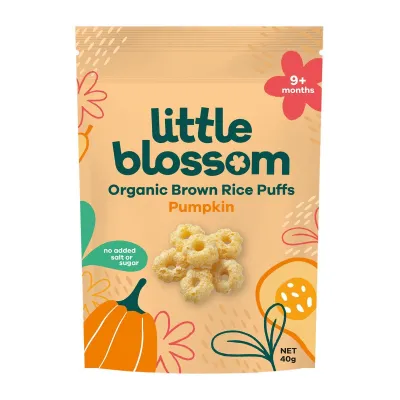
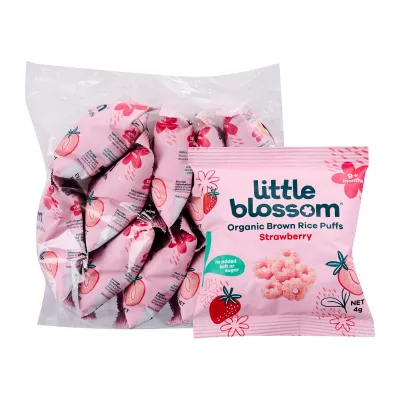
Prices are valid at publication and may change. Please refer to the product page for the latest price.
Quick-Start Guide: Matching Little Blossom Products to Weaning Stages
Weaning is a highly individualized process that moves at your baby’s unique pace, transitioning from simple, liquid-like textures to complex, solid table foods. To help you quickly identify which Little Blossom products align with your baby’s current developmental stage, the following table maps out typical age ranges, key texture goals, and the corresponding product categories to look for when shopping.
| Weaning Stage | Typical Age Range | Texture Goal | Little Blossom Product Types to Look For |
|---|---|---|---|
| Stage 1: First Tastes | Around 6 Months | Smooth, runny, single-ingredient purees | Single-ingredient organic fruit and vegetable purees (e.g., pear, pumpkin) |
| Stage 2: Flavor Exploration | 7 to 8 Months | Thicker, mashed blends with multiple ingredients | Mixed-ingredient fruit and vegetable purees, grain-infused blends |
| Stage 3: Self-Feeding | 9 to 12 Months | Soft, easily dissolvable finger foods and small chunks | Organic brown rice puffs, freeze-dried fruit melts, soft rice cakes |
| Stage 4: Toddler Transition | 12 Months and Beyond | Soft table foods, toddler biscuits, and complex snacks | Toddler biscuits, organic mini puffs, whole grain toddler snacks |
Please keep in mind that these age ranges are approximate guidelines rather than strict rules. Every baby develops at their own pace, and physical readiness signs are far more reliable indicators of safety and comfort than the calendar. Always inspect the specific product packaging for age or stage indicators, watch your baby closely for signs of developmental readiness, and consult your pediatrician or a qualified healthcare professional before introducing new foods or transitioning to a new weaning stage.
Stage 1 (Around 6 Months): Smooth Purees for First Tastes
The initial phase of weaning is focused on introducing your baby to the mechanics of swallowing solid food rather than providing substantial caloric intake. At around six months of age, breast milk or formula remains the primary source of nutrition, while solid foods serve as a sensory introduction to new tastes and a way to practice oral motor skills.

Recommended Product Types for Stage 1
For babies starting their weaning journey, the ideal texture is completely smooth, runny, and free of any lumps. Little Blossom’s single-ingredient organic fruit and vegetable purees, such as apple, pear, or pumpkin, are specifically formulated for this earliest stage. These single-ingredient options are highly recommended because they allow you to isolate individual flavors and monitor your baby’s digestive response to each new food.
Physiologically, babies at this stage are transitioning away from the tongue-thrust reflex, which naturally pushes solid objects out of the mouth. A very smooth, liquid-like puree is easy for them to move to the back of the throat and swallow safely without gagging. Starting with simple, mild-tasting vegetables or fruits helps ease their sensitive digestive systems into processing complex nutrients.
What to Verify on the Packaging
When purchasing Stage 1 products, it is vital to carefully inspect the ingredient list on the back of the packaging. Verify that the product contains only the primary fruit or vegetable and water, with no added sugars, salts, artificial preservatives, or unnecessary starches and thickeners. Reputable brands like Little Blossom formulate their infant range to keep ingredients as simple and clean as possible, but making a habit of checking the label ensures you know exactly what your baby is consuming.
Additionally, look for a clear “Stage 1” or “6 Months+” label on the front of the packaging to confirm the product’s suitability for beginners. Before offering any puree, ensure your baby is showing key signs of readiness: sitting upright with minimal support, holding their head steady without tilting, and showing active interest in the food on your plate. If your baby cannot maintain an upright sitting posture or continues to push food out of their mouth with their tongue, they may not be ready, and you should consult your pediatrician.
Stage 2 (7 to 8 Months): Thicker Blends for Exploring Flavors
Once your baby has successfully accepted smooth, single-ingredient purees and shown no signs of adverse reactions, they are ready to transition to more complex flavor profiles and slightly thicker textures. This stage typically occurs between seven and eight months of age, as your baby’s oral motor skills begin to mature.
Recommended Product Types for Stage 2
During Stage 2, look for Little Blossom’s mixed-ingredient purees, which combine multiple fruits and vegetables or introduce a grain base such as organic oats, quinoa, or brown rice. Examples of these blends include combinations like apple and spinach, or sweet potato and pear infused with oats. These products offer a slightly thicker, mashed consistency compared to the watery purees of Stage 1.
These thicker blends play a crucial role in your baby’s physical development by encouraging them to use their tongue to move food laterally inside the mouth. This lateral movement is a foundational skill for chewing. The inclusion of grains also introduces a slightly textured mouthfeel, helping your baby get accustomed to foods that require a bit more effort to swallow, which prepares them for soft table foods later on.
Transitioning Safely
Introducing multi-ingredient blends requires a cautious approach to manage potential food allergies. Before offering a Little Blossom blend that contains multiple ingredients, ensure that your baby has already tried and safely tolerated each individual ingredient on its own. For instance, if you are introducing an apple and spinach blend, your baby should have previously consumed plain apple puree and plain spinach puree without any adverse reactions.
When serving these thicker blends, monitor your baby closely for any signs of allergic reactions, such as hives, swelling, vomiting, or sudden changes in bowel movements. Always check the packaging for texture descriptors like “mashed,” “thicker,” or “Stage 2” to ensure the consistency aligns with your baby’s current swallowing ability. If your baby struggles with the thicker texture, you can thin it slightly with a splash of breast milk or warm water before gradually increasing the thickness in subsequent feedings.
Stage 3 (9 to 12 Months): Finger Foods and Chunkier Textures
Between nine and twelve months, babies experience a rapid surge in motor skills, including the development of the pincer grasp—the ability to pick up small objects using the thumb and index finger. This is an exciting phase where babies actively seek independence and want to feed themselves, making it the perfect time to introduce safe, self-feeding options.
Recommended Product Types for Stage 3
For this stage, Little Blossom’s range of dry, melt-in-the-mouth snacks is highly suitable. These include organic brown rice puffs, freeze-dried fruit melts, and soft rice cakes. These snacks are specifically designed to support self-feeding because they are small enough for little fingers to grasp, yet engineered to dissolve rapidly when they come into contact with saliva.
This rapid dissolution is a critical safety feature. It allows older babies to practice the physical coordination of bringing food to their mouths and simulating chewing motions, without the high choking risks associated with hard, solid foods. These snacks help bridge the gap between purees and actual table foods, building your baby’s confidence in handling different textures.
Encouraging Self-Feeding Safely
To encourage self-feeding, place a few Little Blossom organic rice puffs directly onto a clean highchair tray. This allows your baby to focus on targeting the puffs, picking them up, and navigating them to their mouth. Start with just two or three pieces at a time to prevent your baby from putting too many snacks into their mouth at once, which can lead to gagging.
Safety Warning: Active adult supervision is mandatory during all feedings. Your baby must always sit fully upright in a secured highchair while eating finger foods; never allow them to crawl, walk, or lie down while consuming snacks. Always check the product packaging for specific age recommendations, typically labeled as “9 Months+” or “10 Months+”. Avoid giving your baby hard, non-dissolvable snacks, such as whole nuts, raw carrot sticks, or hard crackers, as these present severe choking hazards and are not formulated for infants.
Stage 4 (12 Months and Beyond): Toddler Snacks and Family-Style Meals
By the time your child reaches their first birthday, they are transitioning from babyhood into toddlerhood. At this stage, their nutritional needs expand, and they are capable of eating a wider variety of soft, family-style meals. Packaged foods shift from being the primary meal to serving as convenient, nutrient-dense snacks that complement a balanced diet.
Active toddlers burn a significant amount of energy as they learn to walk and explore their surroundings. Consequently, they require small, frequent meals and snacks throughout the day to sustain their energy levels. Little Blossom’s toddler-focused products, such as organic toddler biscuits and mini puffs, are designed to offer clean energy without the high sodium and sugar content found in standard adult snacks.
When choosing toddler snacks, prioritize labels that indicate the use of whole grains, iron-fortified ingredients, and natural sweeteners like real fruit pieces rather than cane sugar or corn syrup. In Singapore’s tropical climate, where families are frequently on the move, these portion-controlled, resealable snack packs provide a practical solution for maintaining your toddler’s nutrition during outings to the park or mall.
However, it is important to remember that packaged toddler snacks should complement, not replace, fresh and balanced main meals. Your toddler’s primary diet should consist of a variety of whole foods, including fresh vegetables, fruits, lean proteins, and whole grains prepared with minimal salt. Use toddler snacks as a convenient supplement for busy days rather than a substitute for freshly prepared family meals.
How to Read Little Blossom Labels for Allergens and Safety
As a parent, learning to thoroughly read and interpret product labels is one of the most effective ways to safeguard your baby’s health. Packaged baby foods, including those from Little Blossom, contain valuable information on the back of the box or pouch that details ingredients, potential allergens, nutritional values, and safe storage practices.
- Allergen Declarations: Look closely at the bottom of the ingredient list for bolded allergen warnings, such as "Contains: Wheat" or "May contain traces of milk and soy." The "may contain" statement indicates that the product was manufactured in a facility that also processes those allergens, which is crucial information if your baby has a known food allergy or severe eczema. If your family has a history of severe allergies, always discuss these labels with your pediatrician or a pediatric allergist before introducing the product.
- Nutritional Information Panel: Examine the sugar and sodium content per serving. While reputable infant brands like Little Blossom do not add table salt or cane sugar to their products, some baby foods may contain high amounts of natural sugars from concentrated fruit juices. Checking the panel ensures you are maintaining a healthy balance of savory and sweet flavors in your baby's diet, preventing a early preference for overly sweet foods.
- Storage and Expiry Instructions: Always check the best-before date before purchasing or serving. For puree pouches, follow the manufacturer's post-opening instructions carefully. Typically, opened pouches must be capped, stored in the refrigerator immediately, and consumed within 24 hours to prevent the growth of harmful bacteria. If you plan to save a portion of a puree pouch for later, squeeze the desired amount onto a clean spoon or bowl rather than letting your baby suck directly from the nozzle, as saliva introduced into the pouch can accelerate bacterial spoilage.
- Snack Preservation in Humid Climates: In Singapore's highly humid climate, open packages of dry snacks like puffs or melts can quickly absorb moisture from the air, losing their crispness and becoming soft or chewy. This change in texture can make them harder for a baby to dissolve in their mouth, increasing the risk of gagging. Always seal opened snack packages tightly in airtight containers, store them in a cool, dry pantry away from direct sunlight, and consume them within the manufacturer's recommended timeframe after opening.
Frequently Asked Questions (FAQ)
Can I mix Little Blossom purees with breast milk or formula?
Yes, mixing Little Blossom Stage 1 purees with a small amount of breast milk or prepared infant formula is a safe and highly effective practice. This is particularly useful at the very beginning of the weaning journey, as the familiar taste of breast milk or formula can make the new flavor of the puree more acceptable to your baby. Additionally, it allows you to easily adjust the consistency, making the puree runnier if your baby is struggling to swallow a thicker blend. To practice food safety, only mix the specific portion your baby will eat during that feeding, and immediately discard any leftovers to prevent bacterial growth from saliva contamination.
How do I know if my baby is ready to move to the next Little Blossom stage?
Transitioning to the next stage of Little Blossom products should always be guided by your baby’s physical development and oral motor skills rather than their age in months. Your baby may be ready to move from smooth purees (Stage 1) to thicker blends (Stage 2) if they can swallow thin purees without spitting them back out, show active chewing motions with their jaws, and easily tolerate slightly thicker textures. Readiness for self-feeding snacks (Stage 3) is indicated when your baby can sit completely unsupported in their highchair, pick up small objects using their thumb and forefinger, and show a strong desire to feed themselves. If your baby gags frequently, chokes, or consistently rejects thicker textures, return to the previous stage and consult your pediatrician for guidance.
Are Little Blossom snacks safe for babies with common food allergies?
Whether a specific Little Blossom product is safe for your baby depends entirely on your baby’s individual allergies and the exact ingredients of that product. While many of their products focus on simple, organic ingredients, recipes and manufacturing lines can change over time. You must rigorously check the allergen warning and ingredient list on every single package before purchase and consumption. If your baby has a diagnosed food allergy, such as a dairy, wheat, or nut allergy, look for products that are certified allergen-free or clearly state that they are processed in a facility free from those specific allergens. Always consult your pediatrician or a pediatric allergist before introducing common allergens to a high-risk infant.
Community discussion
Share your experience or ask a question. Comments are reviewed before publication.