
Quick Answer: Which Brand Offers the Best Portability?
When searching for the lightest and most portable baby basket carrier, the ideal choice depends heavily on whether you require a standalone travel bassinet or a stroller-compatible carrycot. Travel-focused brands consistently lead the market in raw weight reduction by utilizing minimalist, collapsible textile frames that minimize structural components. In contrast, premium modular brands prioritize long-term comfort and structural integrity, resulting in slightly heavier carriers that accommodate thicker mattresses, robust sun canopies, and integrated ventilation systems.
To determine true portability, caregivers must look beyond the headline weight figures advertised by manufacturers. It is common for brands to list only the “bare frame” or “shell weight” of the carrier, omitting essential components such as the mattress, fabric apron, sun canopy, and stroller attachment adapters. A carrier that appears exceptionally lightweight on paper may become significantly heavier once fully assembled for daily use. Therefore, assessing the total operational weight and evaluating how the carrier collapses are crucial steps before making a final purchase.
Defining "Baby Basket Carrier" and Portability Standards
To compare brands accurately, it is essential to clarify what constitutes a “baby basket carrier,” as this term is often used interchangeably for several distinct infant gear items. The most common category is the stroller carrycot or bassinet, which is designed to click directly onto a wheeled stroller chassis. These are engineered to provide a completely flat, supportive surface for newborns, which is highly recommended for spinal development and open airways during the first six months of life.
Products mentioned in this guide

Prices are valid at publication and may change. Please refer to the product page for the latest price.

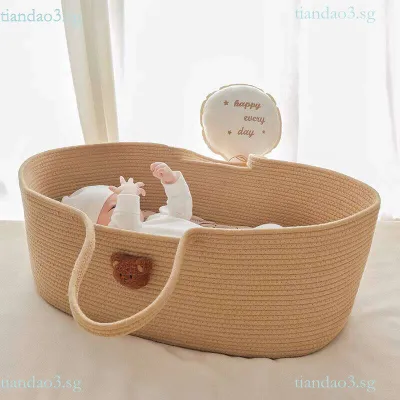
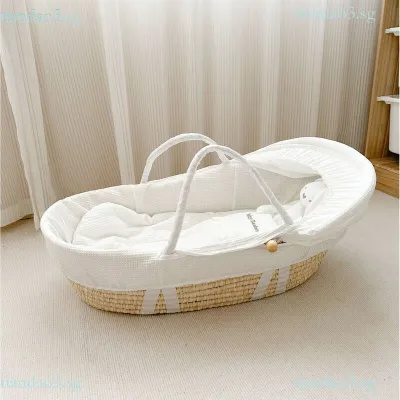
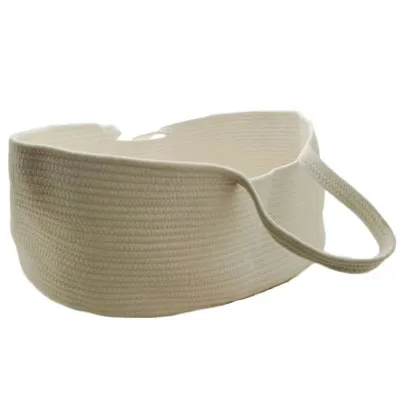
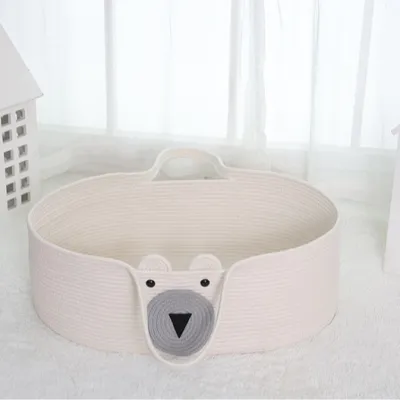
Another category is the standalone portable bassinet, often referred to as a modern Moses basket. These are independent sleeping pods equipped with carrying handles, designed primarily for moving a sleeping infant from room to room within the home or using as a temporary travel bed. Finally, there are travel cots, which are larger, ground-based folding playards designed for overnight trips. This article focuses primarily on stroller-compatible carrycots and standalone portable basket carriers, as these are the primary tools parents use for mobile infant transport.
When evaluating portability, raw weight is only one part of the equation. True portability encompasses several practical dimensions that directly impact daily use:
- Folded Dimensions: Can the carrier collapse flat for storage in a compact car boot or a narrow home entryway?
- One-Hand Detachment: Can you easily release the carrier from the stroller frame with one hand while holding the baby with the other?
- Balance and Ergonomics: Does the carrier remain balanced when lifted by the handle, or does it tilt awkwardly, forcing you to adjust your grip?
- Storage Footprint: How much space does the unit occupy when not in use, particularly in compact urban living spaces like Singapore's HDB flats?
By expanding the definition of portability beyond the scale, caregivers can select a carrier that fits seamlessly into their daily routines.
Key Dimensions for Comparing Weight and Portability
To make an informed comparison between different brands, it is helpful to break down the specific engineering choices that influence a carrier’s weight and ease of transport.
Base Weight vs. Fully Loaded Weight The weight listed in marketing brochures is frequently the “net weight” of the plastic or aluminum shell alone. When preparing for an outing, however, you will be carrying the “gross weight,” which includes the mattress, the fabric lining, the protective apron, the extendable sun canopy, and any adapters required to mount the carrier onto your stroller. Some premium brands feature luxurious, double-padded mattresses and heavy-duty weather shields that can add up to 1.5 kilograms to the base weight. Always check the user manual or technical specifications to verify what is included in the stated weight.
Frame Materials and Structural Integrity The choice of materials directly impacts both the weight and the durability of the carrier. High-grade aluminum alloys are popular because they offer an excellent strength-to-weight ratio, providing a rigid frame that does not bend under pressure. Some ultra-lightweight models replace metal frames with high-density, reinforced plastics or even semi-rigid foam structures encased in durable fabrics. While fabric-based walls significantly reduce weight, they may offer less wind and impact protection compared to rigid-walled carriers.
Folding and Collapsing Mechanisms A major differentiator in portability is how the carrier stores when not in use. Traditional carrycots have rigid plastic walls that maintain their shape constantly, making them bulky to store in car boots or small closets. Modern portable designs often feature a “flat-fold” mechanism, where internal tension bars can be released, allowing the fabric walls to collapse downward. This reduces the height of the carrier to just a few centimeters, making it incredibly easy to slide under a bed, place on a closet shelf, or pack alongside luggage.
Handle Ergonomics and Carrying Straps How a carrier feels in your hand is often more important than its actual weight. A carrier that weighs 4 kilograms but features a centered, ergonomically padded carry handle or an adjustable shoulder strap can feel much lighter and more manageable than a 3-kg carrier with short, unpadded fabric straps that cut into your hands. The placement of the handle also dictates the center of gravity; a well-balanced handle prevents the carrier from tipping forward or backward, ensuring your newborn remains in a safe, horizontal position during transit.
How Leading Brands Approach Lightweight Design
Different manufacturers approach the challenge of portability from distinct design philosophies. Understanding these approaches helps you identify which brand category aligns with your lifestyle.
Travel-Focused and Compact Stroller Brands
Brands that specialize in travel gear and compact strollers prioritize weight reduction, rapid folding, and space-saving designs above all else. These manufacturers understand that modern parents are highly mobile, frequently navigating airports, public transport systems, and tight urban spaces.
To achieve maximum lightness, travel-focused brands often employ soft-sided construction. Instead of a solid plastic shell, the walls of the carrier are made from high-performance technical fabrics stretched over a minimalist aluminum or carbon-fiber frame. These fabrics are selected for their durability, water resistance, and low weight. The resulting carrier can often be collapsed flat in a single motion, sometimes even while still attached to the stroller frame.
However, these weight-saving measures require specific trade-offs. To keep the profile slim and light, these carriers typically feature slightly narrower and shorter interior dimensions, meaning taller babies may outgrow them more quickly. The mattresses are often thinner and firmer, designed to fold along with the carrier rather than providing thick, multi-layered cushioning. Additionally, the sun canopies on travel-focused models may be smaller, offering less coverage against harsh sunlight or sudden rain showers—a key consideration for parents navigating outdoor environments.
Premium Modular and Full-Size Brands
On the other end of the spectrum are premium modular brands, which design carrycots as part of comprehensive, multi-terrain stroller systems. These brands view the baby basket carrier as a primary mobile nursery, focusing heavily on infant comfort, safety, and climate control.
To ensure maximum comfort, these carriers feature thick, orthopedic mattresses, often with breathable 3D mesh linings to prevent overheating. The shells are typically constructed from rigid, impact-resistant plastics that provide a highly protective cocoon around the baby. They also include extensive sun canopies with extendable visors, integrated insect nets, and dedicated ventilation panels that can be zipped open to allow airflow.
While these features offer an exceptional environment for a newborn, they inevitably add weight. A premium modular carrycot can weigh significantly more than a travel-focused alternative. Furthermore, because of their rigid structures, many of these models do not fold flat easily, or they require several steps to disassemble. Carrying one of these units up multiple flights of stairs or loading it into a compact car boot can be physically demanding. However, for daily walks on paved paths or long outings where the baby will sleep for hours, the added comfort and protection can justify the extra weight.
Decision Framework: Choosing the Right Carrier for Your Needs
Selecting the right baby basket carrier requires evaluating your daily environment, transportation habits, and living space. Use the following framework to determine which design philosophy fits your family.
Choose travel-focused compact brands if:
- You rely on public transport or ride-hailing: If you frequently board buses, navigate MRT stations, or use ride-hailing services in Singapore, you need a carrier that can be detached and collapsed in seconds. A heavy, rigid carrycot is highly impractical when trying to quickly fold a stroller frame before stepping into a vehicle.
- You live in a compact apartment: For homes with limited storage space, such as standard HDB flats, a flat-folding carrier is a major advantage. It can be easily tucked away in a storeroom, placed under a bed, or hung behind a door when not in use.
- You travel frequently: If you plan to take your infant on flights or weekend trips, a lightweight, highly compressible carrier that fits easily into overhead compartments or tight luggage spaces is essential.
Choose premium modular brands if:
- You prioritize long outdoor walks: If your daily routine involves long strolls through parks, botanical gardens, or outdoor shopping areas, your baby will benefit from the superior suspension of a full-size stroller and the enhanced comfort of a premium, thick-mattressed carrycot.
- You use a personal vehicle with ample boot space: If you drive a large family car or SUV where boot space is not a constraint, the bulkiness of a premium modular carrier becomes a minor issue, allowing you to prioritize maximum comfort and weather protection.
- You want a certified overnight sleeping solution: Some premium carrycots are safety-tested and approved by the manufacturer for overnight sleep, allowing them to double as a travel cot during overnight stays at a relative's home.
Verify first if:
- The carrier is compatible with your stroller: Not all brands use universal adapters. Ensure the basket carrier you select is officially certified to work with your specific stroller frame to avoid safety hazards.
- The fabrics are suitable for your local climate: In warm, humid climates like Singapore, adequate ventilation is critical. Look for carriers with mesh panels and breathable mattress covers to prevent heat retention, regardless of the brand's weight class.
- The carrier meets your travel requirements: If you plan to use the carrier on an airplane, verify the specific airline's cabin baggage dimensions, as even "travel" carrycots may exceed carry-on limits when fully assembled.
Frequently Asked Questions (FAQ)
Can I take a baby basket carrier on an airplane?
Whether you can take a baby basket carrier into an airplane cabin depends on the carrier’s dimensions and the specific airline’s cabin baggage policy. Most standard, rigid stroller carrycots are too large to fit in overhead compartments and must be checked at the gate or check-in counter. However, some ultra-compact, flat-folding travel bassinets are designed to meet cabin baggage dimensions when collapsed.
It is important to note that stroller carrycots and basket carriers are not certified child restraint systems (CRS) for use on aircraft seats. They cannot be used to secure an infant in a passenger seat during takeoff, landing, or turbulence. If you wish to have your baby sleep in a bassinet during a flight, you must request an airline-provided bassinet when booking, as these are specifically engineered to attach securely to the aircraft bulkhead.
What is the safe weight limit for a baby in a basket carrier?
The safe weight limit for a baby basket carrier varies by manufacturer, but most models are rated for infants weighing up to 9 kilograms (approximately 20 pounds). However, developmental milestones are often a more critical safety indicator than raw weight.
Caregivers should transition their baby out of a basket carrier as soon as the infant begins to show signs of rolling over, pushing up on their hands and knees, or sitting up independently. Once a baby can perform these movements, there is a risk they could tip the carrier or fall out, making a transition to a standard stroller seat or a larger travel cot necessary. Always consult your specific product manual to verify both the weight threshold and developmental safety warnings.
Are lightweight basket carriers safe for overnight sleep?
Not all lightweight baby basket carriers are approved for overnight or unsupervised sleep. Standard stroller carrycots are primarily designed for temporary, supervised daytime napping during outings. To be safely used for overnight sleep, a carrier must meet specific international safety standards that dictate flat, firm sleeping surfaces, rigid sides to prevent roll-out, and highly breathable fabrics to minimize the risk of suffocation or carbon dioxide rebreathing.
Before allowing your baby to sleep overnight in a portable carrier, check the manufacturer’s instruction manual to see if the model is explicitly certified for overnight use. If the manual does not state that it is safe for overnight sleep, use a dedicated, certified crib or travel cot that complies with safe sleep guidelines, ensuring a flat, firm mattress free of loose bedding, pillows, or soft toys.

Community discussion
Share your experience or ask a question. Comments are reviewed before publication.