
Selecting the right adult diaper in Singapore requires balancing daily comfort, reliable protection, and long-term household expenses. Lifree Jumbo Pants are widely recognized in local pharmacies and online marketplaces as a prominent pull-up option designed for high absorption and ease of use.
However, determining whether they are the right choice for your care recipient compared to other available brands depends on several practical factors. Rather than relying on generic marketing claims, caregivers must evaluate specific design elements, such as waistband elasticity, leg cuff security, and material breathability, alongside the care recipient’s mobility level.
This comparison guide provides a structured approach to evaluating these features. By focusing on observable design details and practical cost calculations, you can make an informed decision that supports both skin health and your caregiving budget.
Products mentioned in this guide
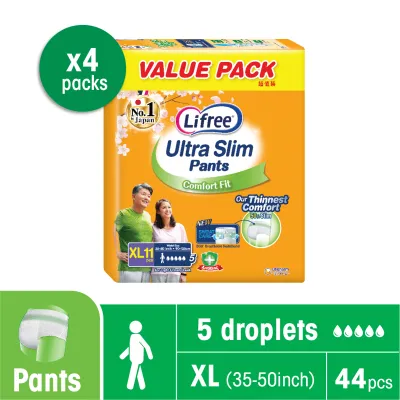
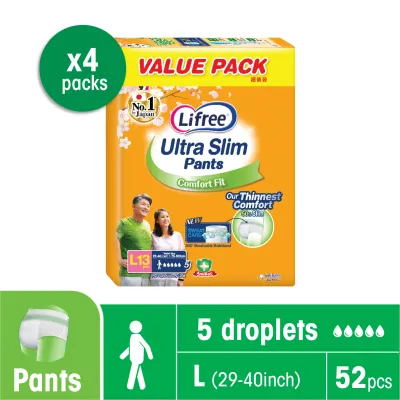
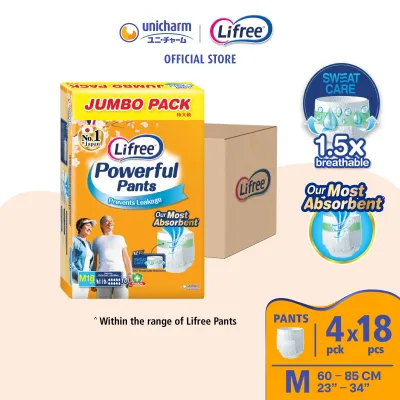
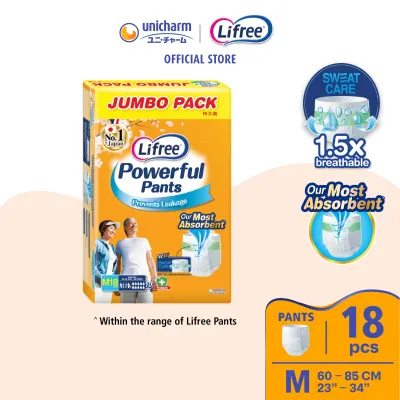
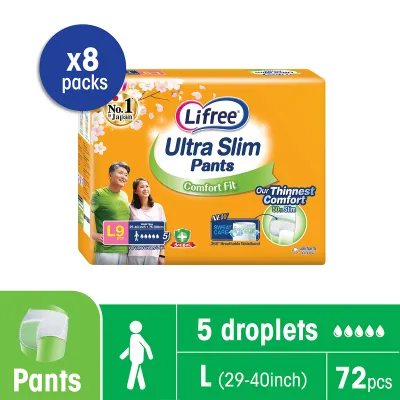
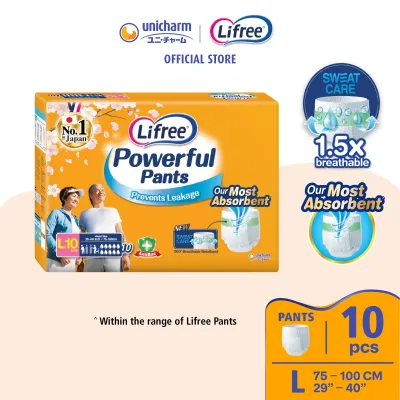
Prices are valid at publication and may change. Please refer to the product page for the latest price.
Identifying Your Care Recipient's Core Needs
Before comparing specific brand specifications, it is essential to establish a clear profile of your care recipient’s daily routine and physical requirements. The first factor to evaluate is mobility.
Active or semi-active individuals who can stand, walk, or use the toilet with minimal assistance generally benefit from pull-up style pants, such as Lifree Jumbo Pants. These pants mimic regular underwear, promoting independence and making self-toileting easier.
Conversely, for individuals who are bedbound or have highly limited mobility, tape-style diapers are often more practical. Tape-style options allow caregivers to change the diaper without fully removing the recipient’s trousers or lifting their legs, reducing physical strain on both parties.
Next, assess the typical volume and frequency of incontinence. Incontinence ranges from light bladder leaks during coughing or laughing to complete loss of bladder or bowel control.
High-capacity pants are designed to manage heavy voiding, but using them for light incontinence can result in unnecessary spending. Conversely, using a low-capacity active pant for heavy overnight voiding will lead to frequent leaks and disrupted sleep.
Finally, take note of any existing skin sensitivities, allergies, or histories of pressure sores. Singapore’s hot and humid climate accelerates moisture buildup, making the skin highly susceptible to diaper dermatitis and bacterial infections.
If the care recipient has fragile skin, prioritizing materials with high breathability and rapid moisture-wicking capabilities is non-negotiable.
Comparing Absorption and Leak Protection Features
When comparing Lifree Jumbo Pants to alternative brands, absorption capacity and leak prevention are the primary performance metrics to analyze. Because manufacturers use different testing standards, you should inspect the product packaging for specific indicators of capacity.

These indicators are often represented by a scale of droplets or estimated hours of protection. Keep in mind that these ratings are guidelines; actual performance depends on the speed of liquid intake and how well the core locks moisture away under the pressure of sitting or lying down.
The physical construction of the waistband and leg cuffs plays a critical role in preventing leaks. Look for brands that feature double-layered leg gathers or standing leak guards.
These elasticized barriers should fit snugly against the inner thigh without gaps, blockading liquid from escaping during sudden movements. The waistband should also feature a secure, multi-strand elastic design that prevents the pants from sagging when full, as sagging is a primary cause of back leaks.
Another feature to compare is the presence and visibility of wetness indicators. These are typically colored lines on the outside of the diaper that fade or change color when exposed to moisture.
A clear, easily readable wetness indicator allows caregivers to monitor the diaper’s status at a glance without having to pull down the pants. This minimizes unnecessary disruptions for the care recipient and ensures timely changes before leaks occur.
Assessing Comfort, Breathability, and Skin Health
Long-wear comfort is directly tied to skin health, especially when a diaper is worn for several hours at a time. When evaluating different brands, physically feel the inner lining texture.
It should feel soft and cloth-like rather than papery or plastic-like, which can cause friction and chafing against sensitive skin. Check the outer cover material for verified breathability claims on the label, such as “breathable backsheet” or “micro-porous film,” which allow heat and humidity to escape while keeping liquid contained.
The stretchability of the waist and leg gathers is equally important. High-quality pull-up pants should stretch easily to accommodate different body shapes while maintaining a gentle, secure hold.
If the elastic is too tight, it can leave deep red marks, restrict local blood circulation, and cause painful skin indentation. Conversely, if the elastic is too loose, the diaper will shift, leading to friction rashes and leaks.
Caregivers must establish clear stop-use conditions to protect the care recipient’s skin. If you observe persistent redness, chafing, localized warmth, or the development of a rash, these are clear signs that the current diaper is not compatible with the recipient’s skin or fit requirements.
In such cases, you should immediately stop using the product, switch to an alternative brand with different material properties, and consult a healthcare professional if the skin condition does not improve within a few days.
Calculating True Cost and Value for Money
Evaluating the financial impact of adult diapers requires looking beyond the initial retail price of a single pack. To find the true cost, calculate the cost per wear by dividing the total pack price by the number of pieces included.
For example, a pack of Lifree Jumbo Pants costing S$24.00 containing 20 pieces results in a unit cost of S$1.20 per piece. If a cheaper alternative costs S$18.00 for 20 pieces (S$0.90 per piece) but requires twice as many daily changes due to lower absorbency, the “cheaper” option actually increases your overall monthly expenditure.
To optimize your budget, compare bulk-buying options, bundle deals, and subscription discounts. Many local pharmacies and online marketplaces in Singapore offer significant discounts when purchasing cartons rather than individual packs.
Some platforms also provide recurring subscription models that lower the unit price and ensure a steady supply, reducing the stress of last-minute shopping trips.
Additionally, factor in the hidden costs associated with diaper changes. A diaper that leaks frequently leads to increased laundry loads, higher water and electricity bills, and the rapid consumption of auxiliary supplies like wet wipes, disposable underpads, and barrier creams.
The value of caregiver time and physical effort should also be considered. A highly reliable diaper that reduces the frequency of emergency bed linen changes offers substantial intangible value.
Decision Framework: Matching Brands to Specific Needs
To make a final purchasing decision, caregivers can use a conditional framework that matches specific care scenarios to the strengths of each brand type.
Consider choosing Lifree Jumbo Pants if your care recipient requires high absorption for extended wear or overnight use, experiences moderate to heavy incontinence, and fits securely within the brand’s specified sizing chart.
Their design is particularly suited for individuals who still maintain some level of mobility but need the reassurance of a high-capacity core that minimizes the risk of leaks during daily activities or sleep.
On the other hand, you may want to choose competing everyday or active-fit brands if the care recipient is highly mobile, frequently goes out, and prioritizes a thinner, more discreet profile under clothing.
These lighter options often trade maximum absorption capacity for increased flexibility and a lower profile, making them ideal for managing light to moderate bladder leaks without bulkiness.
Regardless of which brand seems most suitable on paper, always verify the fit and performance first by purchasing a small trial pack.
Testing a single pack allows you to observe how the diaper performs under real-world conditions, checking the actual absorption speed, the snugness of the fit around the legs, and the care recipient’s skin compatibility before committing to bulk carton purchases.
Frequently Asked Questions (FAQ)
How often should high-absorbency adult pants be changed?
Even when using high-absorbency adult pants, regular changes are essential to maintain hygiene and protect skin health. As a general guideline, pants should be checked every three to four hours, or immediately after a bowel movement.
Do not rely solely on the diaper’s maximum capacity. Prolonged exposure to trapped moisture and urine can rapidly break down the skin barrier, leading to painful rashes and infections.
Utilize the wetness indicator on the outside of the pant to establish a consistent changing routine tailored to your care recipient’s specific output patterns.
Can adult diaper pants be used overnight for heavy incontinence?
Adult diaper pants can be used overnight, but their suitability depends on the care recipient’s sleeping position and the volume of nighttime voiding.
While pull-up pants offer convenience and comfort for active individuals, they may not provide the same level of adjustable, snug fit around the waist and hips as tape-style diapers, which are often preferred for bedbound individuals to prevent side leaks while lying down.
If you choose to use pants overnight, check the product label specifically for overnight or high-capacity ratings, and consider combining them with a compatible booster pad to increase overall absorption without compromising the fit of the outer pant.
Community discussion
Share your experience or ask a question. Comments are reviewed before publication.